01 HISTORICAL DOSSIERS
Still Missing
The artworks still sought. The families still searching.
Explore the cases
Documented art thefts, recoveries and restitutions, with links to the original sources.
Clocks show the time now. Below each clock: the latest documented case in that country from our archive.
Red mark: source-reported theft time. An arc shows a reported time window on the outer 24-hour scale. Only shown where timing is documented.
“Published” is the report date, not the theft date. Cases may cover thefts, recoveries or returns. Click a clock for the case details and source.
These are the six leading countries in an INTERPOL register snapshot published by a Cornell Data Journal team on 16 December 2023. Counts refer to objects registered as stolen, not theft incidents. This historical snapshot is not a current, comprehensive worldwide ranking.
Published analysis ↗Underlying data table ↗About the INTERPOL register ↗
Explore reported theft locations in the archive.
 2010
Paris caught the thief called “Spiderman”. Finding the paintings proved another matter entirely.
Read the story 3 min 2003
A tube, an anonymous call and an extraordinary claim: the thieves said they were exposing a museum’s weaknesses.
Read the story 3 min 2009
Two armed men took Olympia from the artist’s former home. Its recognisability may have become its best defence.
Read the story 3 min
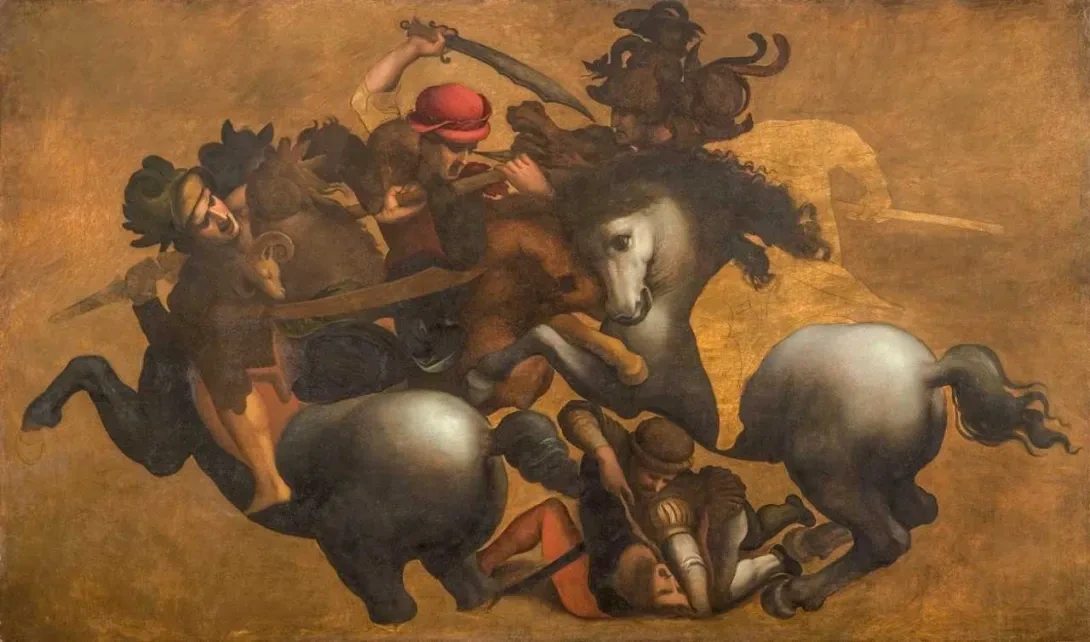
The artworks still sought. The families still searching.
Explore the cases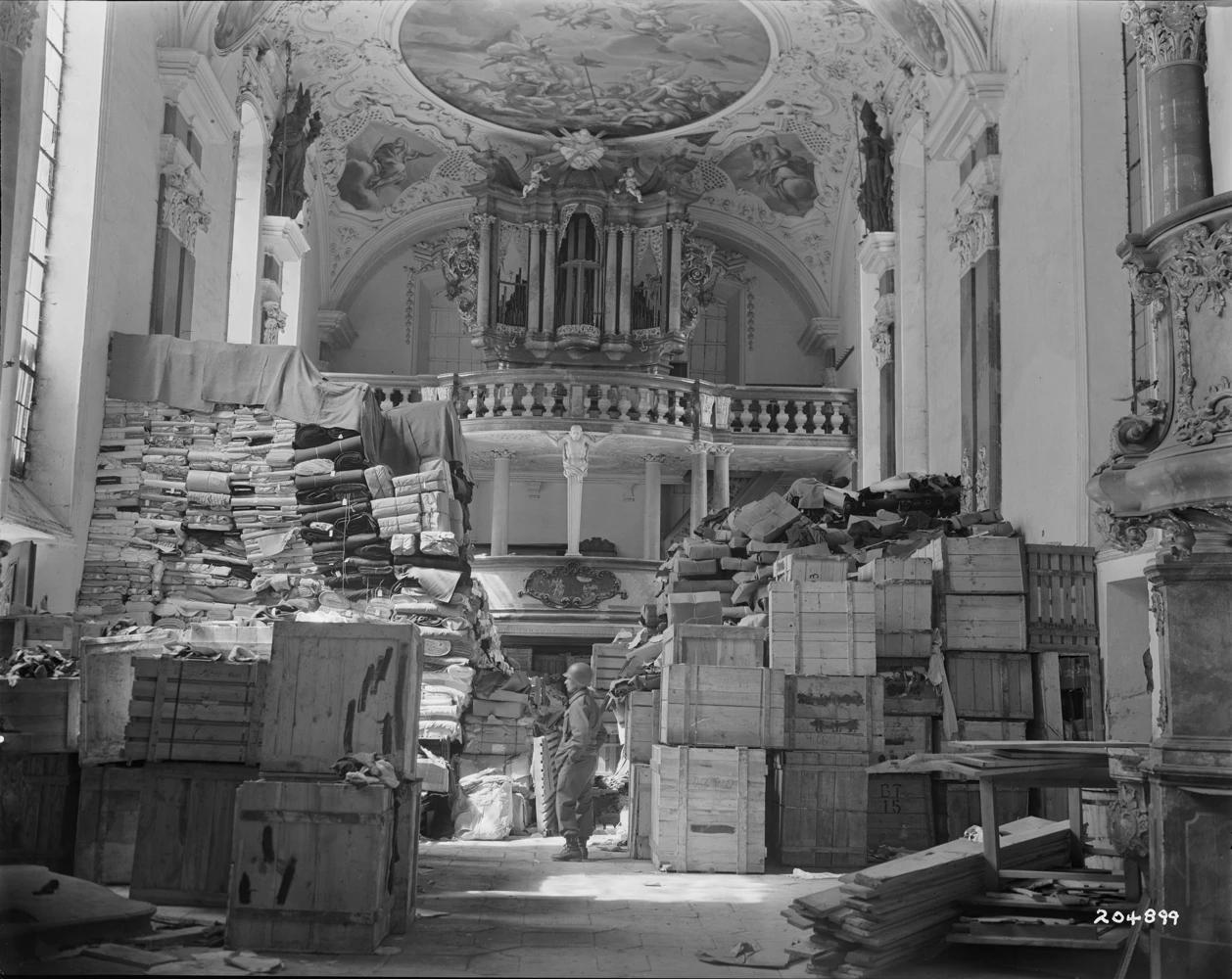

Dispossession, long battles and the paths to restitution.
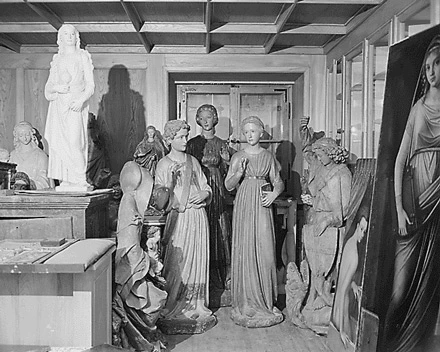
Explore the casesThe upper strip shows details of the featured artworks; the lower strip uses World War II archive photographs as historical context.
87 entries · 88 documented offers · terms apply
Newest additions first · up to ten entries in each group.
Official sources checked; terms apply.
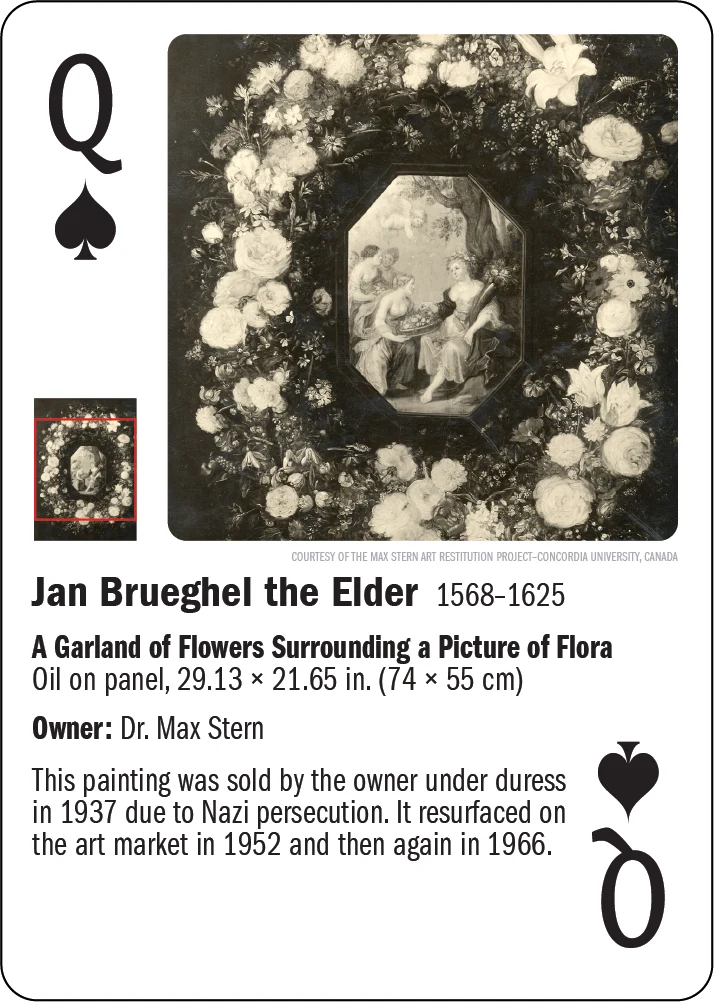 Jan Brueghel the Elder · A Garland of Flowers Surrounding a Picture of FloraUp to$15,000Monuments Men and Women FoundationEnds: 2026-12-31
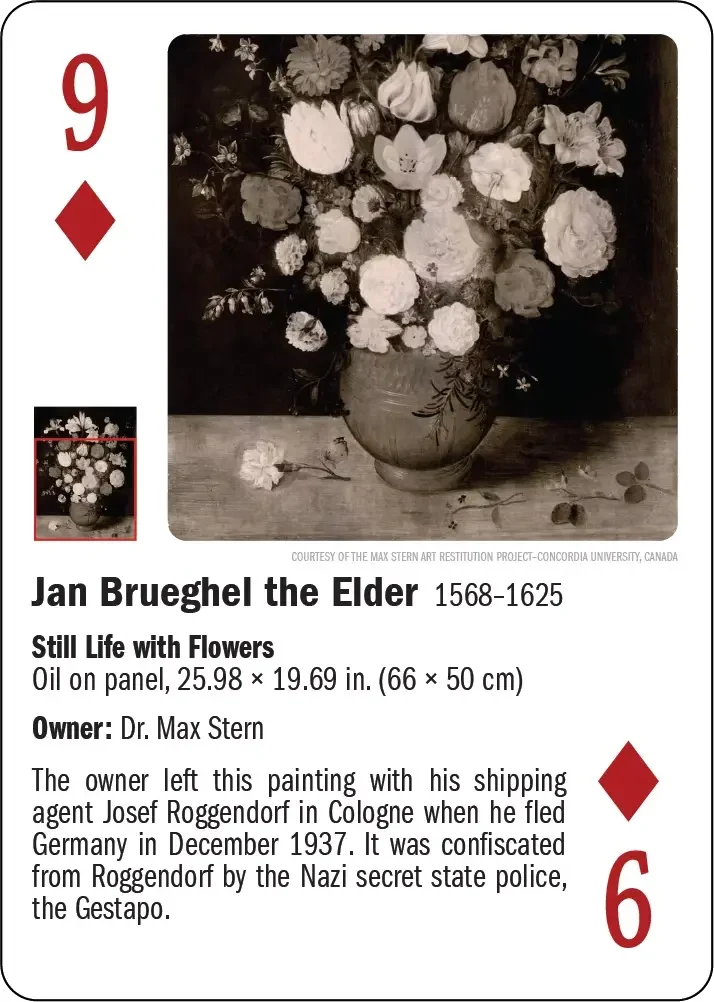 Jan Brueghel the Elder · Still Life with FlowersUp to$7,500Monuments Men and Women FoundationEnds: 2026-12-31
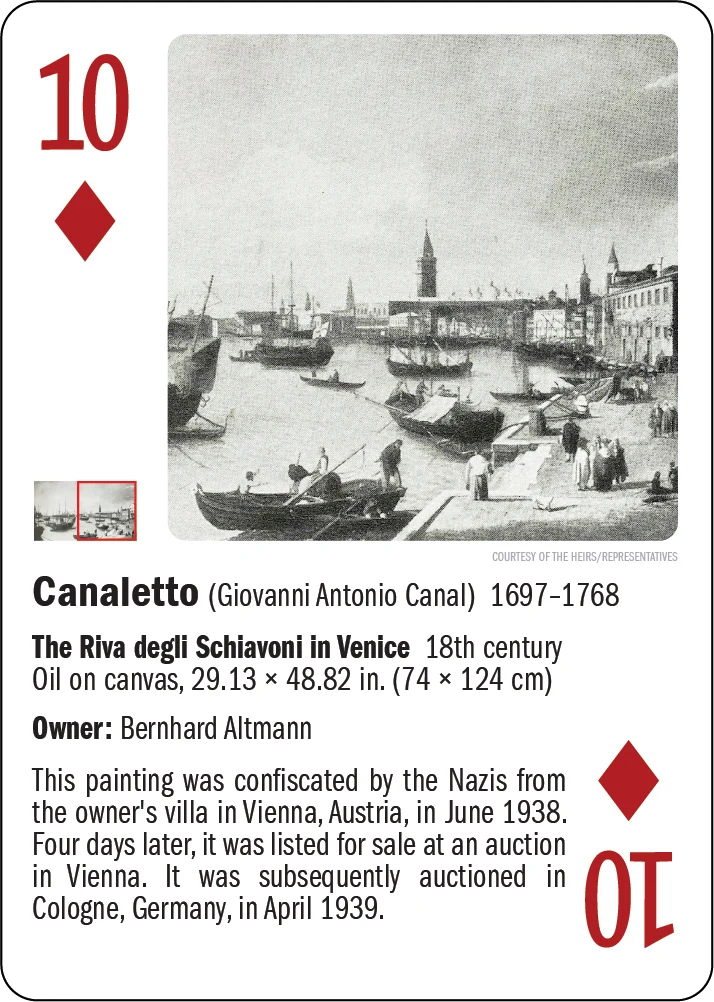 Canaletto · The Riva degli Schiavoni in VeniceUp to$7,500Monuments Men and Women FoundationEnds: 2026-12-31
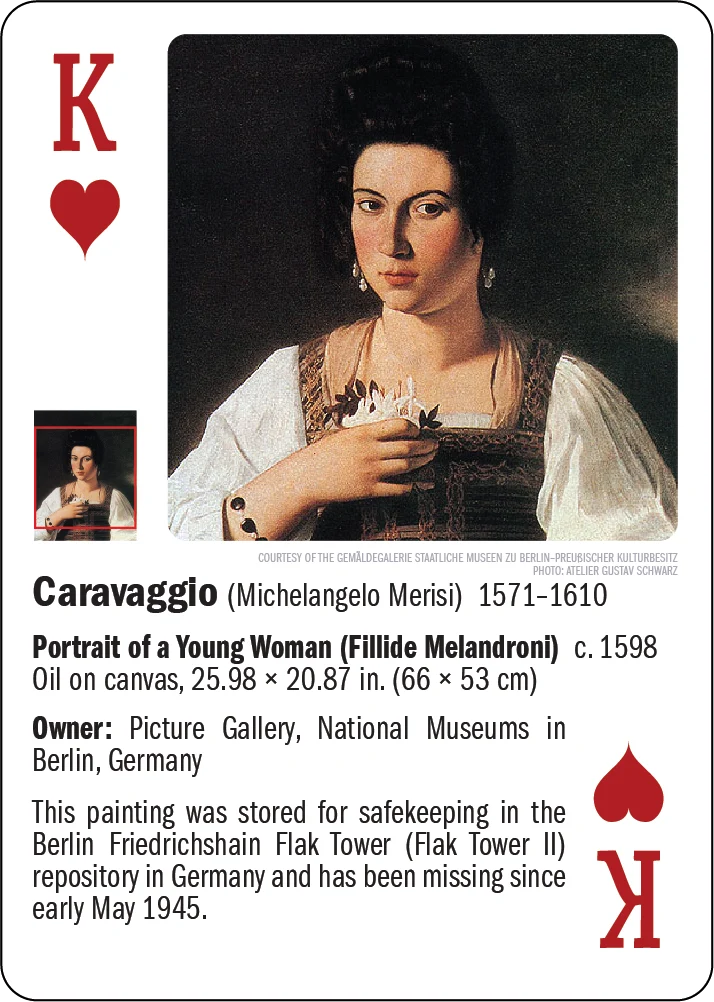 Caravaggio · Portrait of a Young Woman (Fillide Melandroni)Up to$20,000Monuments Men and Women FoundationEnds: 2026-12-31
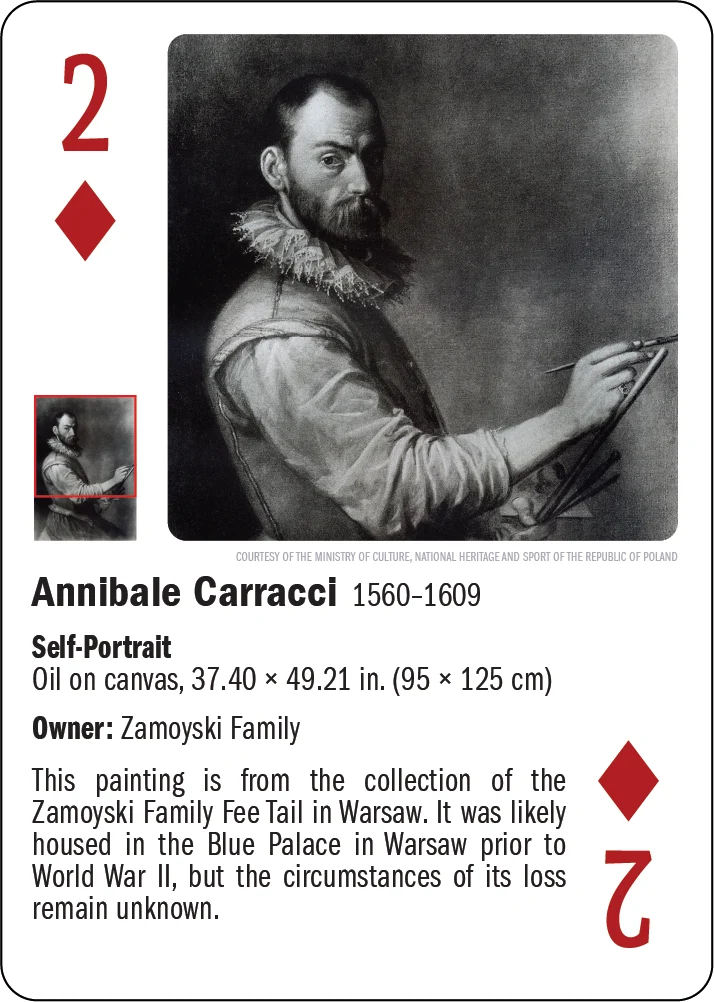 Annibale Carracci · Self-PortraitUp to$2,500Monuments Men and Women FoundationEnds: 2026-12-31
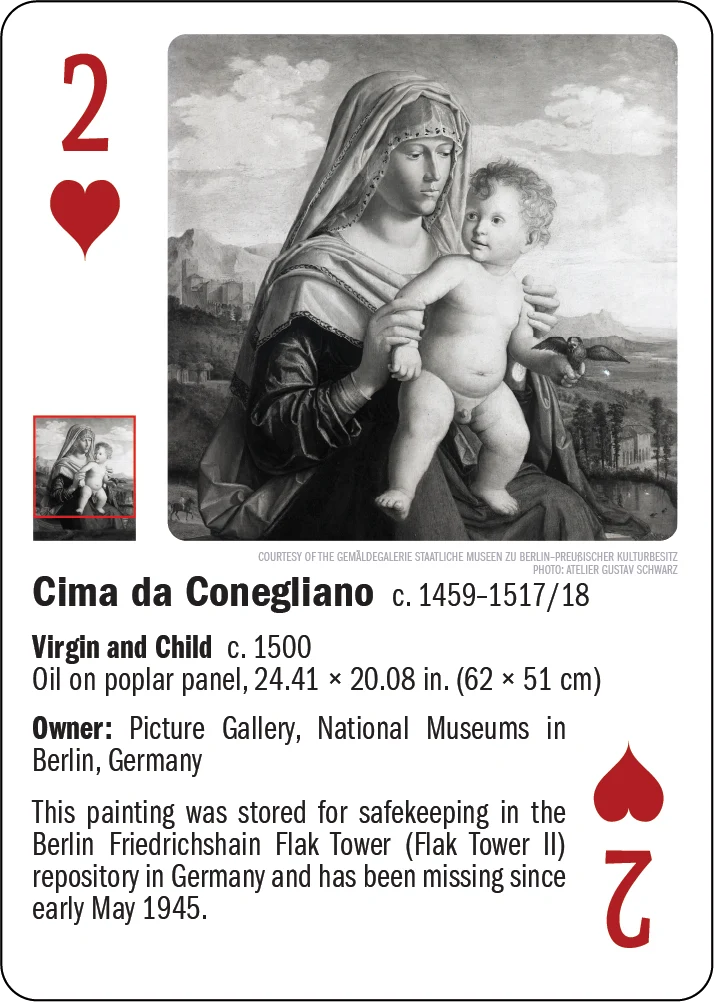 Cima da Conegliano · Virgin and ChildUp to$2,500Monuments Men and Women FoundationEnds: 2026-12-31
 Lovis Corinth · Tyrolean with CatUp to$2,500Monuments Men and Women FoundationEnds: 2026-12-31
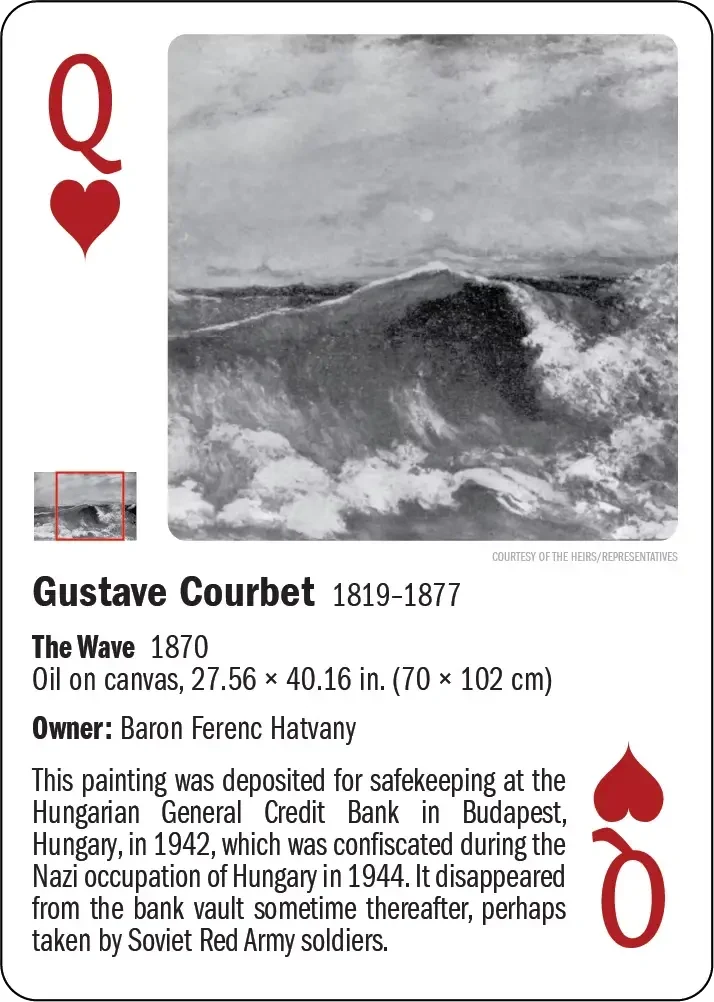 Gustave Courbet · The WaveUp to$15,000Monuments Men and Women FoundationEnds: 2026-12-31
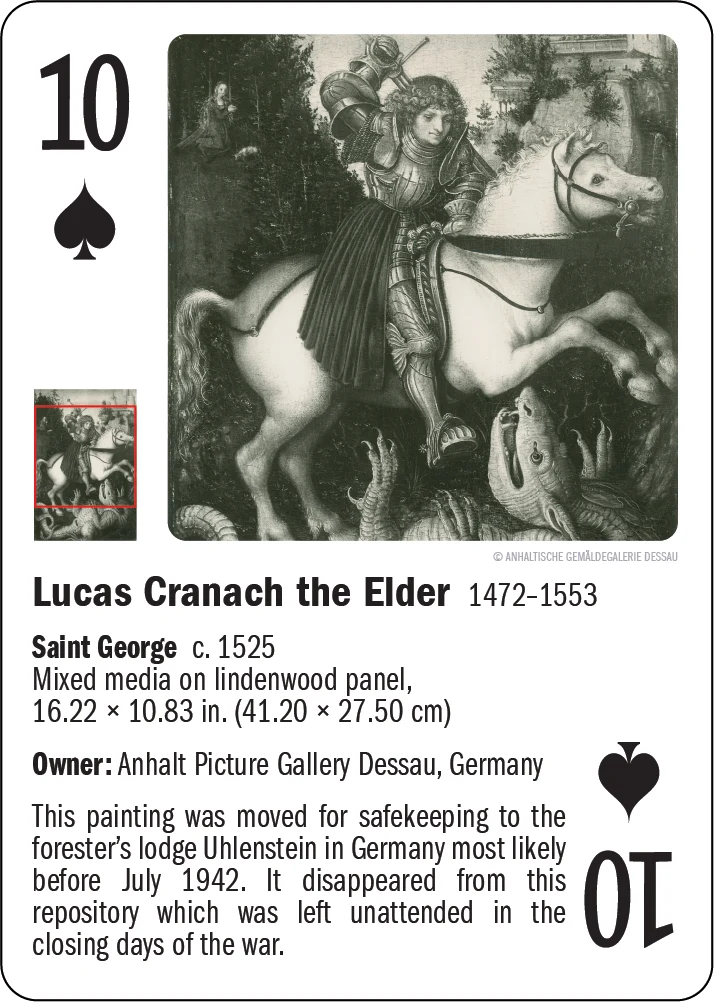 Lucas Cranach the Elder · Saint GeorgeUp to$7,500Monuments Men and Women FoundationEnds: 2026-12-31
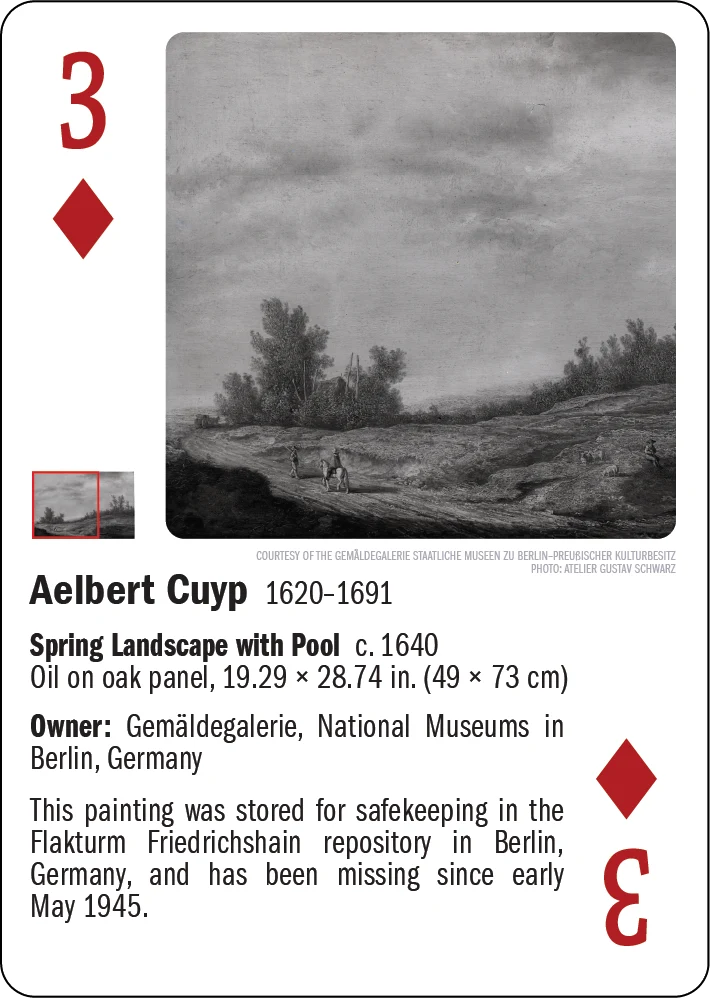 Aelbert Cuyp · Spring Landscape with PoolUp to$2,500Monuments Men and Women FoundationEnds: 2026-12-31
10 of 59 entries · see the full list for the rest.
Amounts reported by the cited sources, without confirmation that the offers remain valid.
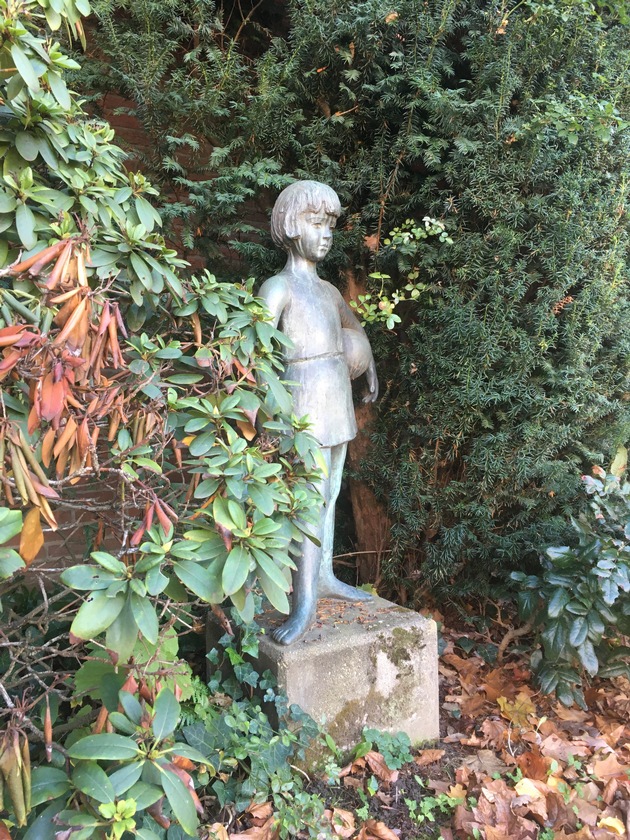 Heinrich Martens’s bronze girl with a ballUp to€5,000Validity unconfirmed
 LeRoy Neiman — Oscar de la Hoya – Shane MosleyAdvertised reward$5,000Centaur Art GalleriesValidity unconfirmed
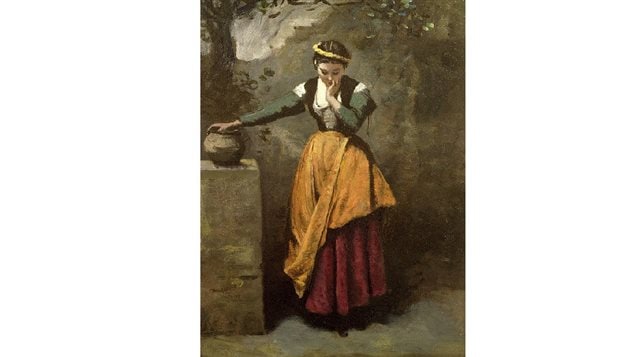 Montreal Museum of Fine Arts — 1972 theftAdvertised rewardAmount not publishedInsurers, according to Radio Canada InternationalValidity unconfirmed
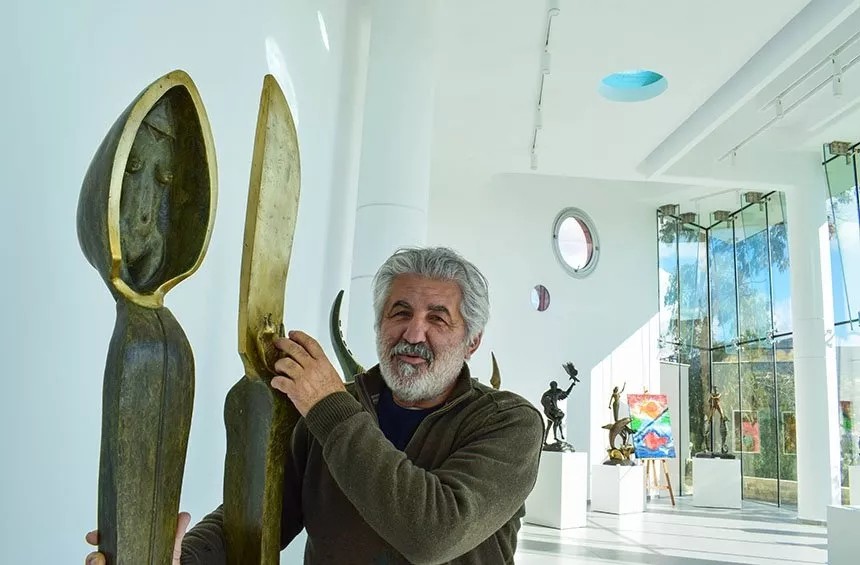 Giapanis · BalanceAdvertised reward€5,000Validity unconfirmed
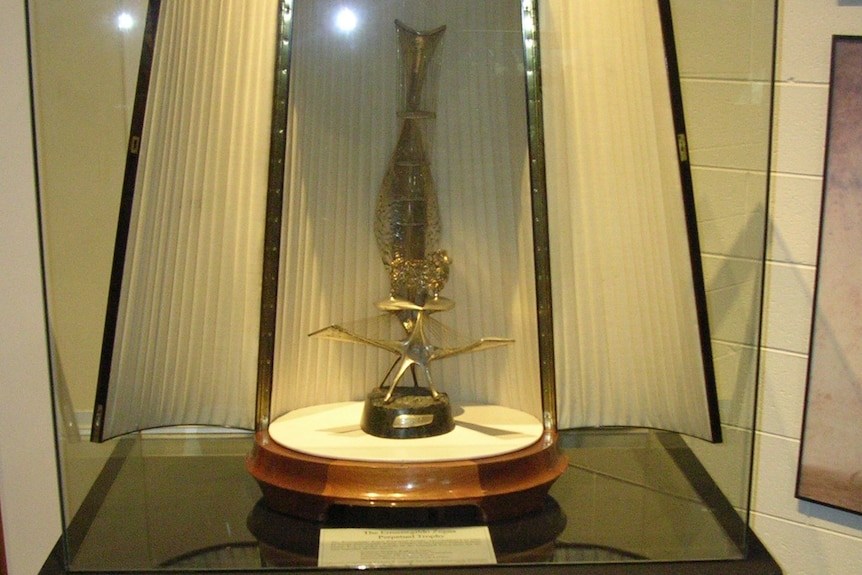 Zegna · Gold sheep trophyAdvertised rewardA$15,000Validity unconfirmed
 Valais · Chalet theftUp to€1,000,000Validity unconfirmed
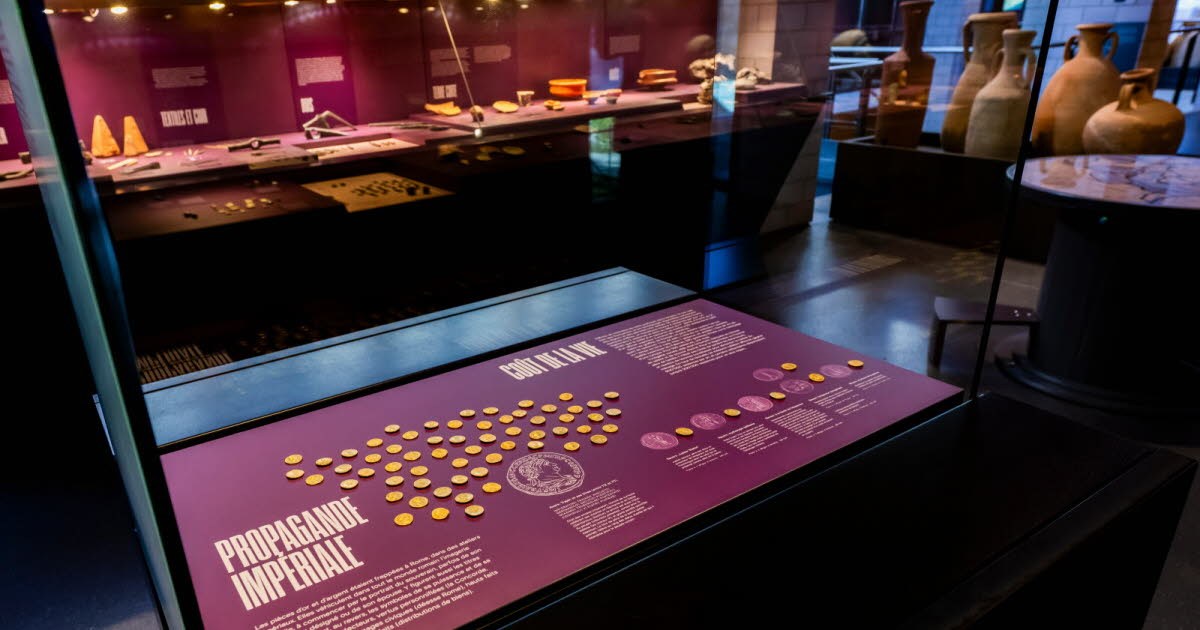 Lausanne · Gold coinsUp to€200,000Validity unconfirmed
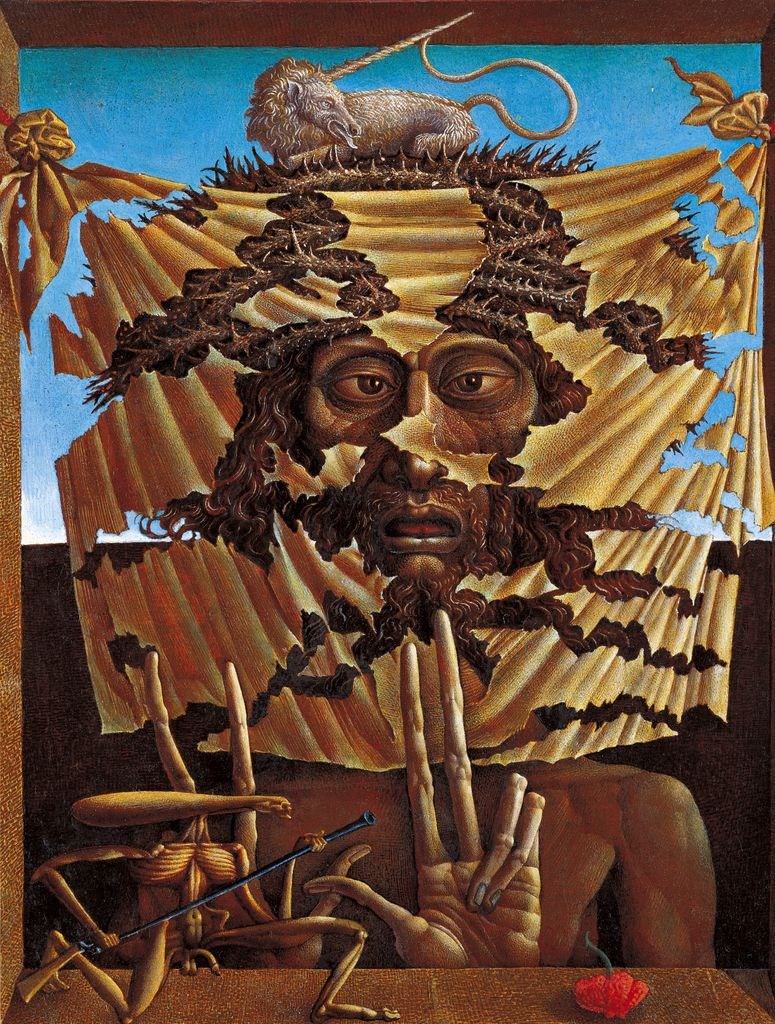 Ernst Fuchs · ViennaAdvertised reward€30,000Validity unconfirmed
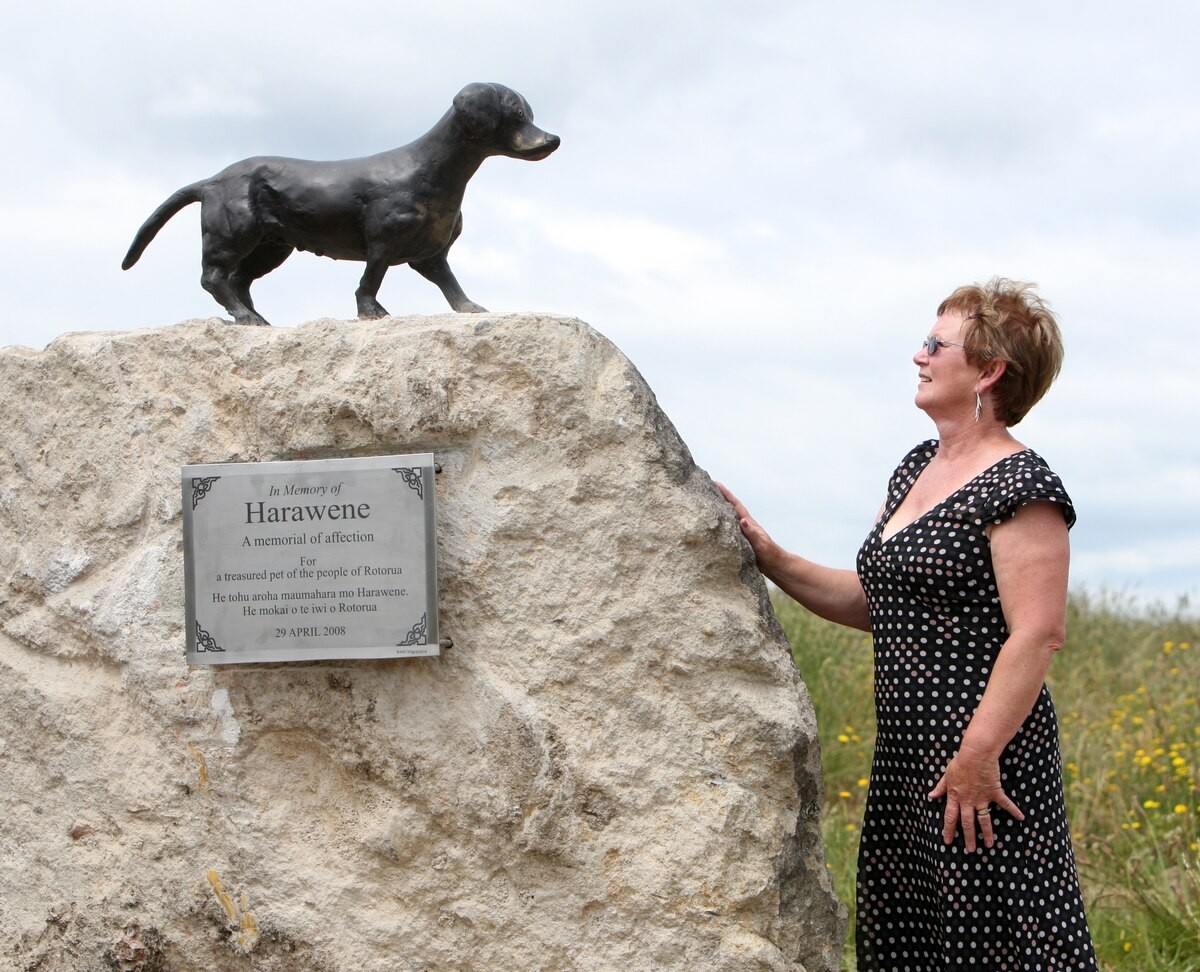 Harawene · RotoruaAdvertised rewardNZ$5,000Validity unconfirmed
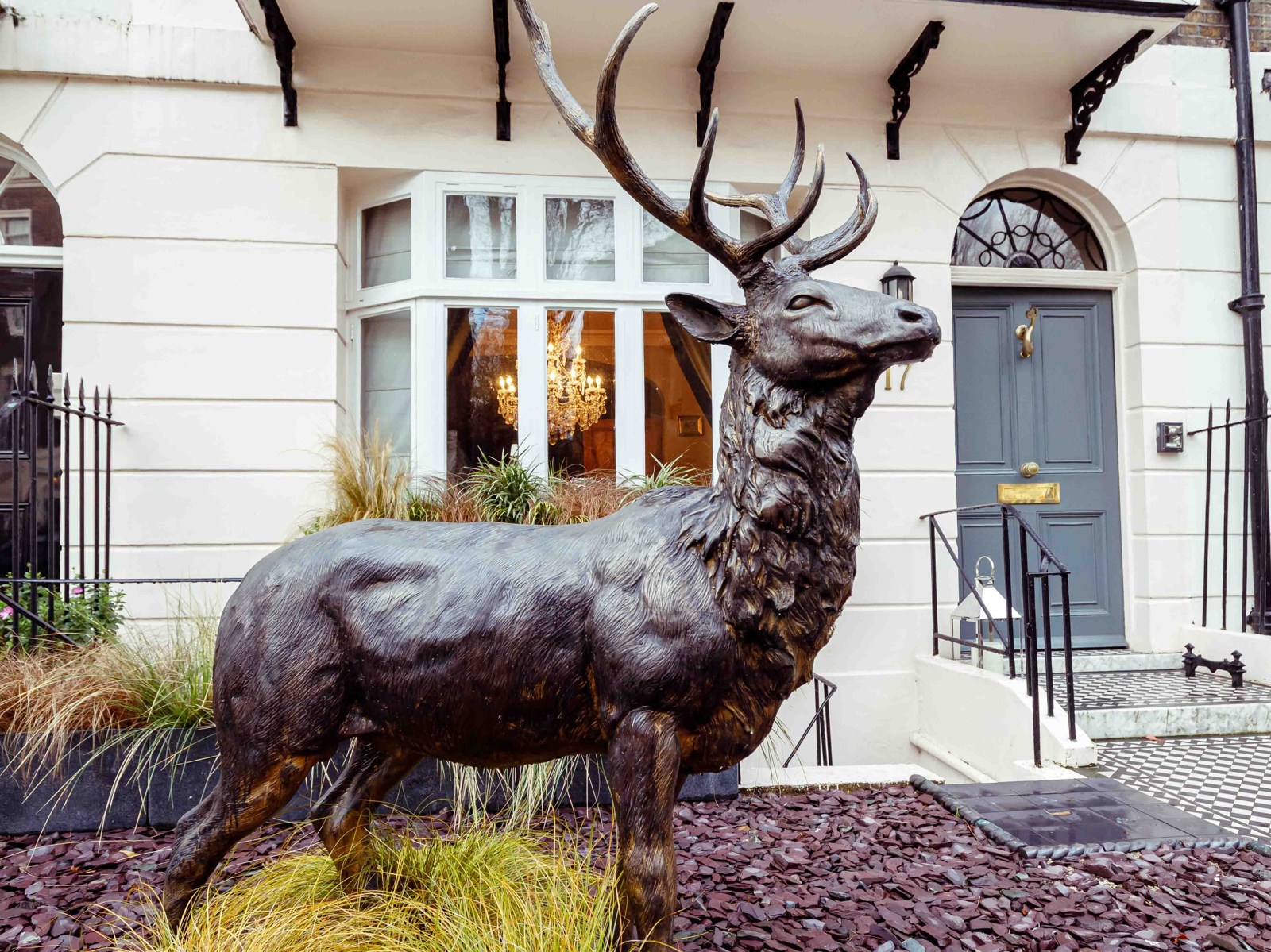 Henry · LondonAdvertised reward£1,000Validity unconfirmed
10 of 18 entries · see the full list for the rest.
Historical reward offers; reported returns, recoveries or destruction.
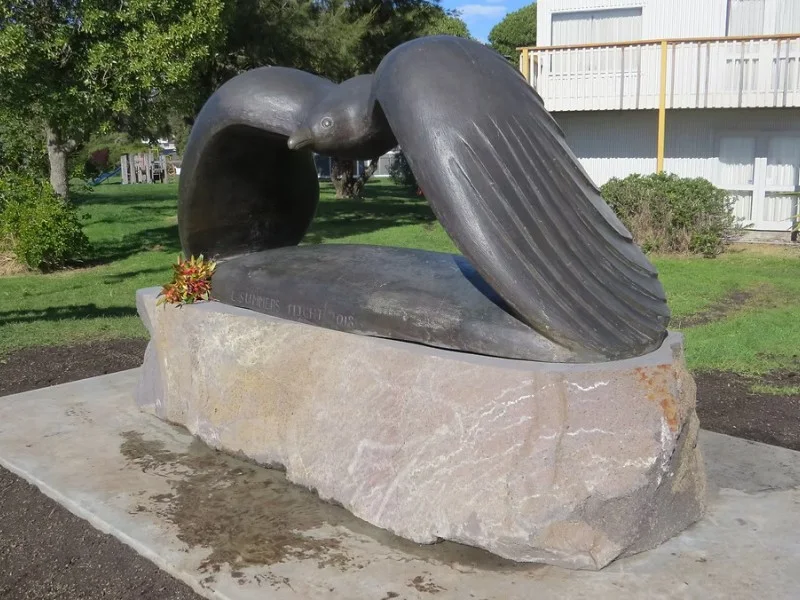 Llew Summers · FlightAdvertised rewardNZ$4,000Archive · see outcome
 Amelia Earhart · ReturnedAdvertised rewardCA$25,000Archive · see outcome
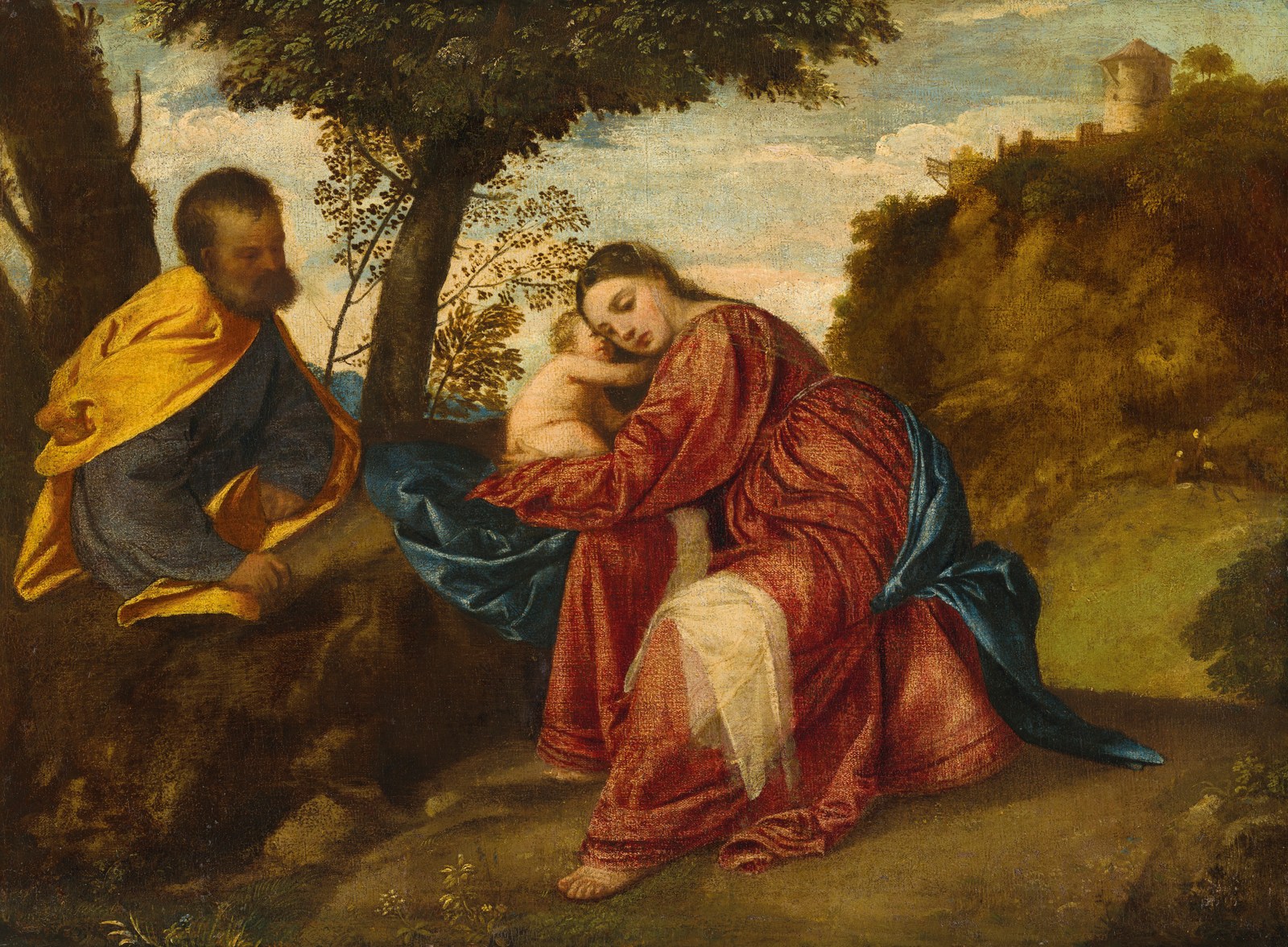 Titian · RecoveredAdvertised reward£100,000Archive · see outcome
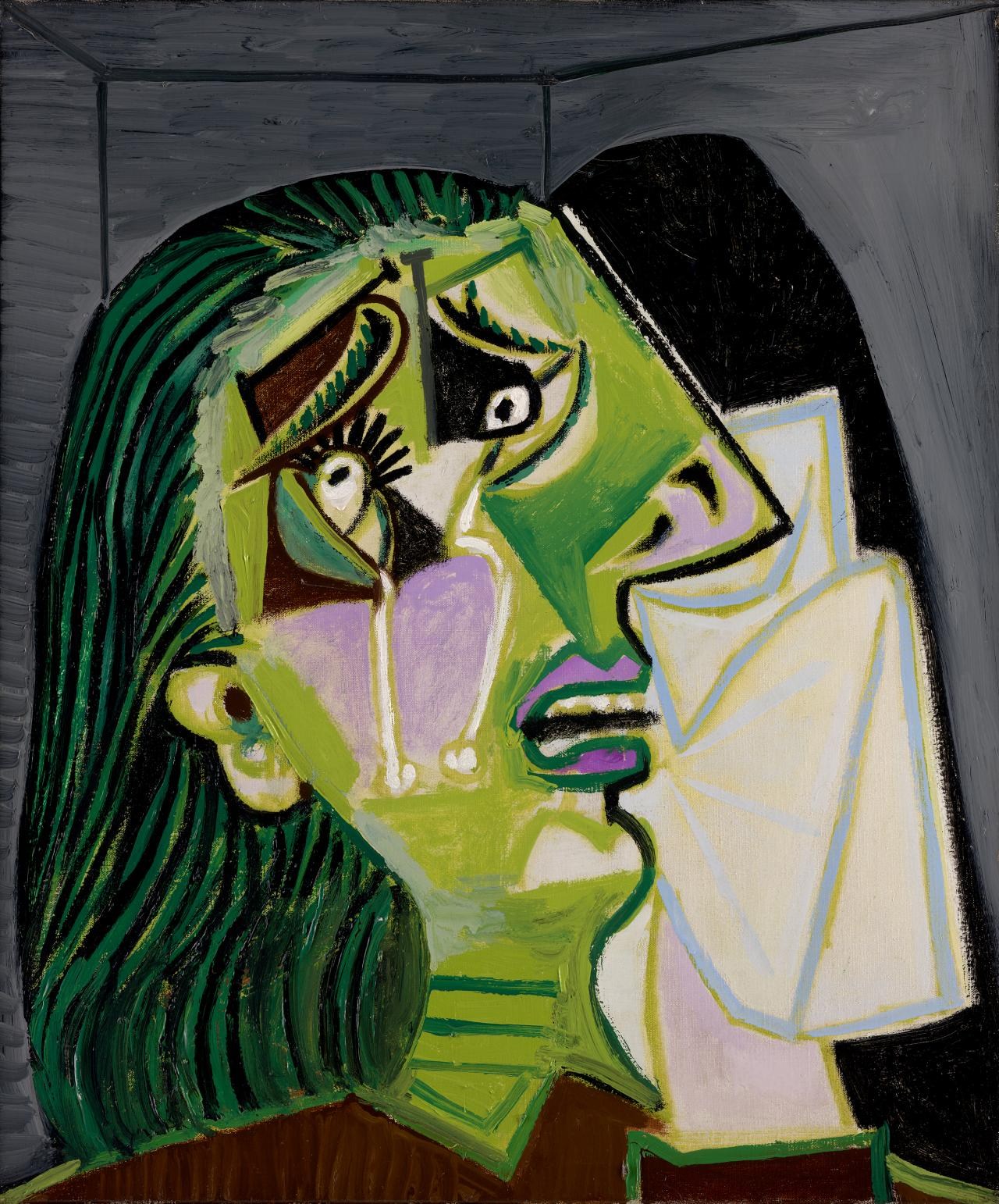 Picasso · RecoveredAdvertised rewardA$50,000Archive · see outcome
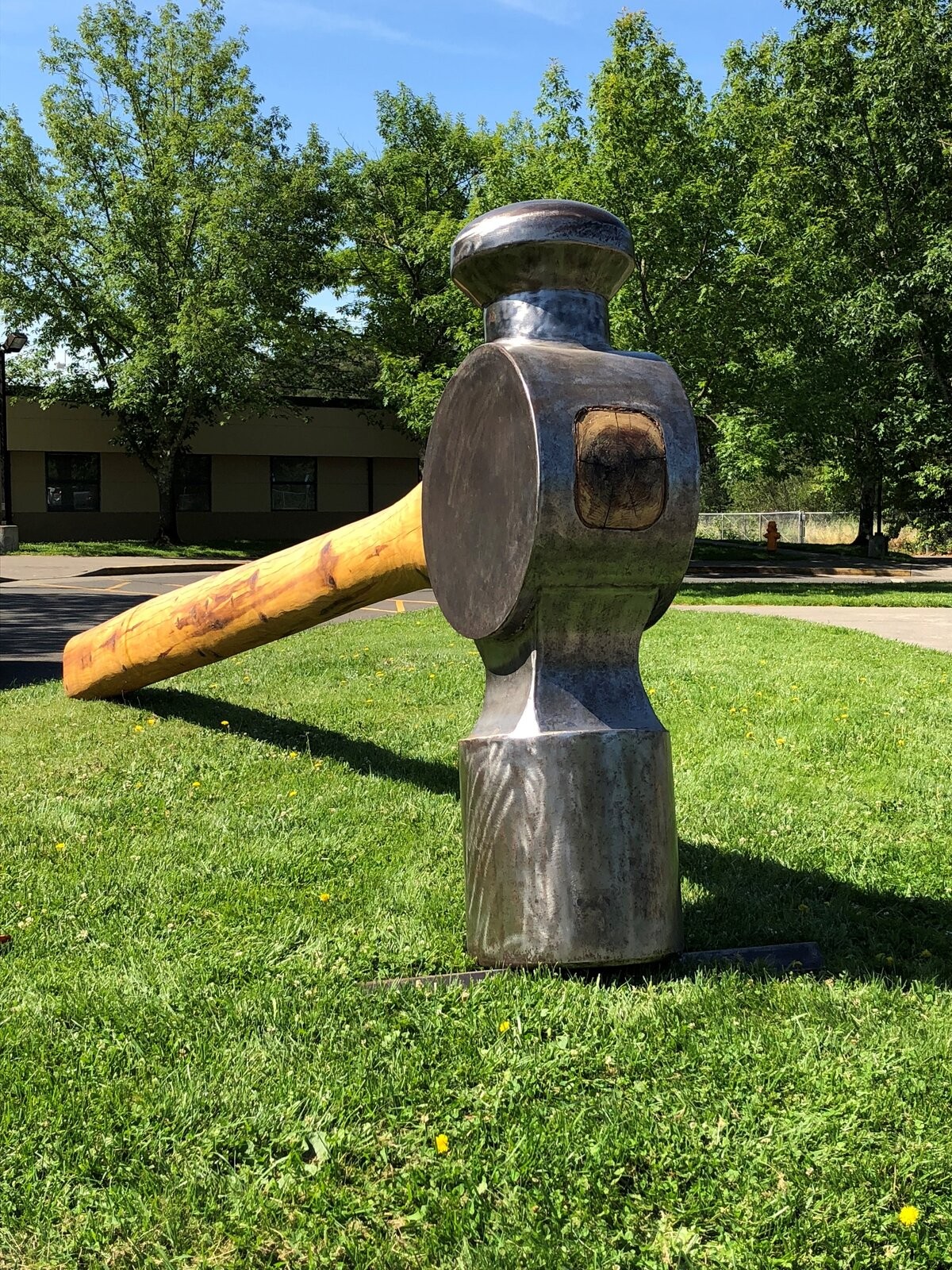 Unkrey · The HammerAdvertised reward$1,000Archive · see outcome
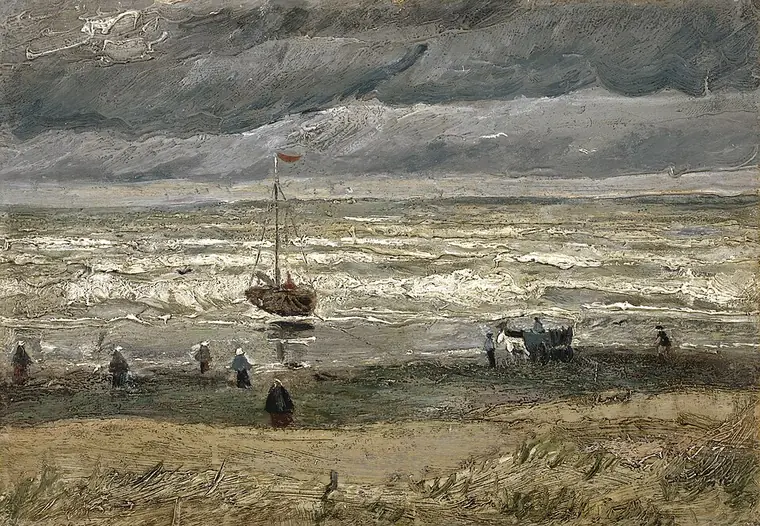 Van Gogh · Two paintingsAdvertised reward€100,000Archive · see outcome
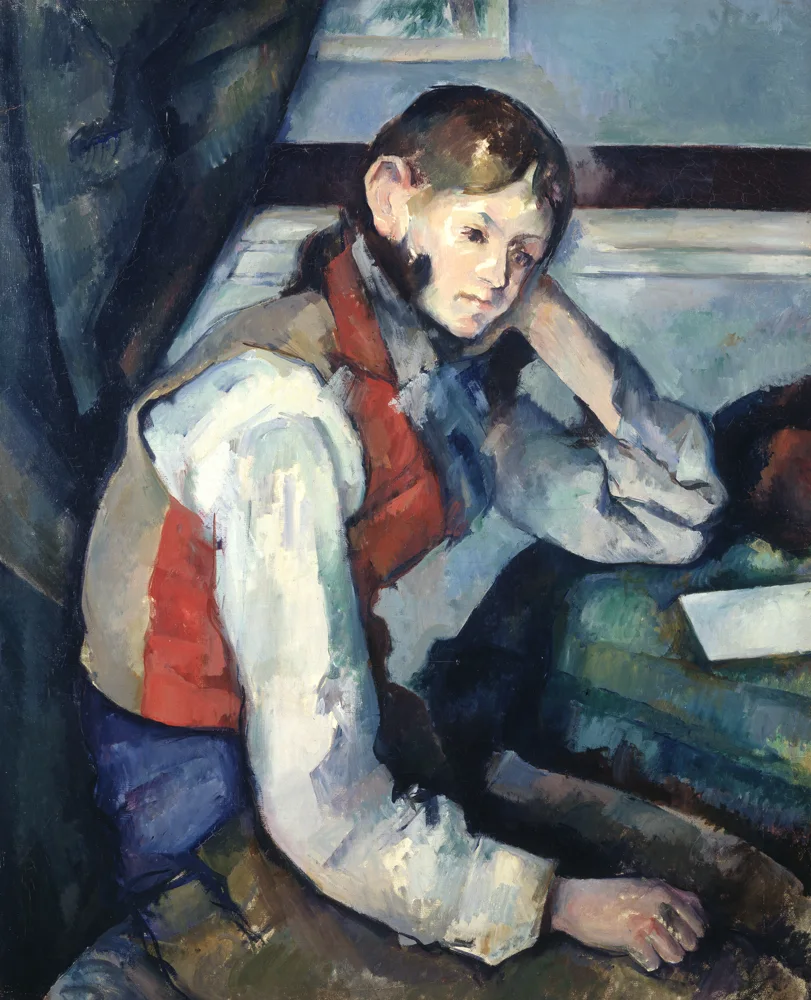 Bührle · RecoveredAdvertised rewardCHF 100,000Archive · see outcome
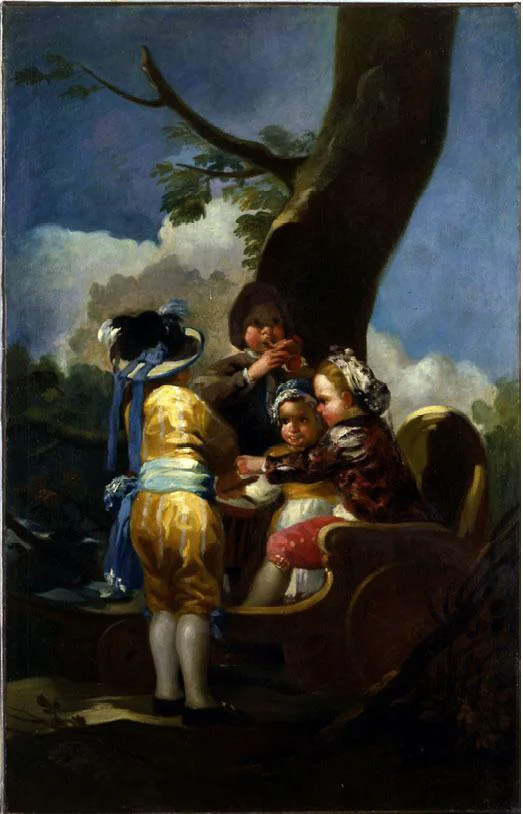 Goya · Children with a CartUp to$50,000Archive · see outcome
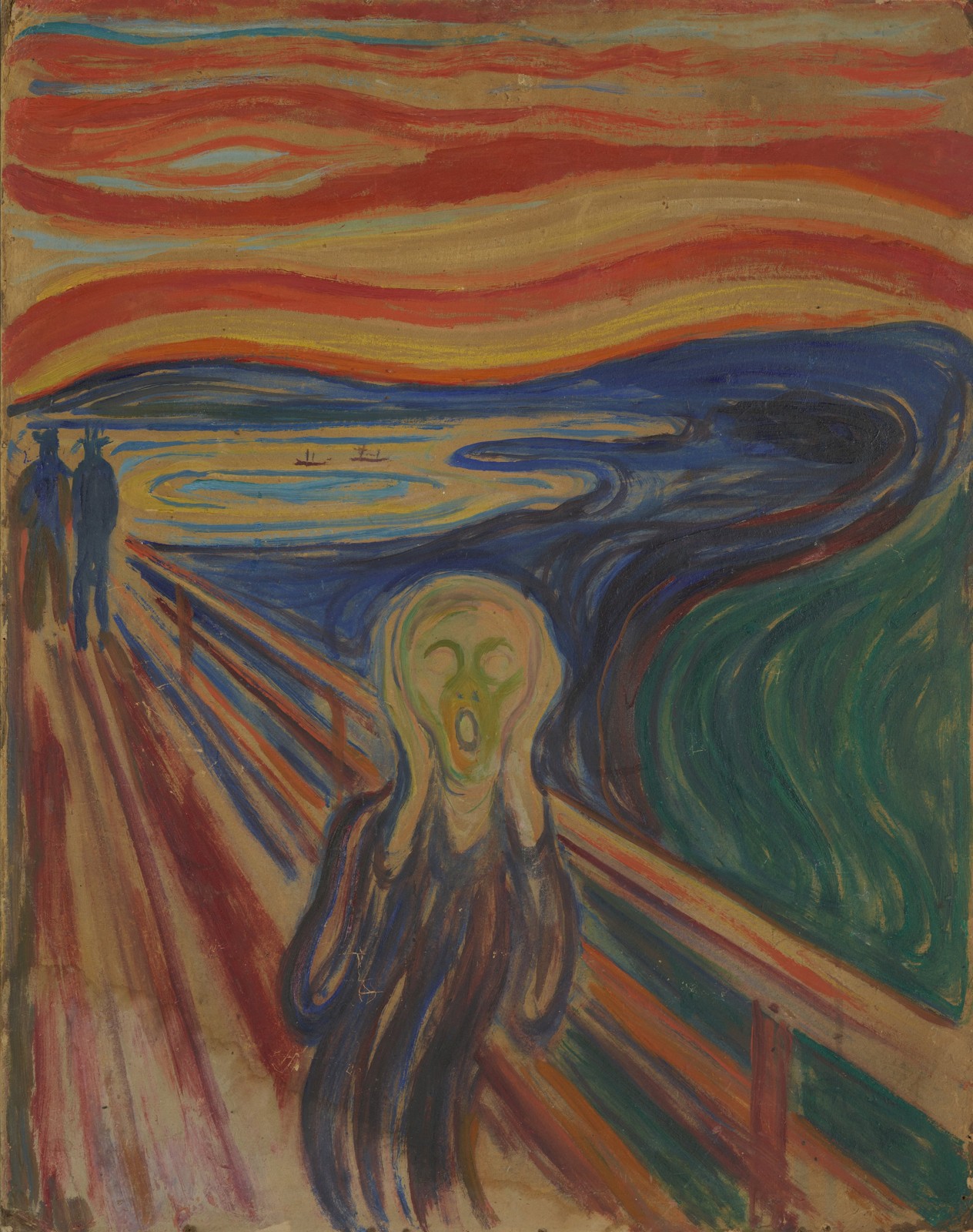 Munch · Two paintingsUp toNOK 2,000,000Archive · see outcome
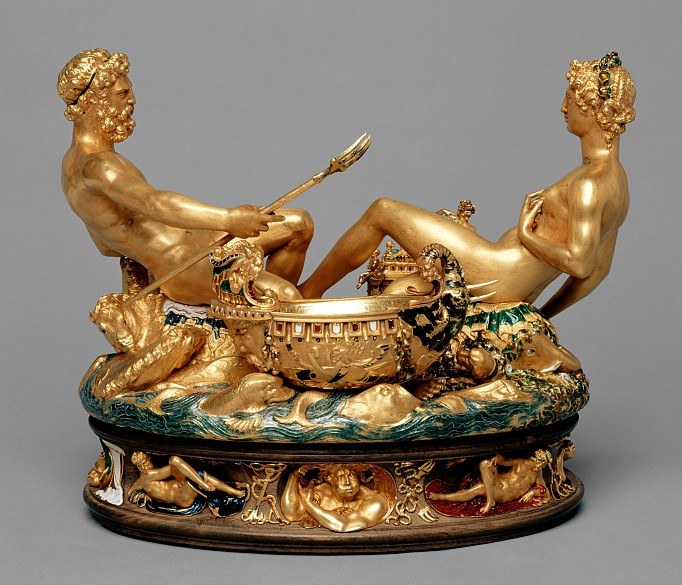 Cellini · SalieraAdvertised reward€70,000Archive · see outcome
1450–1470 of 1608 reports
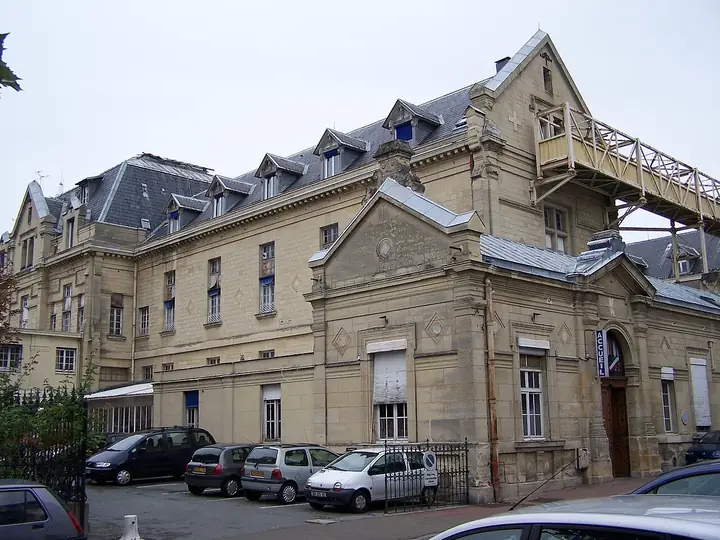
Context photograph of the historic site in Saint-Germain-en-Laye associated with the theft report; the stolen object is not pictured. · ℍenry Salomé / Wikimedia Commons · Resized for display Image source ↗ · CC BY-SA 3.0
The official French heritage inventory documents the 1986 theft of a seventeenth-century painting of Christ in the Garden of Olives from the hospital in Saint-Germain-en-Laye. Its current dossier continues to record the loss.
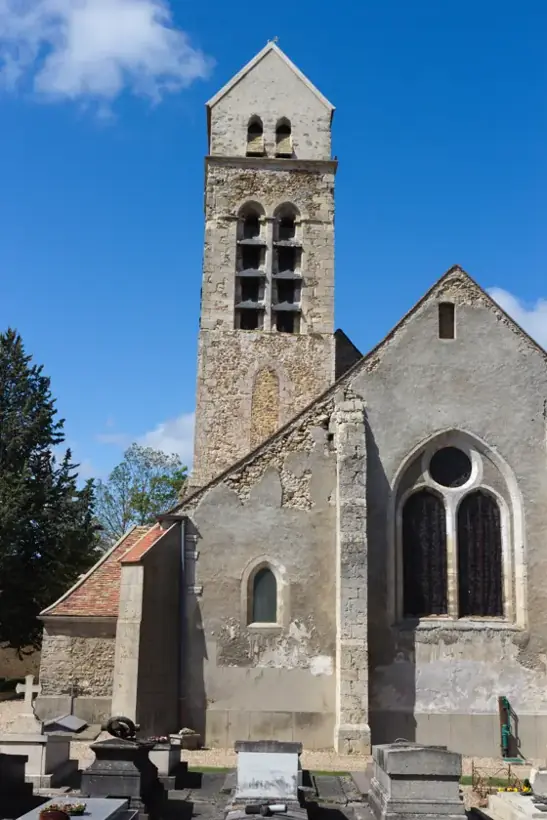
Église in Fontenay-le-Vicomte, France. Site photograph. · Poudou99 Image source ↗ · CC BY 3.0
The sculpture of Mary and the Child with an angel had been stolen in 1974. The heritage register records this recovery in the entry for église (PM91000223).
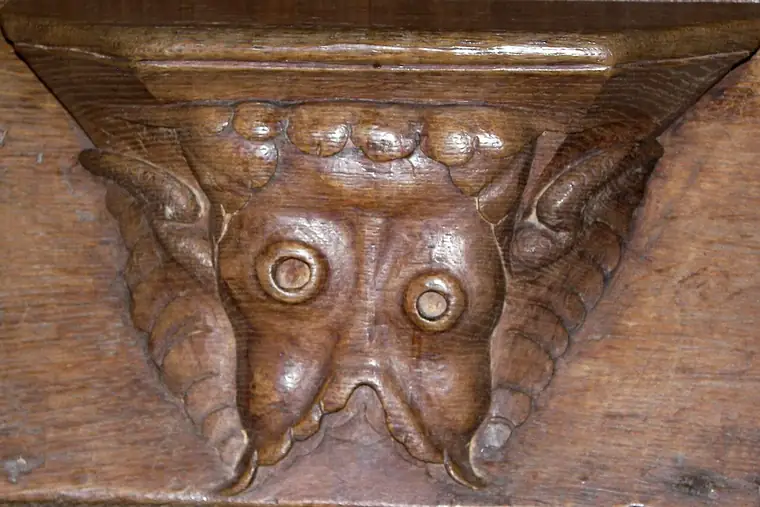
Jacques CHAZARD / Wikimedia Commons · Resized for display Image source ↗ · CC BY-SA 4.0
Three Renaissance panels were stolen from the church in Pont-Sainte-Marie during the night of 10–11 December 1985. The sixteenth-century paintings depict the Marriage of the Virgin, the Virgin’s funeral procession and Isaiah. Palissy records their recovery in Belgium on 24 December 1985.
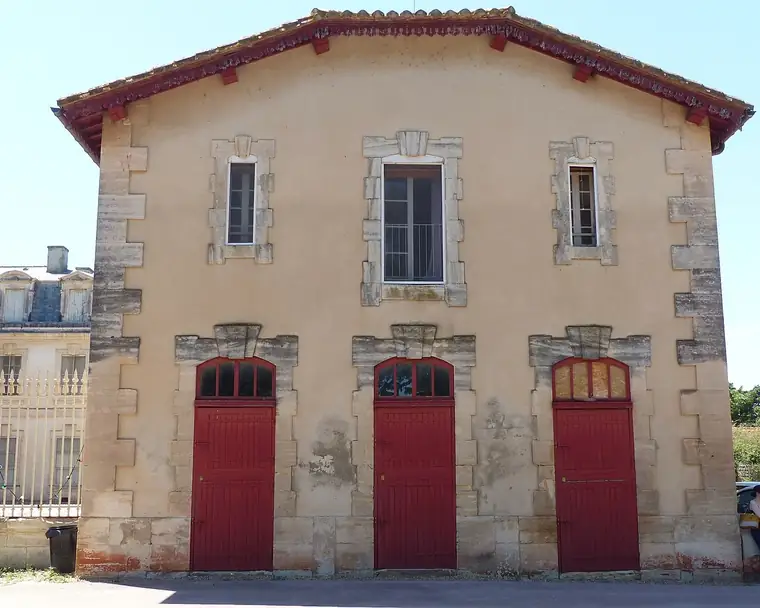
Finoskov / Wikimedia Commons · Resized for display Image source ↗ · CC BY-SA 4.0
France’s protected-object registry records the theft of a mirror with a carved gilded frame from the château in Saint-Gilles in 1985. The Rococo-style decorative furnishing in the château’s billiard room remains marked as stolen in the current Palissy notice.
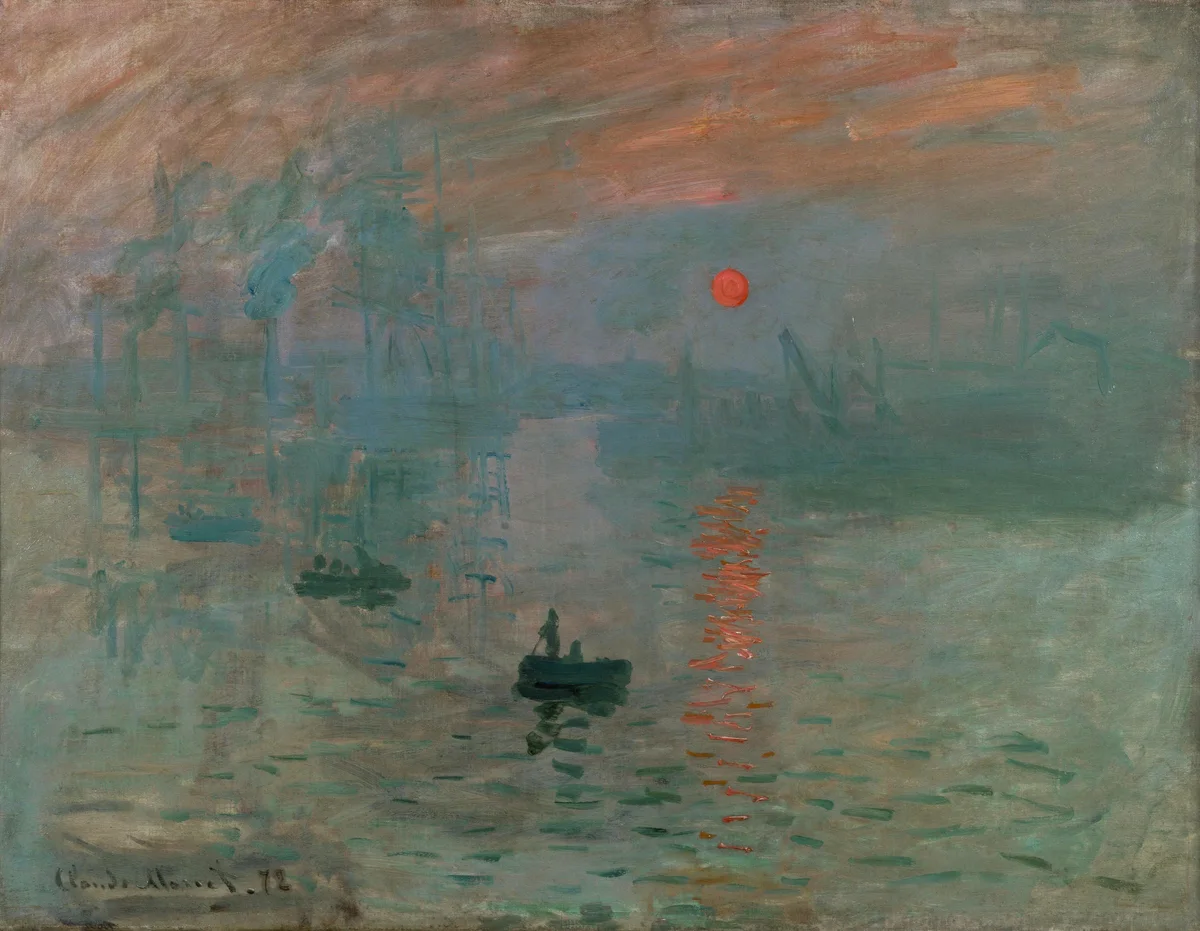
Claude Monet, Impression, Sunrise, Musée Marmottan Monet. Public domain. Image source ↗
Monet’s Impression, Sunrise was among nine works stolen from the Musée Marmottan in 1985. The works were recovered in 1990.
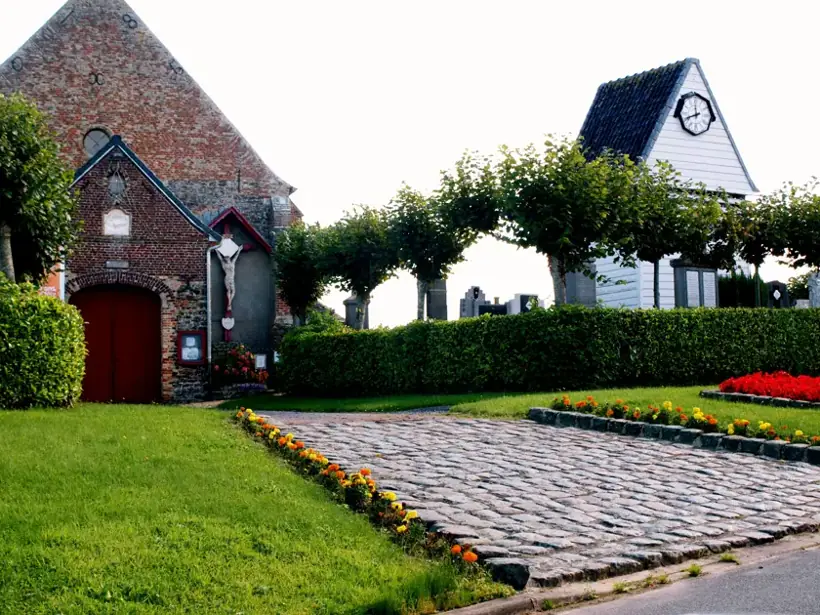
Église Saint-Martin in Hardifort, France. Site photograph. · Oserge Image source ↗ · CC BY-SA 3.0
The Saint-Martin entry identifies the object tentatively as a sacristy fountain. The heritage register documents this theft in the entry for église Saint-Martin (PM59000625). The cited entry gives no subsequent recovery.
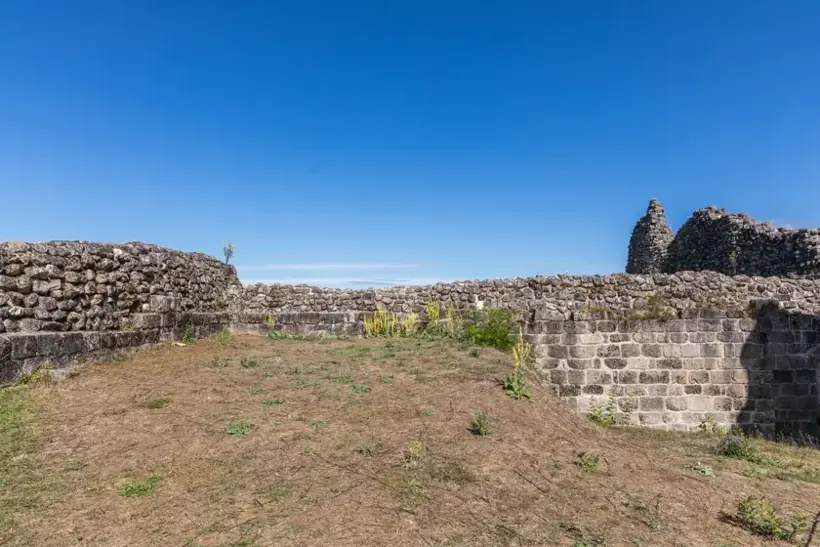
Château fort de Ventadour in Moustier-Ventadour, France. Site photograph. · Raimond Spekking Image source ↗ · CC BY-SA 4.0
The recovered stone was placed temporarily at Château Bécharie in Uzerche on 24 October. The heritage register documents the return in the entry for château fort de Ventadour (PM19000280).
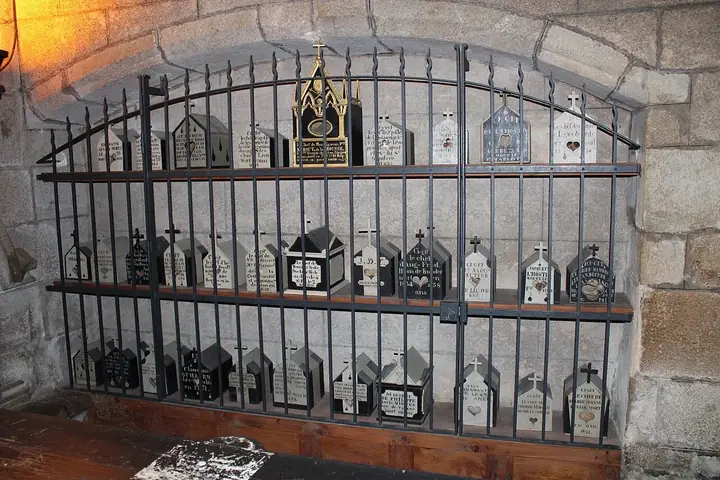
Surviving skull-reliquary boxes in Saint-Pol-de-Léon Cathedral, illustrating the historic ensemble from which a box was stolen in June 1985; the missing box is not identified in this photograph. · René Hourdry / Wikimedia Commons · Resized for display Image source ↗ · CC BY-SA 4.0
A wooden skull-reliquary box was stolen from Saint-Pol-de-Léon’s former cathedral in June 1985. The Palissy inventory explicitly dates the box theft to that month and separately records a skull stolen in 1984. The protected ensemble comprises chapel-shaped boxes with crosses and openings through which their contents could be seen; it remains partly recorded as stolen.
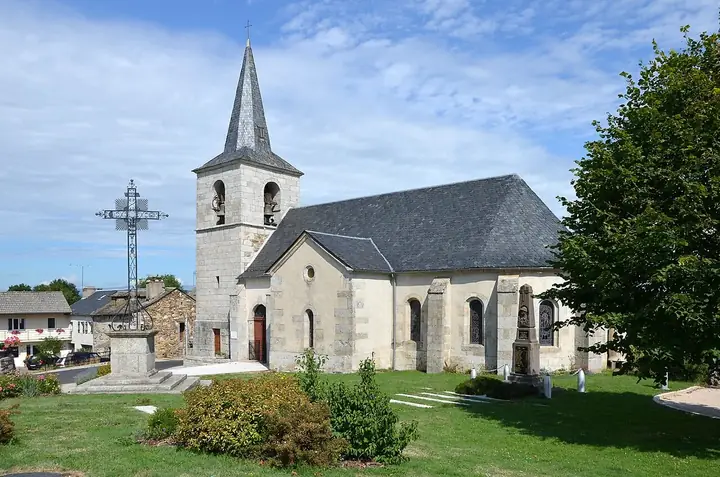
Context photograph of the church in Fridefont; the stolen artwork is not shown · Pline / Wikimedia Commons; resized · Resized for display Image source ↗ · CC BY-SA 3.0
A fifteenth-century painted wooden group of Saint Michael defeating the dragon was stolen on 14 April 1985 from a side chapel. It had come from the former church of Mallet; the national heritage record continues to flag it as stolen.
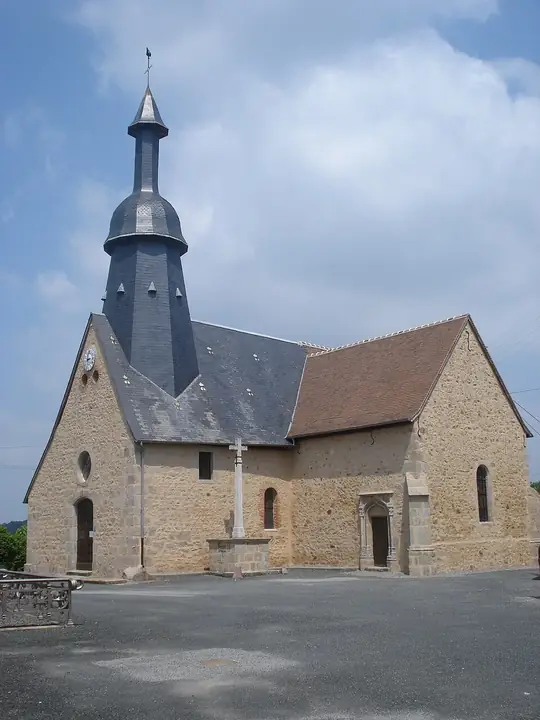
Context photograph: Saint-Germain church in Saint-Germain-Beaupré, the owning parish before the chalice and paten were lent to La Souterraine; the theft occurred in La Souterraine. · Havang(nl) / Wikimedia Commons · Resized for display Image source ↗ · CC0 1.0
A seventeenth-century chalice and paten belonging to the church at Saint-Germain-Beaupré were stolen in April 1985 from the sacristy of La Souterraine’s church. The silverwork had been exhibited in that church’s crypt in summer 1982 and then left in its sacristy. The national inventory documents the theft location separately from the owning parish. The inventory tentatively identifies the silversmith’s mark as that of Claude II Payen.
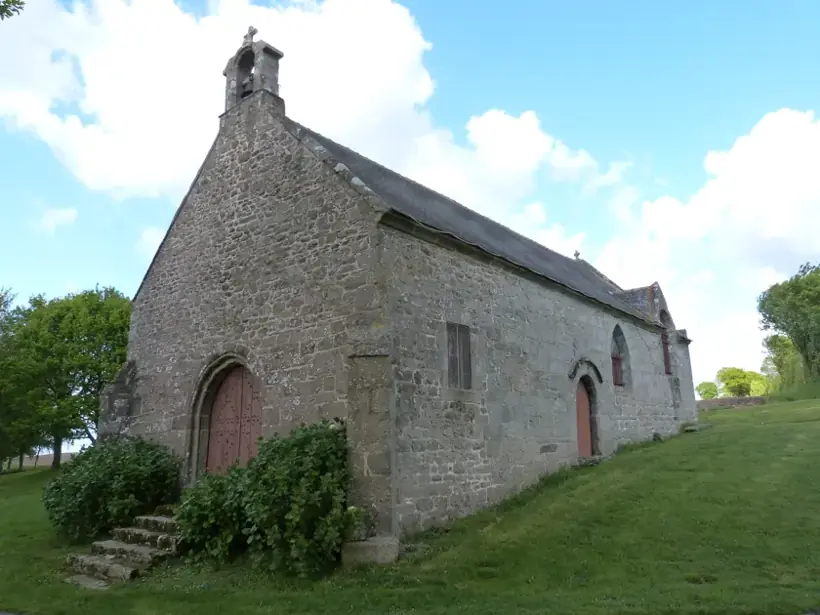
Chapelle Notre-Dame-du-Haut in Trédaniel, France. Site photograph. · Thérèse Gaigé Image source ↗ · CC BY-SA 4.0
A local resident spotted the missing sculptures at a flea market in 1998. The heritage register records this recovery in the entry for chapelle Notre-Dame-du-Haut (PM22001299).
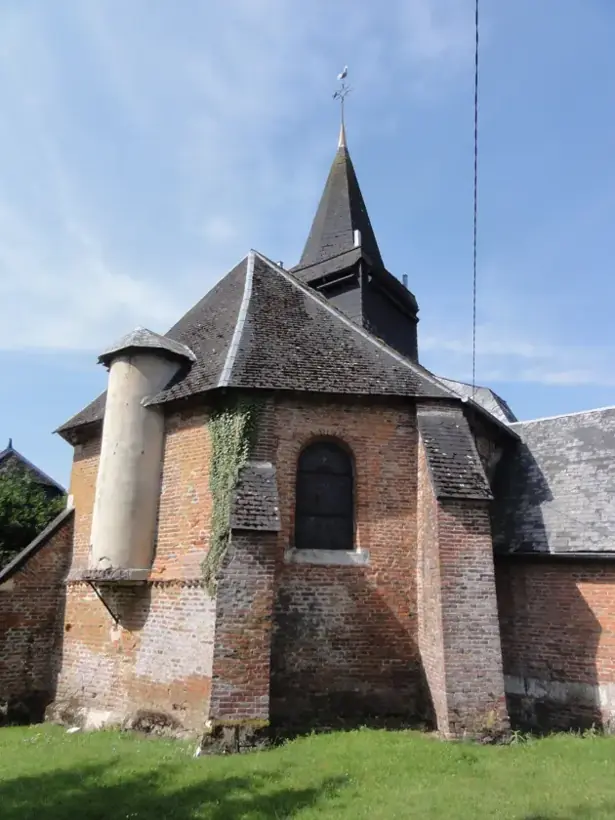
Église in Les Autels, France. Site photograph. · Havang(nl) Image source ↗ · CC0
The figure was taken during the night of 26–27 May 1974. The heritage register records this recovery in the entry for église (PM02000058).
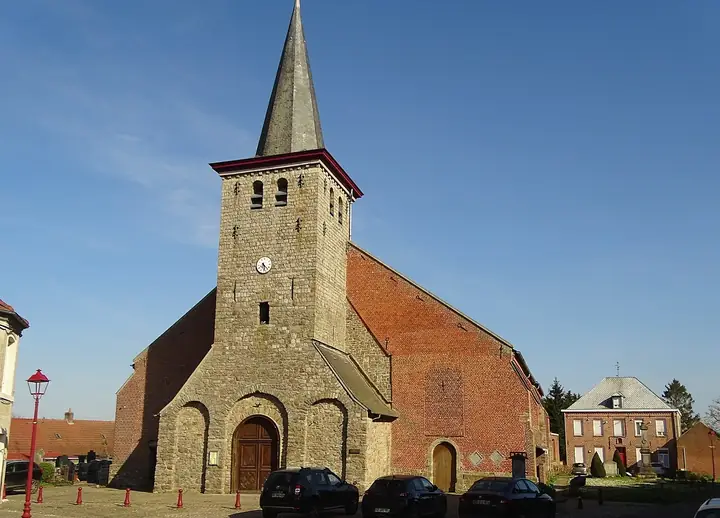
Context photograph of the historic site in Nomain associated with the theft report; the stolen object is not pictured. · Jérémy-Günther-Heinz Jähnick / Wikimedia Commons · Resized for display Image source ↗ · CC BY-SA 3.0
The official French heritage inventory documents the 1984 theft of two seventeenth-century paintings of Saint Gregory and Saint Augustine from the parish church in Nomain. Its current dossier continues to record the loss.
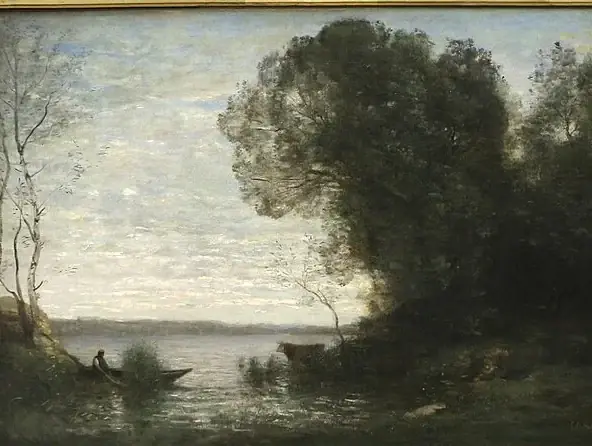
Une soirée. Batelier amarré à la rive by Jean-Baptiste-Camille Corot, Louvre inventory RF 1779 · Photograph by Sailko via Wikimedia Commons, cropped to artwork · Resized for display Image source ↗ · CC BY 3.0
Five paintings by Jean-Baptiste-Camille Corot on loan from the Louvre were stolen from the municipal museum of Semur-en-Auxois overnight on 17–18 October 1984. Four were located in Japan by 1987. The Louvre records the return of Une soirée. Batelier amarré à la rive in April 1989, with help from the Murauchi Museum. The sources consulted do not establish what happened to the fifth painting.
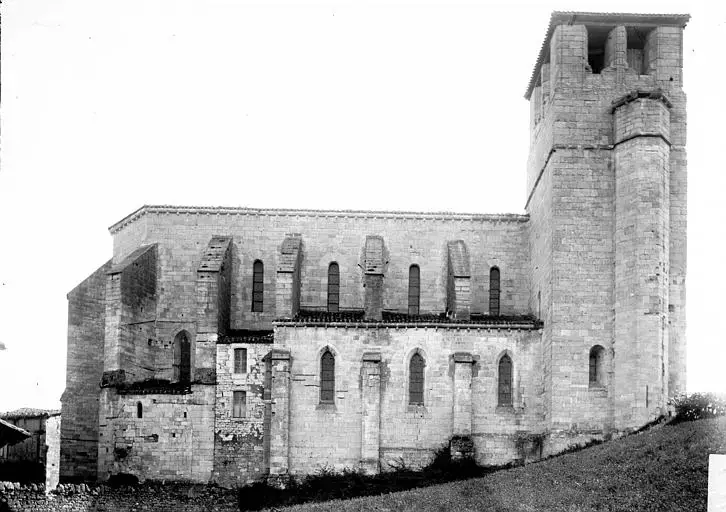
Église Saint-Martin in Montpezat-de-Quercy, France. Site photograph. · Camille Enlart Image source ↗ · CC BY-SA 4.0
The object register dates the removal of the church reliquary to 25 September. The heritage register documents this theft in the entry for église Saint-Martin (PM82000176). The cited entry gives no subsequent recovery.
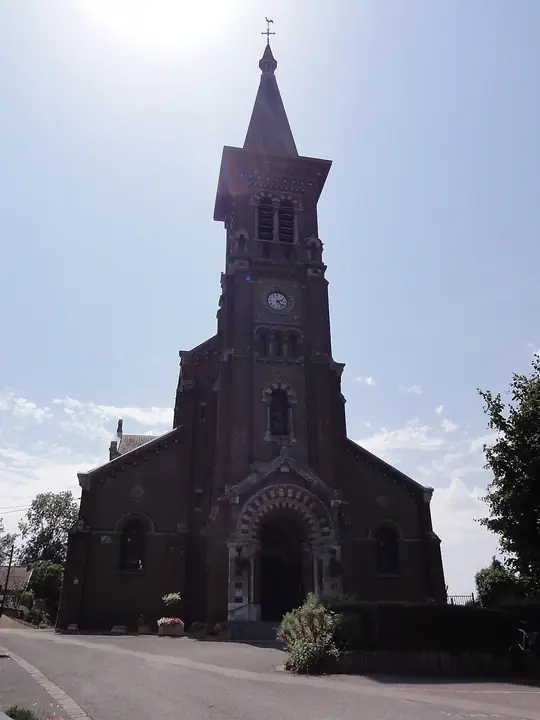
Context photograph of the church in Préseau; the stolen artwork is not shown · Havang(nl) / Wikimedia Commons; resized · Resized for display Image source ↗ · CC0 1.0
A seventeenth-century carved, painted and gilded wooden Saint Aldegund was stolen on 25 August 1984 from Sainte-Aldegonde church. The Ministry of Culture’s record continues to flag the municipal sculpture as stolen.
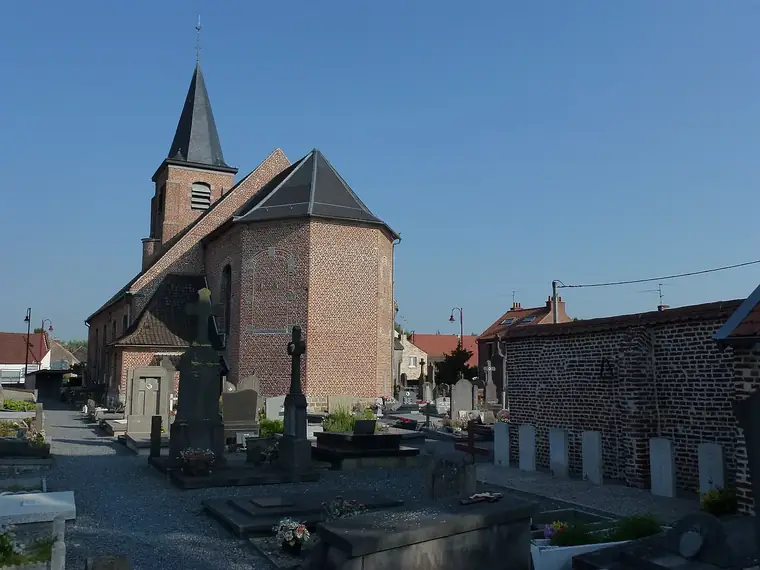
Havang(nl) / Wikimedia Commons · Resized for display Image source ↗ · CC BY-SA 4.0
France’s protected-object registry records the theft of the Virgin and Child known as Notre-Dame de Saméon from the parish church in Saméon in 1984. The German Rococo-style wooden sculpture decorated with paint, gold and silver remains marked as stolen in the current Palissy notice.
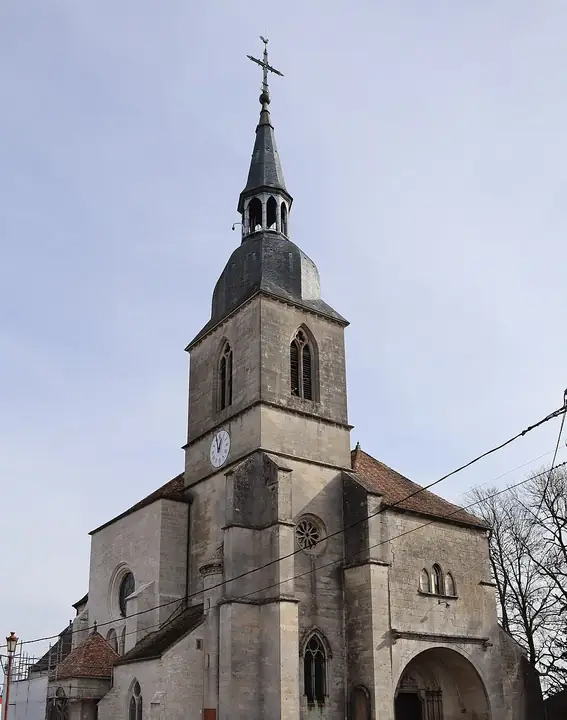
Context photograph of the historic site in Neufchâteau associated with the theft report; the stolen object is not pictured. · GO69 / Wikimedia Commons · Resized for display Image source ↗ · CC BY-SA 4.0
The official French heritage inventory documents the 1984 theft of two early-eighteenth-century statues of martyr soldiers from the parish church in Neufchâteau. Its current dossier continues to record the loss.

Emmenngee / Wikimedia Commons · Resized for display Image source ↗ · CC BY-SA 4.0
Four heads were cut and stolen from a sixteenth-century gilded high relief in Coussac-Bonneval’s Saint-Saturnin church on 7 July 1984. The scene is interpreted in Palissy as the doge of Venice paying homage to Pope Julius II. The relief survives, but the current notice still identifies the four heads as stolen.
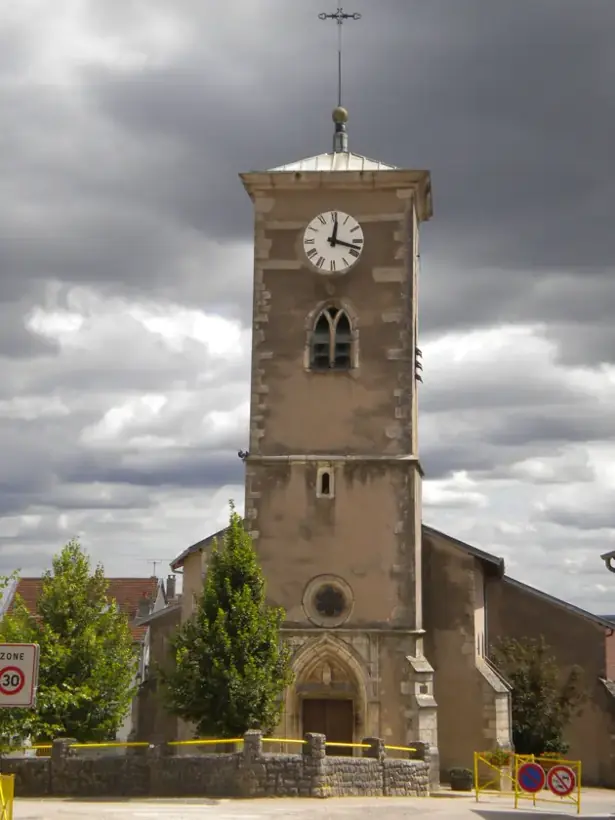
Église de la Nativité-de-la-Vierge in Bulligny, France. Site photograph. · Cjulien21 Image source ↗ · CC BY-SA 3.0
The protected-object record dates the theft to 20 April. The heritage register documents this theft in the entry for église de la Nativité-de-la-Vierge (PM54000124). The cited entry gives no subsequent recovery.
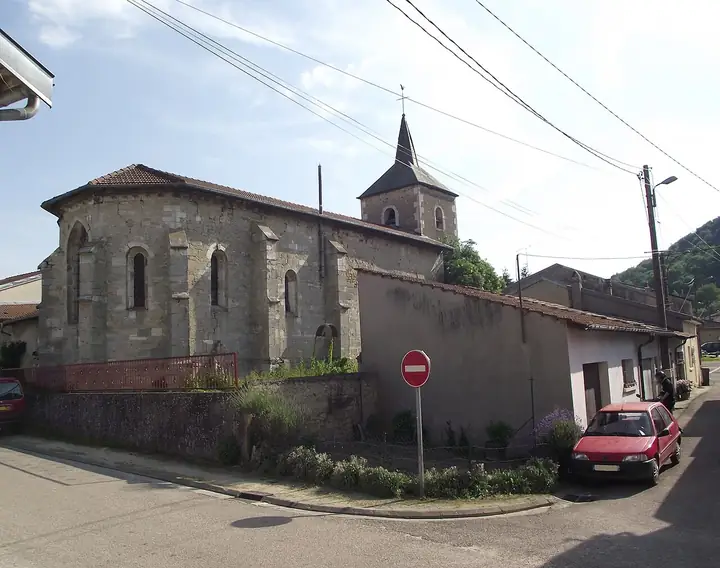
Context photograph of the historic site in Choloy-Ménillot associated with the theft report; the stolen object is not pictured. · Adidelot / Wikimedia Commons · Resized for display Image source ↗ · CC BY-SA 3.0
The official French heritage inventory documents the 1984 theft of a late-fifteenth- or early-sixteenth-century Saint Barbara statue from the parish church in Choloy-Ménillot. Its current dossier continues to record the loss.
The week’s key developments in art theft, forgery, recovery, restitution and the courts. Every Monday.
Subscribe →