The missing Magritte hidden beneath four other Magrittes
An X-ray turned a vanished composition into a puzzle spread across four museum collections.
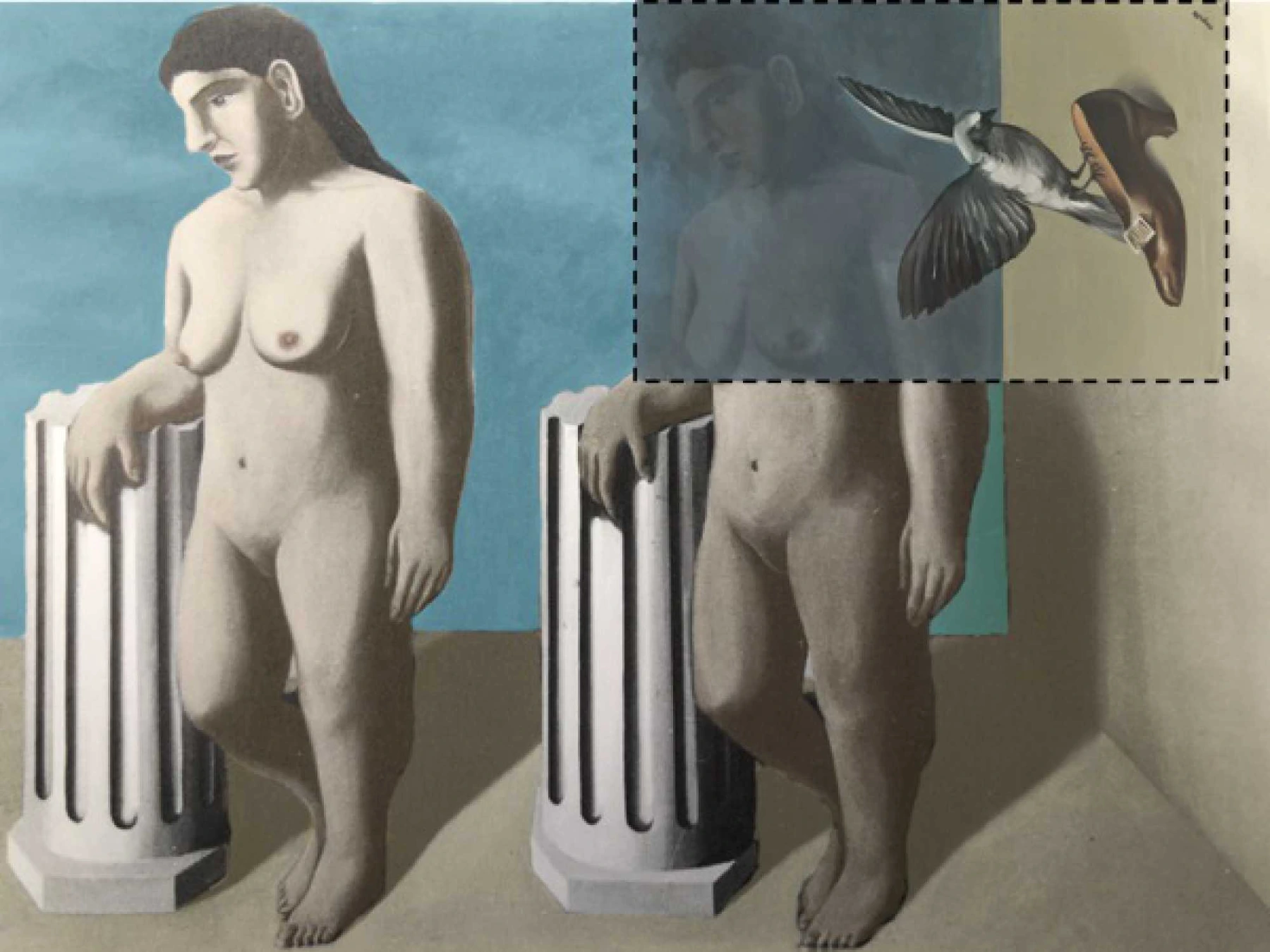
The clue was on the edge
Conservators studying Le Portrait at MoMA noticed paint continuing around the canvas edges, unusual for Magritte. Ultraviolet examination raised further questions; an X-ray disclosed a female figure beneath the visible still life. Comparison with a photograph of La pose enchantée, painted in 1927 and subsequently lost from view, identified a quarter of the missing composition. [1]
Four museums, one dismantled image
Another section was identified beneath Le Modèle rouge in Stockholm. La Condition humaine in Norwich yielded a third in 2016. In November 2017, researchers announced the final quarter beneath Dieu n’est pas un saint in Brussels. The earlier canvas had been divided and reused for four later paintings: the fragments were dispersed, yet remained within Magritte’s own work. [2][3]
Solved without stripping the paintings
Scientific imaging reunited the composition virtually, rather than by uncovering and joining the physical fragments. The later works remain distinct paintings. The evidence explains where the earlier image went; it does not settle every question about why Magritte sacrificed it. MoMA’s later account confirms all four sections were identified—a solved identification puzzle, not an outstanding theft. [3][4]
Four quarters identified; composition virtually reconstructed
The four quarters are identified beneath later works. The earlier painting has been reconstructed virtually, not recovered as an intact canvas.
Artwork Details & DocumentationIdentification, ownership history and supporting records
Individual artwork identification details have not yet been documented in this record. Missing specifications are not inferred from the photograph or report headline.
Not documented in this record: object type · materials & technique · measurements · inscriptions & markings · distinguishing features · artwork title · maker / attribution · creation date / period · subject.
Record sources
Identification details follow the Object ID categories where documented. Ownership history is recorded separately; this documentation is not an authentication or a certificate of ownership.
Sources & documentation
- MoMA conservators: the first discovery, 2013 ↗
- Royal Museums of Fine Arts of Belgium: the fourth fragment, 2017 ↗
- University of Liège: scientific imaging and four museums, 2017 ↗
- MoMA: all four sections identified, 2024 ↗
An original ArtTraceX feature based on the cited sources, checked 9 November 2026. Legends and hypotheses are distinguished from established facts. Images are identified in their captions.
More mysteries
All stories →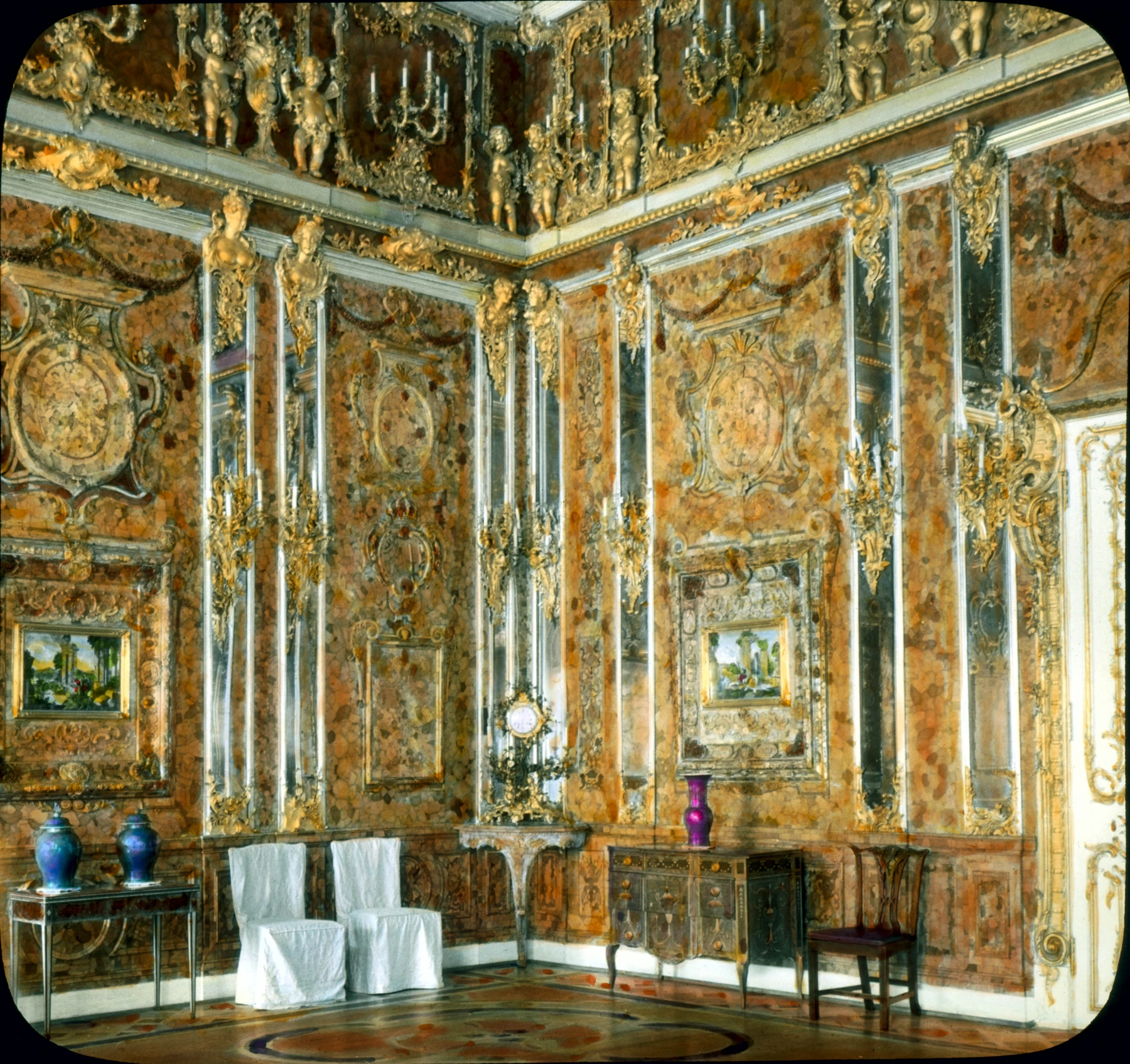
The room that vanished after it was taken apart
Original ensemble missing; some original elements returnedA palace interior disappeared in wartime. The room visitors see today is a reconstruction, not its rediscovery.
Follow the clues ↗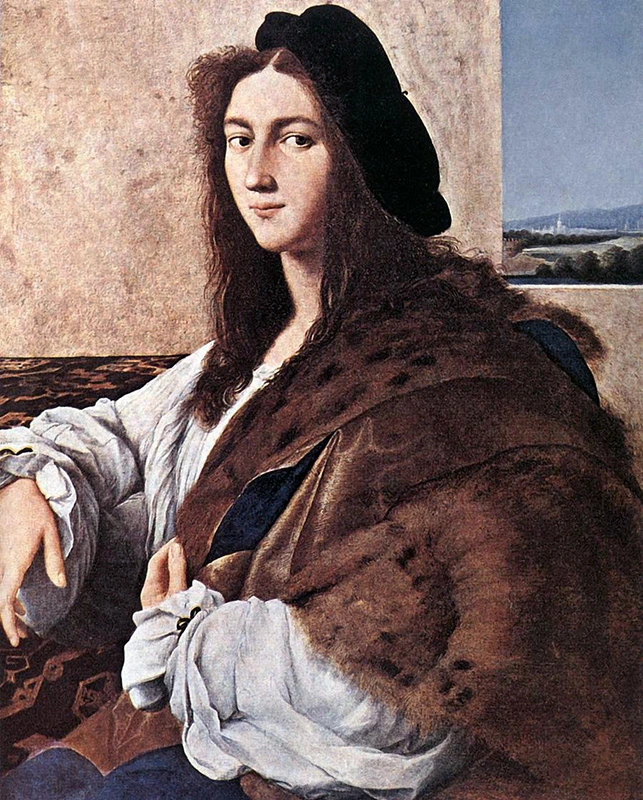
The portrait whose wartime trail ends in silence
Missing since 1945; survival unconfirmedRaphael’s young sitter survives in photographs and copies. The original has not been verifiably recovered.
Follow the clues ↗
Three heads rose from the canal. None was Modigliani’s.
Solved hoax; the three heads are not authentic Modigliani worksLivorno went looking for a legend and briefly found the masterpieces it expected to see.
Follow the clues ↗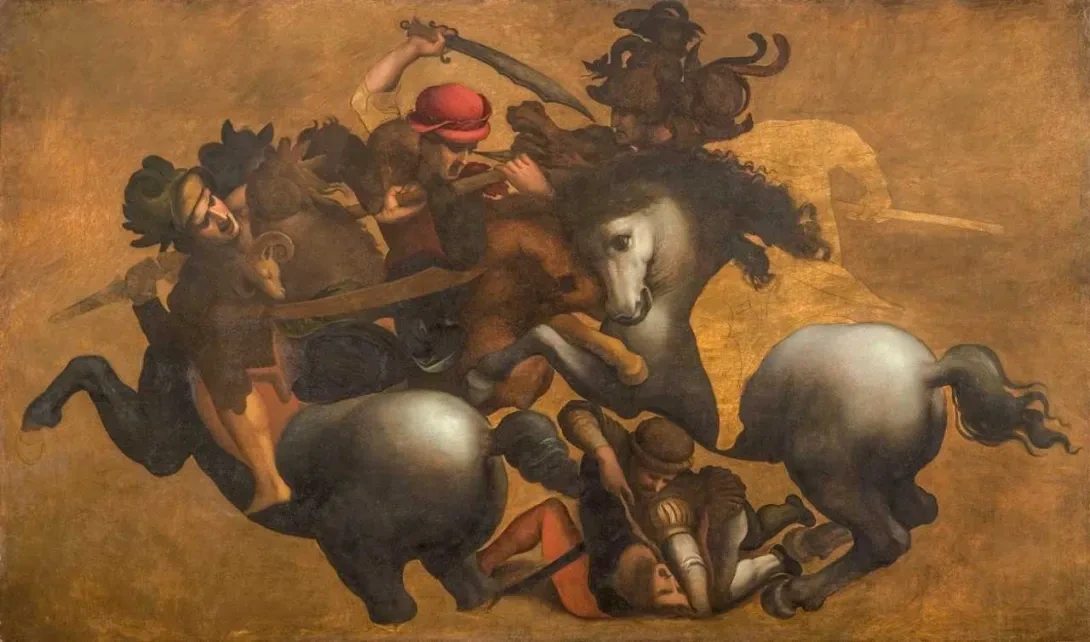
The lost Leonardo that may never have reached the wall
Execution disputed; no surviving mural establishedThe commission is documented. Whether a painted battle once existed on the palace wall is another question.
Follow the clues ↗