Five paintings. Three convictions. One missing ending.
Paris caught the thief called “Spiderman”. Finding the paintings proved another matter entirely.
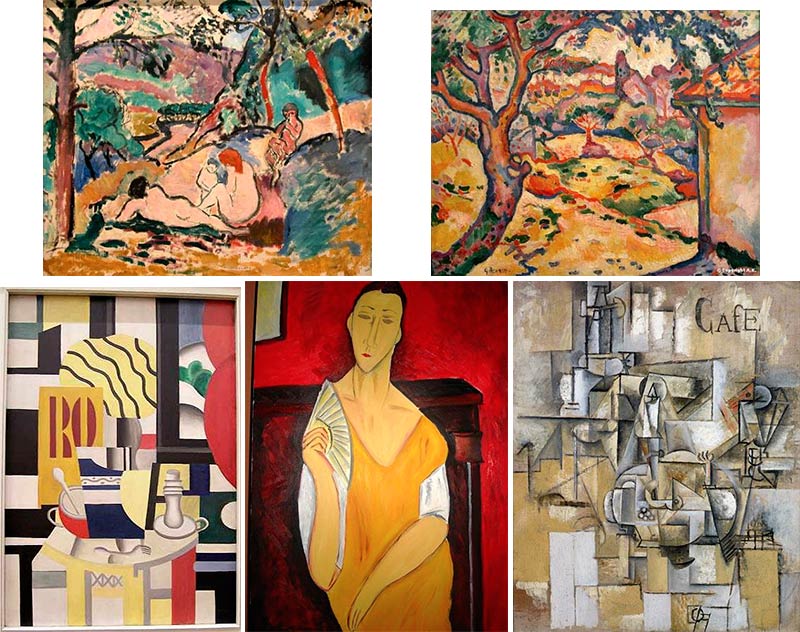
A window into modern art
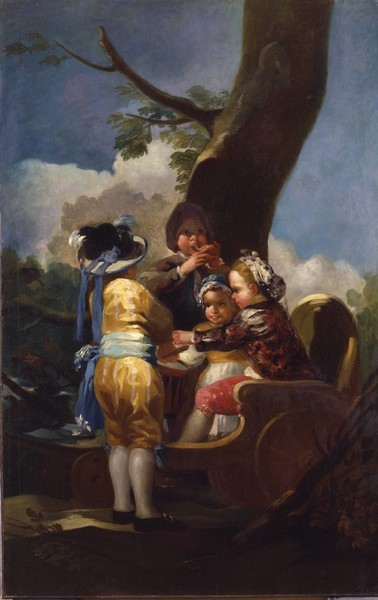
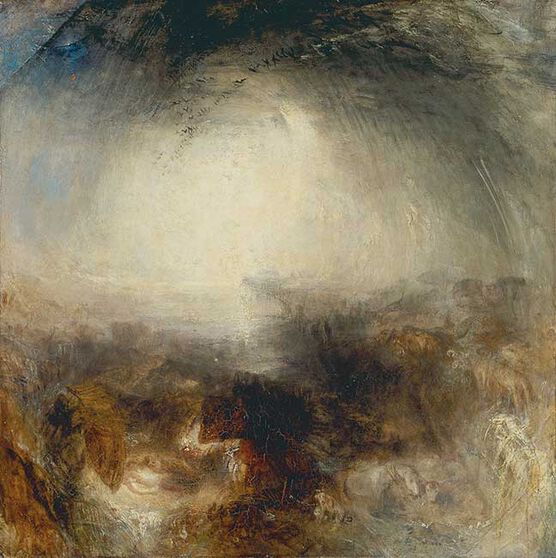
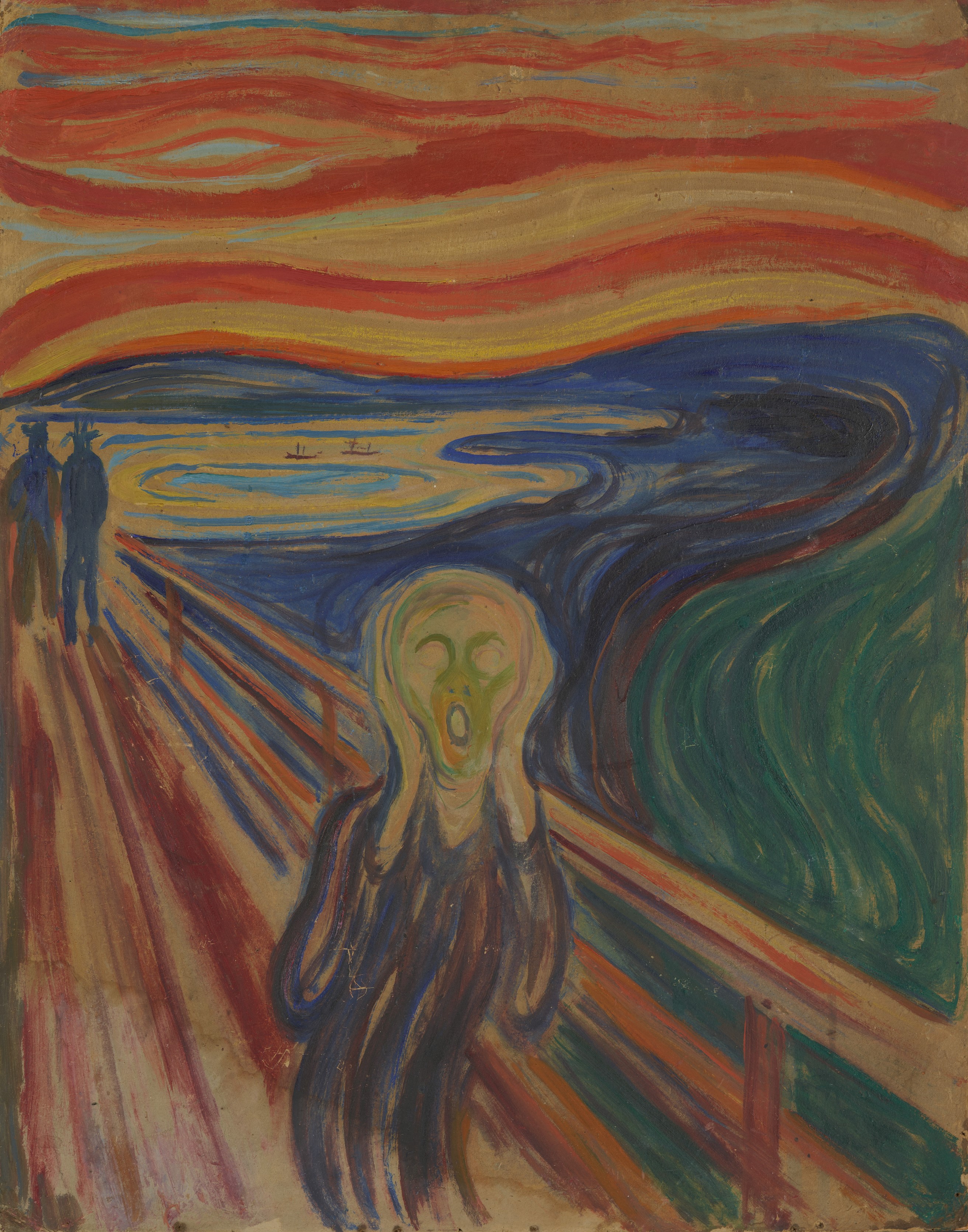
During the night of 19–20 May 2010, five paintings disappeared from the Musée d’Art Moderne de la Ville de Paris. They were by Picasso, Matisse, Braque, Modigliani and Léger. The original reports contained spectacular and shifting valuations, but the cultural loss needed no price tag: five distinct works had vanished together from a public collection. A broken window and a cut padlock were among the entry details reported by prosecutors. [1][2]
The silence was real
The security failure was not a later invention added to make the theft sound cinematic. The mayor’s account, reported by AP, said parts of the alarm system had been out of service since March. Replacement equipment had been ordered. Three guards were on duty, but the intruder was not stopped. Le Journal des Arts later examined earlier warnings about museum security. The extraordinary feature was the gap between a prominent institution and the practical protection of its collection. [1][2]
A court could name the thief
In February 2017 a Paris court convicted Vjeran Tomic, nicknamed “Spiderman”, and sentenced him to eight years in prison. Antiques dealer Jean-Michel Corvez received seven years; Yonathan Birn, who had stored the paintings, received six. AP’s judgment report therefore marks a firm procedural change: this was no longer merely a case of unidentified suspects or charges awaiting trial. There were convictions and sentences, even while the works remained absent. [3]
What the verdict did not recover
Birn told the court he had destroyed the paintings because he feared being caught. That claim supplied a possible ending, but not an independently located object or demonstrated destruction. At the time of AP’s February 2017 judgment report, the works had not been recovered. A solved criminal charge and a solved disappearance are different things. The public could read the verdicts; it could not look at recovered canvases. That gap remained the unresolved heart of the case. [3]
Convicted thieves; paintings missing at the 2017 trial
The February 2017 trial ended in prison sentences, not recovered paintings. A defendant’s claim that he destroyed them was not physical proof. This account records the position reported at that trial, not a newly verified 2026 recovery status.
Sources checked 10 November 2026.Artwork Details & DocumentationIdentification, ownership history and supporting records
Individual artwork identification details have not yet been documented in this record. Missing specifications are not inferred from the photograph or report headline.
Not documented in this record: object type · materials & technique · measurements · inscriptions & markings · distinguishing features · artwork title · maker / attribution · creation date / period · subject.
Record sources
Identification details follow the Object ID categories where documented. Ownership history is recorded separately; this documentation is not an authentication or a certificate of ownership.
Sources & further reading
- AP via MPR · Initial theft report ↗
- Le Journal des Arts · Security investigation, 2010 ↗
- AP via Boston.com · Judgment, 20 February 2017 ↗
An original narrative synthesis of the sources above. Images depict the artworks; they are not reconstructions of the thefts.