The Magritte they could not sell
Two armed men took Olympia from the artist’s former home. Its recognisability may have become its best defence.
An intimate place, a violent interruption
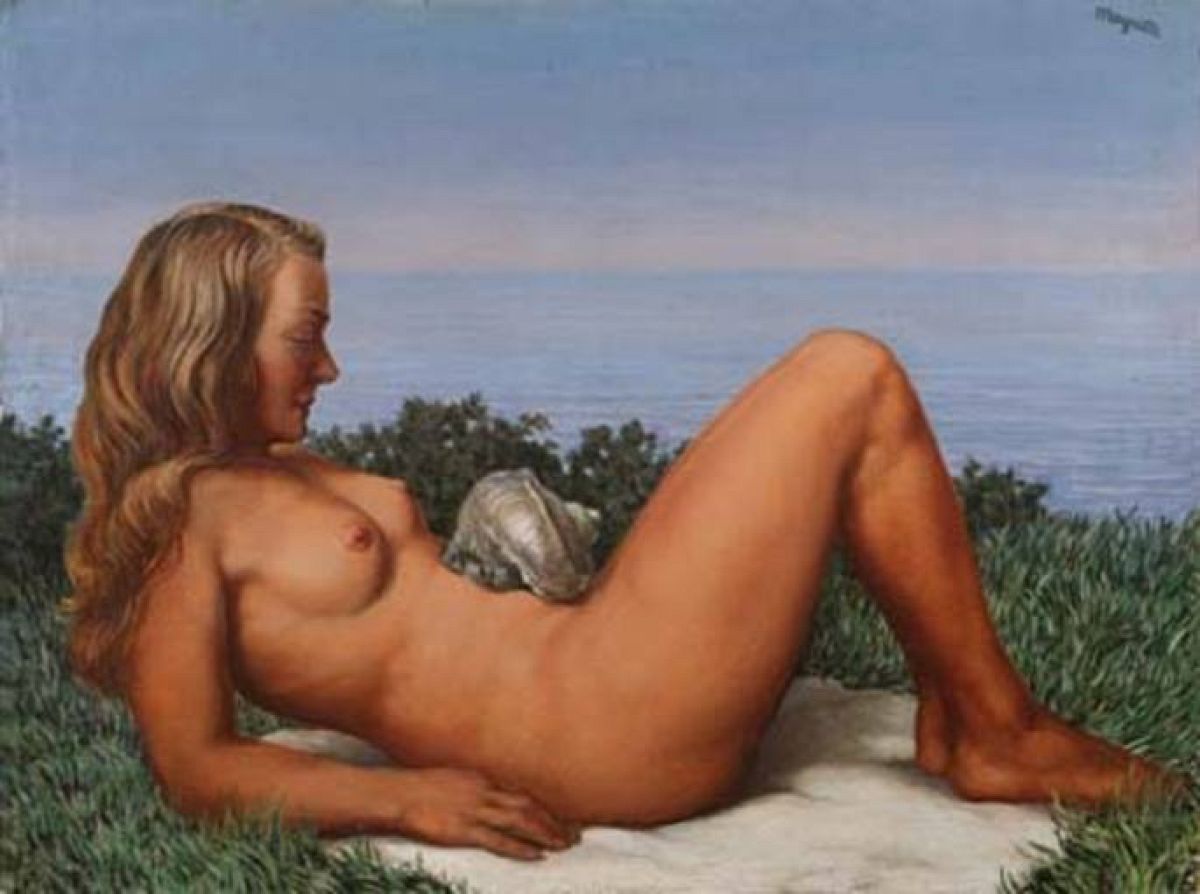
Olympia is not an anonymous picture: Magritte’s 1948 nude depicts his wife Georgette, with a large shell resting on her body. It was kept in the artist’s former house in Jette, a small museum visited by appointment. On 24 September 2009, two men took it in an armed robbery. Staff and visitors were threatened. The crime forced the violence of a hold-up into a setting associated with the painter’s domestic life. [1][2][3]
A possession without a market
More than two years later the painting reappeared through an intermediary. RTVE reported that art expert Janpiet Callens had been approached anonymously by people presenting themselves as the thieves. Their explanation was that they had failed to place the painting on the black market. AFP separately quoted curator André Garitte on the approach through an expert working with insurers. These accounts support a reported difficulty in selling the work; they do not reveal every hidden transaction during its disappearance. [1][2]
The return
In January 2012 the museum confirmed that Olympia had come back. The owner’s work was recovered, but the museum had not immediately decided whether to display it again, AFP reported. A famous signature can make an object valuable while making a discreet public sale almost impossible. In this case the returning image supplies the sharpest reversal: the thieves had managed to take the picture, yet possession had apparently brought them a problem rather than a saleable prize. [2]
An object returned, an investigation unfinished
The story should not end with an invented arrest. In September 2014, Belga reported prosecutors saying that no suspect had been identified and the judicial investigation had closed, with reopening possible if new evidence emerged. Rumours of a payment were not confirmed and are not proof of ransom. The recovered painting and the unresolved responsibility coexist. Its absence ended; a full, independently established account of who profited, if anyone, did not follow from the return. [3]
Returned; no suspect identified in 2014 account
Olympia was returned and the museum confirmed its recovery in January 2012. A September 2014 Belga report said the investigation had closed without an identified suspect and could reopen if evidence emerged.
Sources checked 10 November 2026.Artwork Details & DocumentationIdentification, ownership history and supporting records
Individual artwork identification details have not yet been documented in this record. Missing specifications are not inferred from the photograph or report headline.
Not documented in this record: object type · materials & technique · measurements · inscriptions & markings · distinguishing features · artwork title · maker / attribution · creation date / period · subject.
Record sources
Identification details follow the Object ID categories where documented. Ownership history is recorded separately; this documentation is not an authentication or a certificate of ownership.
Sources & further reading
- RTVE · Return reported, 6 January 2012 ↗
- AFP via Korea Herald · Museum confirms return ↗
- Belga via Brussels Times · Investigation status, 2014 ↗
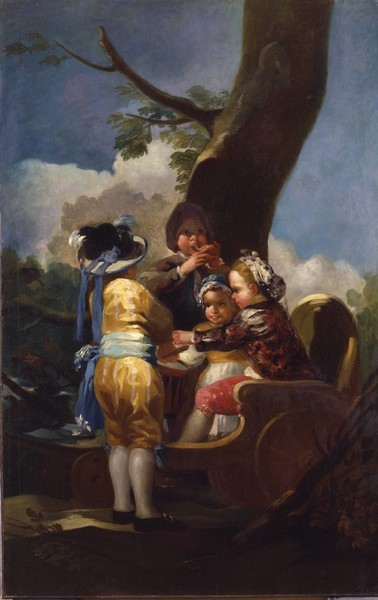
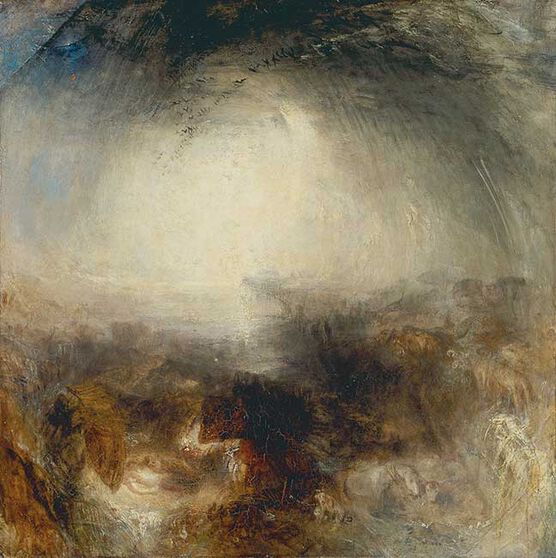
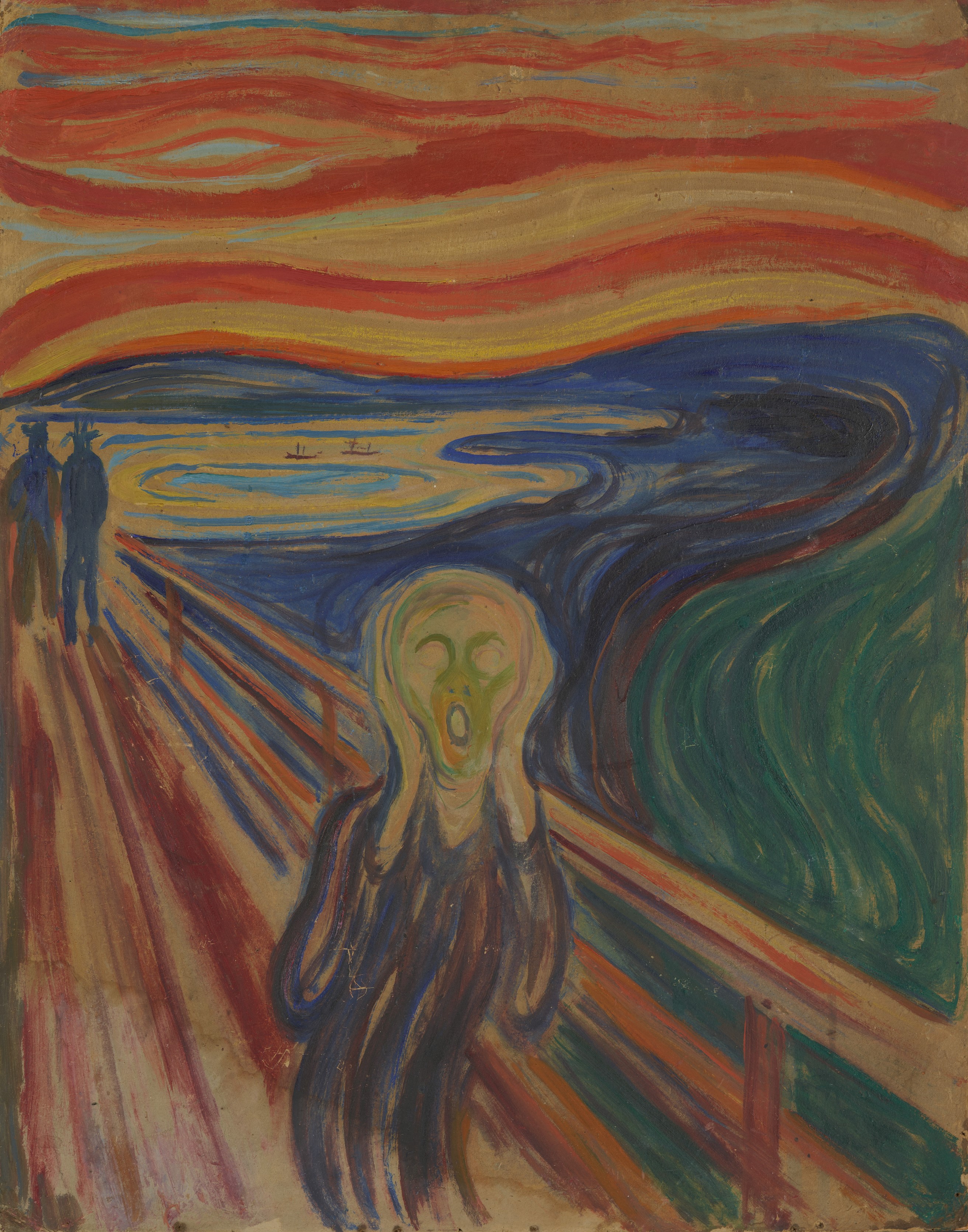
An original narrative synthesis of the sources above. Images depict the artworks; they are not reconstructions of the thefts.