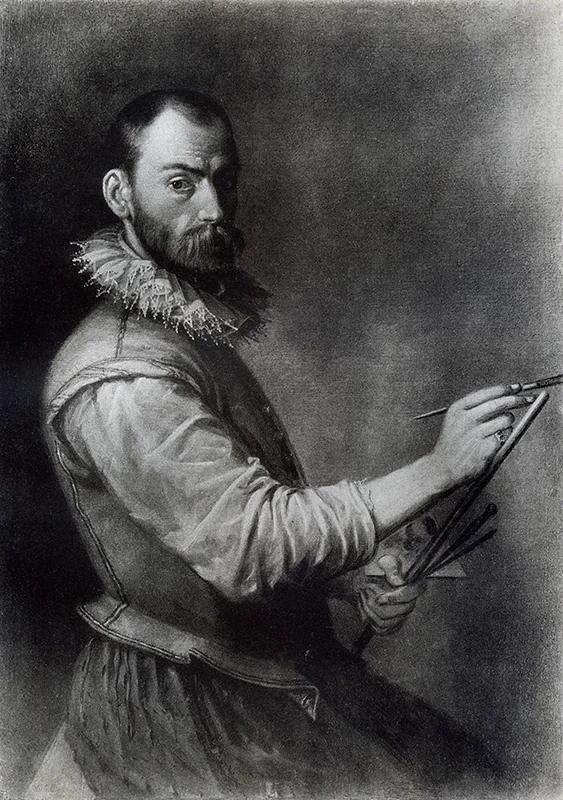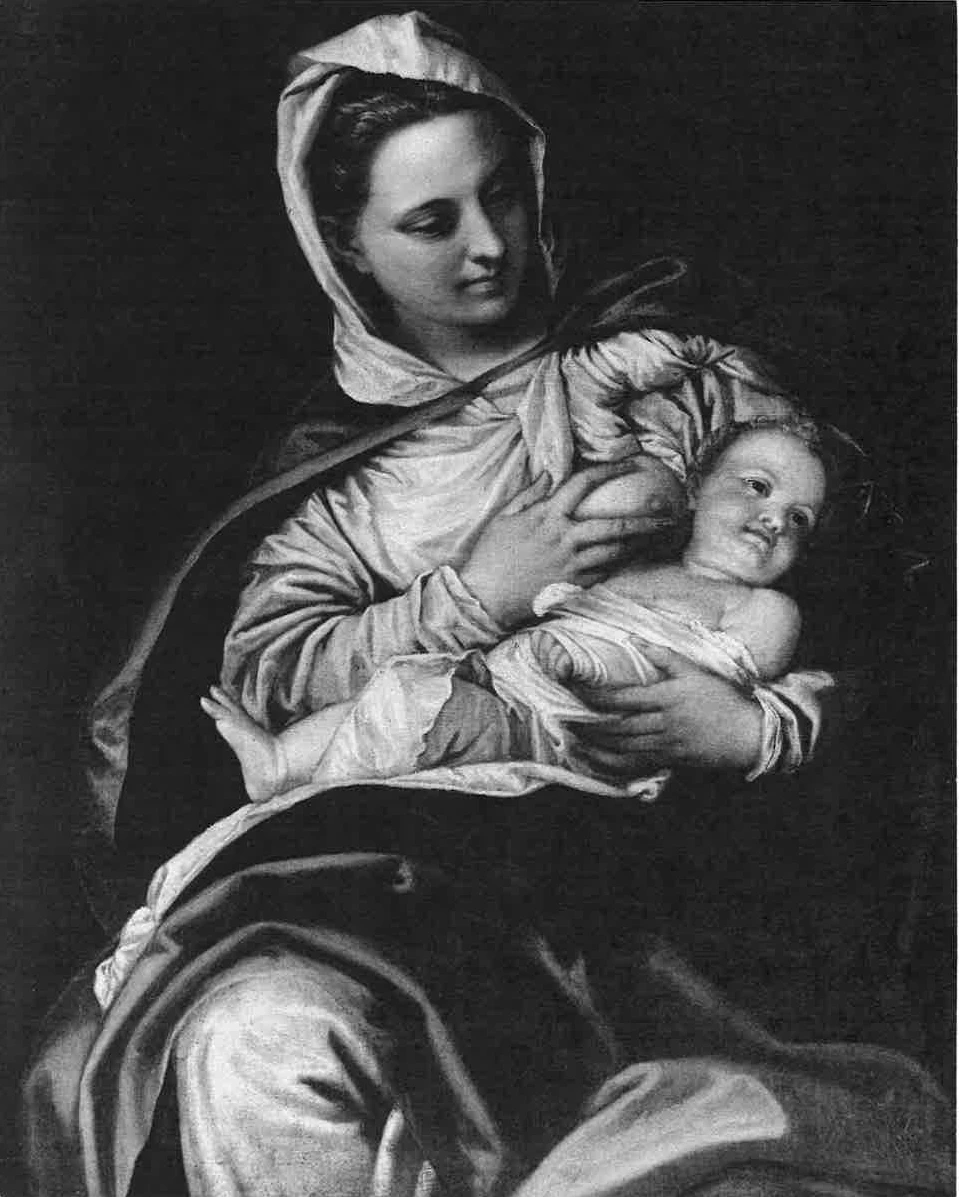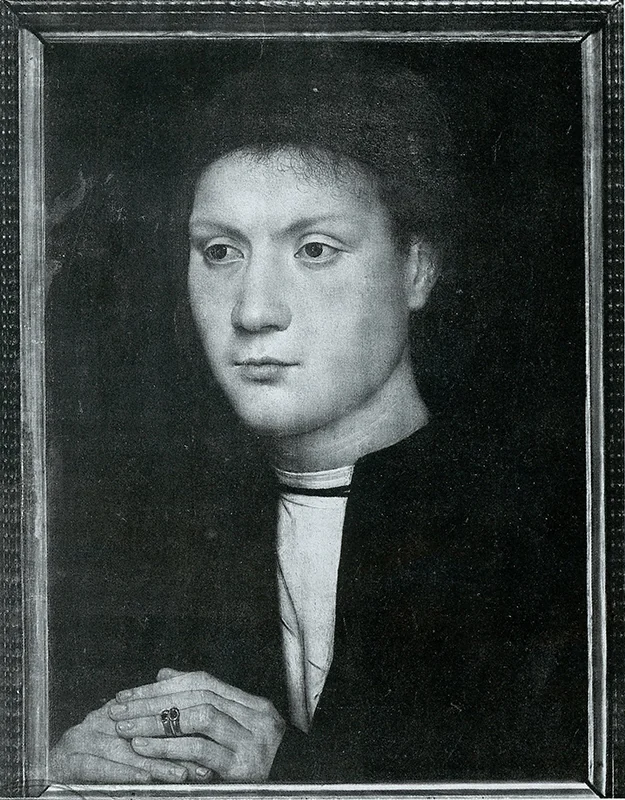
The face that never returned to the Uffizi
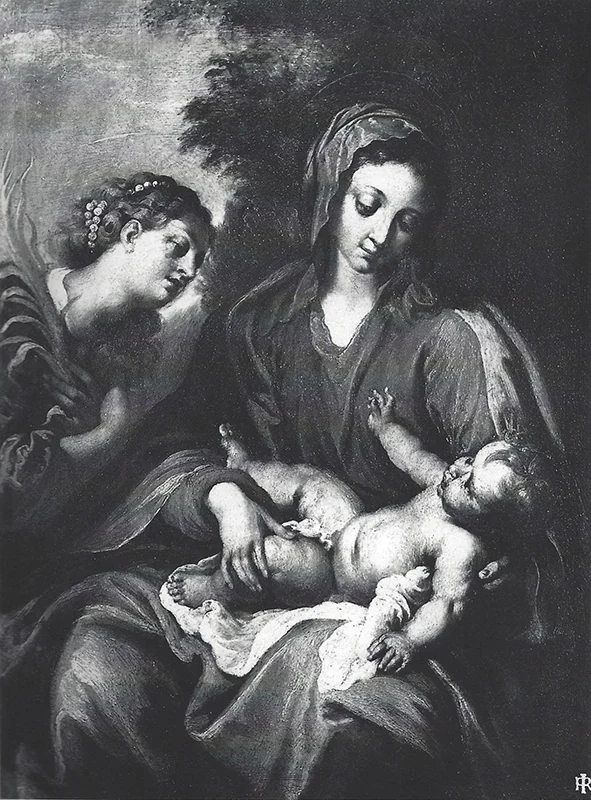
Missing since August 1944A small Flemish portrait left Florence for a Tuscan castle where museum staff hoped it would be safe. Its trail ends with a German raid in August 1944.
Read the case ↗The artworks, families and collections affected by Nazi persecution and wartime looting, and the records that keep the search open.
These dossiers distinguish works whose trail has gone cold from those that resurfaced on the market without a documented restitution. Several artworks may belong to the same family case.

A small Flemish portrait left Florence for a Tuscan castle where museum staff hoped it would be safe. Its trail ends with a German raid in August 1944.
Read the case ↗
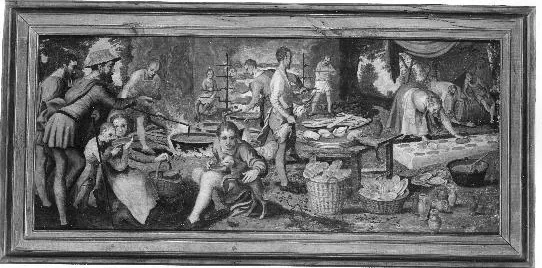
Pieter Aertsen’s kitchen scene survived wartime looting and Allied recovery. Its documented trail ends at a Rotterdam auction.
Read the case ↗
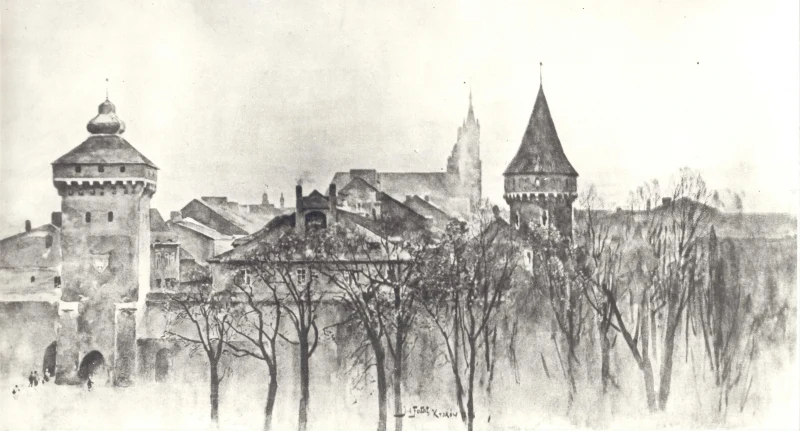
A panoramic watercolour of the city’s defences was seized and moved to the German district headquarters. Its trail ends during the occupation.
Read the case ↗
Bombs hit the Zamoyski estate and occupying forces removed parts of its collections. The damage and the seizures left different possible explanations for the painting’s loss.
Read the case ↗
A large Italian scene was exhibited at Galerie Stern in 1935. Two years later it appeared as lot 3 in the forced liquidation of the gallery’s stock.
Read the case ↗
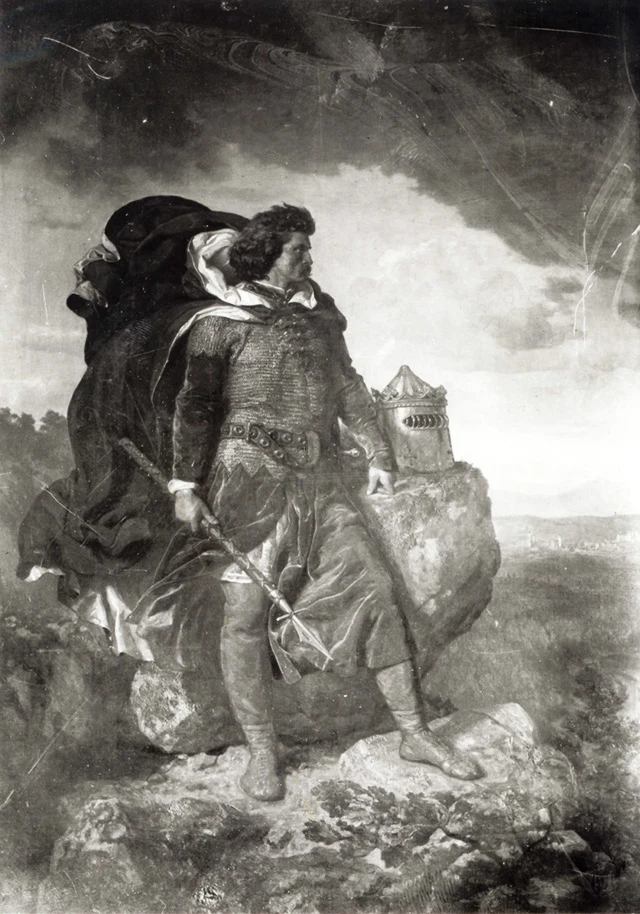
Wojciech Gerson painted a legend about a king eluding pursuit. The large canvas went missing from the artist’s family during the occupation.
Read the case ↗
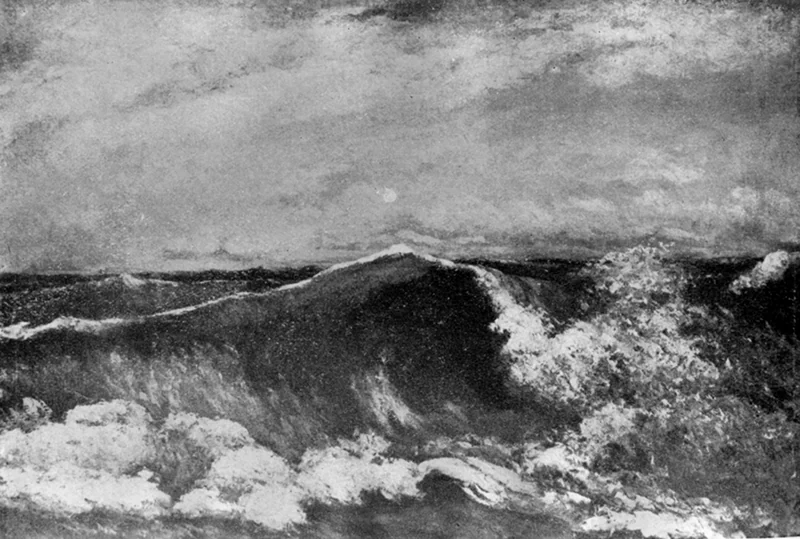
Baron Ferenc Hatvany tried to protect his collection by depositing paintings under other names. The record of this seascape ends with the emptying of the vaults.
Read the case ↗
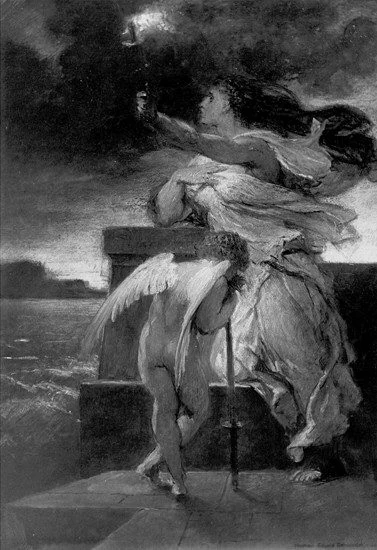
Lot 11 in the forced 1937 liquidation depicts a moment of mythological grief. An estate inscription may help distinguish the missing canvas.
Read the case ↗
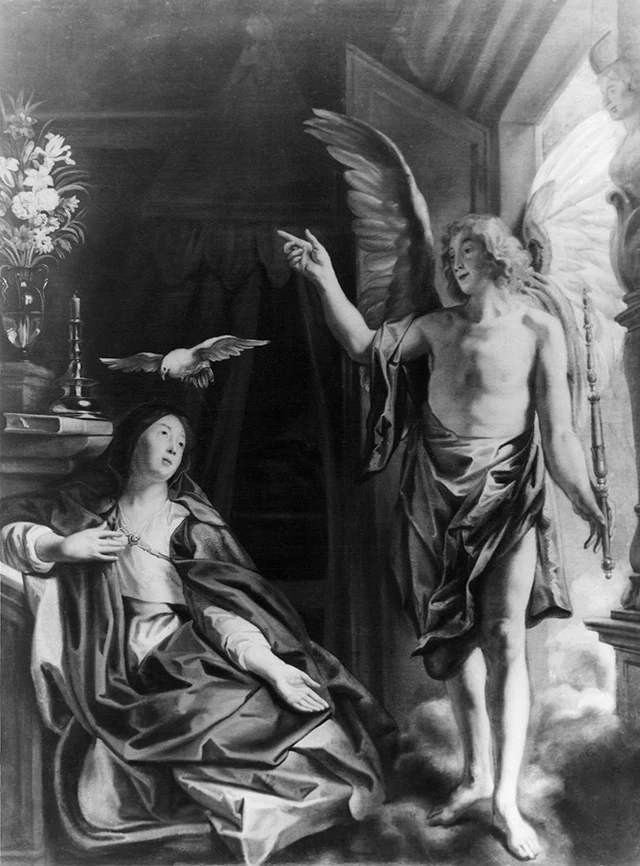
A gift to the municipal collection became one of the museum’s major wartime losses. A surviving image records the particular Annunciation that disappeared.
Read the case ↗
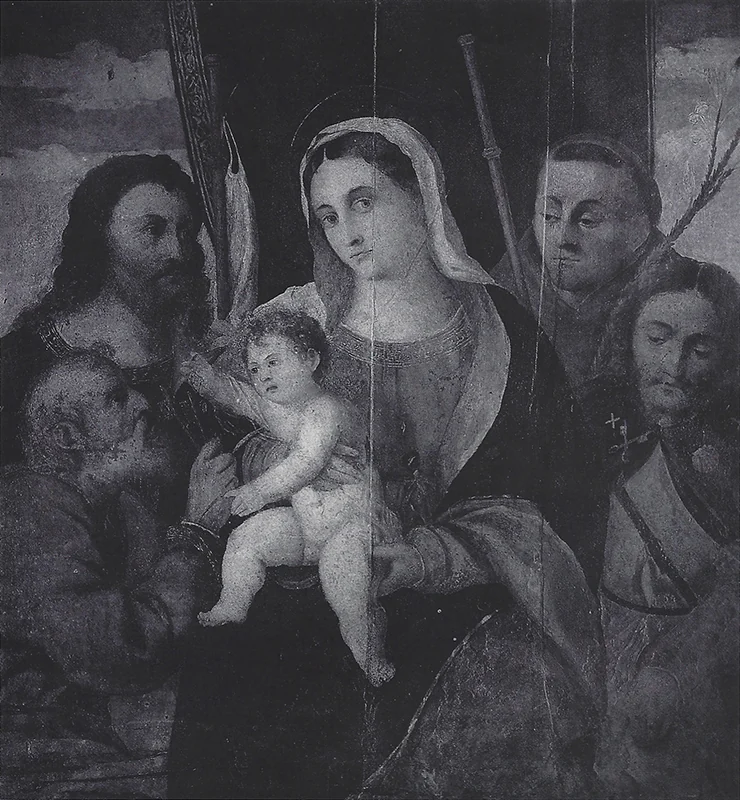
Residents repaired the basilica’s roof with tiles salvaged from ruined homes. A Renaissance panel taken from the church during the occupation has yet to return.
Read the case ↗
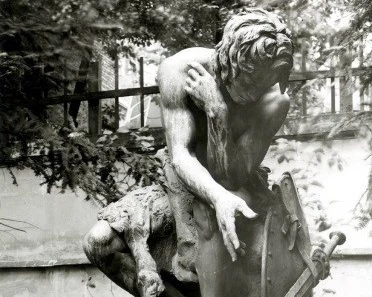
An old garden photograph and Selma Stern’s 1938 inventory preserve the identity of a sculpture with no confirmed current location.
Read the case ↗
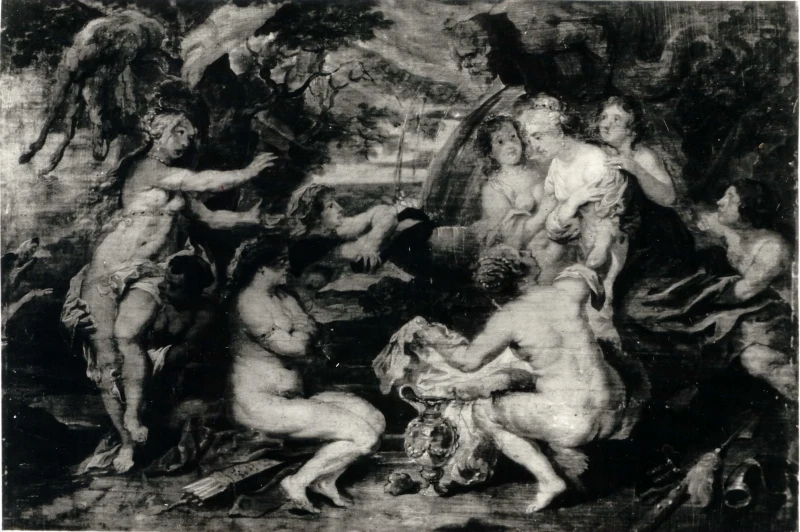
A small oil study for Diana and Callisto vanished in 1940. Its dimensions and museum history identify the panel still sought.
Read the case ↗
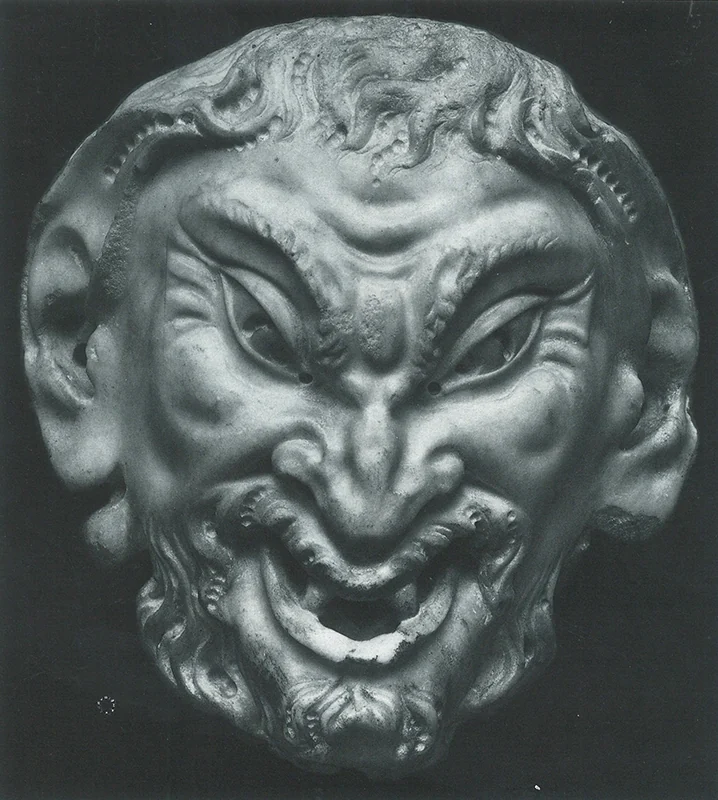
A 26-centimetre sculpture disappeared during the seizure of Florentine art stored at Poppi. The attribution to the young Michelangelo remains uncertain.
Read the case ↗
A 1939 letter to Max Stern in exile gives a clue to what became of one of the pictures withheld from his private collection.
Read the case ↗
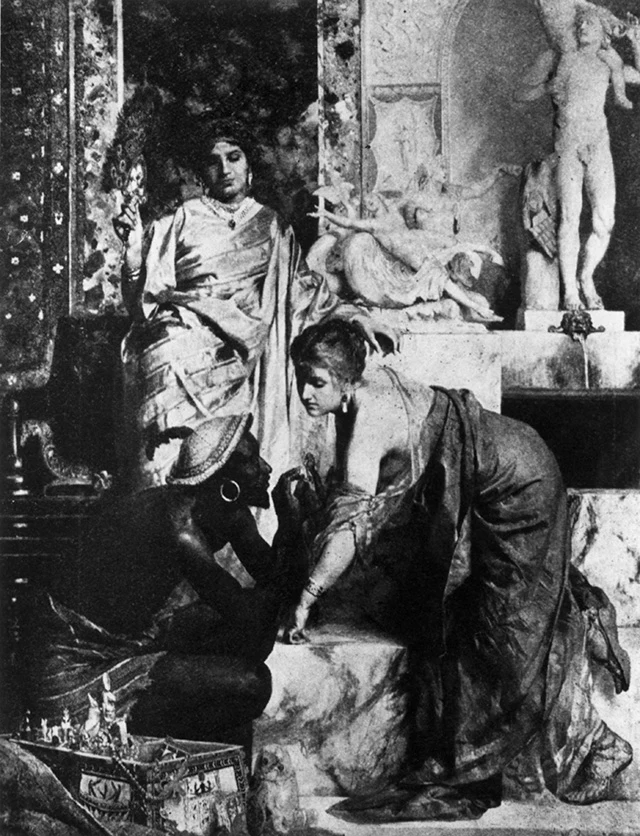
Siemiradzki’s large canvas hung in a Warsaw salon before the uprising. The house survives and the painting remains untraced.
Read the case ↗
German soldiers cleared hundreds of paintings from a Tuscan shelter. Most were recovered. A copper panel small enough to hold in one hand remains missing.
Read the case ↗
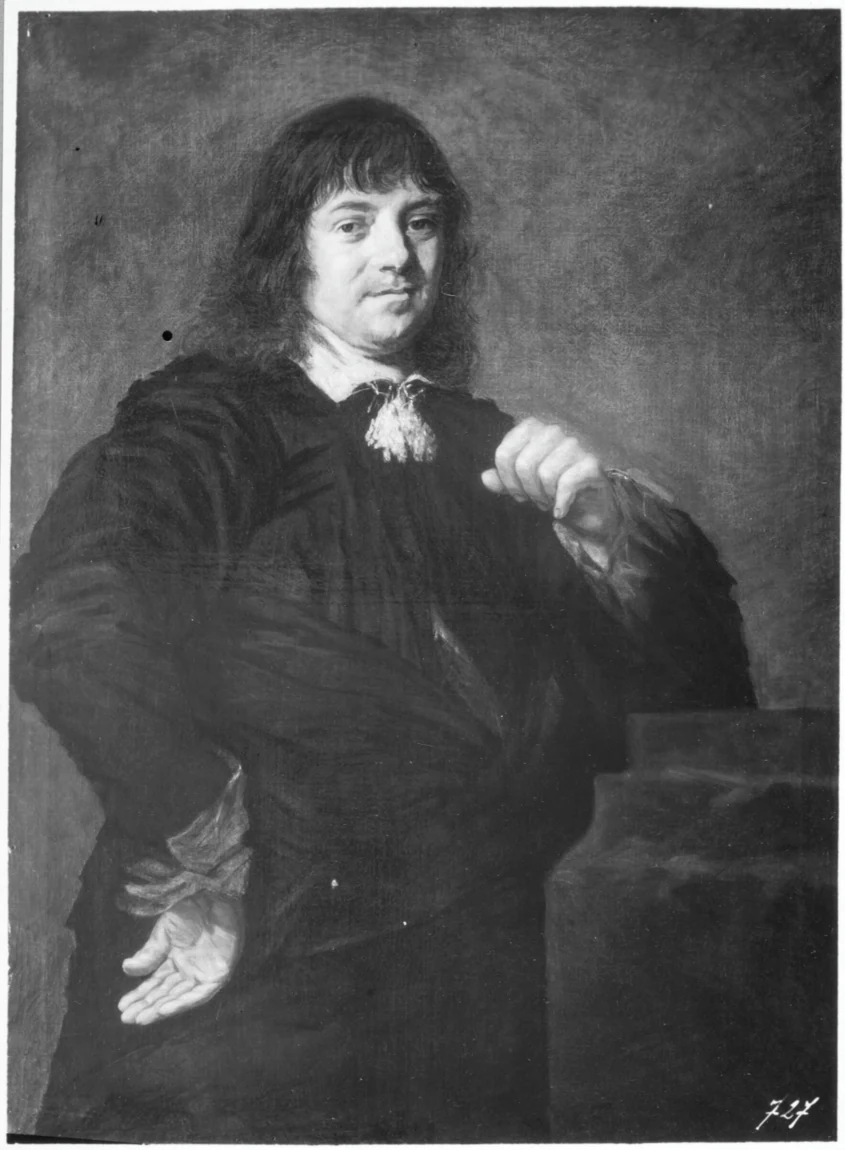
Long associated with Frans Hals, the portrait of Adam van Hasevelt passed through Goudstikker’s gallery and reached wartime Bilbao.
Read the case ↗
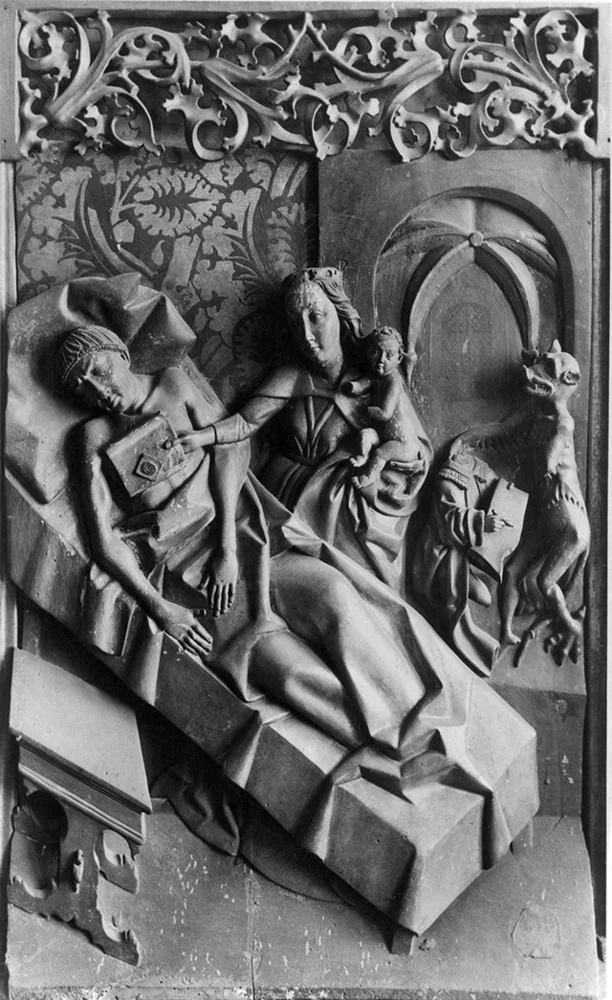
Two pairs of wings returned after the war. The Holy Family and a relief from the legend of Saint Theophilus are still missing.
Read the case ↗
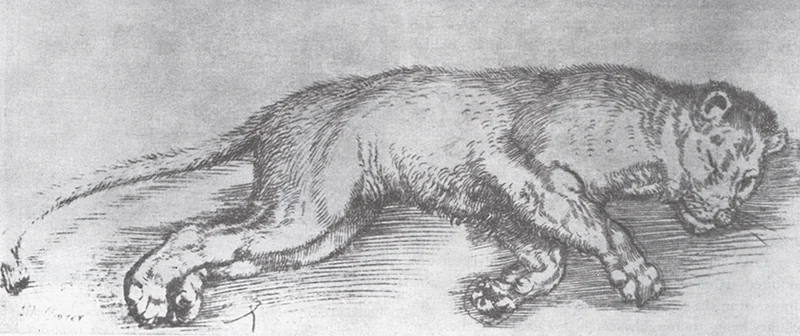
A sheet from a royal collection spent decades in Russia before returning to Warsaw. It disappeared again during the Nazi occupation, leaving only its documentary trail.
Read the case ↗
The work was listed under Tiepolo in the Goudstikker records, then offered in Berlin as a Pittoni. Even the buyer’s name is contested.
Read the case ↗
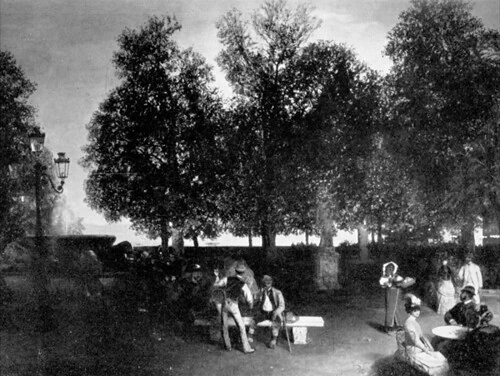
A quiet garden scene disappeared into the machinery of Nazi confiscation.
Read the case ↗
A stolen Degas returned to the art market while its owner’s heirs continued searching.
Read the case ↗
A pastel sent away for safety vanished inside the Nazi storage network.
Read the case ↗
A Renaissance painting survived in family memory after a collection was stripped away.
Read the case ↗
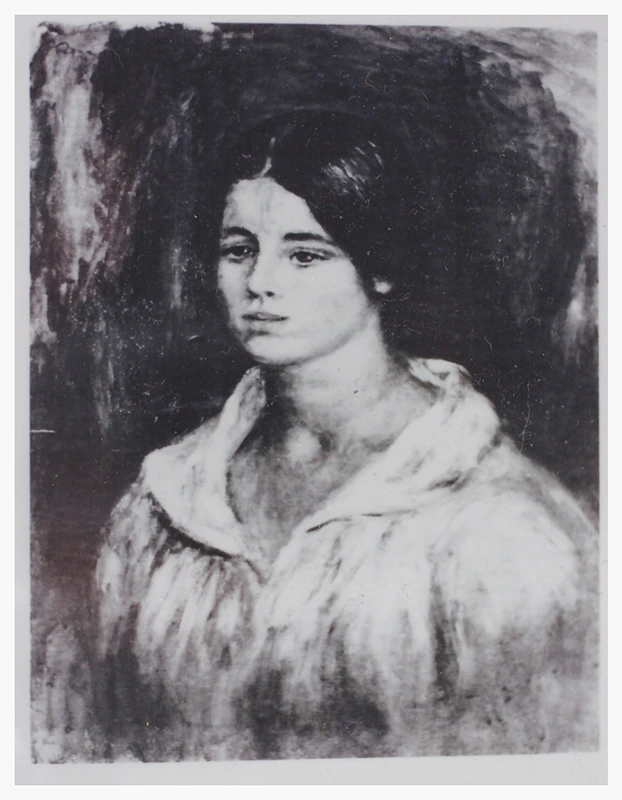
The Nachmann family escaped Nazi Germany; four paintings disappeared during the move.
Read the case ↗
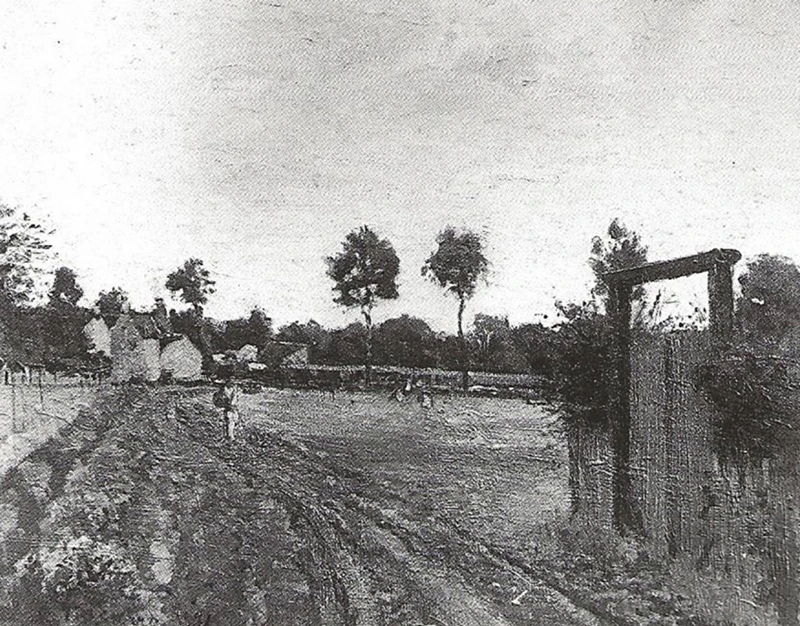
A Pissarro landscape disappeared in the same shipment as the Nachmann Renoir.
Read the case ↗
David Friedmann’s collection was dispersed; one famous recovery did not solve every loss.
Read the case ↗
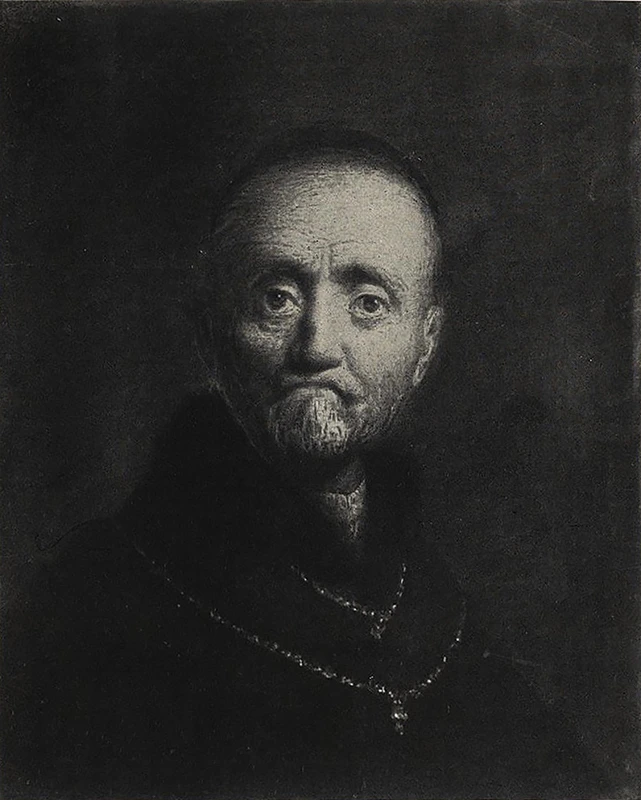
A portrait associated with Rembrandt vanished after the liquidation of Anna Jaffé’s collection.
Read the case ↗
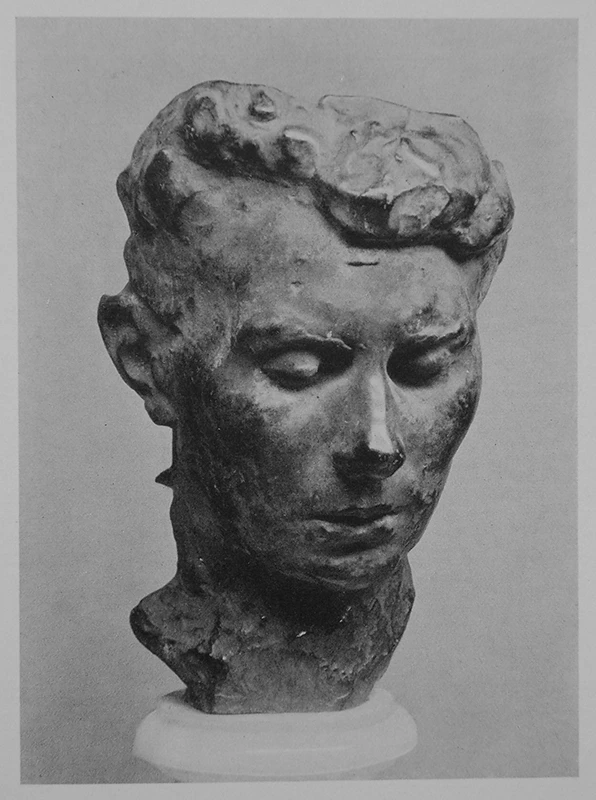
A bronze sold under persecution poses a question that another casting cannot answer.
Read the case ↗
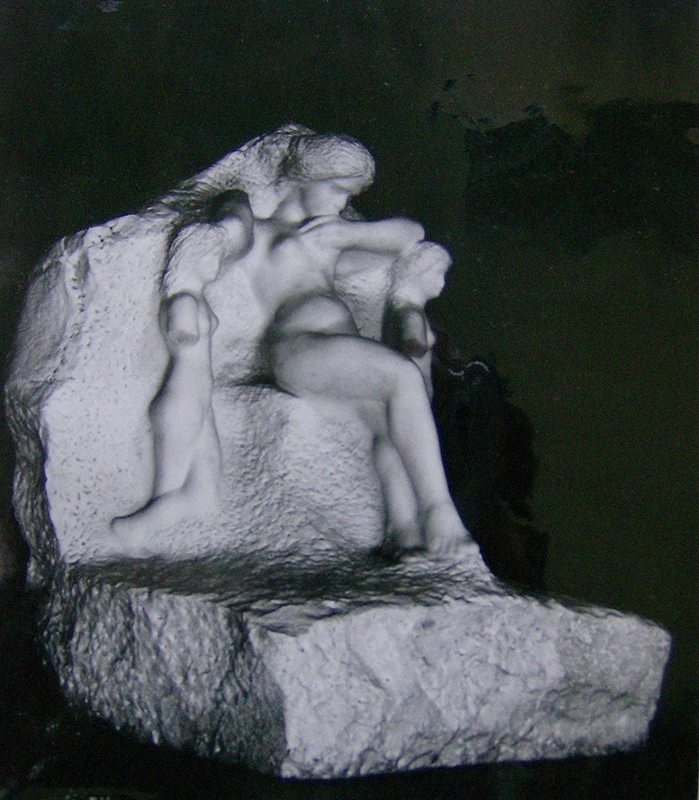
A marble bought from Rodin was confiscated after its owner fled the Gestapo.
Read the case ↗Hungarian records document losses from Andor Ullmann’s bank deposit. The registry lists two untitled canvases attributed to Jan Brueghel the Elder. Their subjects and present locations remain unverified.
Six drawings, catalogue numbers 26348–26353, are listed from Bertalan Neményi’s collection. They include two distinct standing nude studies. The circumstances of each loss and the present locations remain unverified.