01 HISTORICAL DOSSIERS
Still Missing
The artworks still sought. The families still searching.
Explore the cases
Reports on works that resurfaced after years out of view or were identified in collections.
Clocks show the time now. Below each clock: the latest documented case in that country from our archive.
Red mark: source-reported theft time. An arc shows a reported time window on the outer 24-hour scale. Only shown where timing is documented.
“Published” is the report date, not the theft date. Cases may cover thefts, recoveries or returns. Click a clock for the case details and source.
These are the six leading countries in an INTERPOL register snapshot published by a Cornell Data Journal team on 16 December 2023. Counts refer to objects registered as stolen, not theft incidents. This historical snapshot is not a current, comprehensive worldwide ranking.
Published analysis ↗Underlying data table ↗About the INTERPOL register ↗
Explore reported theft locations in the archive.
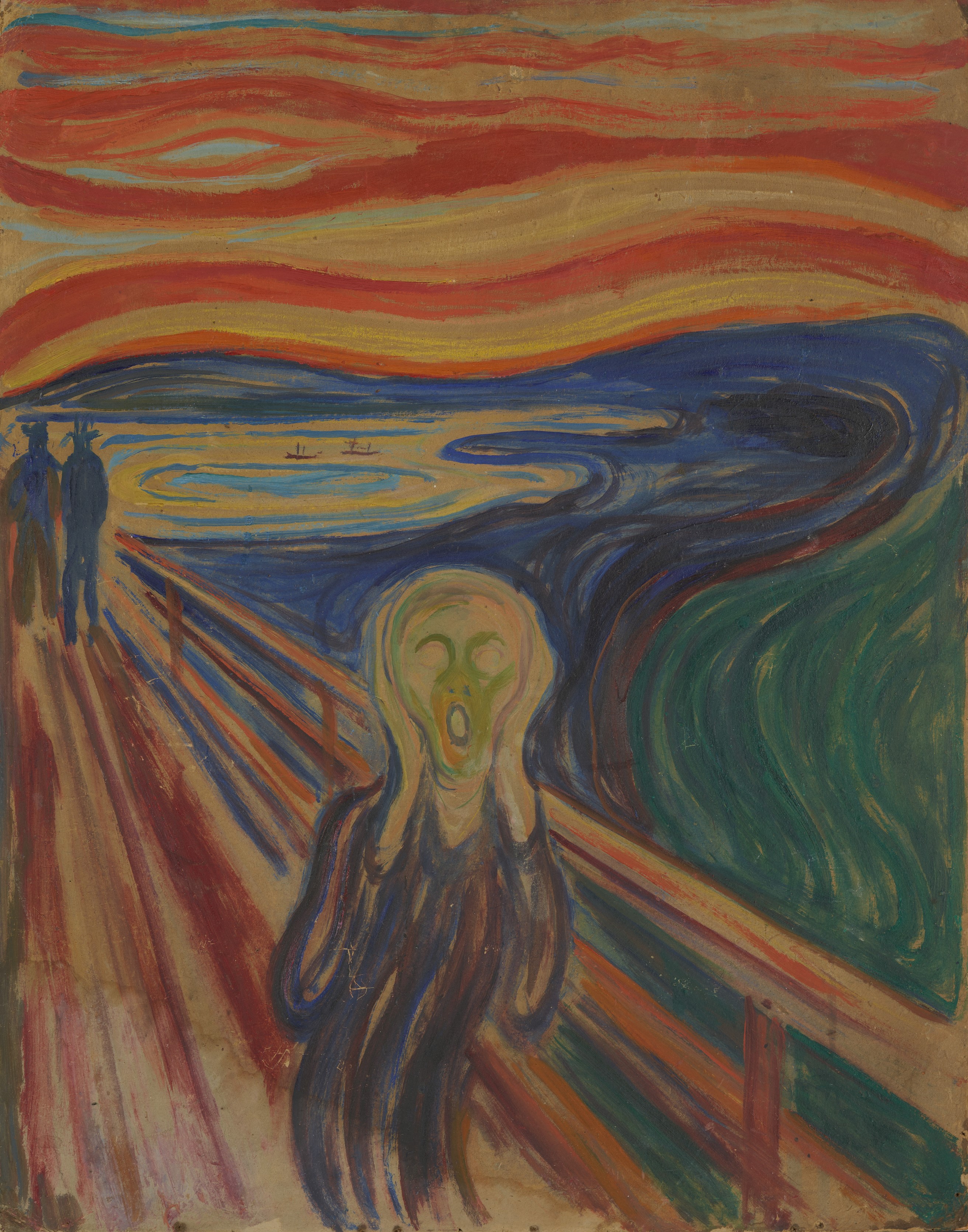 2004
This time there was no ladder and no taunting postcard. Armed men entered an open museum while visitors were inside.
Read the story 3 min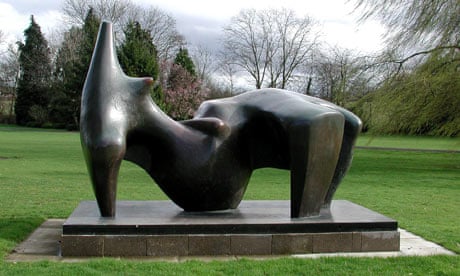 2005
The bronze seemed too heavy to steal. A crane made its weight manageable, and its artistic value may not have mattered to the thieves.
Read the story 3 min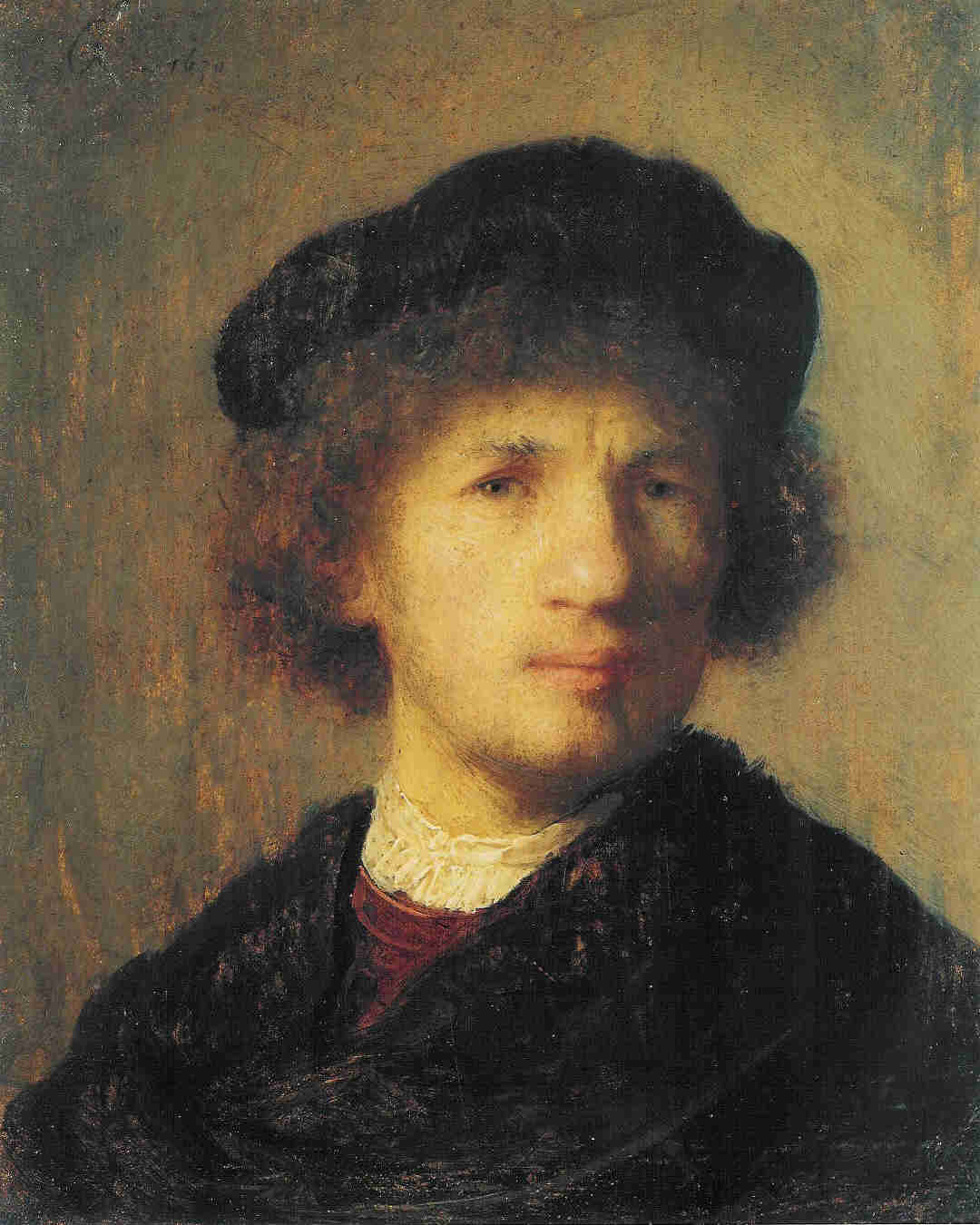 2000
An armed robbery emptied three spaces in Stockholm. The return took years, several countries and an undercover operation.
Read the story 3 min
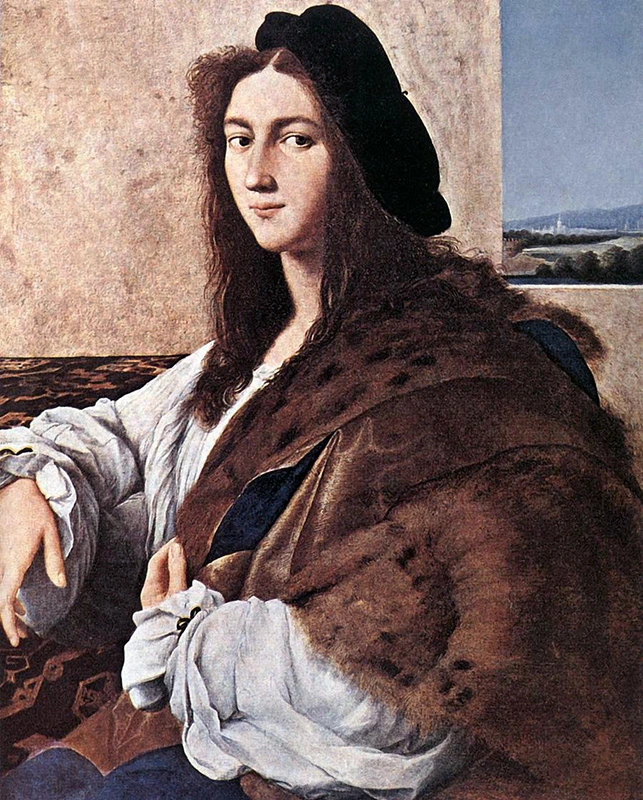
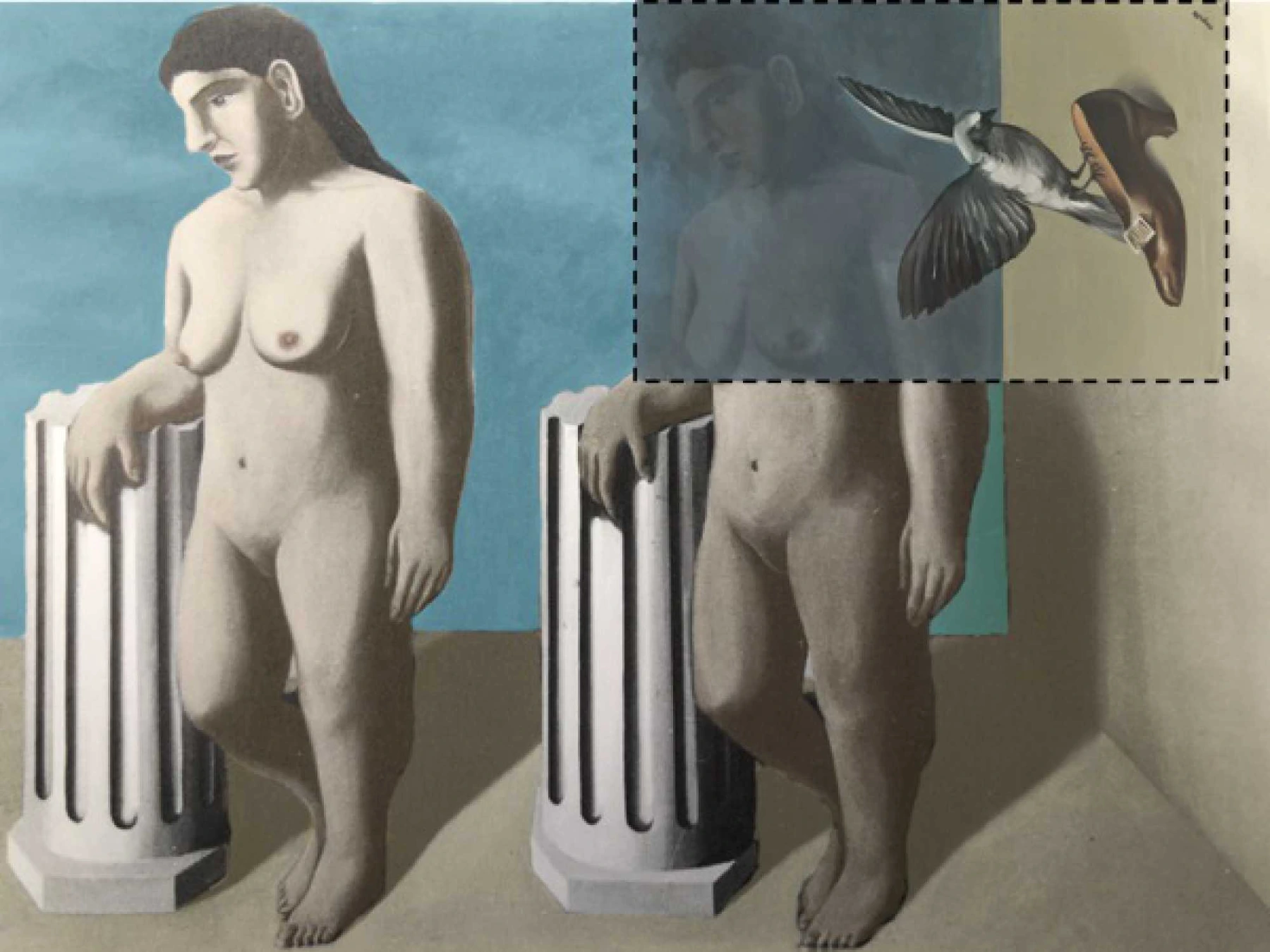
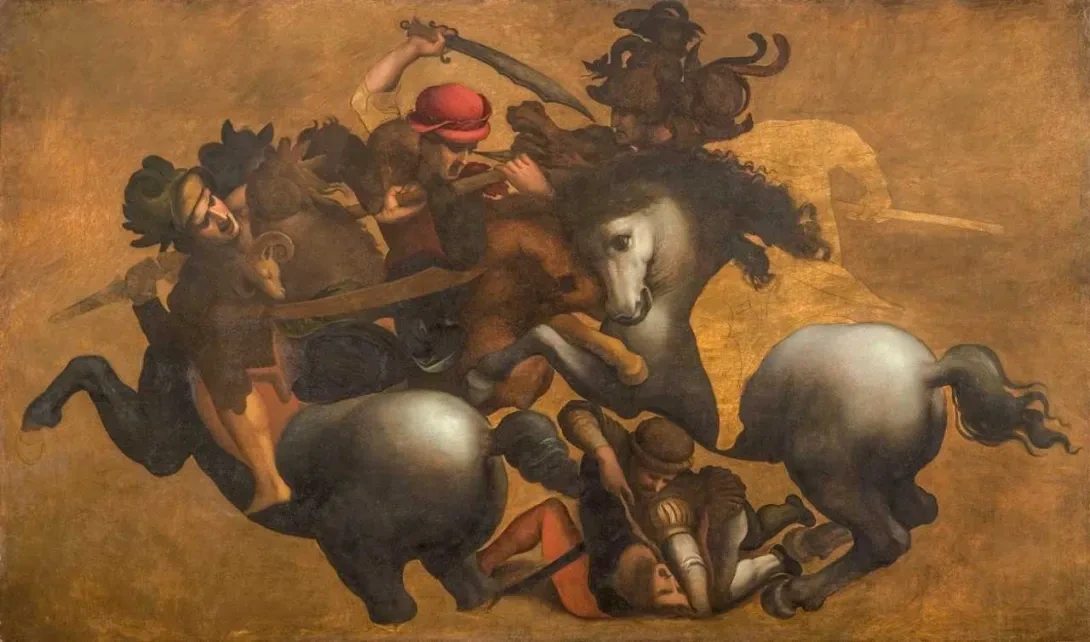
The artworks still sought. The families still searching.
Explore the cases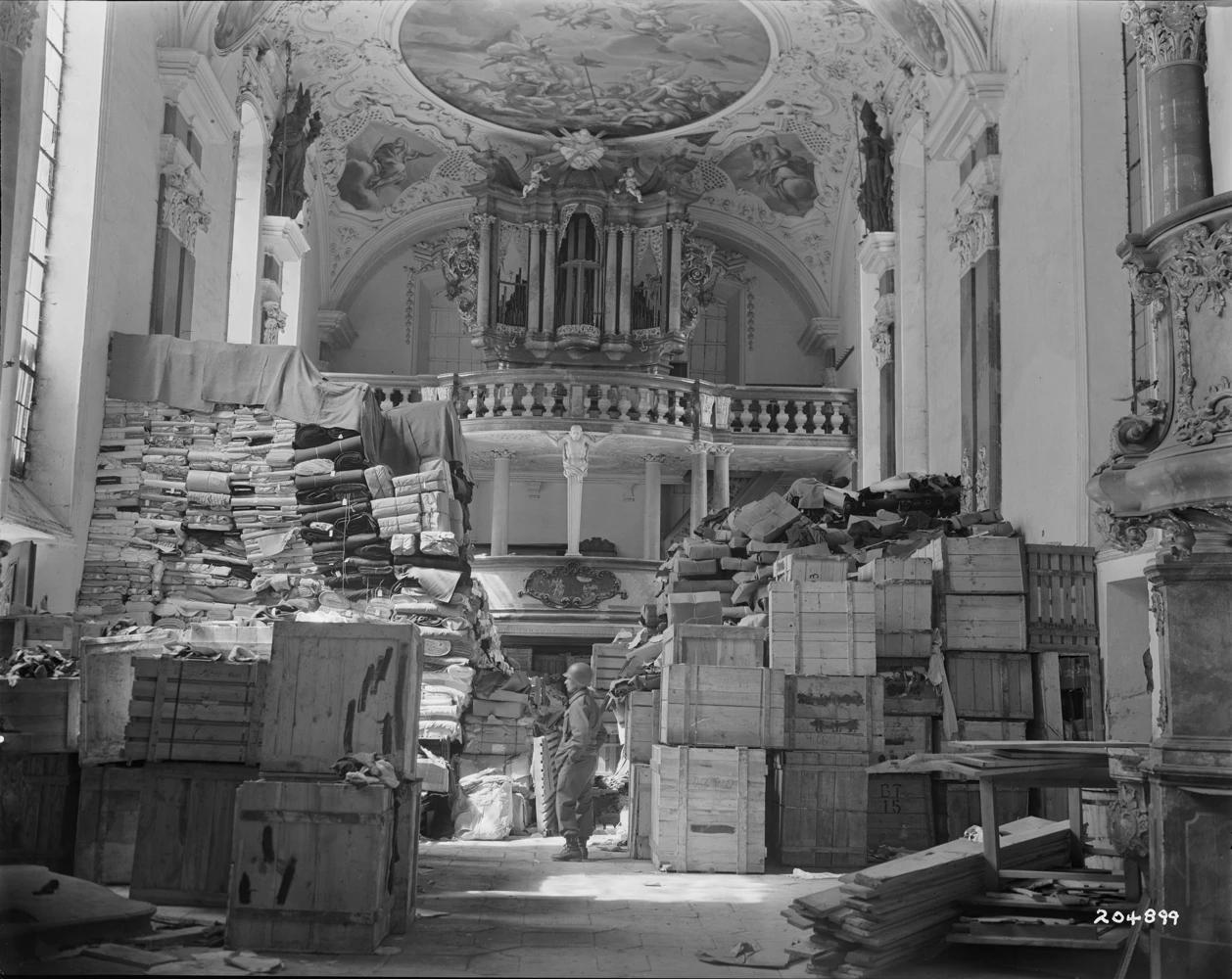

Dispossession, long battles and the paths to restitution.
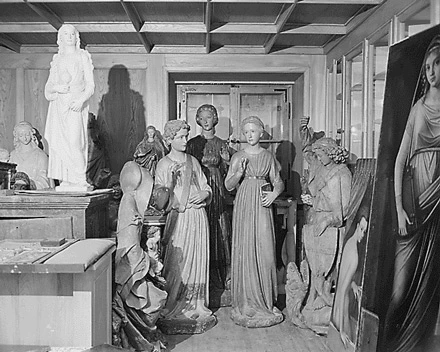
Explore the casesThe upper strip shows details of the featured artworks; the lower strip uses World War II archive photographs as historical context.
87 entries · 88 documented offers · terms apply
Newest additions first · up to ten entries in each group.
Official sources checked; terms apply.
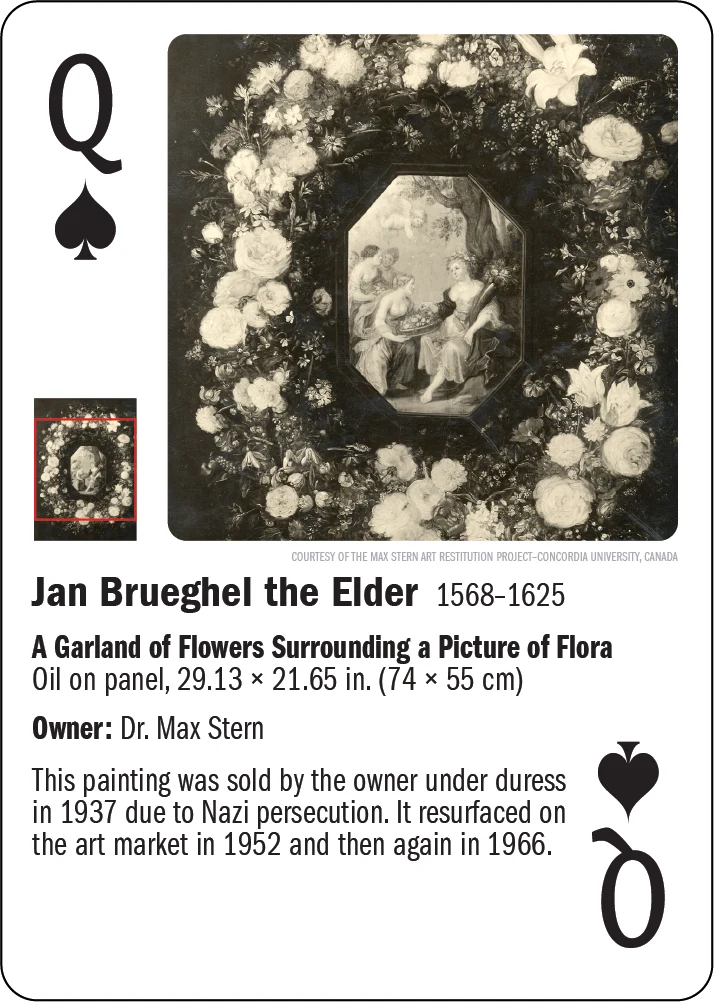 Jan Brueghel the Elder · A Garland of Flowers Surrounding a Picture of FloraUp to$15,000Monuments Men and Women FoundationEnds: 2026-12-31
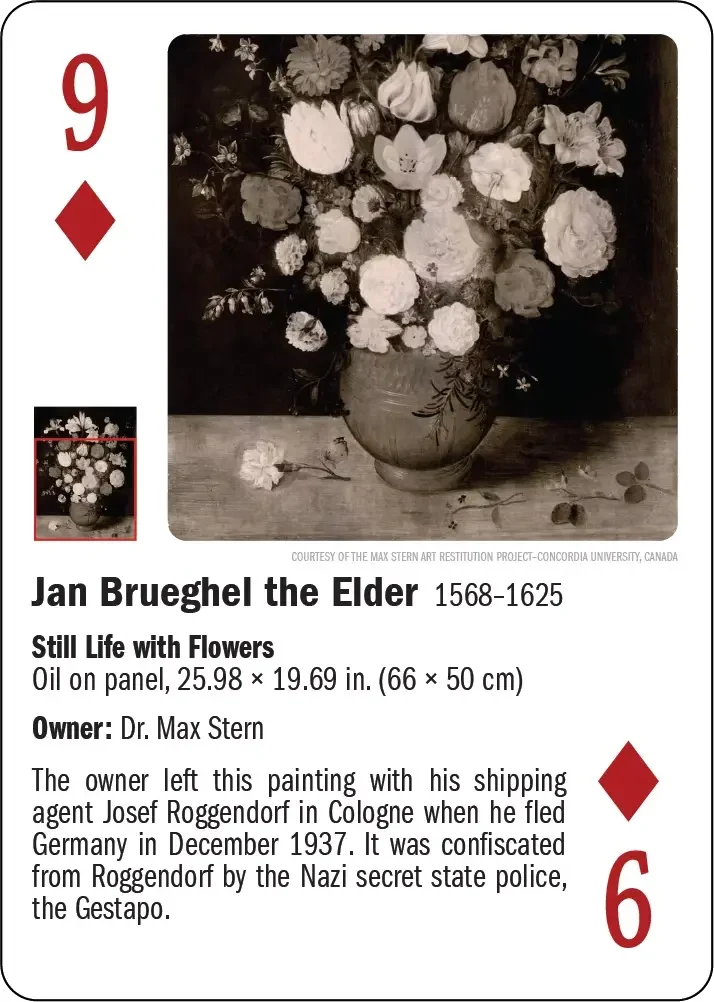 Jan Brueghel the Elder · Still Life with FlowersUp to$7,500Monuments Men and Women FoundationEnds: 2026-12-31
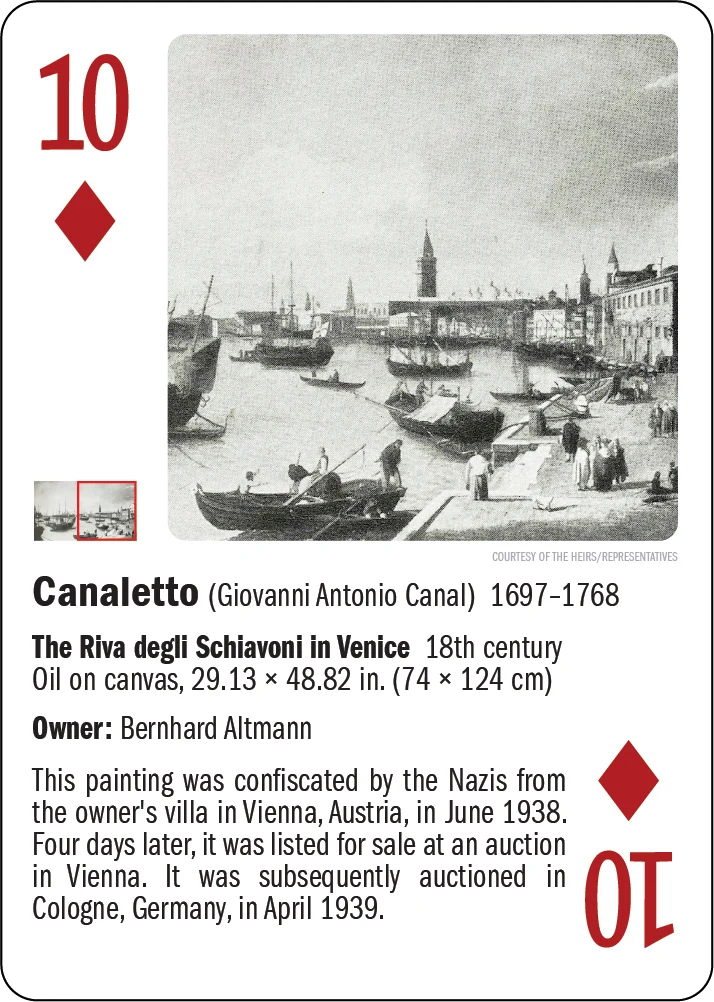 Canaletto · The Riva degli Schiavoni in VeniceUp to$7,500Monuments Men and Women FoundationEnds: 2026-12-31
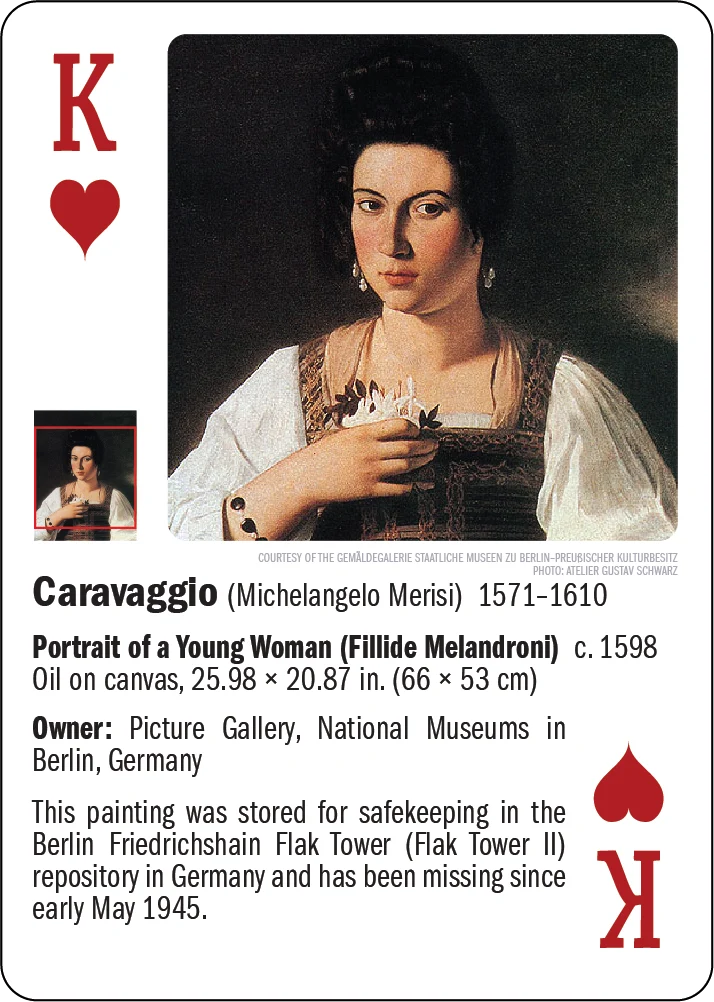 Caravaggio · Portrait of a Young Woman (Fillide Melandroni)Up to$20,000Monuments Men and Women FoundationEnds: 2026-12-31
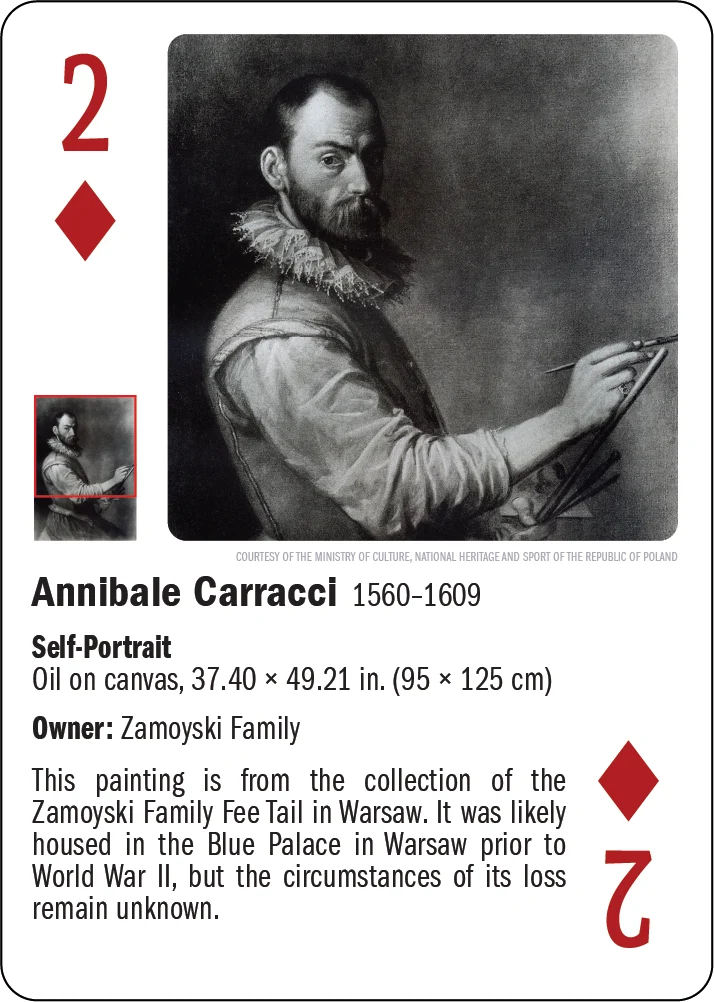 Annibale Carracci · Self-PortraitUp to$2,500Monuments Men and Women FoundationEnds: 2026-12-31
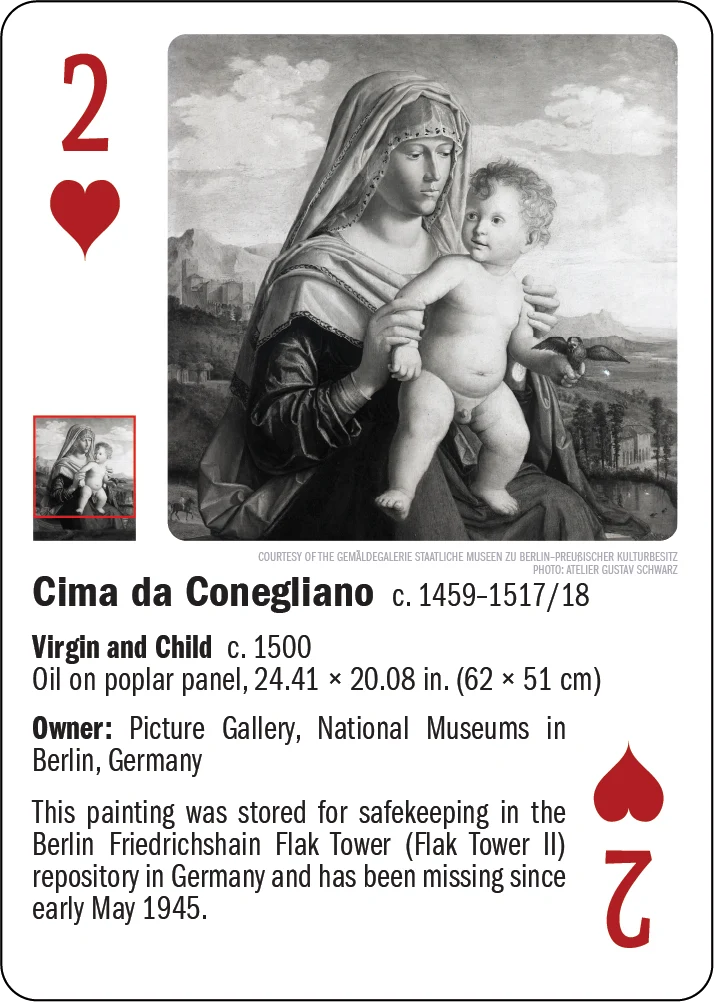 Cima da Conegliano · Virgin and ChildUp to$2,500Monuments Men and Women FoundationEnds: 2026-12-31
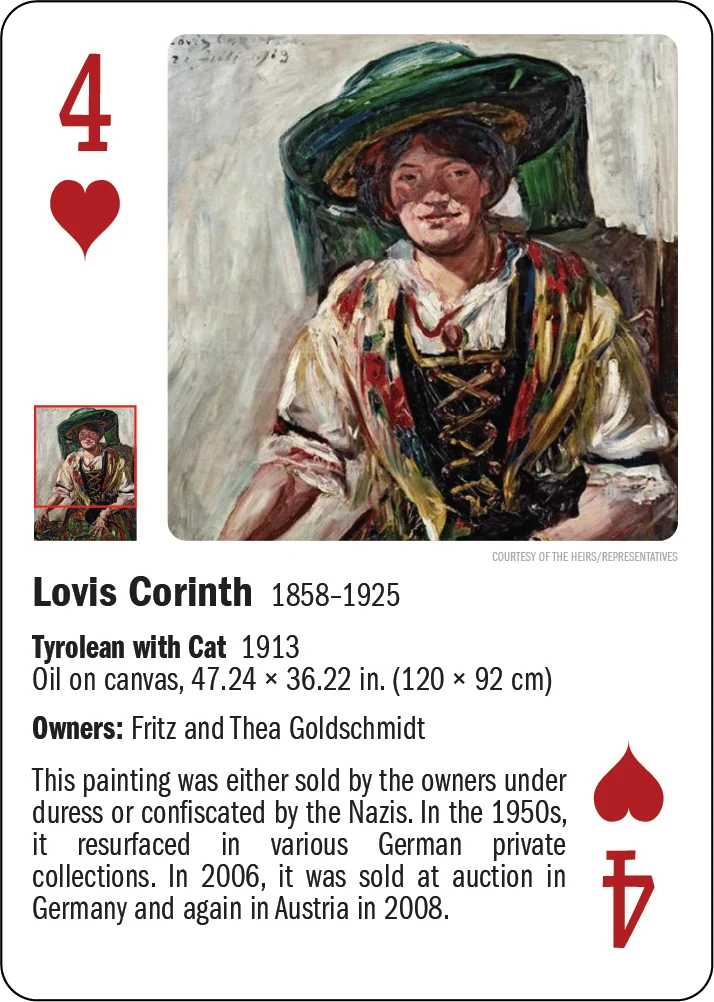 Lovis Corinth · Tyrolean with CatUp to$2,500Monuments Men and Women FoundationEnds: 2026-12-31
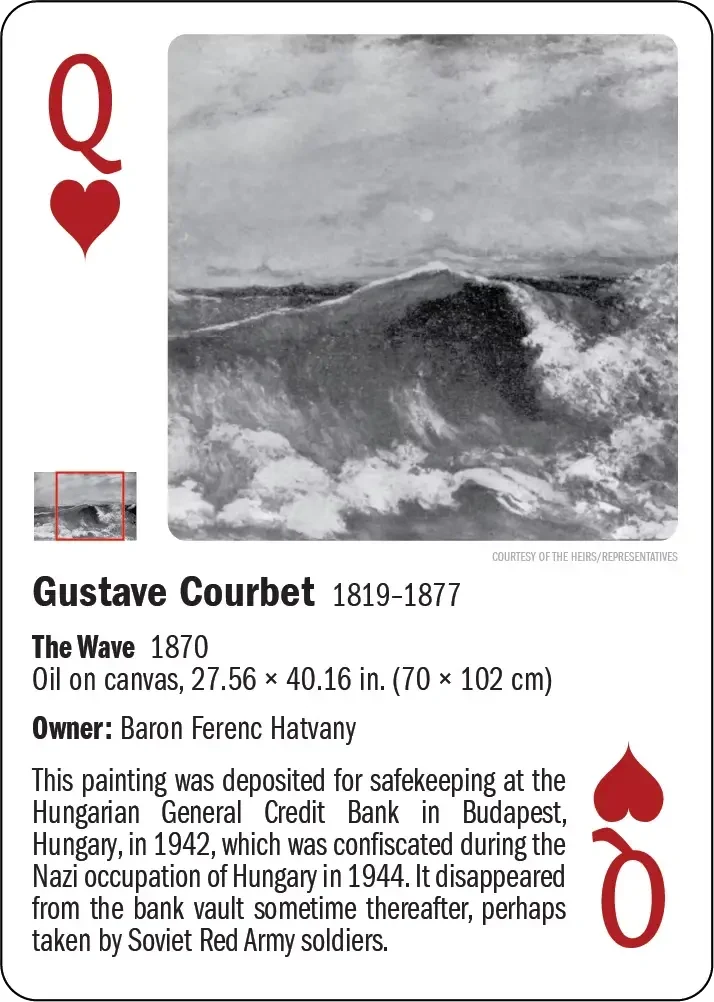 Gustave Courbet · The WaveUp to$15,000Monuments Men and Women FoundationEnds: 2026-12-31
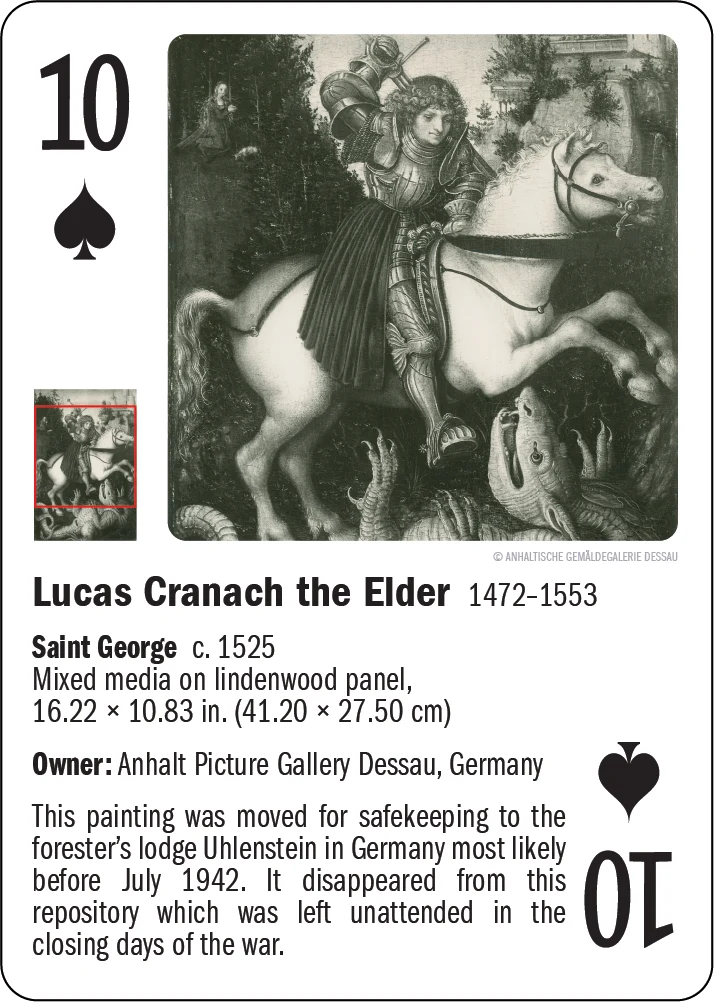 Lucas Cranach the Elder · Saint GeorgeUp to$7,500Monuments Men and Women FoundationEnds: 2026-12-31
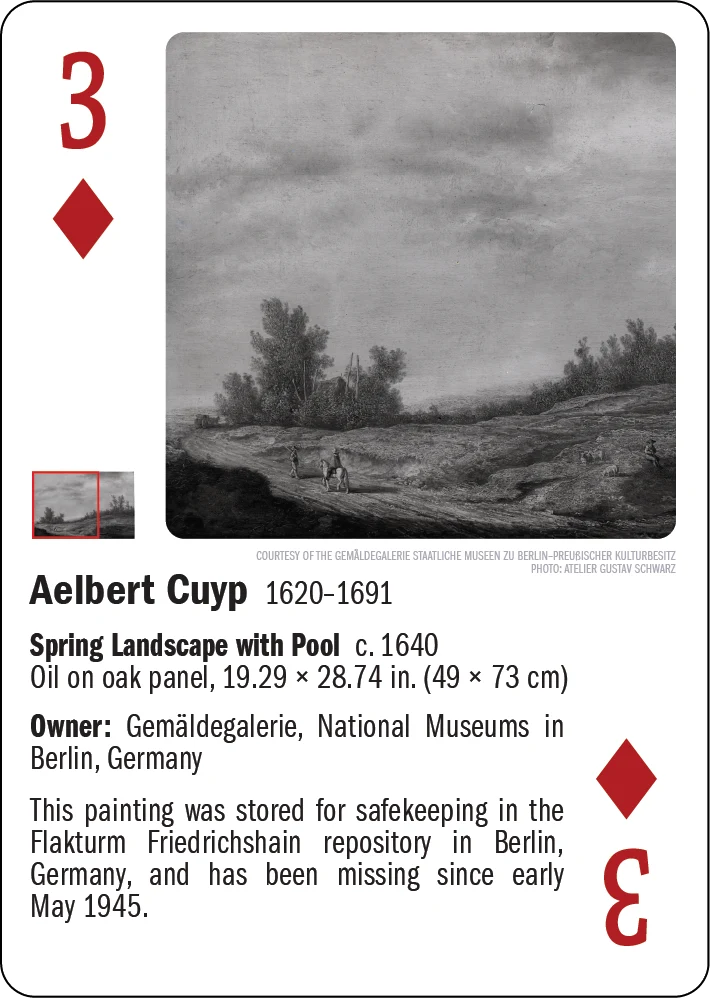 Aelbert Cuyp · Spring Landscape with PoolUp to$2,500Monuments Men and Women FoundationEnds: 2026-12-31
10 of 59 entries · see the full list for the rest.
Amounts reported by the cited sources, without confirmation that the offers remain valid.
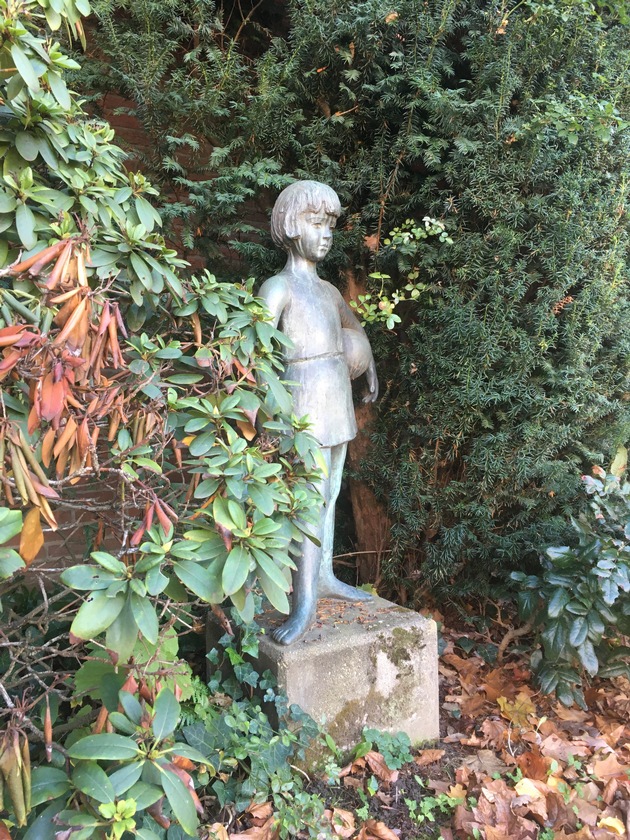 Heinrich Martens’s bronze girl with a ballUp to€5,000Validity unconfirmed
 LeRoy Neiman — Oscar de la Hoya – Shane MosleyAdvertised reward$5,000Centaur Art GalleriesValidity unconfirmed
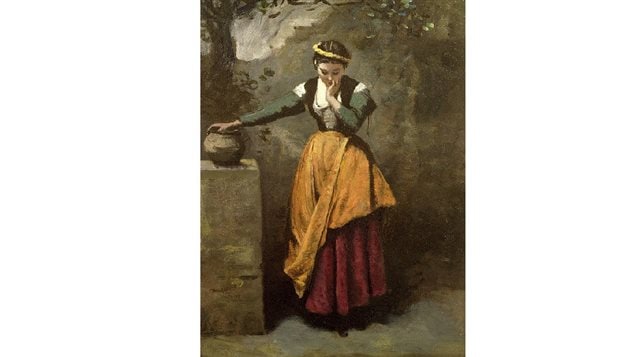 Montreal Museum of Fine Arts — 1972 theftAdvertised rewardAmount not publishedInsurers, according to Radio Canada InternationalValidity unconfirmed
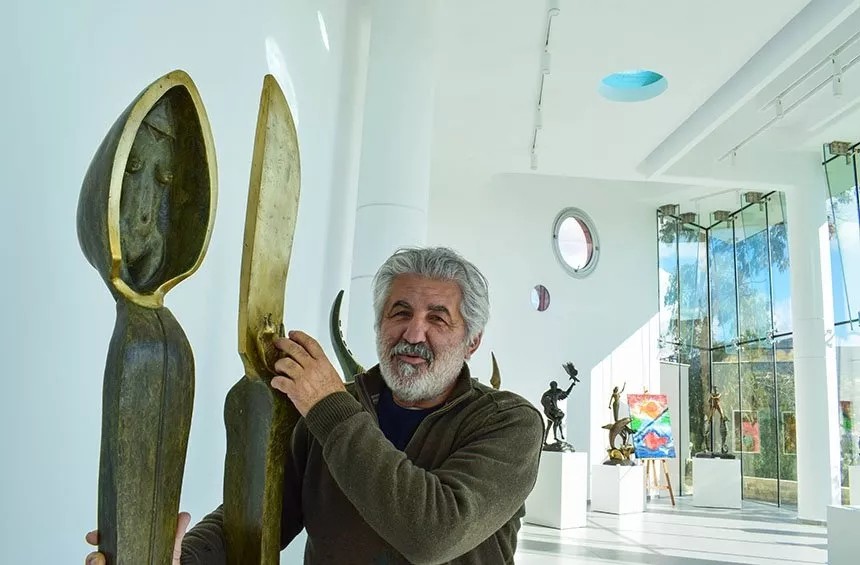 Giapanis · BalanceAdvertised reward€5,000Validity unconfirmed
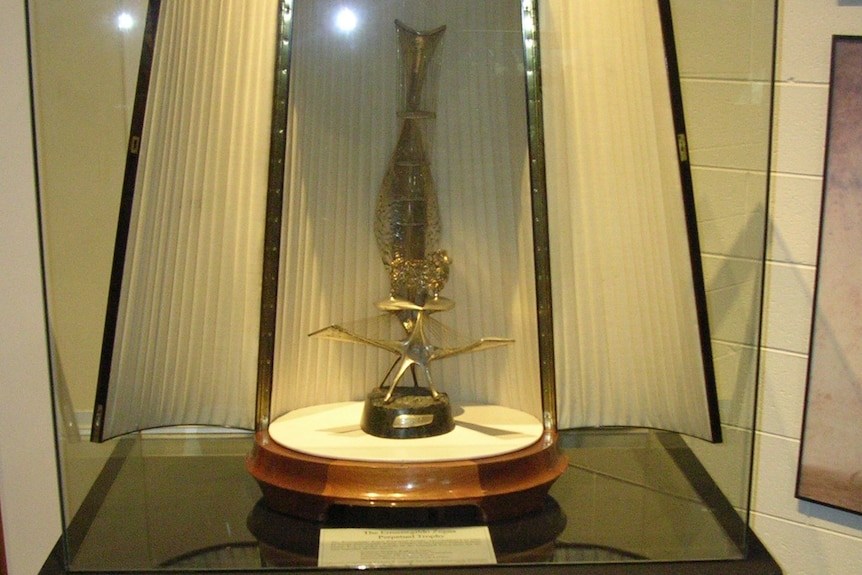 Zegna · Gold sheep trophyAdvertised rewardA$15,000Validity unconfirmed
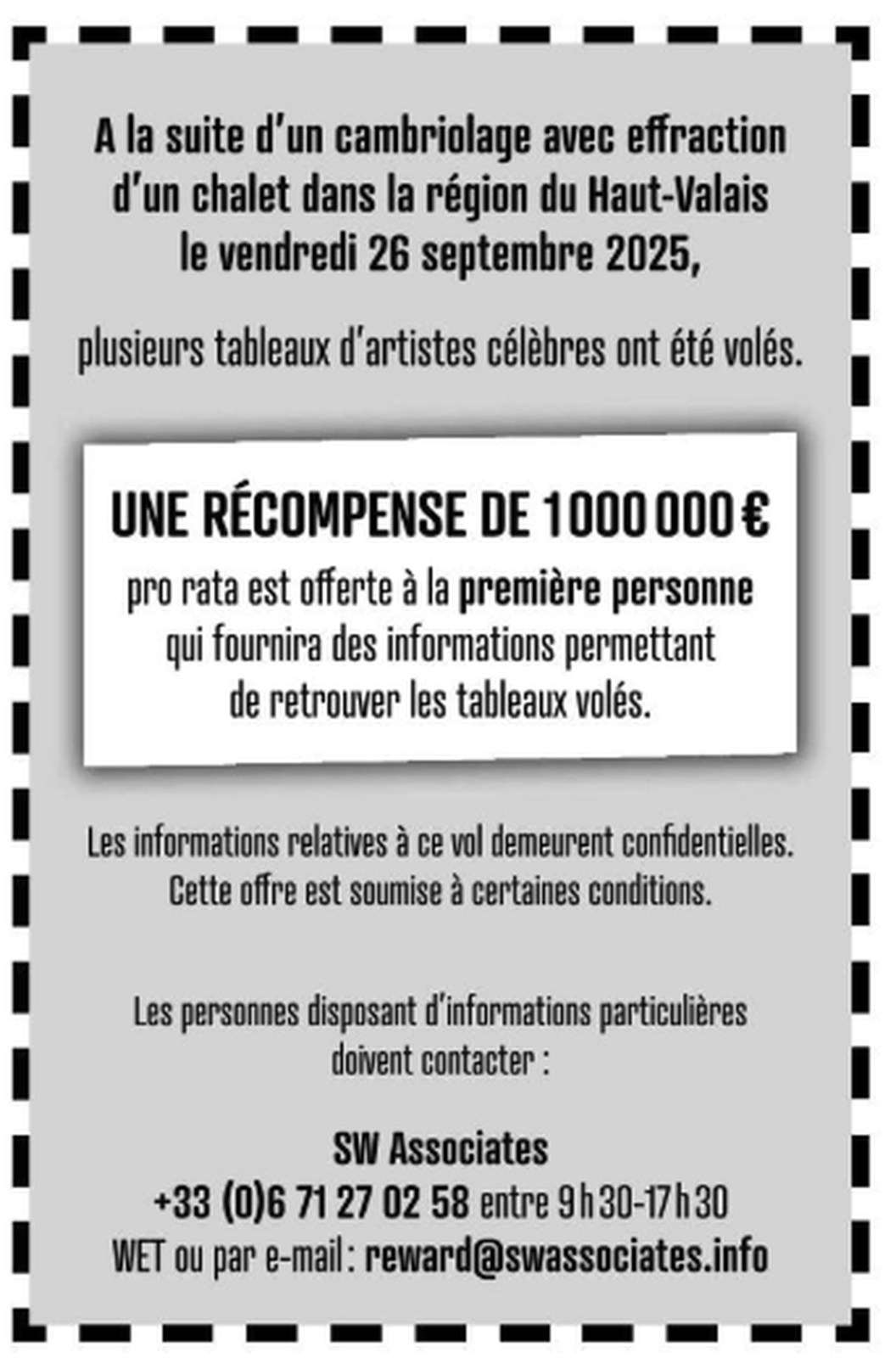 Valais · Chalet theftUp to€1,000,000Validity unconfirmed
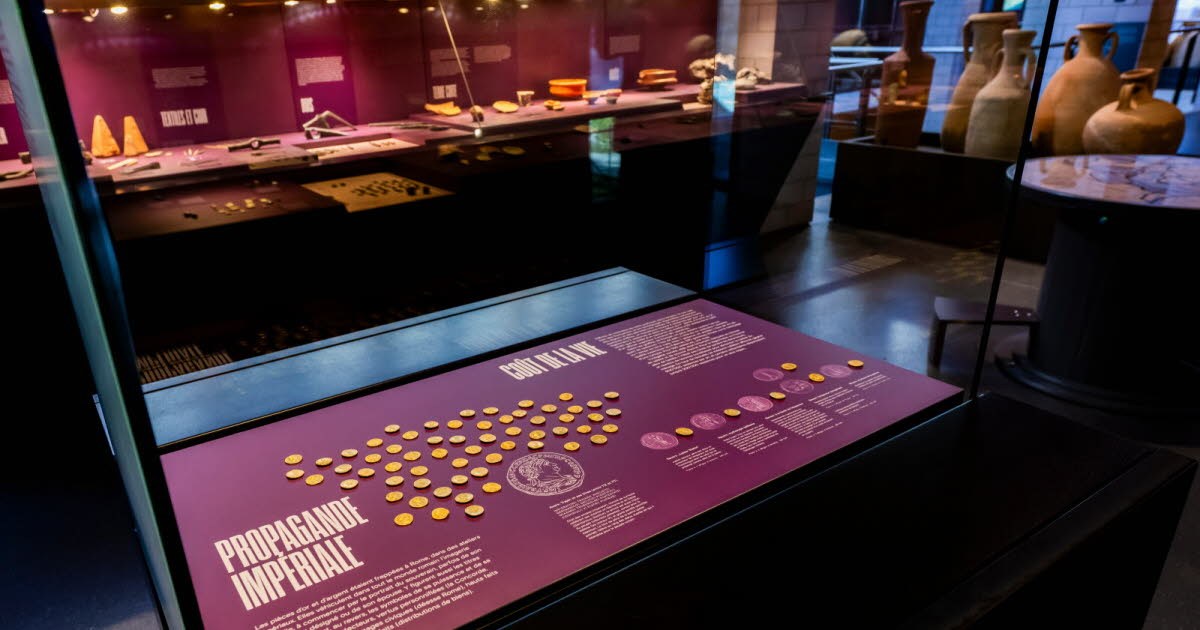 Lausanne · Gold coinsUp to€200,000Validity unconfirmed
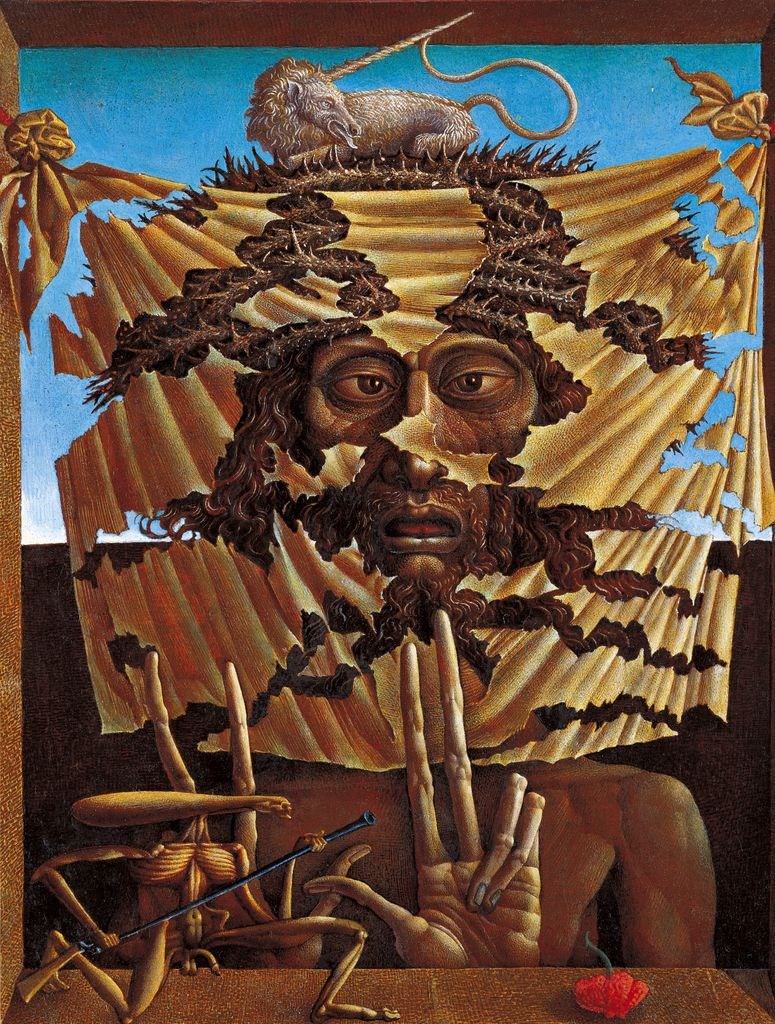 Ernst Fuchs · ViennaAdvertised reward€30,000Validity unconfirmed
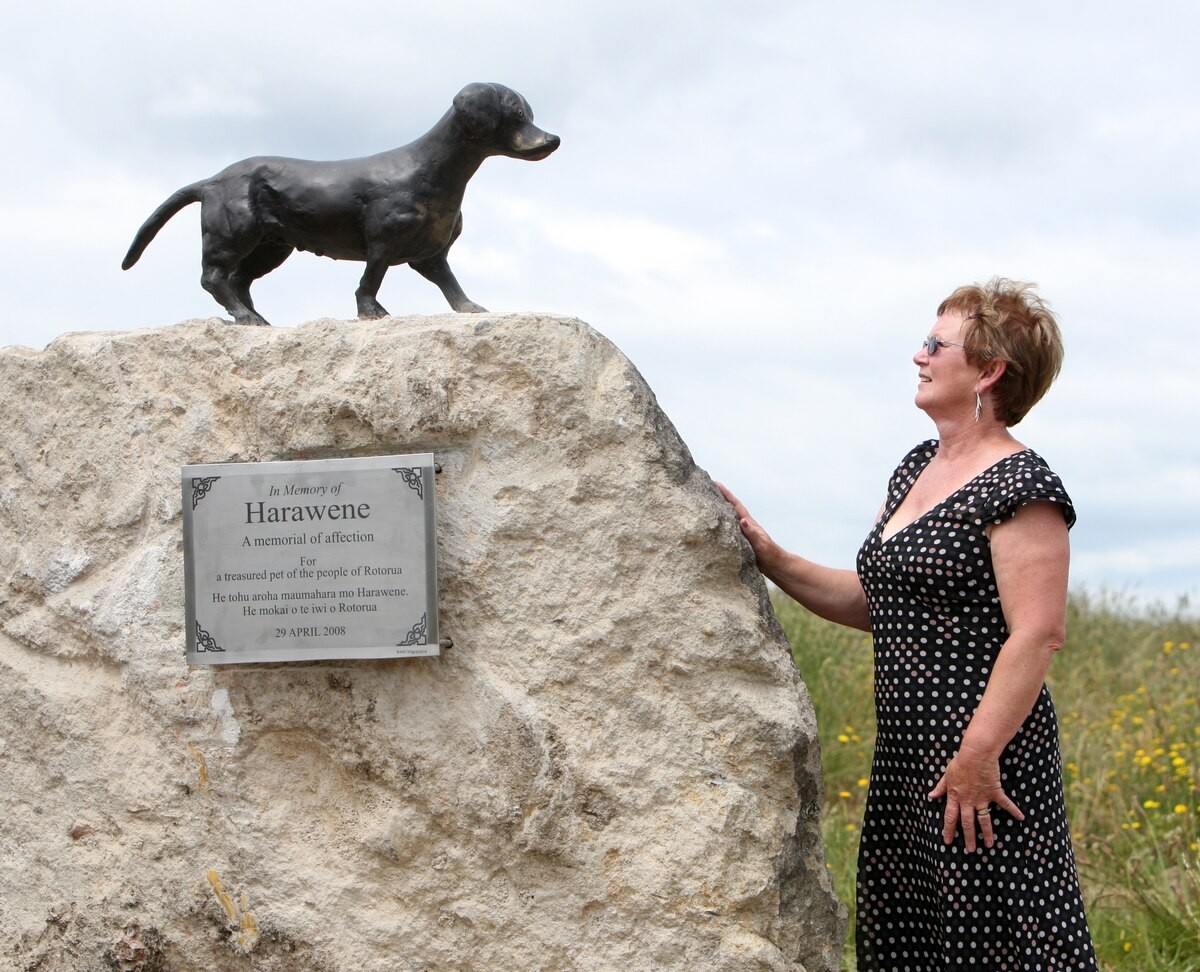 Harawene · RotoruaAdvertised rewardNZ$5,000Validity unconfirmed
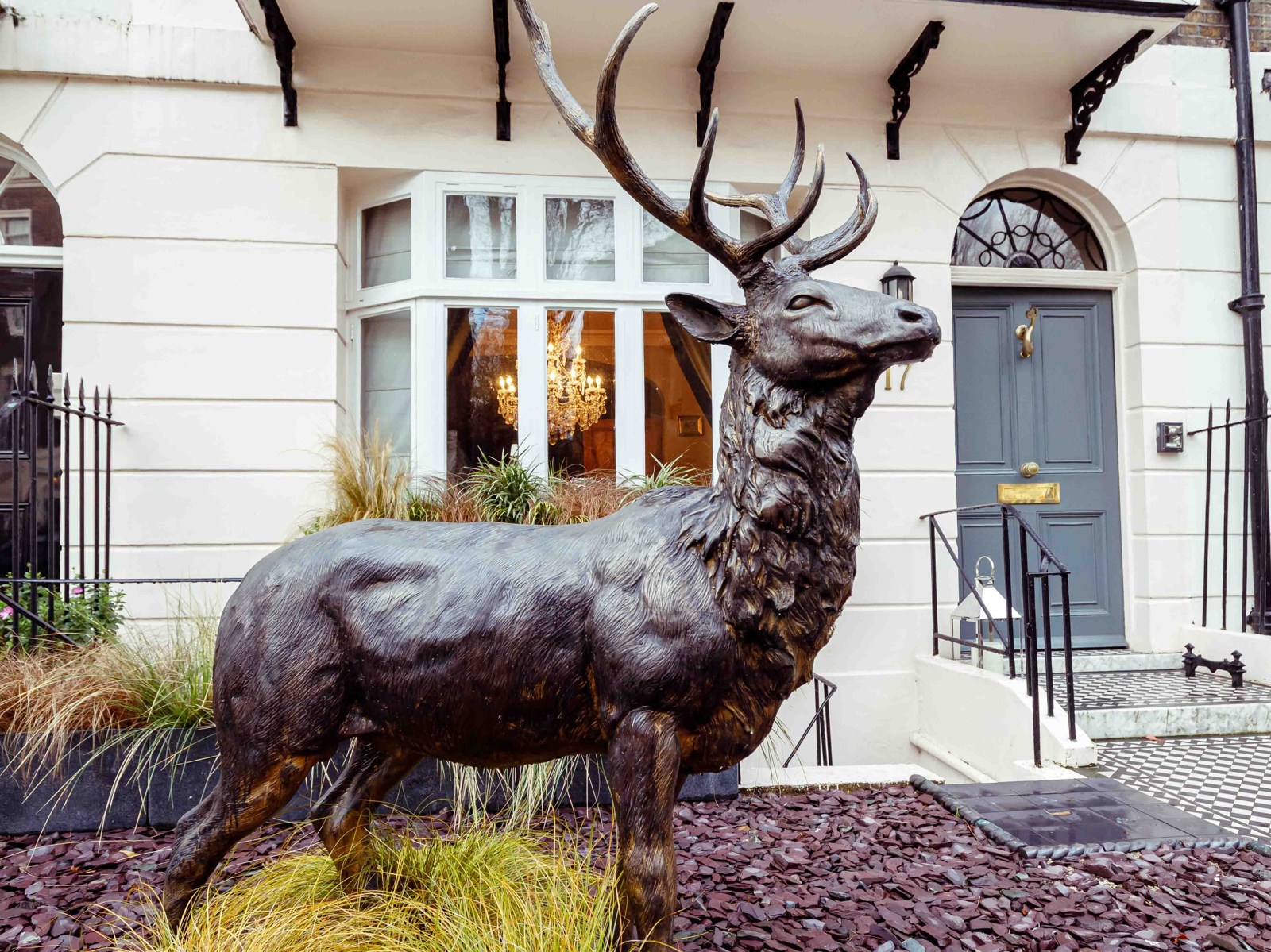 Henry · LondonAdvertised reward£1,000Validity unconfirmed
10 of 18 entries · see the full list for the rest.
Historical reward offers; reported returns, recoveries or destruction.
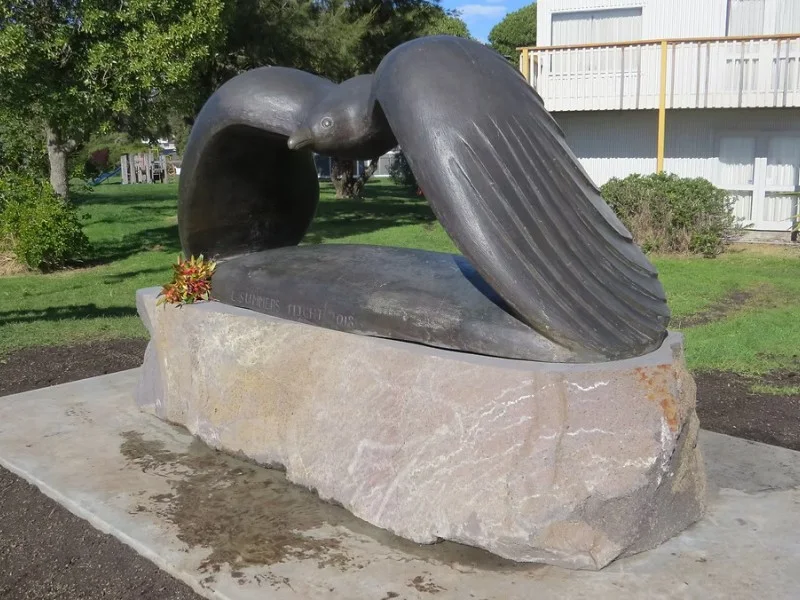 Llew Summers · FlightAdvertised rewardNZ$4,000Archive · see outcome
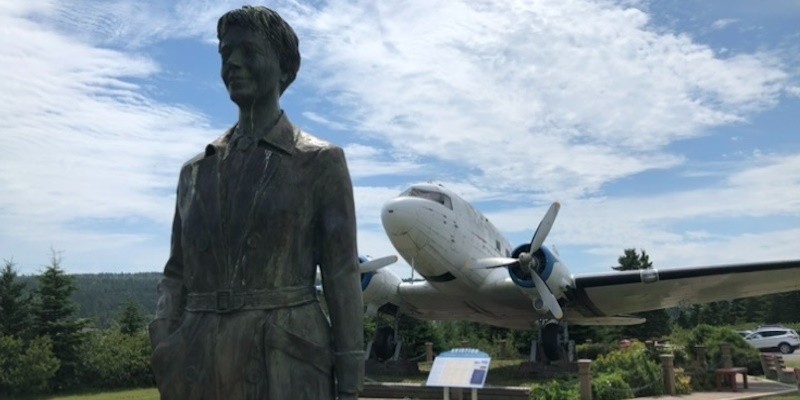 Amelia Earhart · ReturnedAdvertised rewardCA$25,000Archive · see outcome
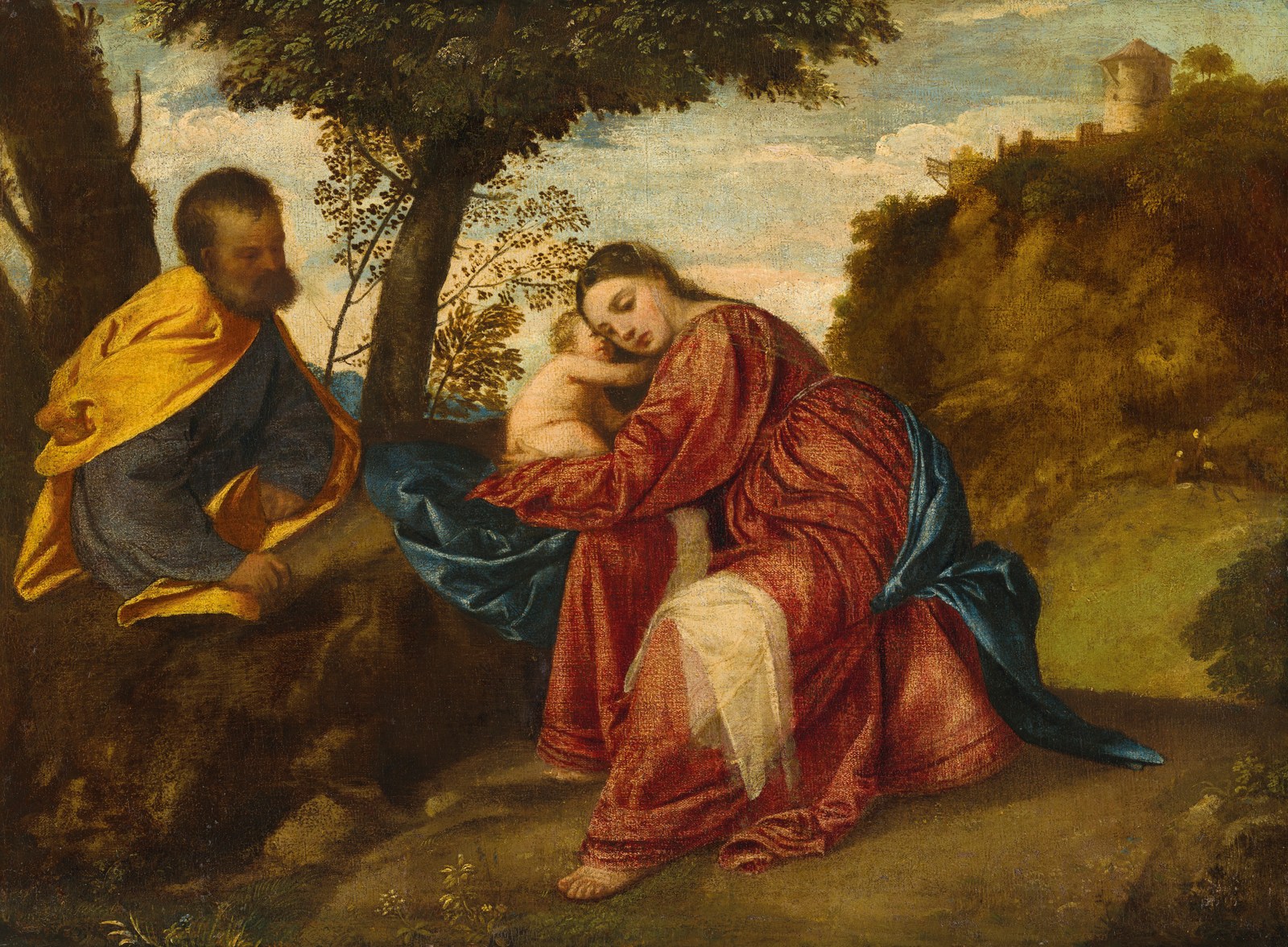 Titian · RecoveredAdvertised reward£100,000Archive · see outcome
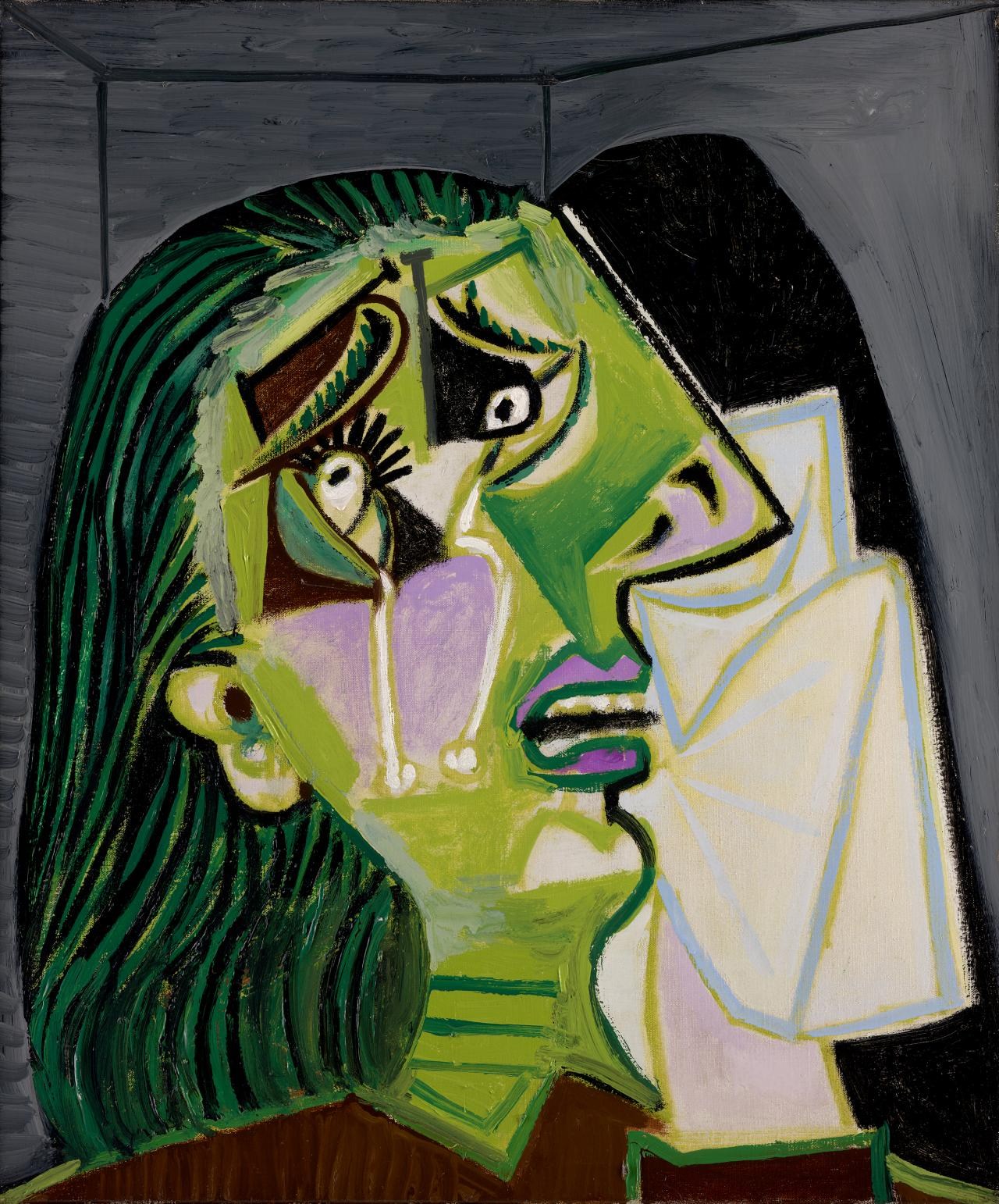 Picasso · RecoveredAdvertised rewardA$50,000Archive · see outcome
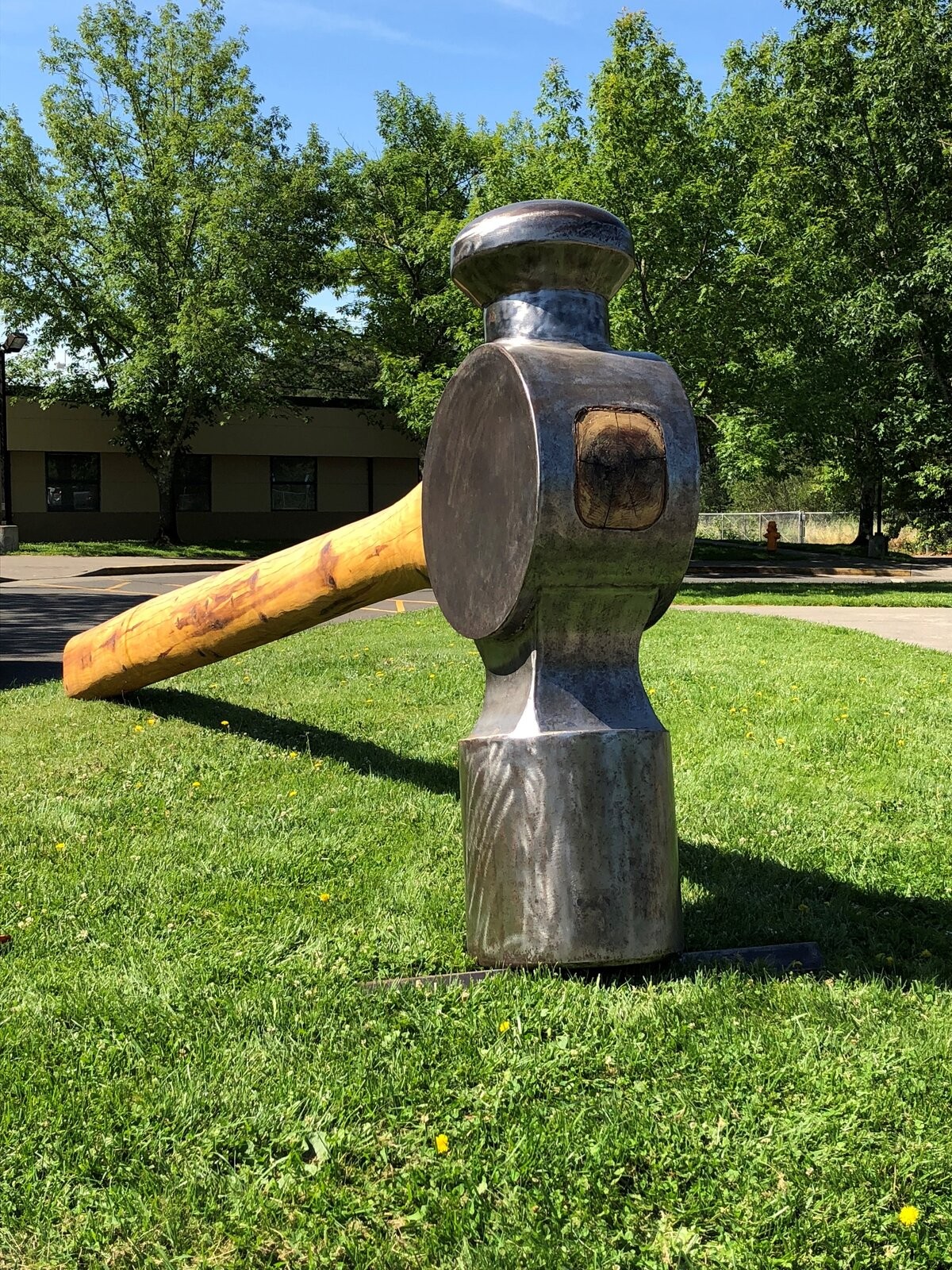 Unkrey · The HammerAdvertised reward$1,000Archive · see outcome
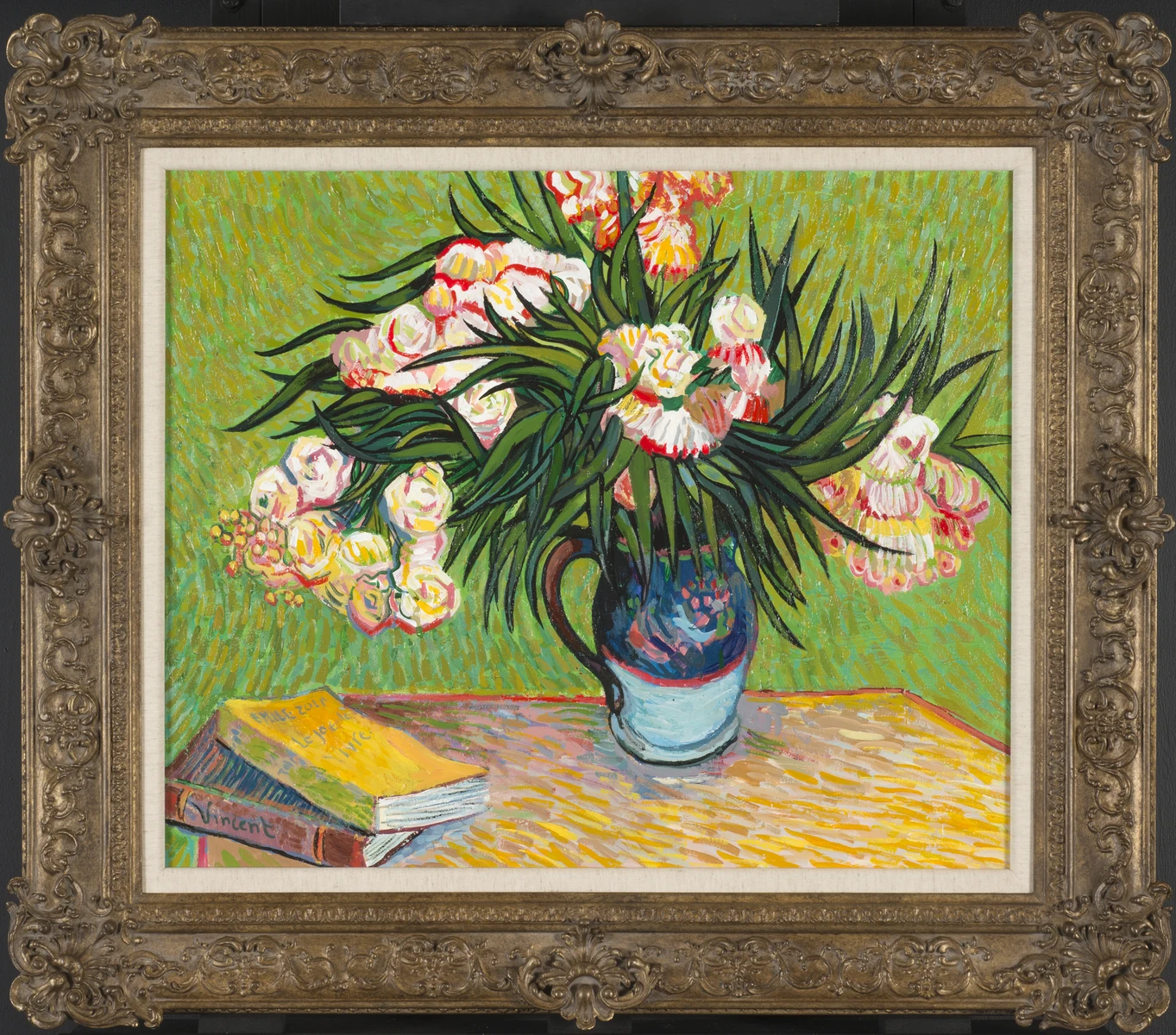
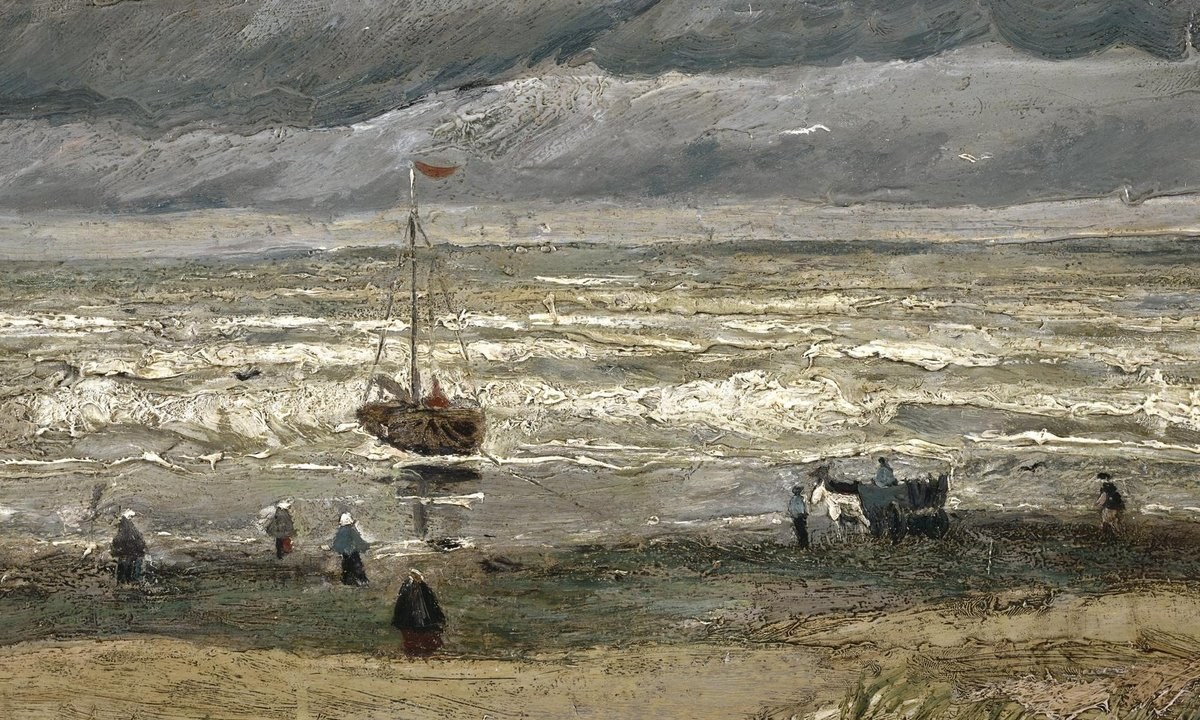 Van Gogh · Two paintingsAdvertised reward€100,000Archive · see outcome
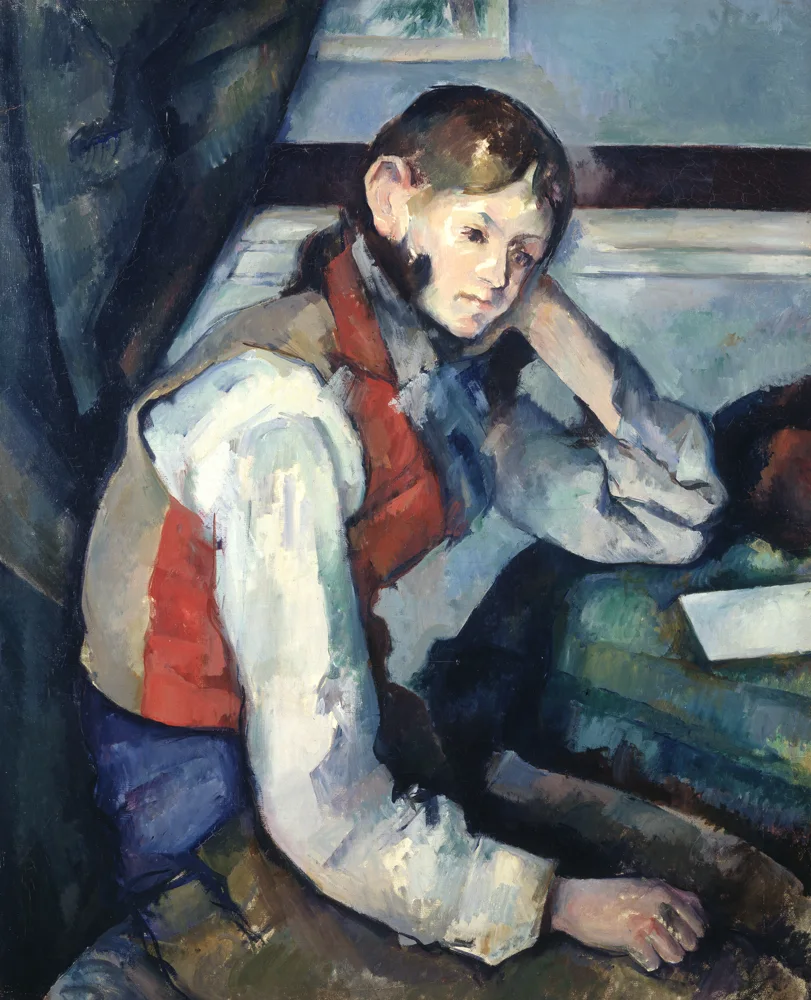 Bührle · RecoveredAdvertised rewardCHF 100,000Archive · see outcome
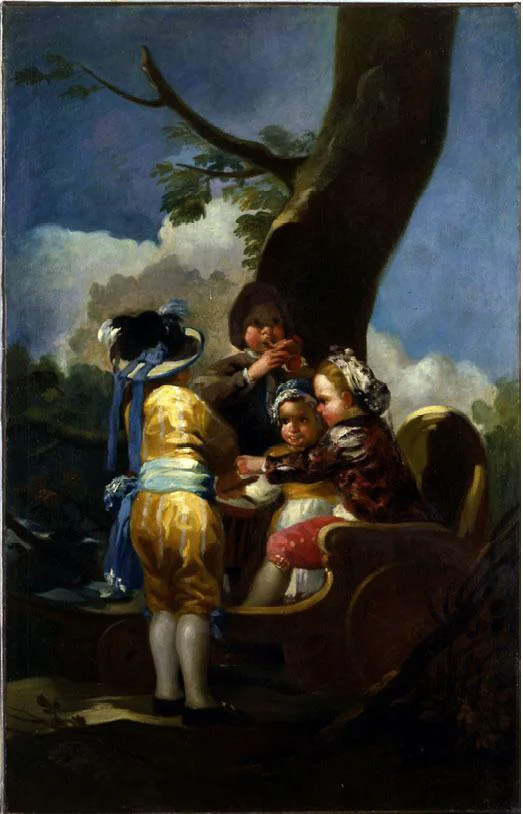 Goya · Children with a CartUp to$50,000Archive · see outcome
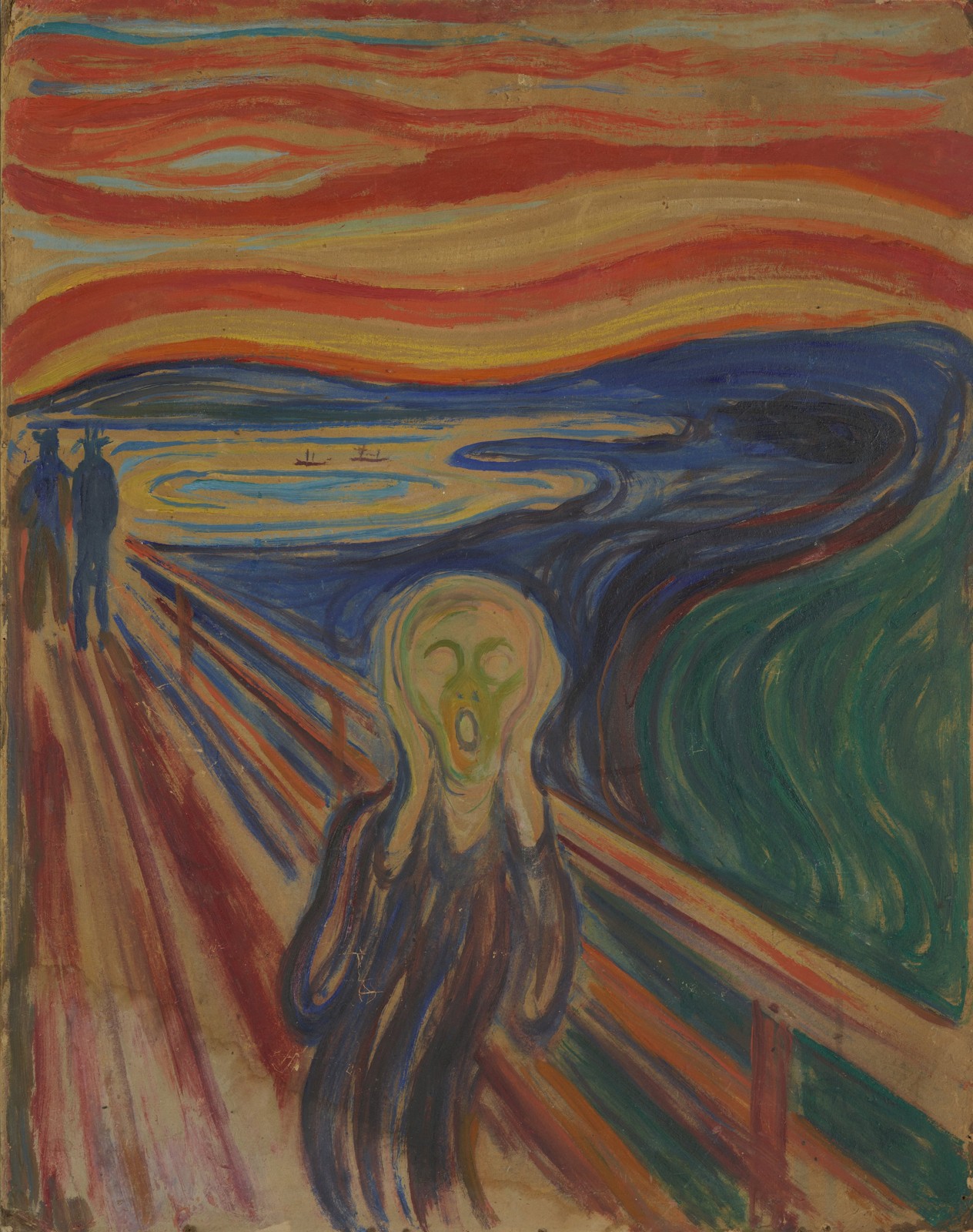 Munch · Two paintingsUp toNOK 2,000,000Archive · see outcome
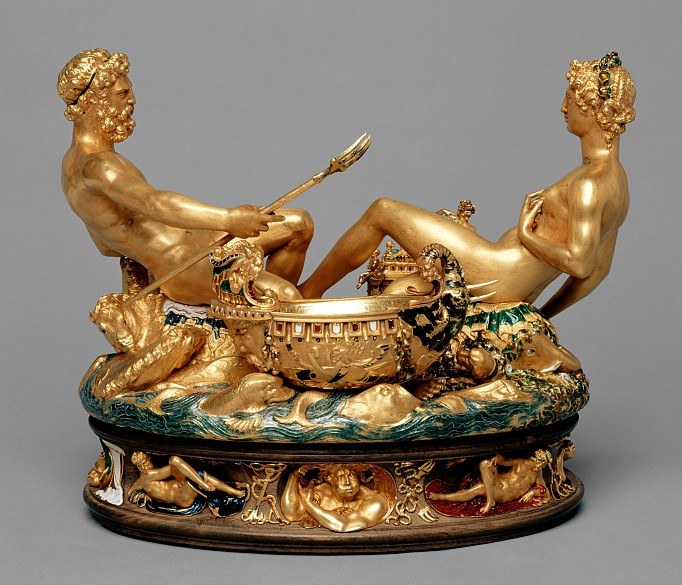 Cellini · SalieraAdvertised reward€70,000Archive · see outcome
106–126 of 165 reports
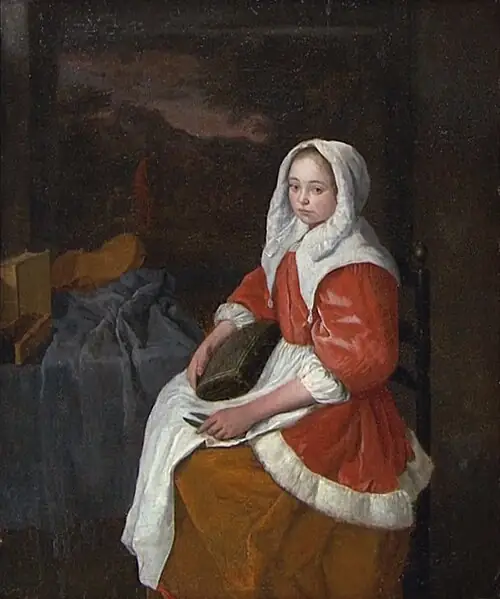
Joost van Geel / Wikimedia Commons · Public domain · Resized for display Image source ↗ · CC BY-SA 4.0
John Hoogsteder identified a privately owned lacemaker as a work by Joost van Geel after research for Tussen Kunst en Kitsch. Traces of a signature, style, subject and provenance back to 1780 supported the attribution, replacing an initial suggestion of Gabriel Metsu. The owner received the result during filming in October 2010.
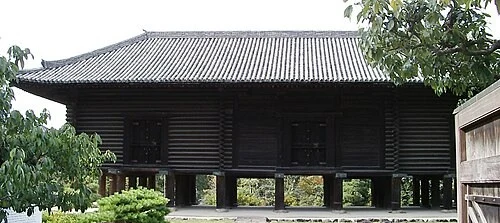
Moja~commonswiki Image source ↗ · CC BY-SA 4.0
Researchers identified two blades from beneath the Great Buddha at Tōdai-ji as swords formerly listed among the Shōsōin treasures. Radiography revealed their inscriptions and helped connect them to records of imperial donations.
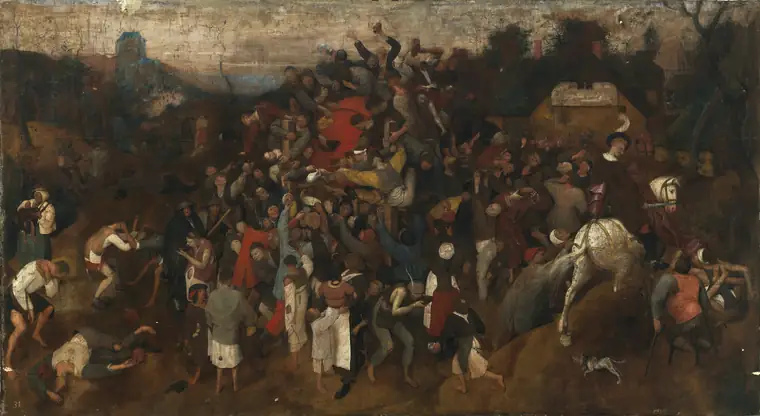
Pieter Bruegel the Elder / Faithful reproduction of a public-domain two-dimensional artwork; image supplied in the source notice. · Resized for display Image source ↗ · CC BY-SA 4.0
Months of examination and treatment led the Prado to identify The Wine of Saint Martin’s Day as an original Pieter Bruegel the Elder. Previously in a Spanish private collection, the large tempera painting expanded the artist’s small surviving oeuvre. The September 2010 announcement preceded acquisition and subsequent restoration, rather than reporting an already completed purchase.
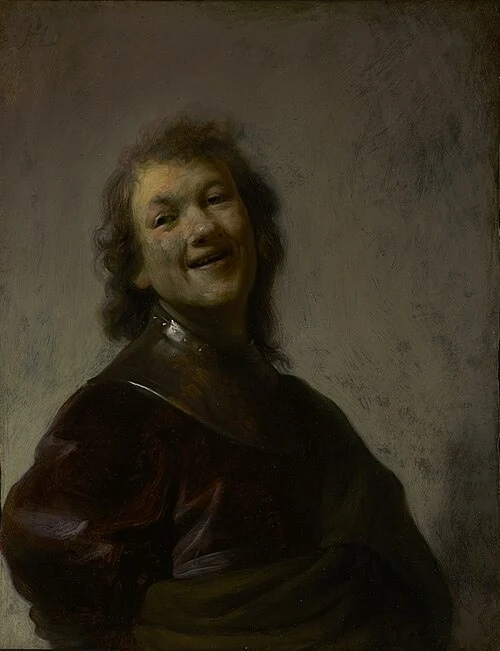
Rembrandt Image source ↗ · CC BY-SA 4.0
The small oil on copper now known as Rembrandt Laughing had been attributed to a follower at auction in England in 2007. By September 2010, the Denver Art Museum was showing it on loan after its reassessment as an early work by Rembrandt himself.
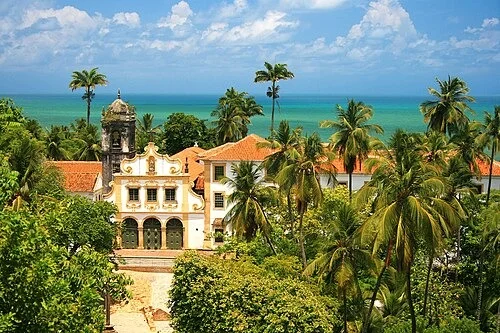
Photo: Valdiney Pimenta. Image source ↗ · CC BY 2.0
Police located the painting in Rio de Janeiro after it went missing from the Museum of Contemporary Art in Olinda, Pernambuco, earlier the same month.
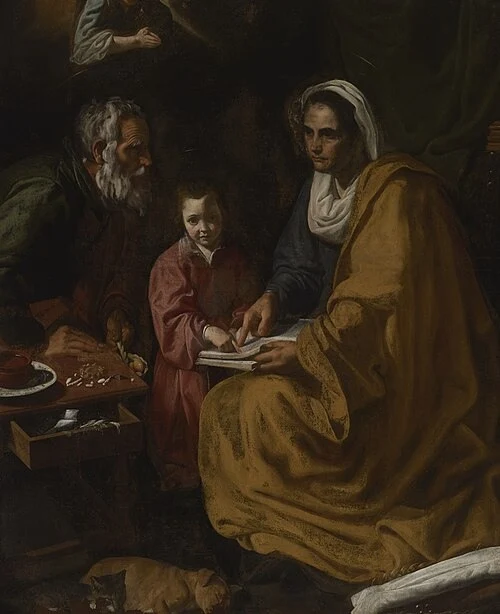
Presumably Diego Velázquez Image source ↗ · CC BY-SA 4.0
Yale publicized John Marciari’s proposed attribution of The Education of the Virgin to Diego Velázquez. The painting had been stored at the university and had suffered extensive damage. Marciari argued it belonged among the artist’s early Seville works.
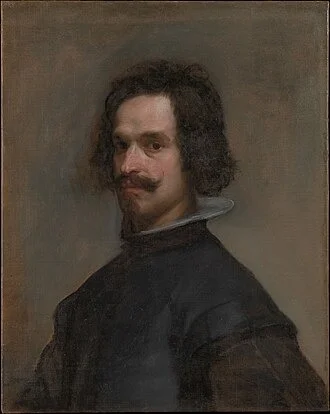
Photo: Diego Velázquez. Image source ↗ · CC0
After cleaning Portrait of a Man, the Metropolitan Museum of Art reassessed a work previously assigned to Velázquez’s workshop. The museum’s conservation and curatorial teams concluded that it was by Velázquez himself and presented the findings in an exhibition in 2009.
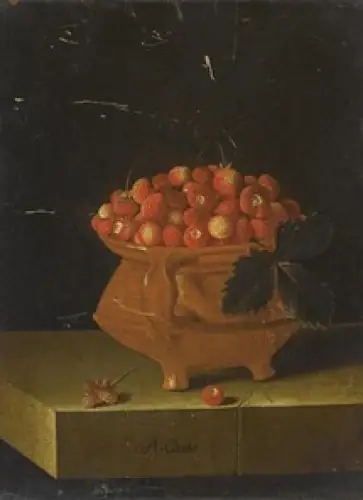
Adriaen Coorte / Faithful reproduction of a public-domain two-dimensional artwork; image supplied in the source notice. · Resized for display Image source ↗ · CC BY-SA 4.0
Sotheby’s announced two previously unrecorded Adriaen Coorte paintings found by a Dutch family in a cupboard. One depicts strawberries in an earthenware bowl, the other three peaches. Their identification expanded the small known oeuvre and led to an announced December sale; the discovery notice itself does not establish the auction result.
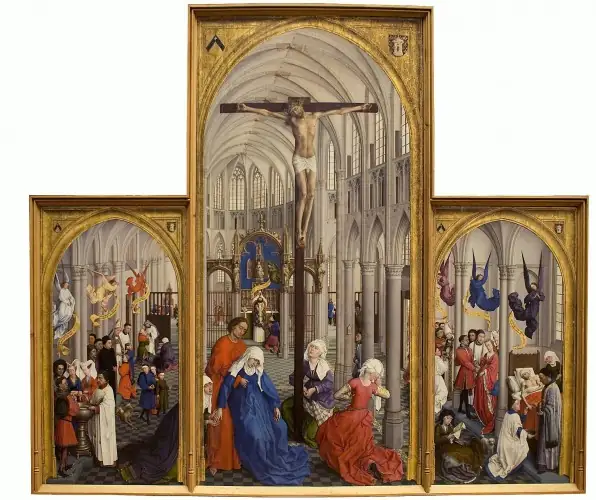
Rogier van der Weyden / Faithful reproduction of a public-domain two-dimensional artwork; image supplied in the source notice. · Resized for display Image source ↗ · CC BY-SA 4.0
A three-year treatment of Rogier van der Weyden’s Seven Sacraments was completed in 2009. Conservator Griet Steyaert consolidated unstable paint and removed obscuring varnish and retouching. Special attention was required for heads painted on tin foil and attached to the oak panels, revealing the unusual construction of the fifteenth-century triptych.
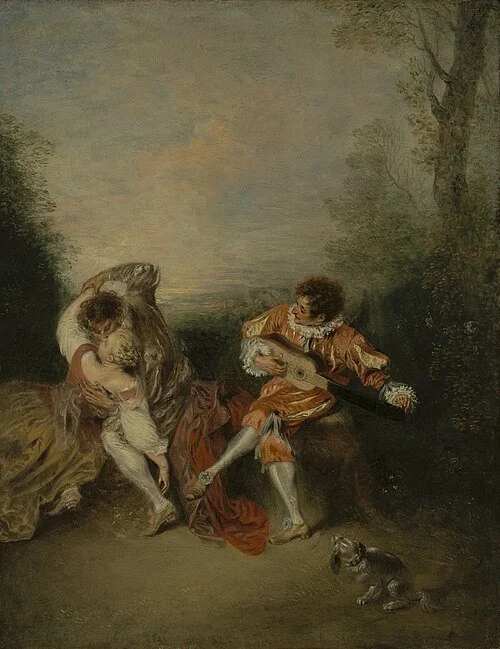
Jean-Antoine Watteau Image source ↗ · CC BY-SA 4.0
Christie’s sold La Surprise for £12,361,250 after it was identified in a British country house in 2007. The painting had been out of public view for nearly two centuries and was known to scholars through a copy and an engraving. It later entered the Getty collection.
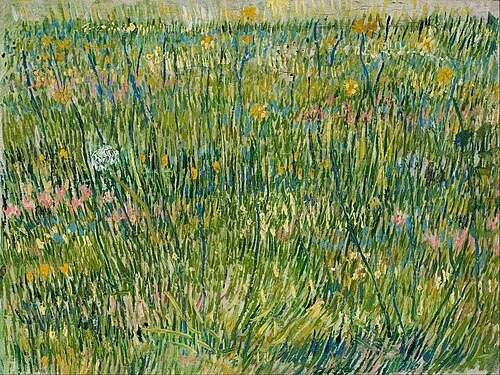
Vincent van Gogh Image source ↗ · CC BY-SA 4.0
A research team mapped elements in paint layers to reconstruct a woman’s face beneath Van Gogh’s landscape Patch of Grass. Work at the DESY synchrotron in Hamburg helped expose the earlier composition without removing the surface paint.
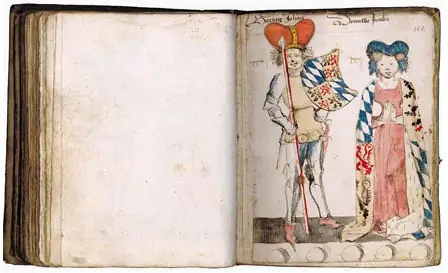
Hendrik van Heessel / Faithful reproduction of a public-domain two-dimensional artwork; image supplied in the source notice. · Resized for display Image source ↗ · CC BY-SA 4.0
Wim van Anrooij dated a portrait sequence in the Hendrik Conscience Library’s heraldic manuscript to 1456 and identified its compiler as Hendrik van Heessel. The result placed it decades before the familiar Haarlem town-hall series. The discovery changed the documented chronology of this dynastic portrait tradition.
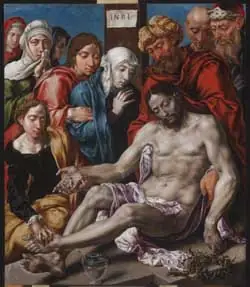
Maerten van Heemskerck / Faithful reproduction of a public-domain two-dimensional artwork; image supplied in the source notice. · Resized for display Image source ↗ · CC BY-SA 4.0
Infrared investigation and conservation of Maerten van Heemskerck’s Lamentation exposed five background figures hidden by heavy overpainting. Their good underlying condition allowed the Museum of Fine Arts to recover the original composition. The 2007 treatment also strengthened the painting’s placement within Heemskerck’s oeuvre.
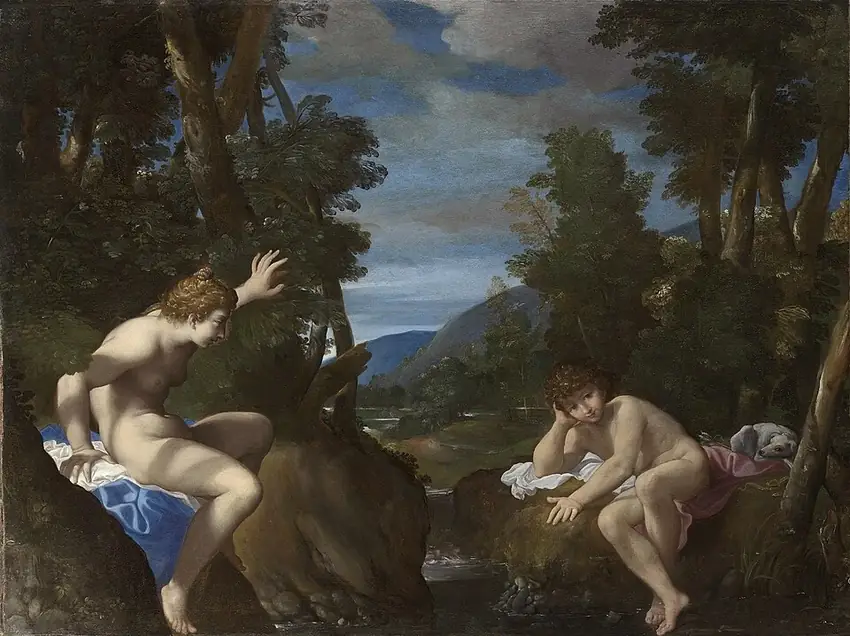
Attributed to Ludovico Carracci Image source ↗ · CC BY-SA 4.0
Christie’s sold the rediscovered Salmacis and Hermaphroditus for £7.4 million in London, over six times its high estimate. The price set an auction record for Ludovico Carracci.
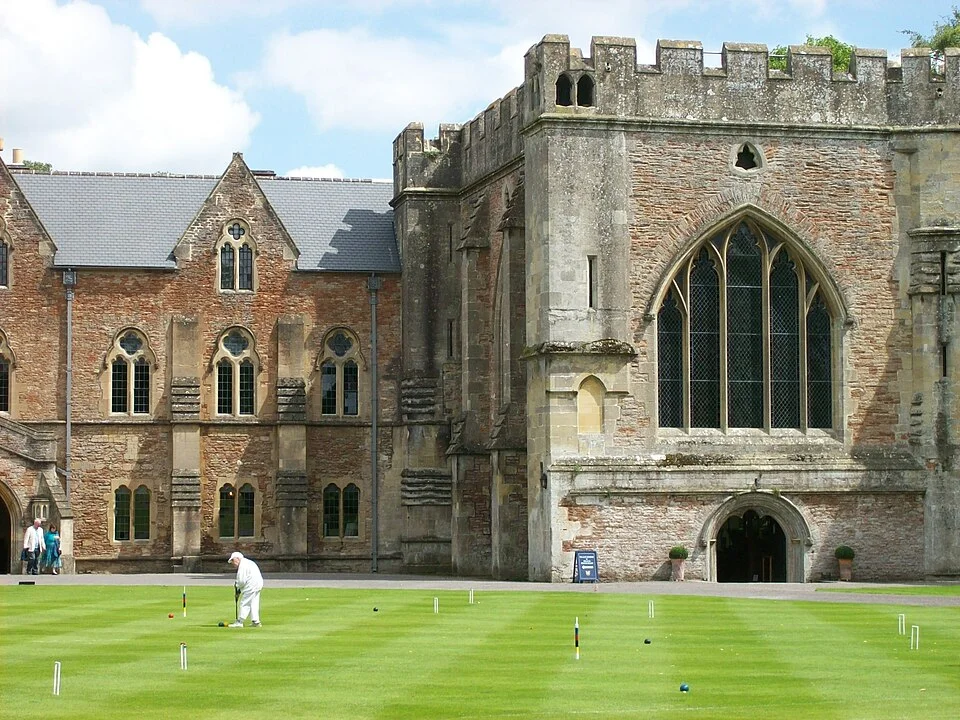
Photo: Tony Grist. Image source ↗ · License / Licence
The University of Bristol reported that a medieval manuscript helped identify a figure found beneath floorboards at the Bishop’s Palace. A painted garden may have surrounded the figure.
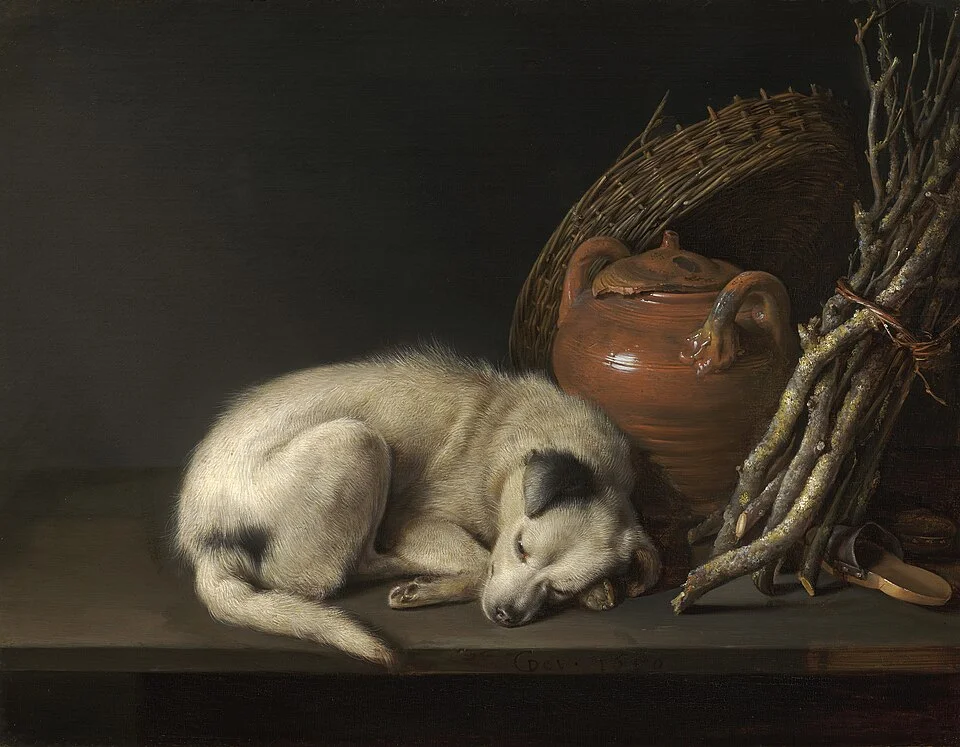
Photo: Gerrit Dou. Image source ↗ · License / Licence
Christie’s announced the return to the public market of a rediscovered still life by Gerrit Dou, part of its May 2005 Old Masters auction in New York.
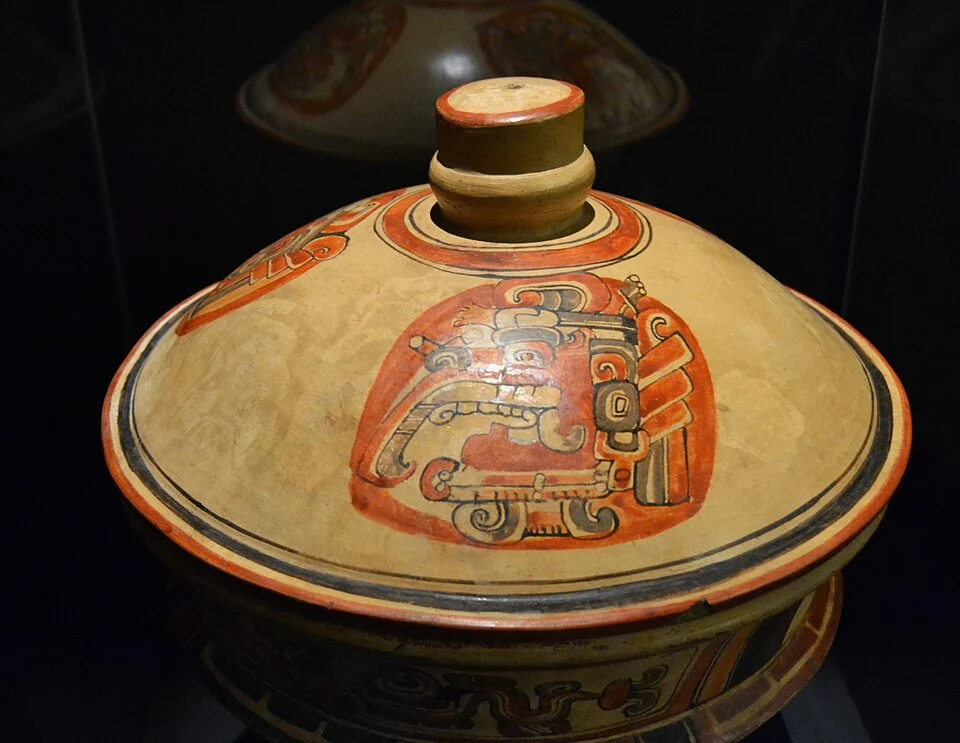
Joanbanjo Image source ↗ · CC BY-SA 4.0
Archaeologists excavating the ancient city of Waka’ found two Early Classic burials in April 2005. Seven painted vessels accompanied the burials. On 18 April the team opened the chamber containing two of the women beneath a shrine.
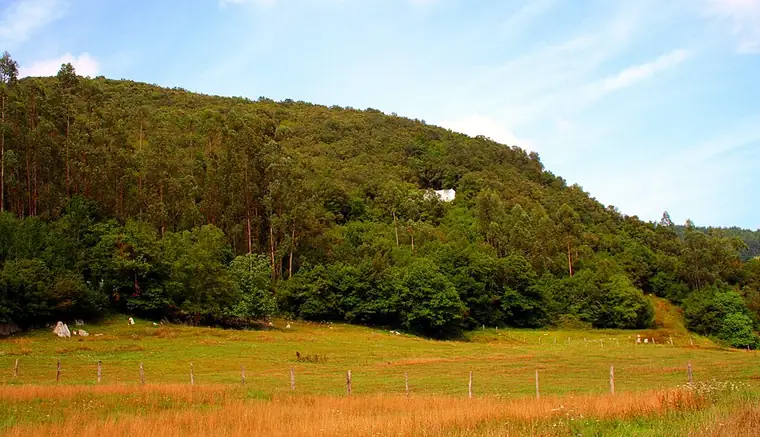
Mario modesto · Resized for display Image source ↗ · CC BY-SA 4.0
During the 2005 field season, researchers identified engraved plaquettes in Zone IV of La Garma’s Lower Gallery. The discovery prompted closer examination of small calcite and flowstone objects on the occupation floors. Subsequent study recorded animal figures, an anthropomorph and non-figurative designs.
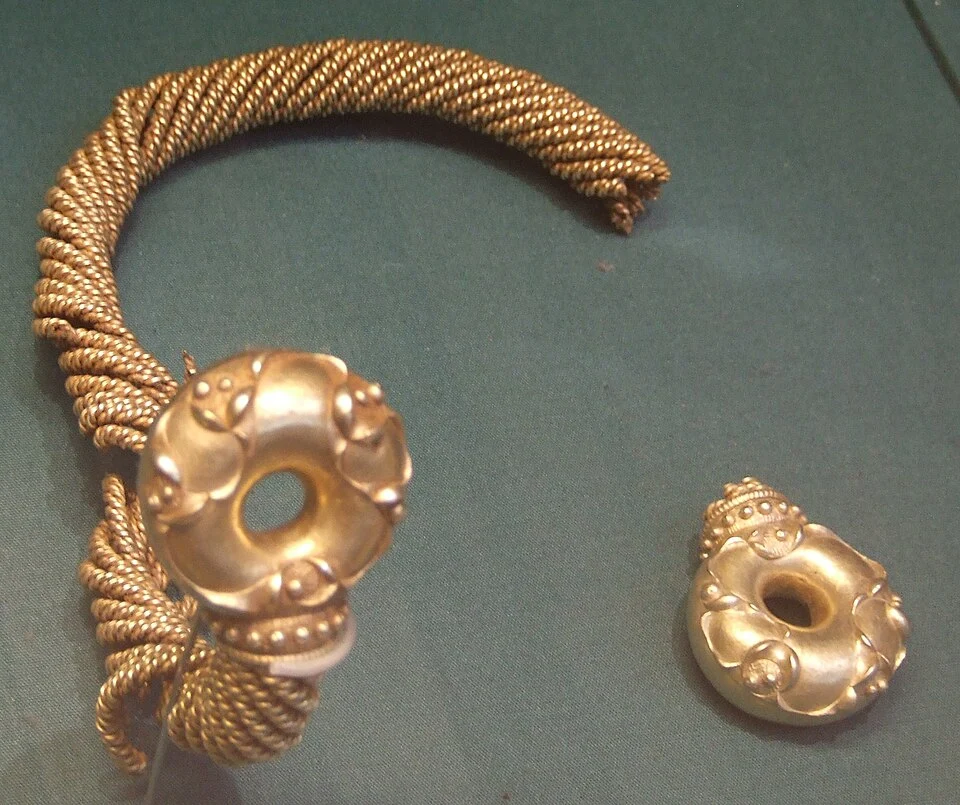
Wikimedia Commons Image source ↗ · CC BY-SA 4.0
A gold terminal found near Sedgeford was identified as the missing end of an Iron Age torc discovered in 1965. The British Museum later acquired the matching piece.
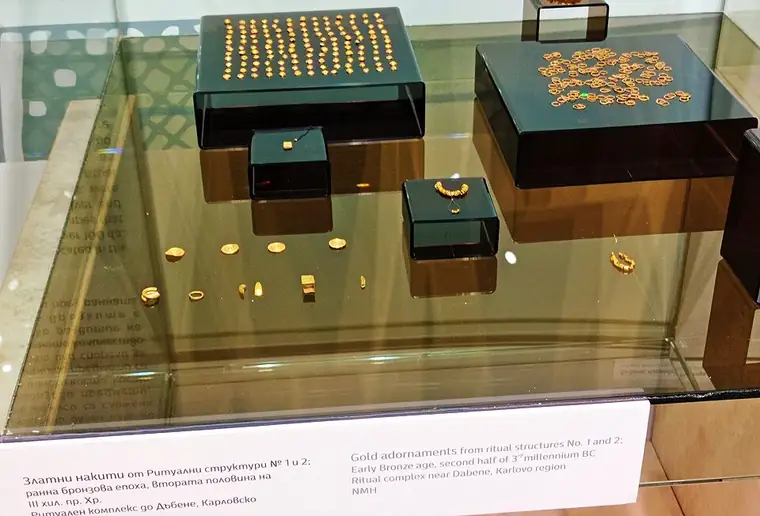
Ivano Giambattista · Resized for display Image source ↗ · CC BY-SA 4.0
The first gold finds at Dabene in 2004 led to investigation of low ritual mounds in Bulgaria’s Karlovo valley. Thousands of finely made Bronze Age ornaments were subsequently recovered. The finds raised questions about specialised goldworking and ritual deposition in the third millennium BC.
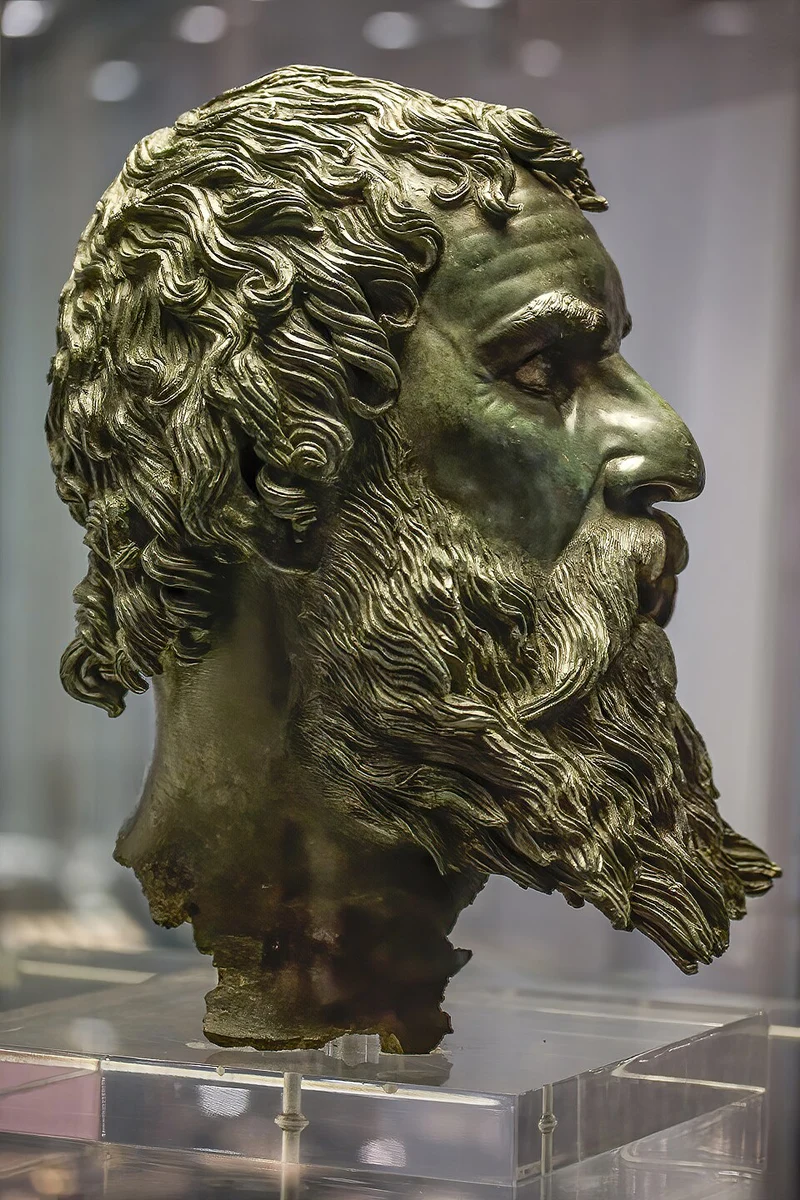
Ann Wuyts Image source ↗ · CC BY-SA 4.0
Excavation of the Golyama Kosmatka mound near Shipka yielded a bronze portrait head. The Bulgarian National Archaeological Institute identifies it as a portrait of Seuthes III.
The week’s key developments in art theft, forgery, recovery, restitution and the courts. Every Monday.
Subscribe →