01 HISTORICAL DOSSIERS
Still Missing
The artworks still sought. The families still searching.
Explore the cases
Reports on works that resurfaced after years out of view or were identified in collections.
Clocks show the time now. Below each clock: the latest documented case in that country from our archive.
Red mark: source-reported theft time. An arc shows a reported time window on the outer 24-hour scale. Only shown where timing is documented.
“Published” is the report date, not the theft date. Cases may cover thefts, recoveries or returns. Click a clock for the case details and source.
These are the six leading countries in an INTERPOL register snapshot published by a Cornell Data Journal team on 16 December 2023. Counts refer to objects registered as stolen, not theft incidents. This historical snapshot is not a current, comprehensive worldwide ranking.
Published analysis ↗Underlying data table ↗About the INTERPOL register ↗
Explore reported theft locations in the archive.
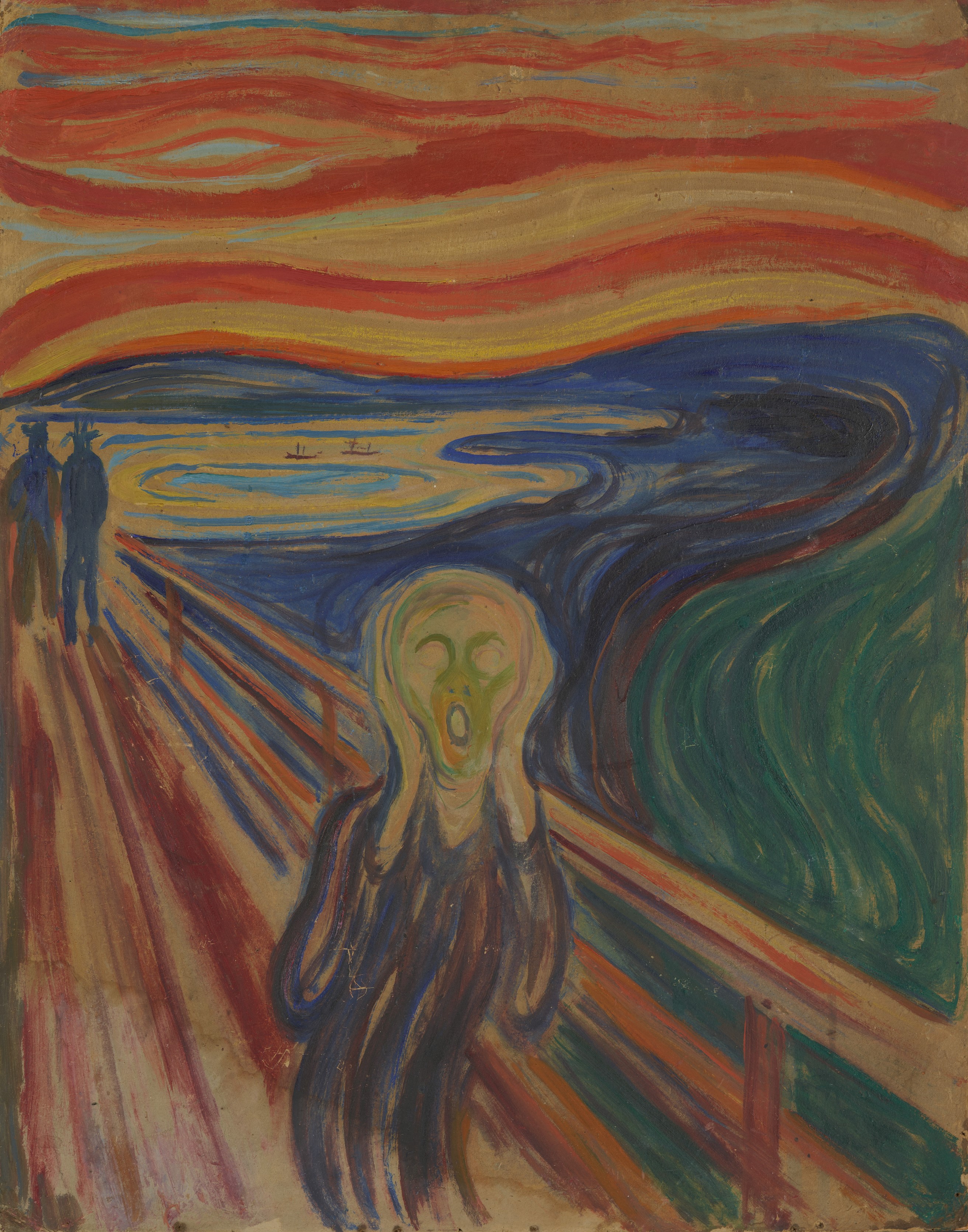 2004
This time there was no ladder and no taunting postcard. Armed men entered an open museum while visitors were inside.
Read the story 3 min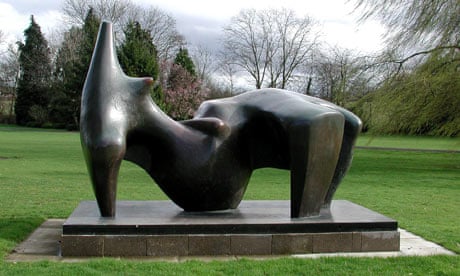 2005
The bronze seemed too heavy to steal. A crane made its weight manageable, and its artistic value may not have mattered to the thieves.
Read the story 3 min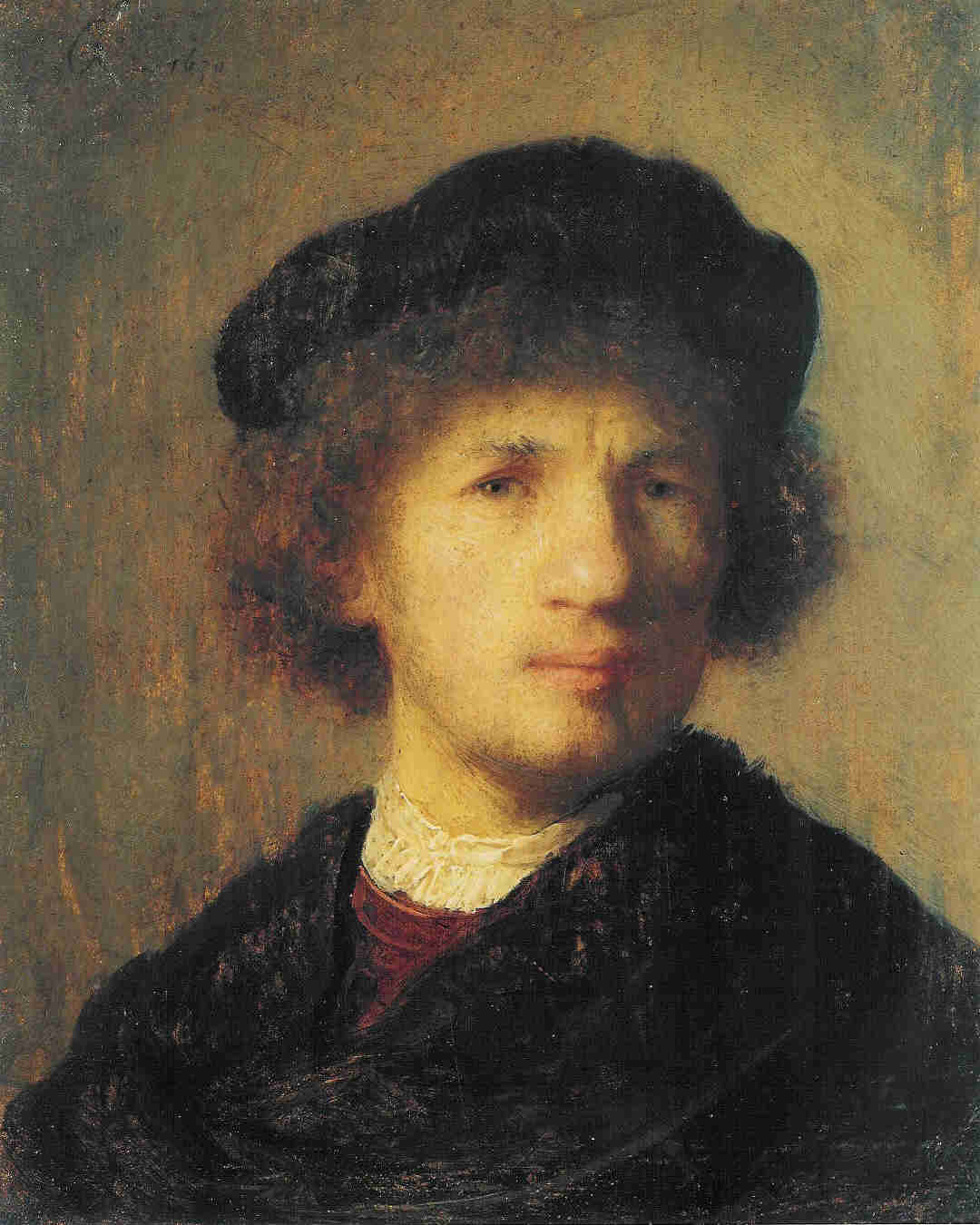 2000
An armed robbery emptied three spaces in Stockholm. The return took years, several countries and an undercover operation.
Read the story 3 min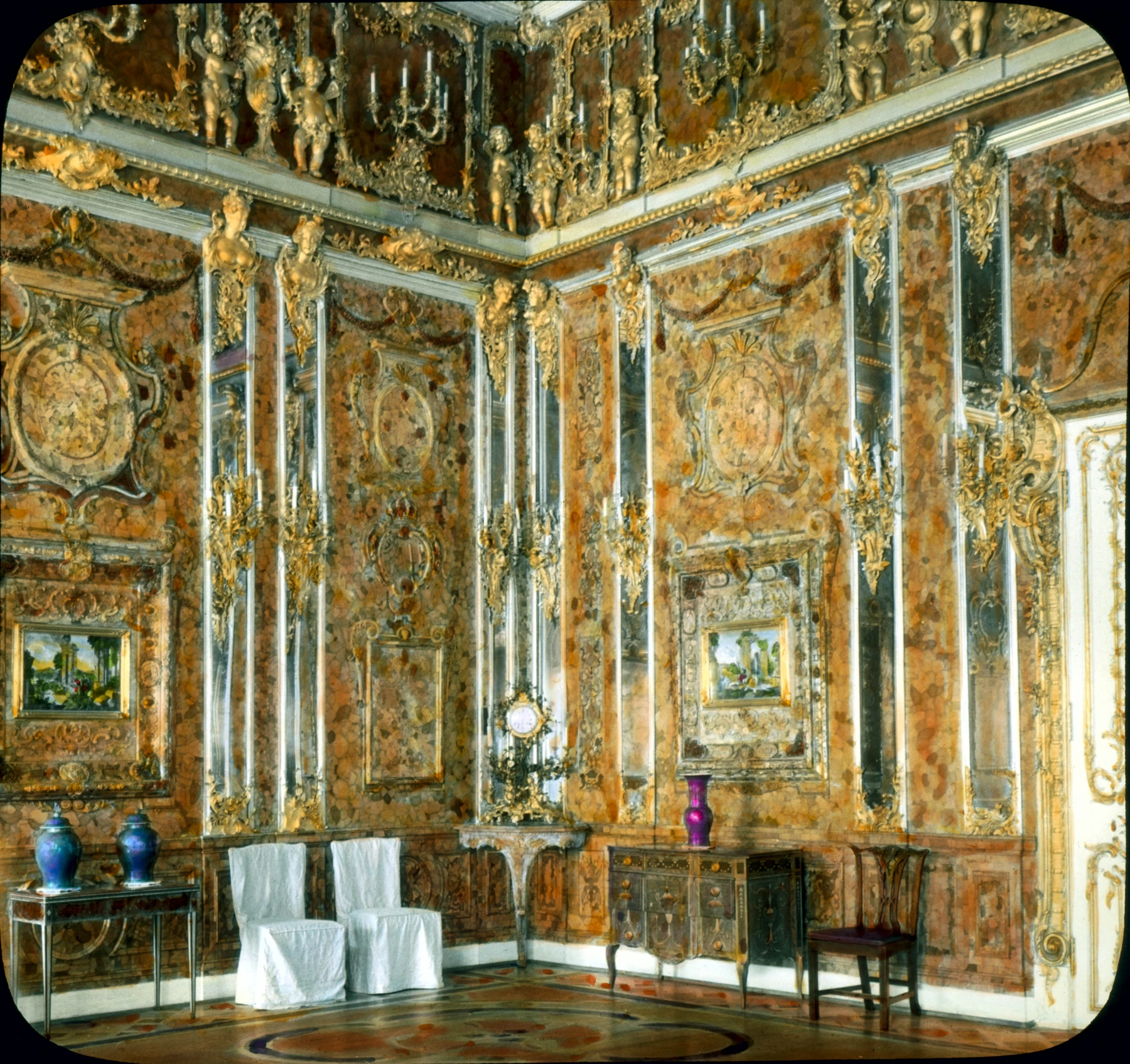
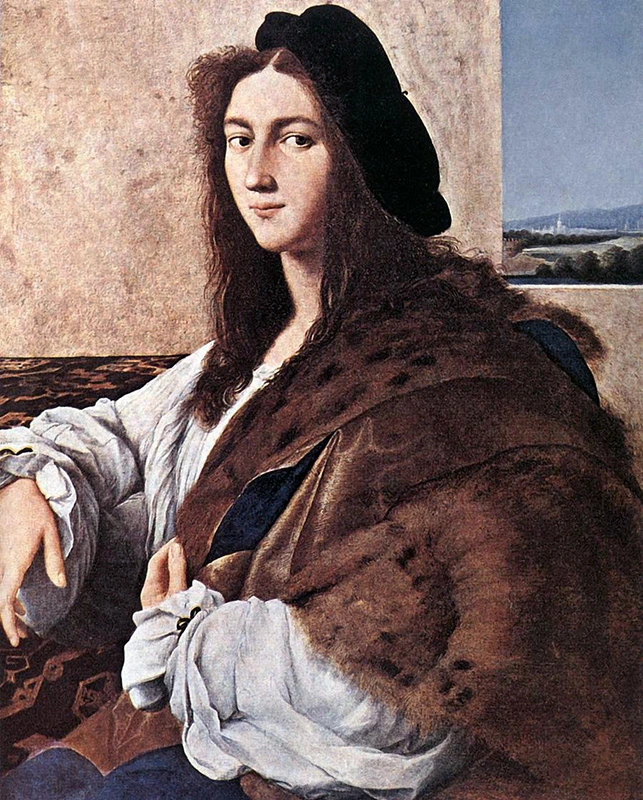
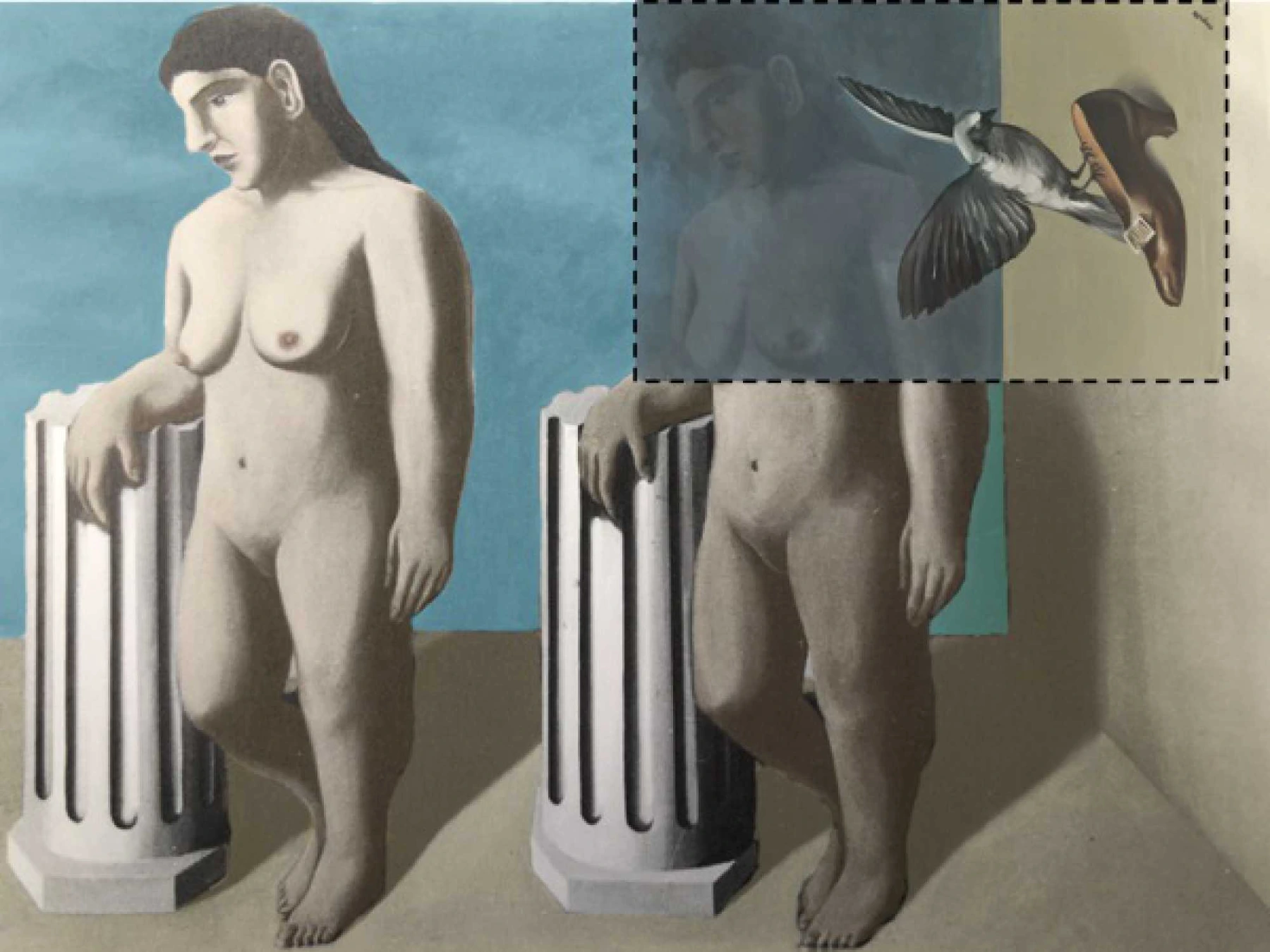
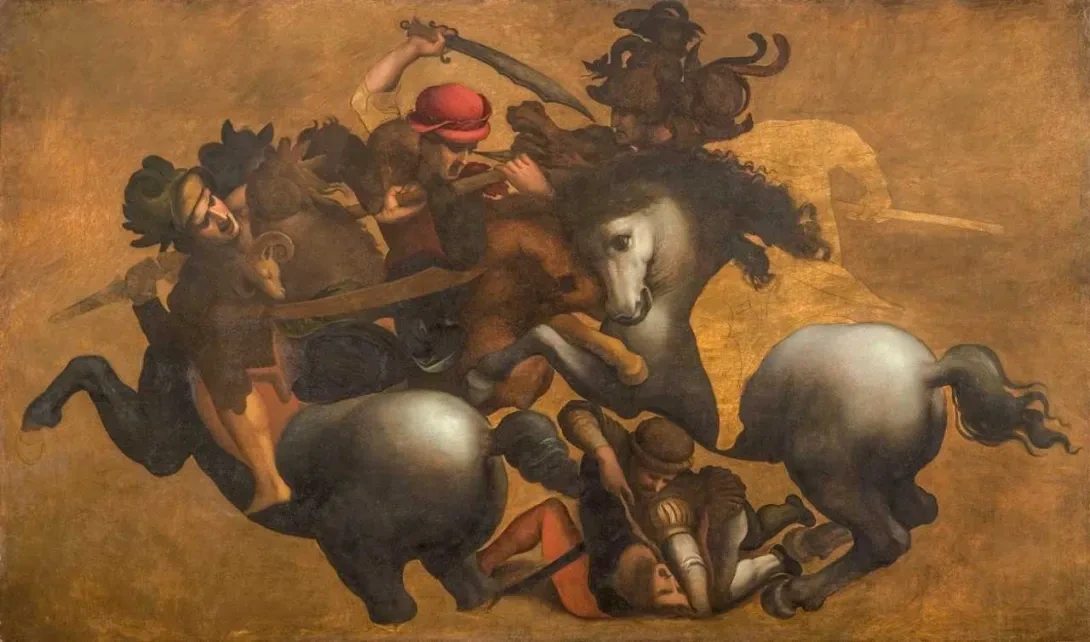
The artworks still sought. The families still searching.
Explore the cases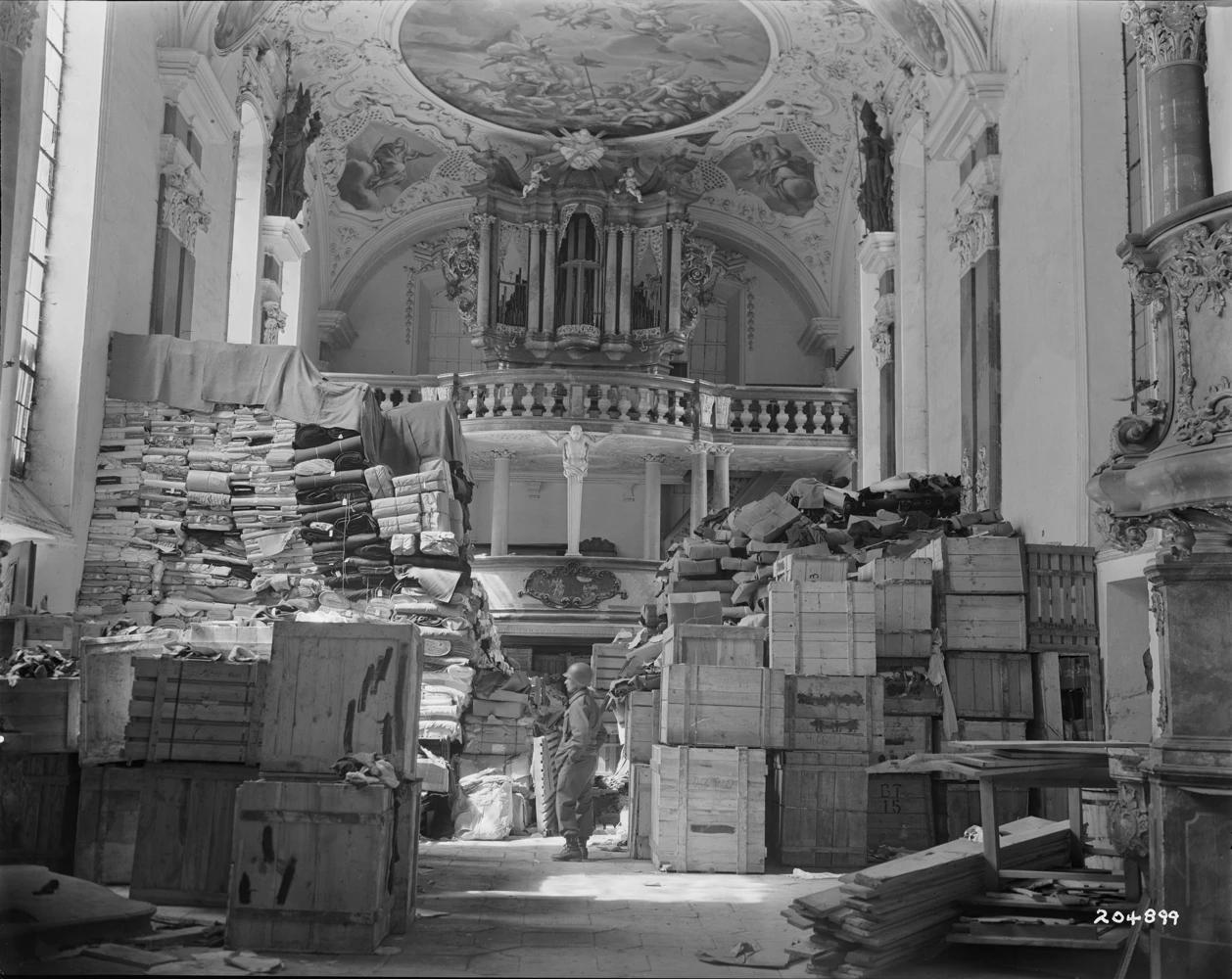

Dispossession, long battles and the paths to restitution.
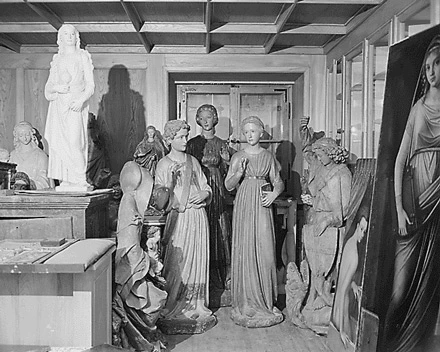
Explore the casesThe upper strip shows details of the featured artworks; the lower strip uses World War II archive photographs as historical context.
87 entries · 88 documented offers · terms apply
Newest additions first · up to ten entries in each group.
Official sources checked; terms apply.
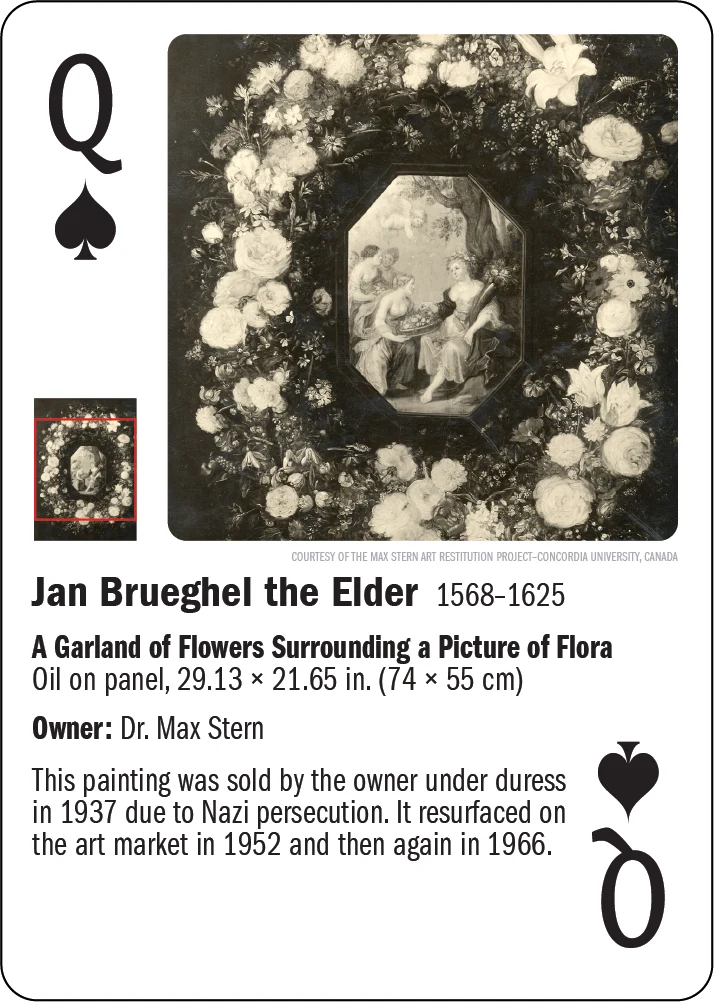 Jan Brueghel the Elder · A Garland of Flowers Surrounding a Picture of FloraUp to$15,000Monuments Men and Women FoundationEnds: 2026-12-31
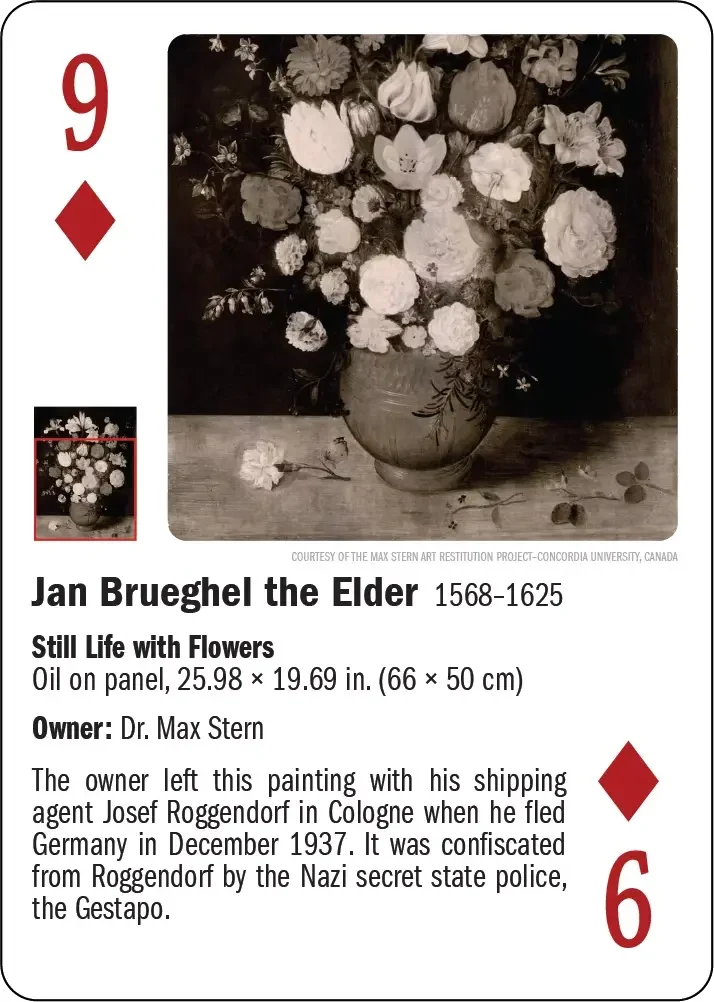 Jan Brueghel the Elder · Still Life with FlowersUp to$7,500Monuments Men and Women FoundationEnds: 2026-12-31
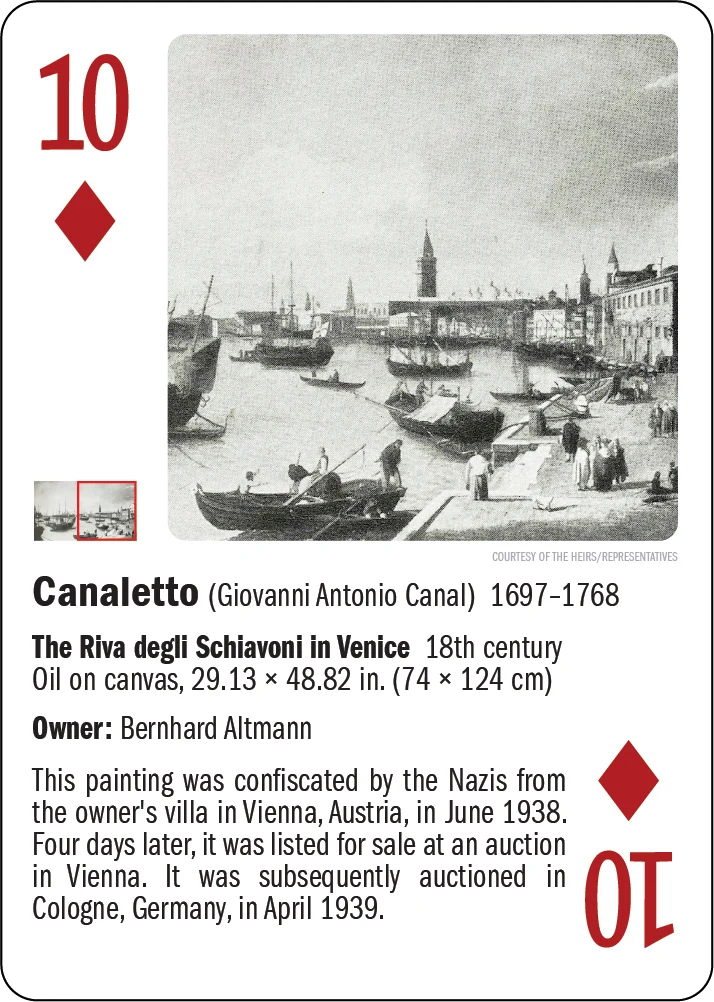 Canaletto · The Riva degli Schiavoni in VeniceUp to$7,500Monuments Men and Women FoundationEnds: 2026-12-31
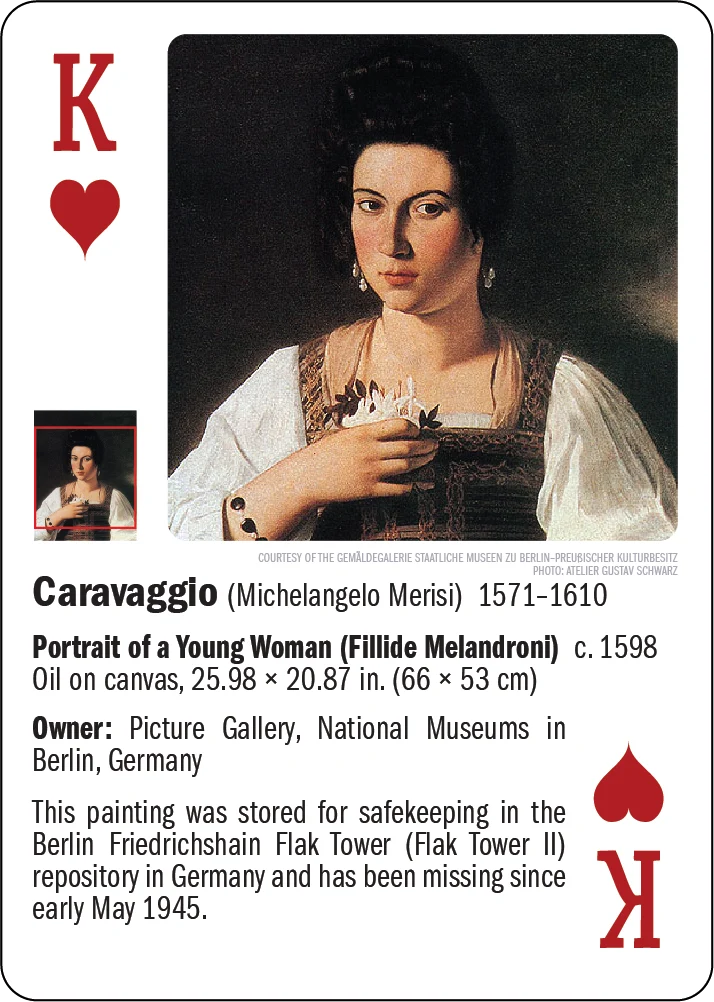 Caravaggio · Portrait of a Young Woman (Fillide Melandroni)Up to$20,000Monuments Men and Women FoundationEnds: 2026-12-31
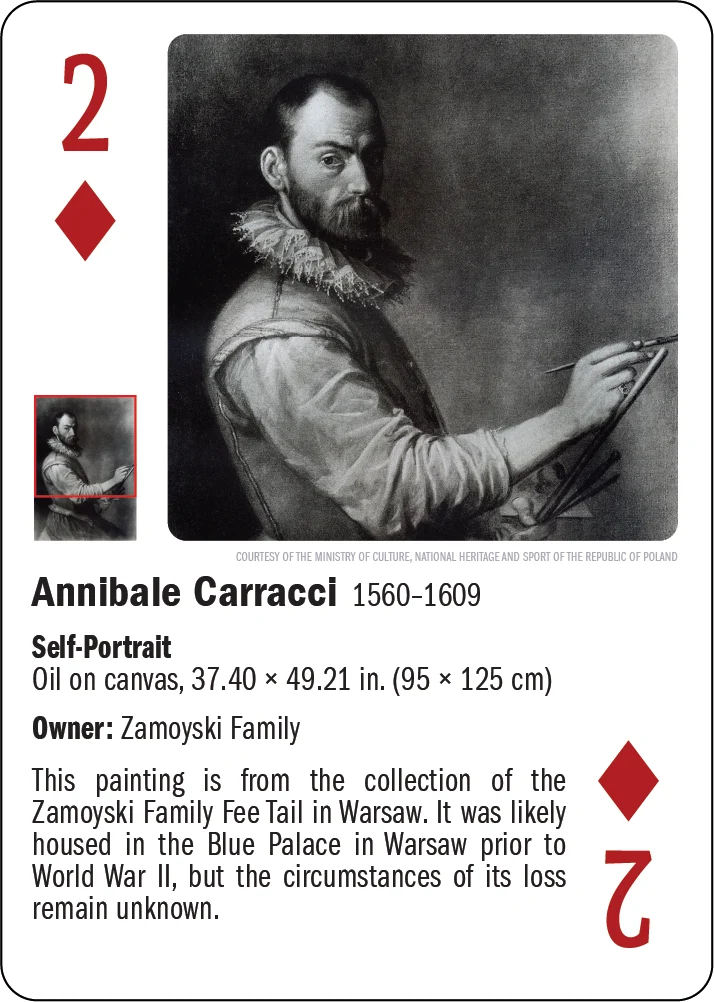 Annibale Carracci · Self-PortraitUp to$2,500Monuments Men and Women FoundationEnds: 2026-12-31
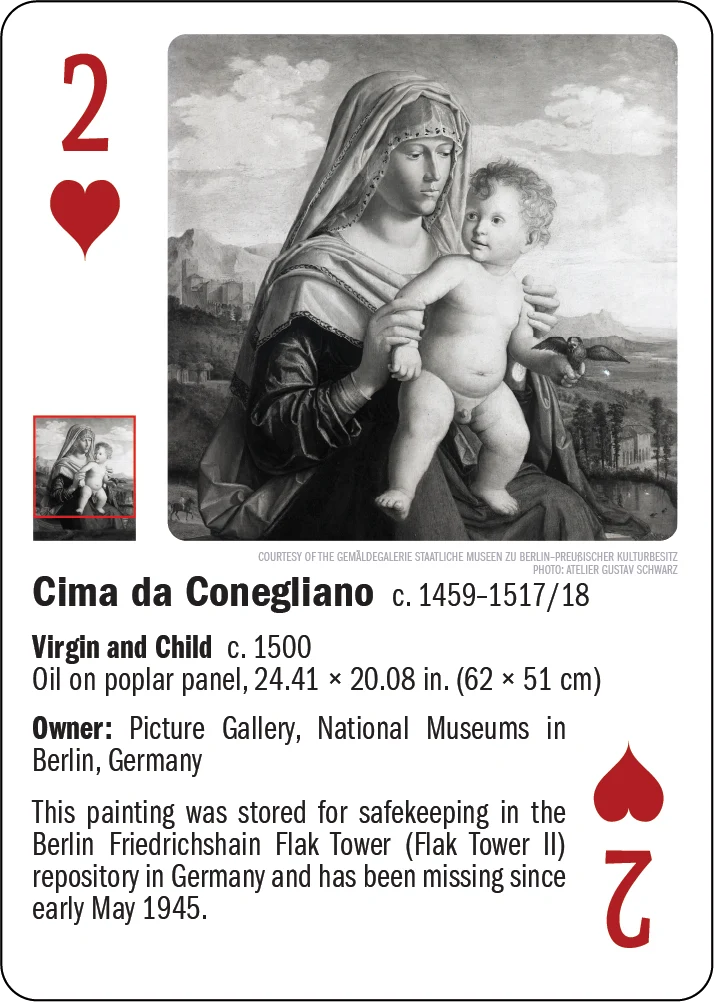 Cima da Conegliano · Virgin and ChildUp to$2,500Monuments Men and Women FoundationEnds: 2026-12-31
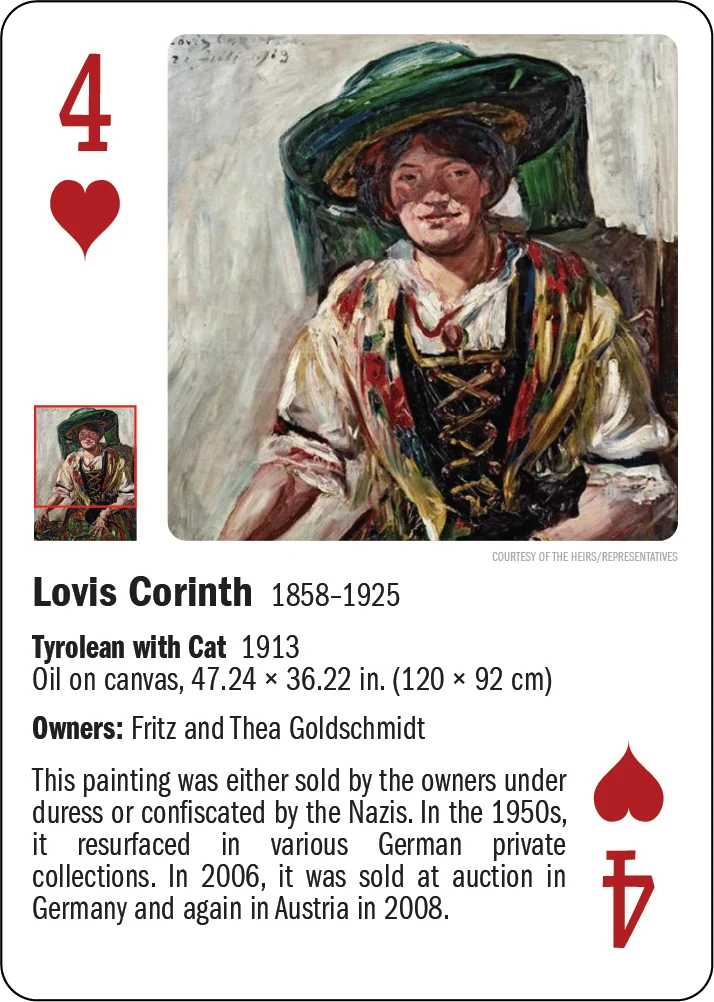 Lovis Corinth · Tyrolean with CatUp to$2,500Monuments Men and Women FoundationEnds: 2026-12-31
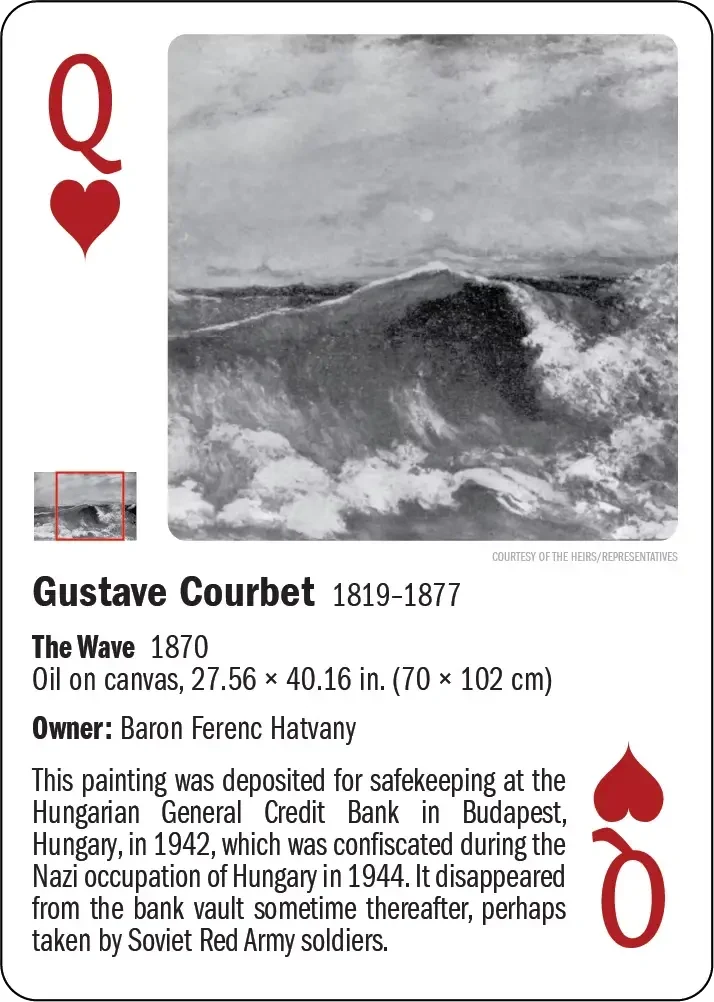 Gustave Courbet · The WaveUp to$15,000Monuments Men and Women FoundationEnds: 2026-12-31
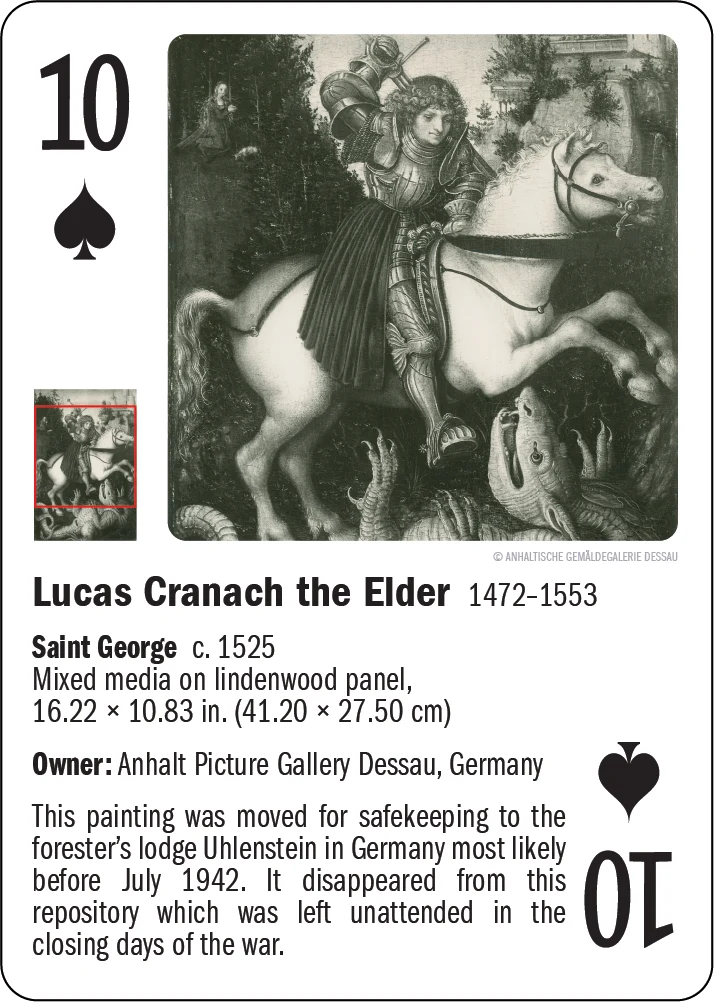 Lucas Cranach the Elder · Saint GeorgeUp to$7,500Monuments Men and Women FoundationEnds: 2026-12-31
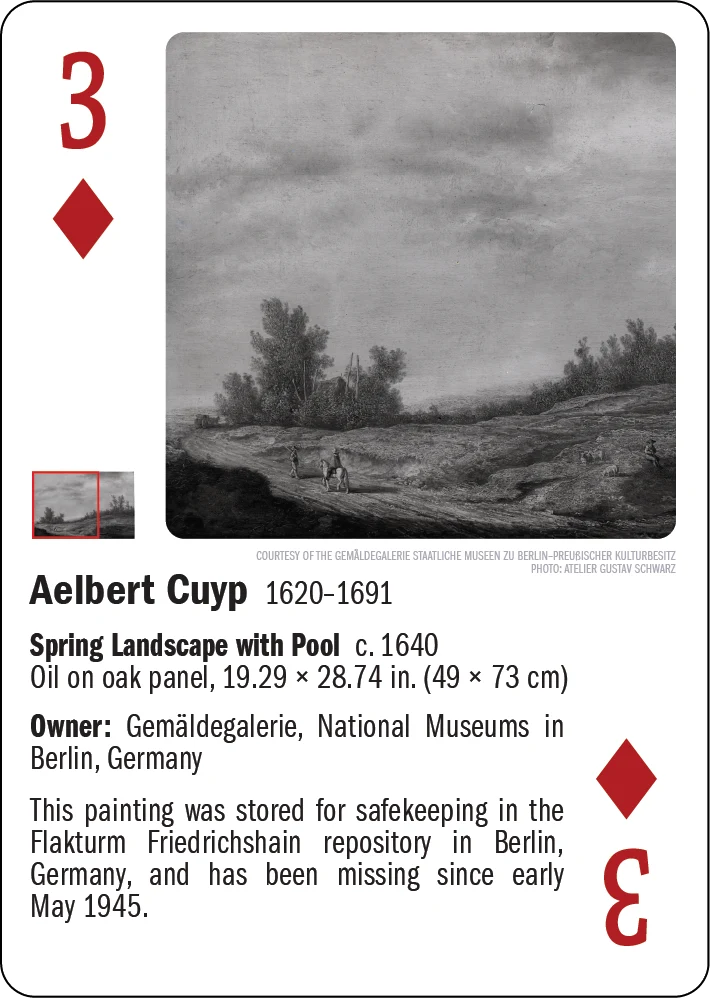 Aelbert Cuyp · Spring Landscape with PoolUp to$2,500Monuments Men and Women FoundationEnds: 2026-12-31
10 of 59 entries · see the full list for the rest.
Amounts reported by the cited sources, without confirmation that the offers remain valid.
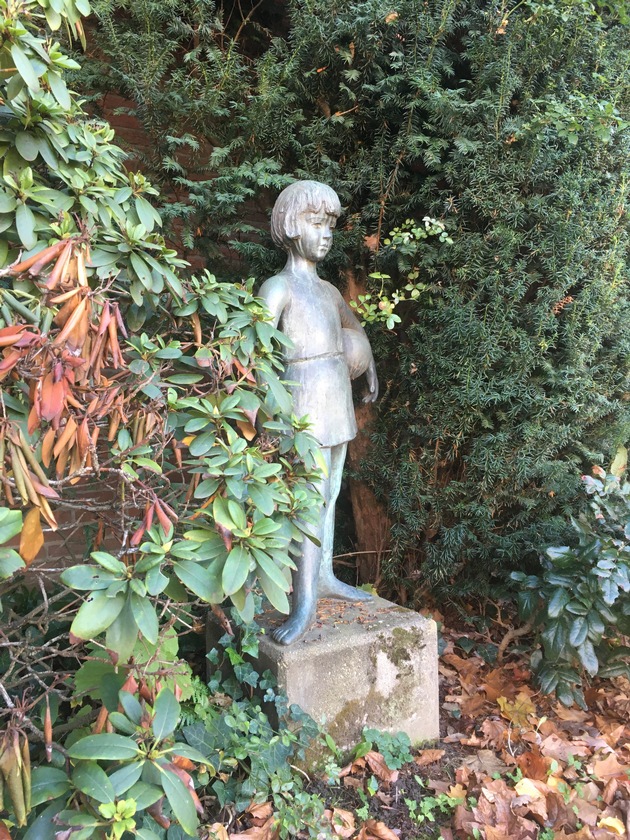 Heinrich Martens’s bronze girl with a ballUp to€5,000Validity unconfirmed
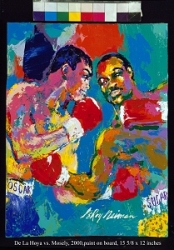 LeRoy Neiman — Oscar de la Hoya – Shane MosleyAdvertised reward$5,000Centaur Art GalleriesValidity unconfirmed
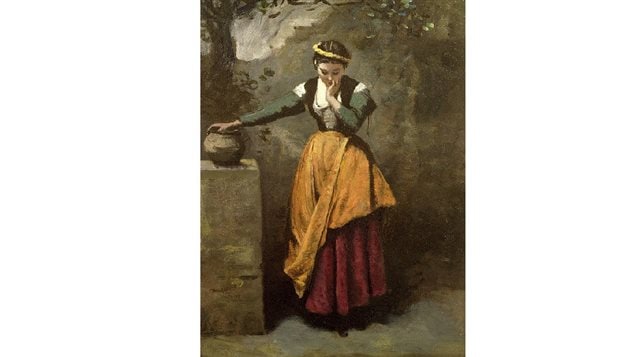 Montreal Museum of Fine Arts — 1972 theftAdvertised rewardAmount not publishedInsurers, according to Radio Canada InternationalValidity unconfirmed
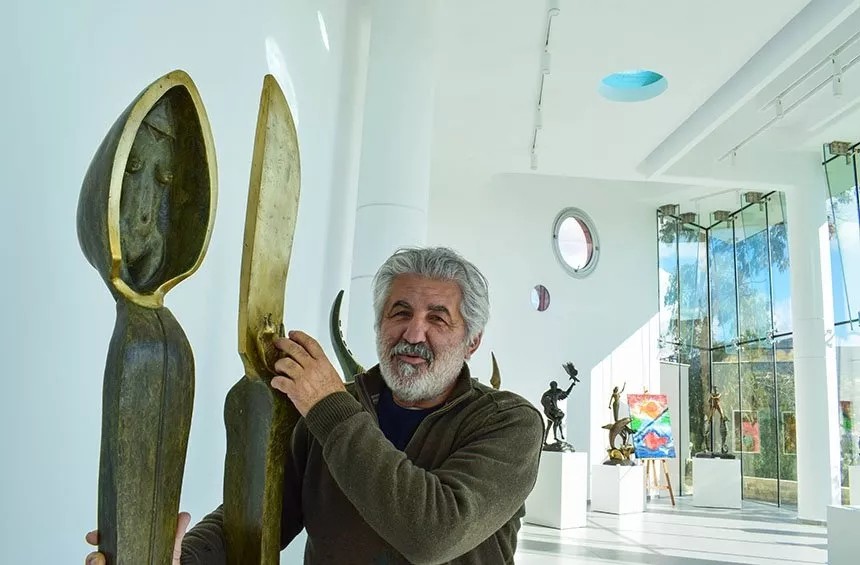 Giapanis · BalanceAdvertised reward€5,000Validity unconfirmed
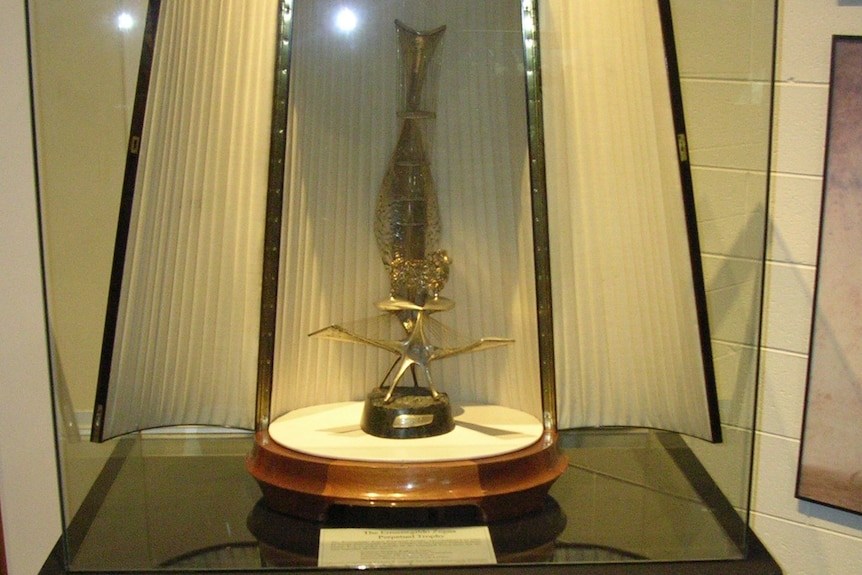 Zegna · Gold sheep trophyAdvertised rewardA$15,000Validity unconfirmed
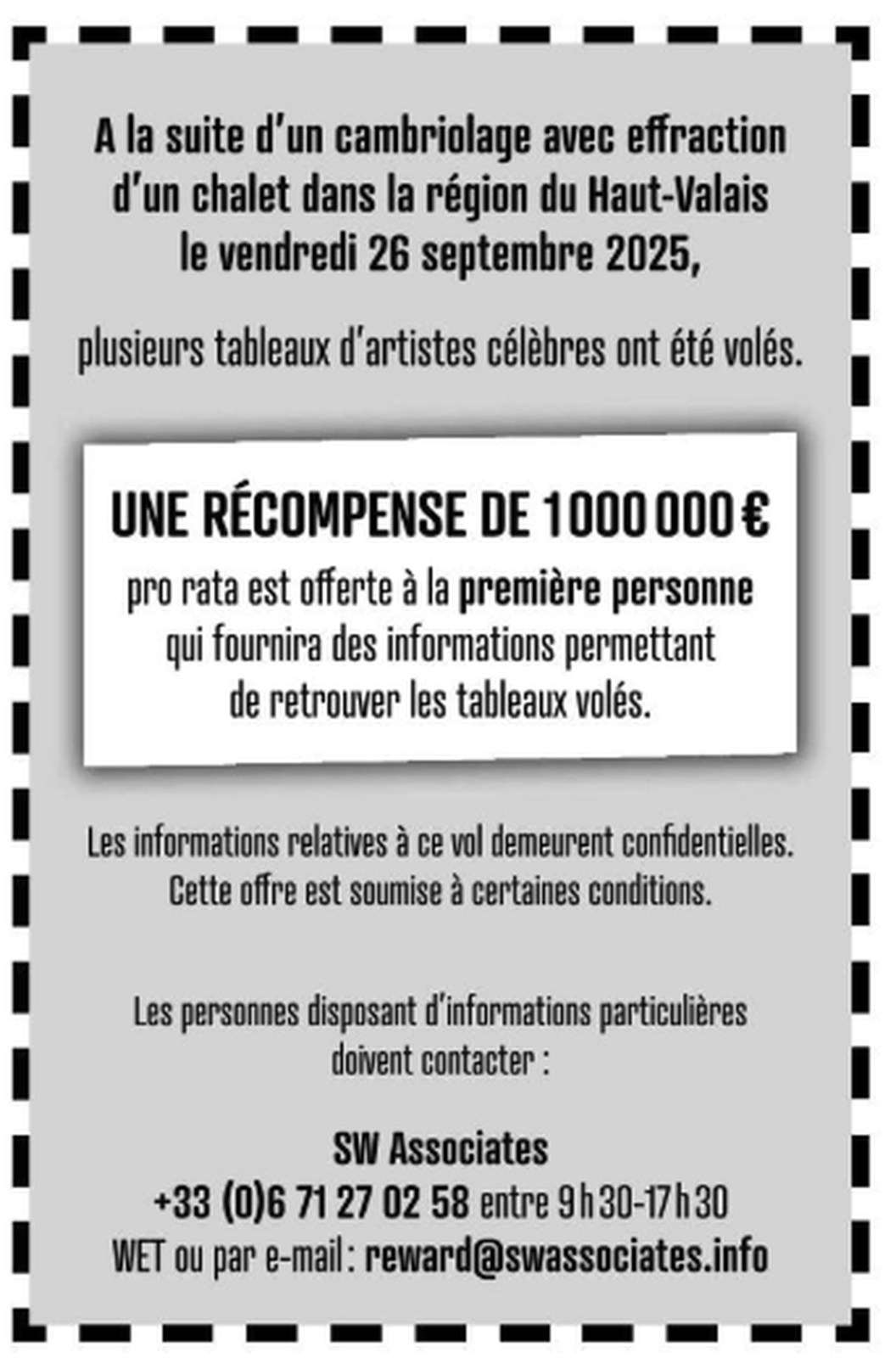 Valais · Chalet theftUp to€1,000,000Validity unconfirmed
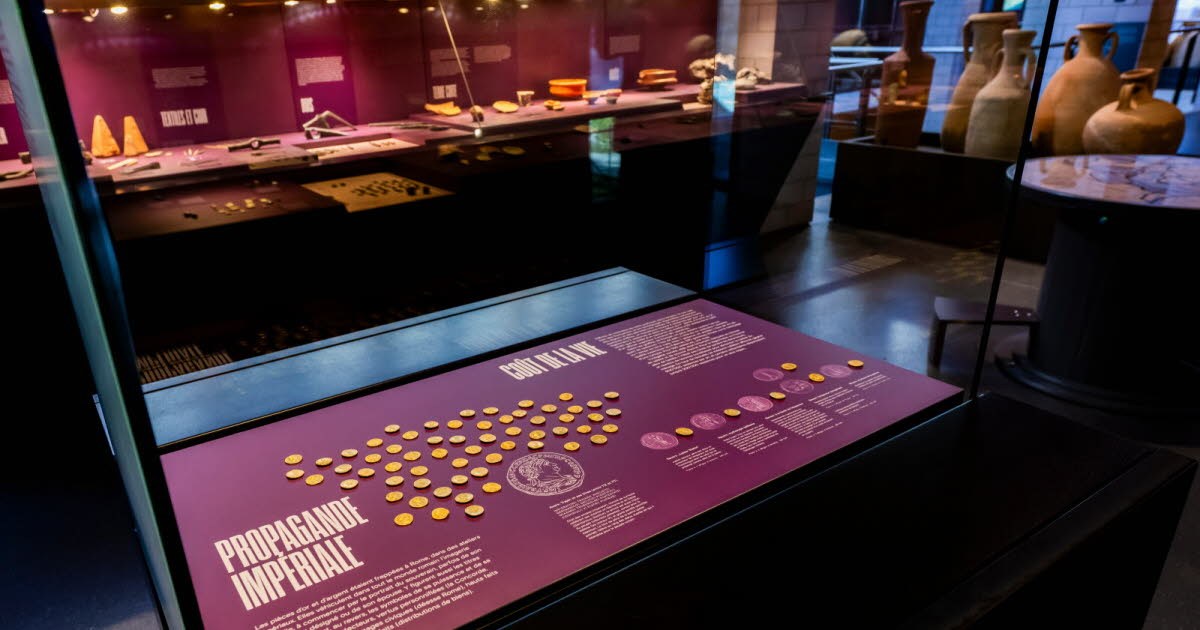 Lausanne · Gold coinsUp to€200,000Validity unconfirmed
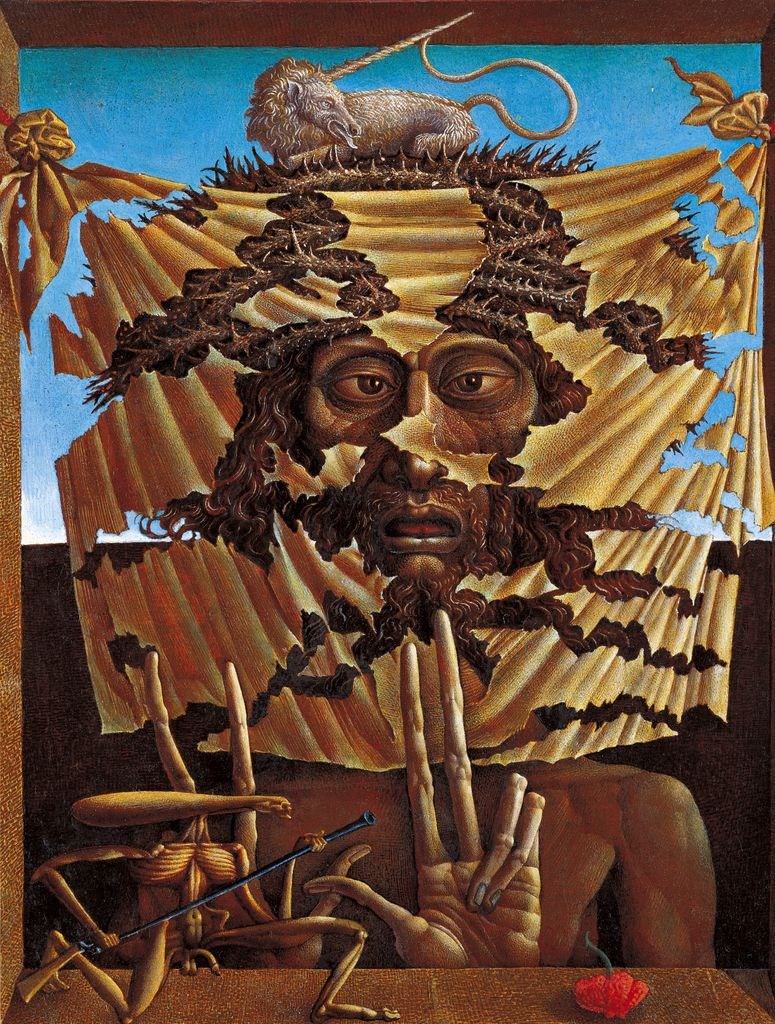 Ernst Fuchs · ViennaAdvertised reward€30,000Validity unconfirmed
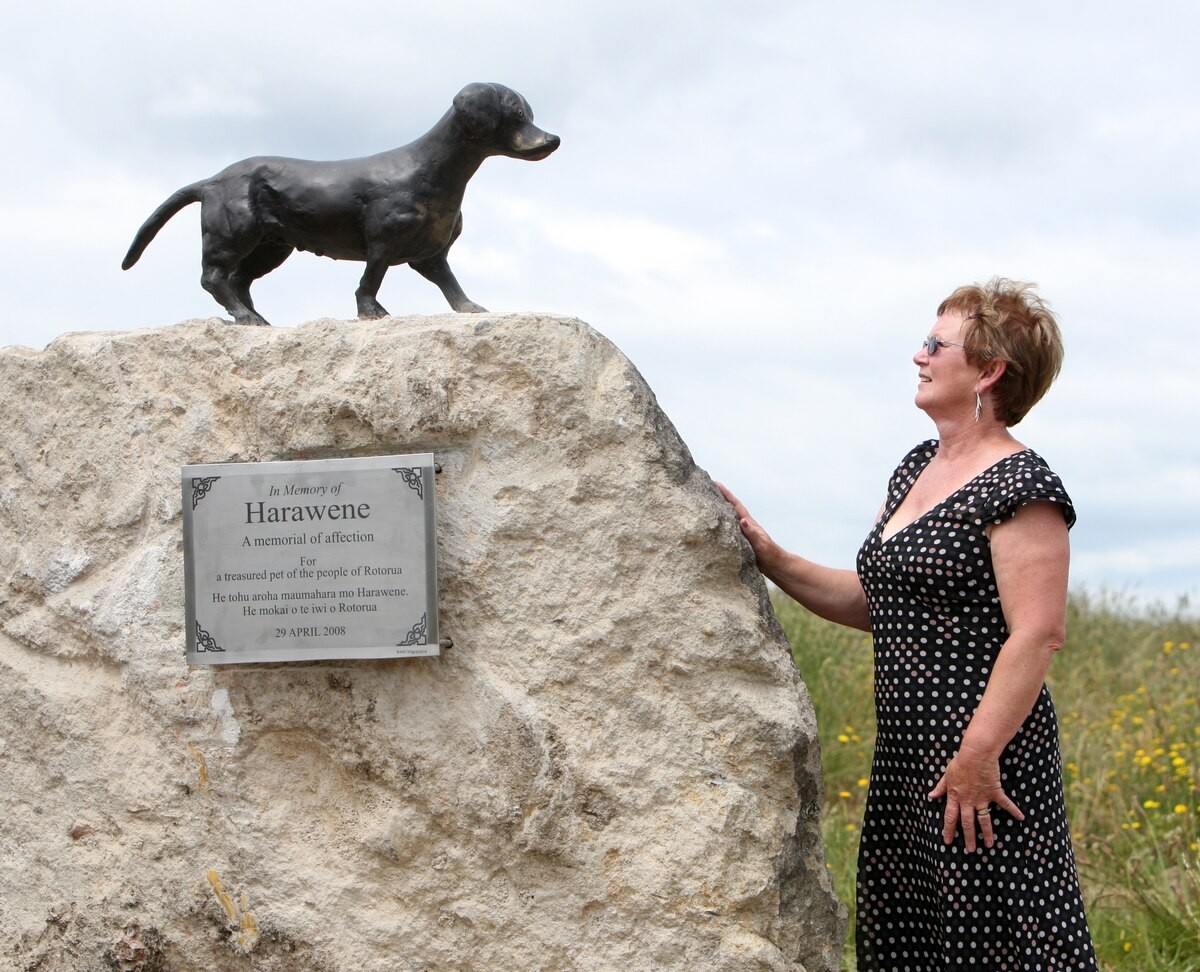 Harawene · RotoruaAdvertised rewardNZ$5,000Validity unconfirmed
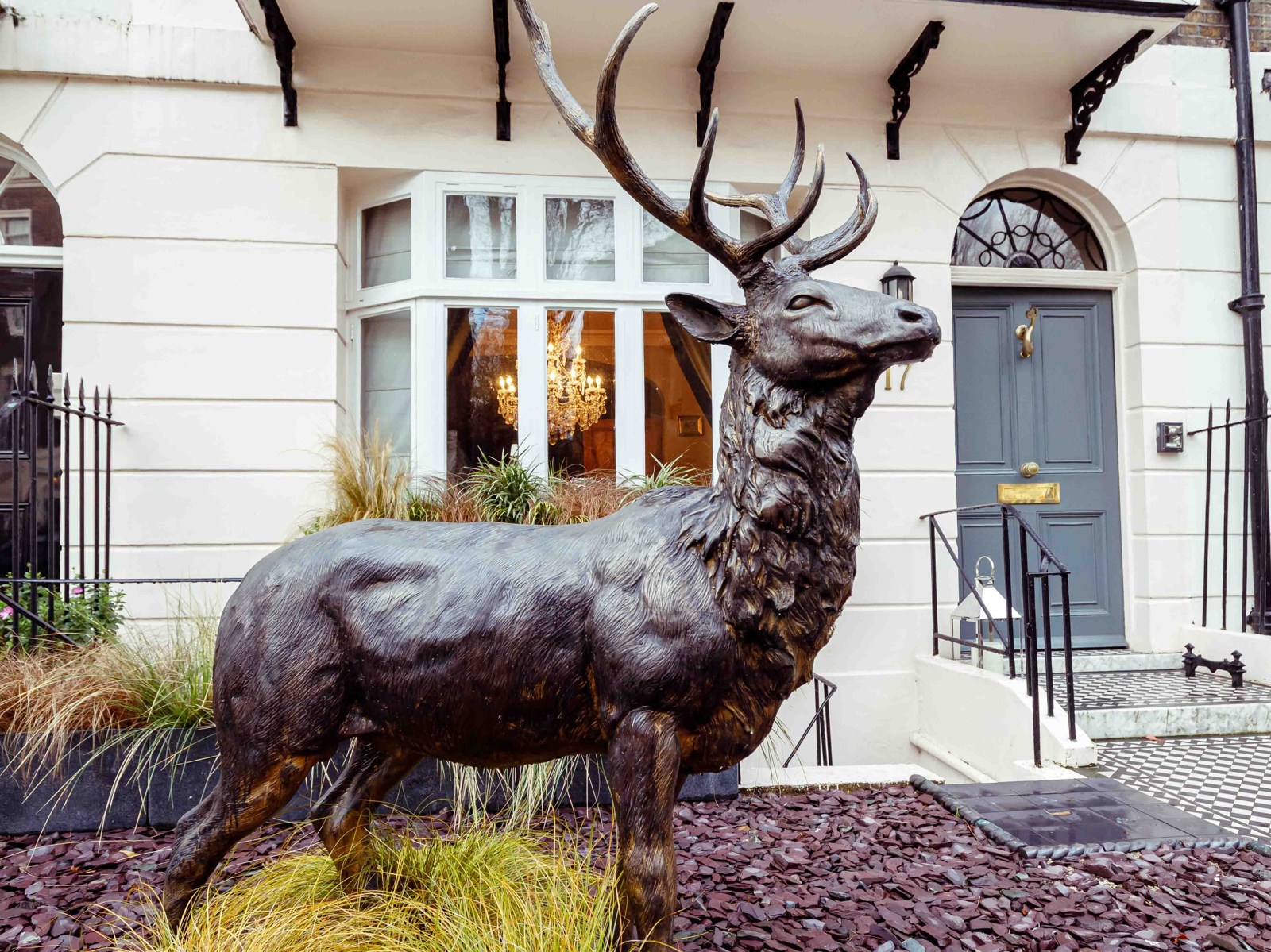 Henry · LondonAdvertised reward£1,000Validity unconfirmed
10 of 18 entries · see the full list for the rest.
Historical reward offers; reported returns, recoveries or destruction.
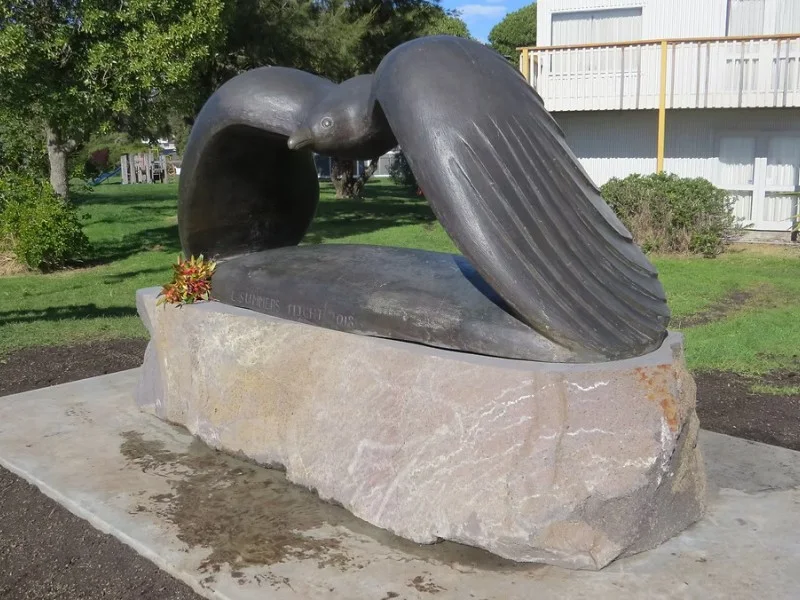 Llew Summers · FlightAdvertised rewardNZ$4,000Archive · see outcome
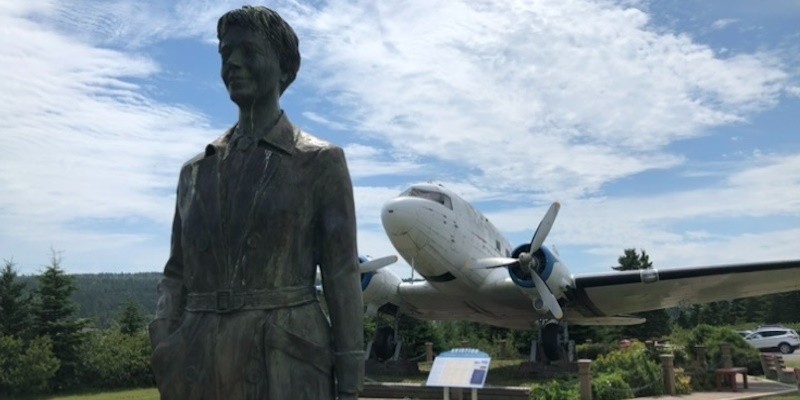 Amelia Earhart · ReturnedAdvertised rewardCA$25,000Archive · see outcome
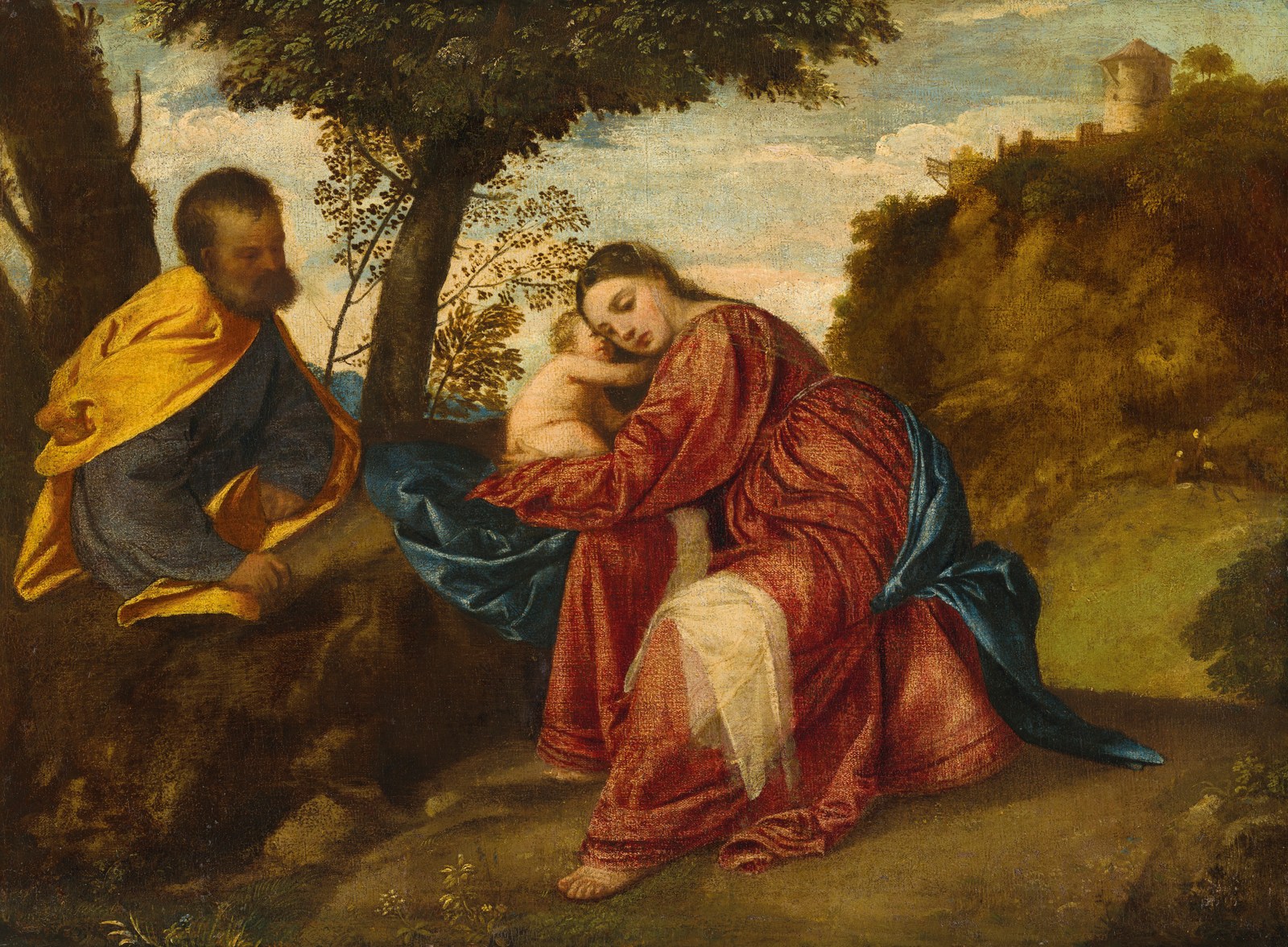 Titian · RecoveredAdvertised reward£100,000Archive · see outcome
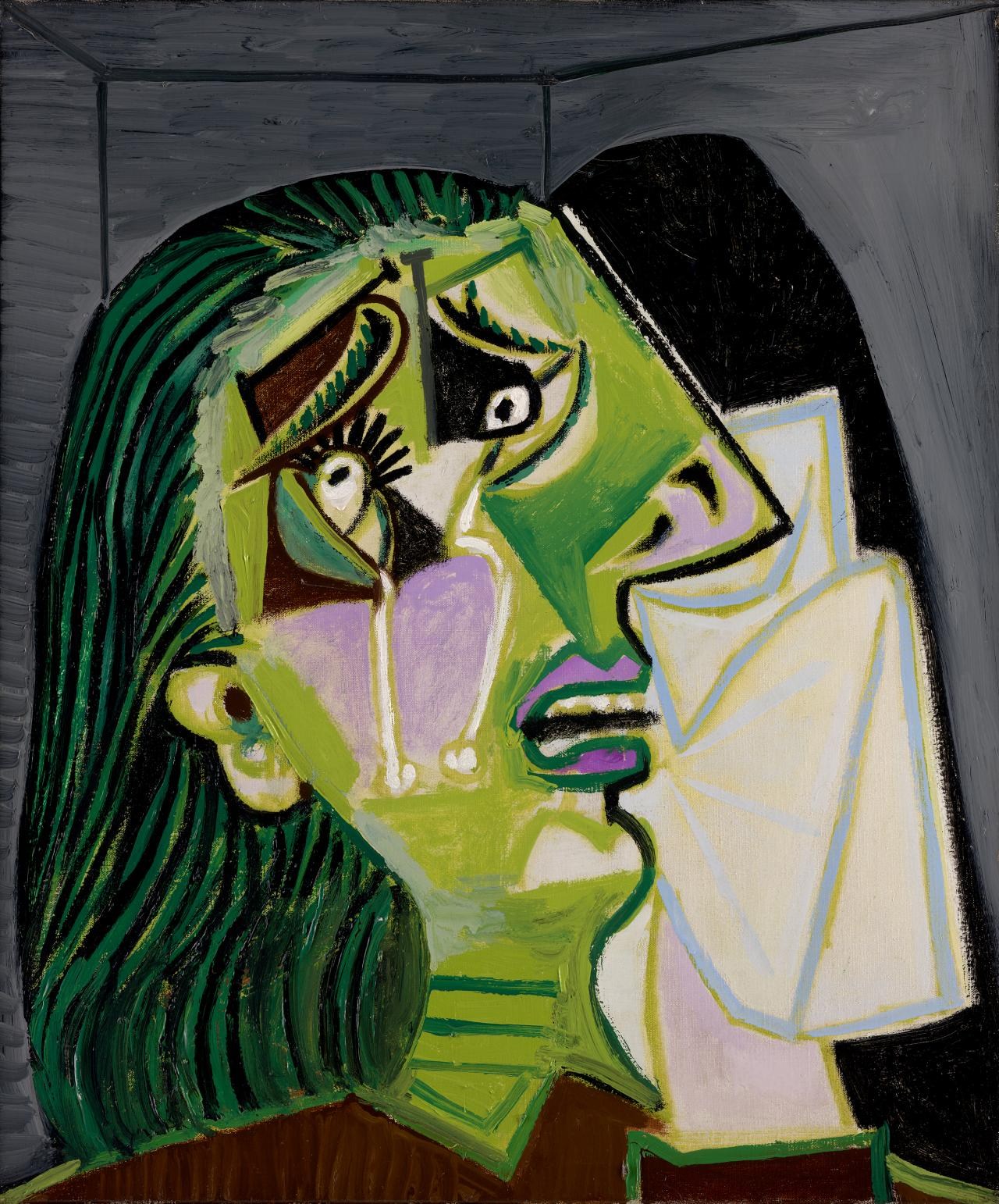 Picasso · RecoveredAdvertised rewardA$50,000Archive · see outcome
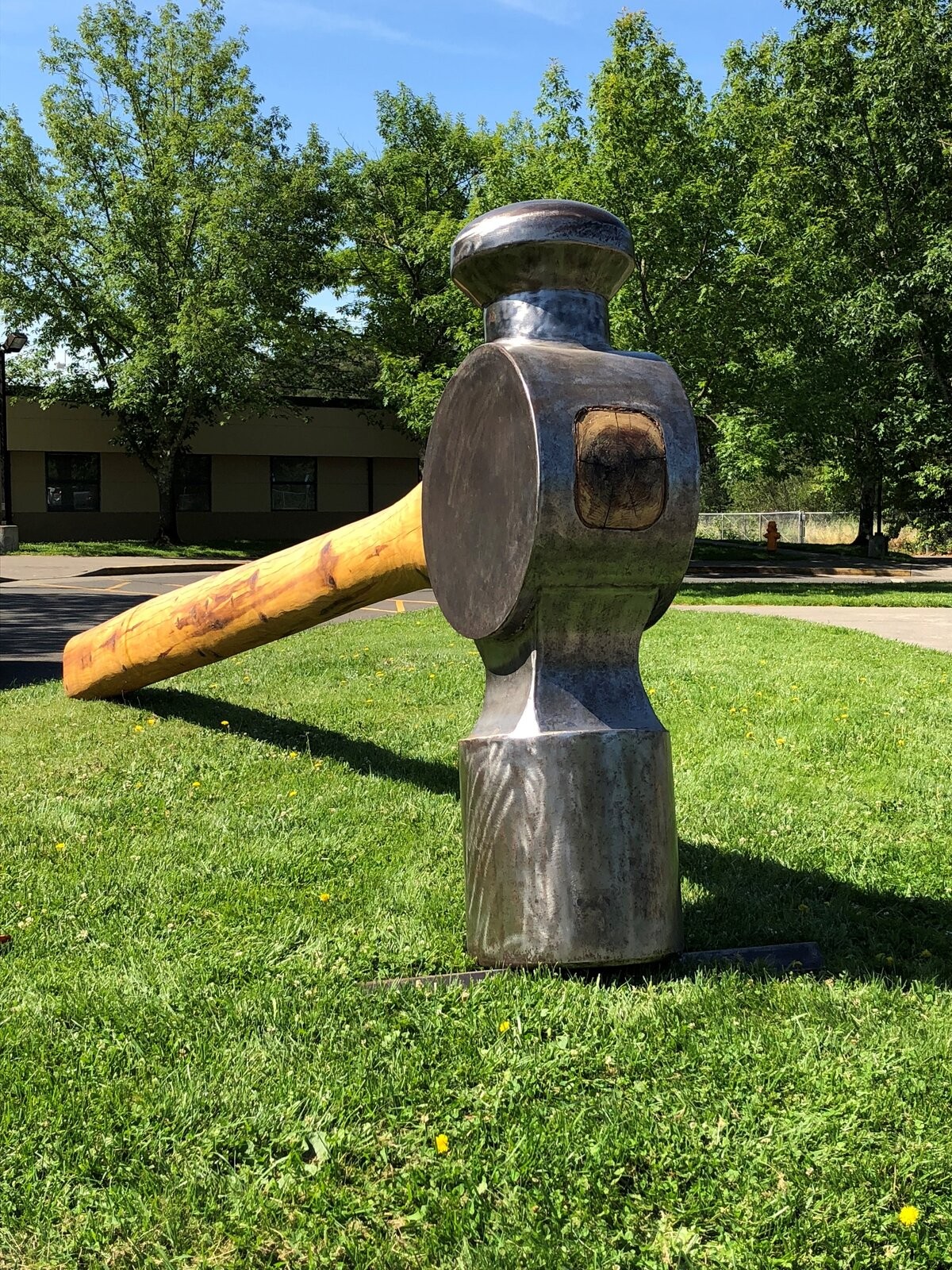 Unkrey · The HammerAdvertised reward$1,000Archive · see outcome
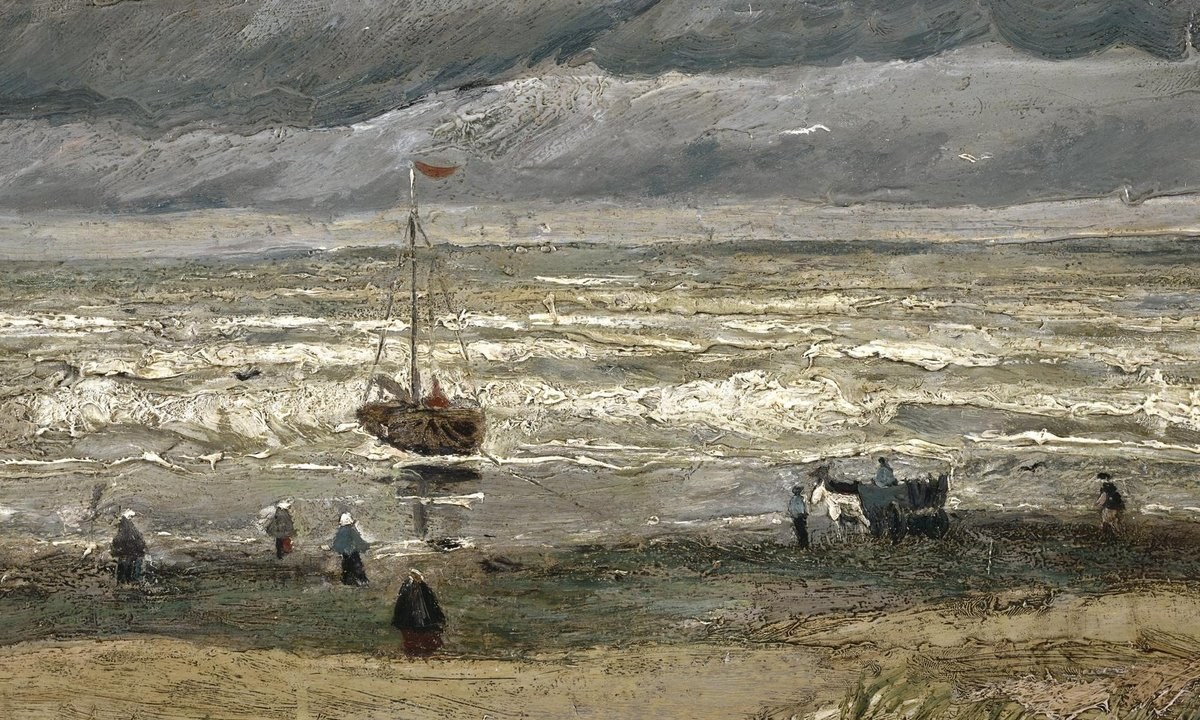 Van Gogh · Two paintingsAdvertised reward€100,000Archive · see outcome
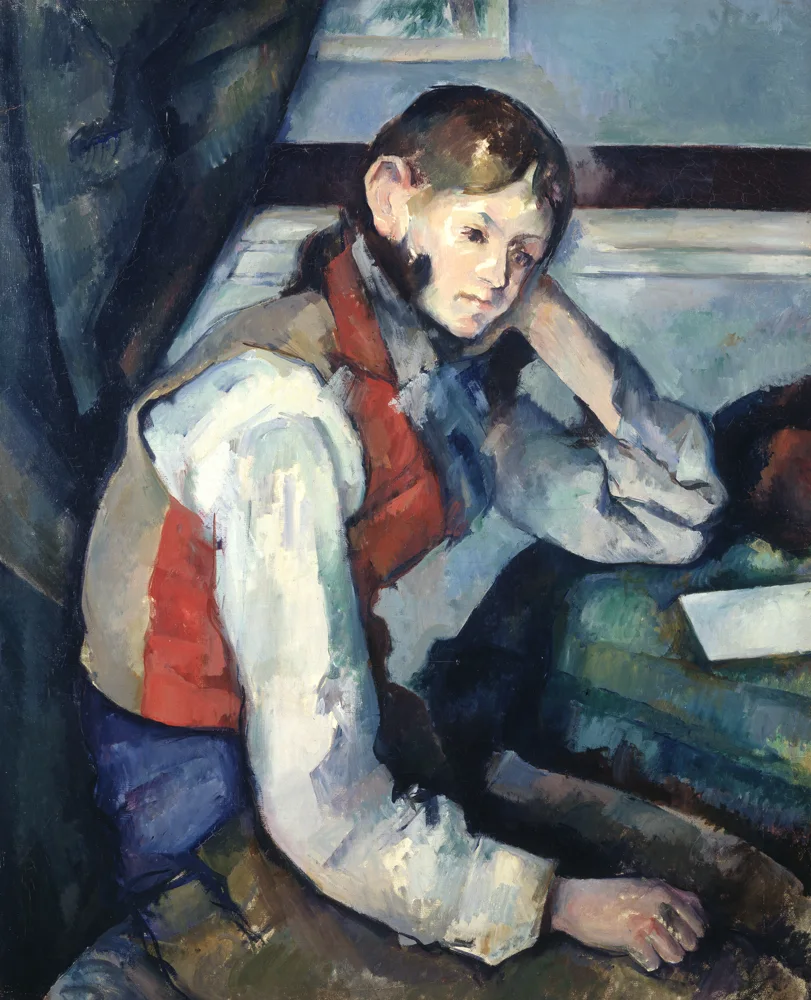 Bührle · RecoveredAdvertised rewardCHF 100,000Archive · see outcome
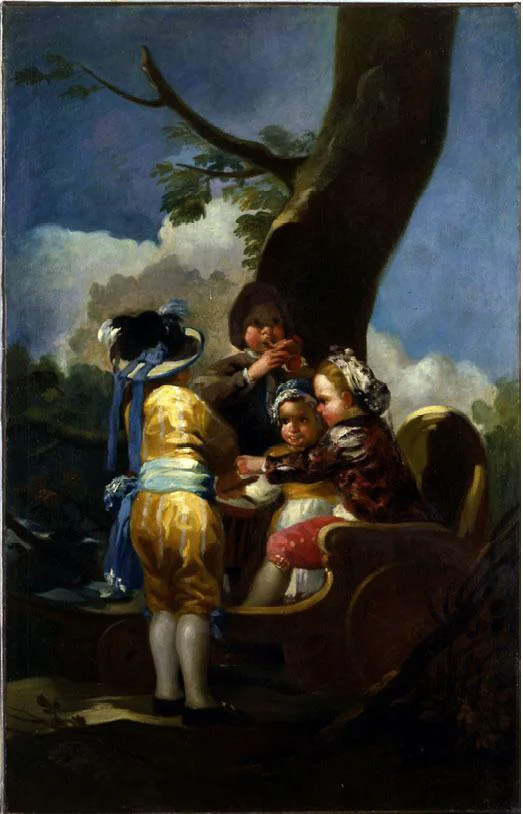 Goya · Children with a CartUp to$50,000Archive · see outcome
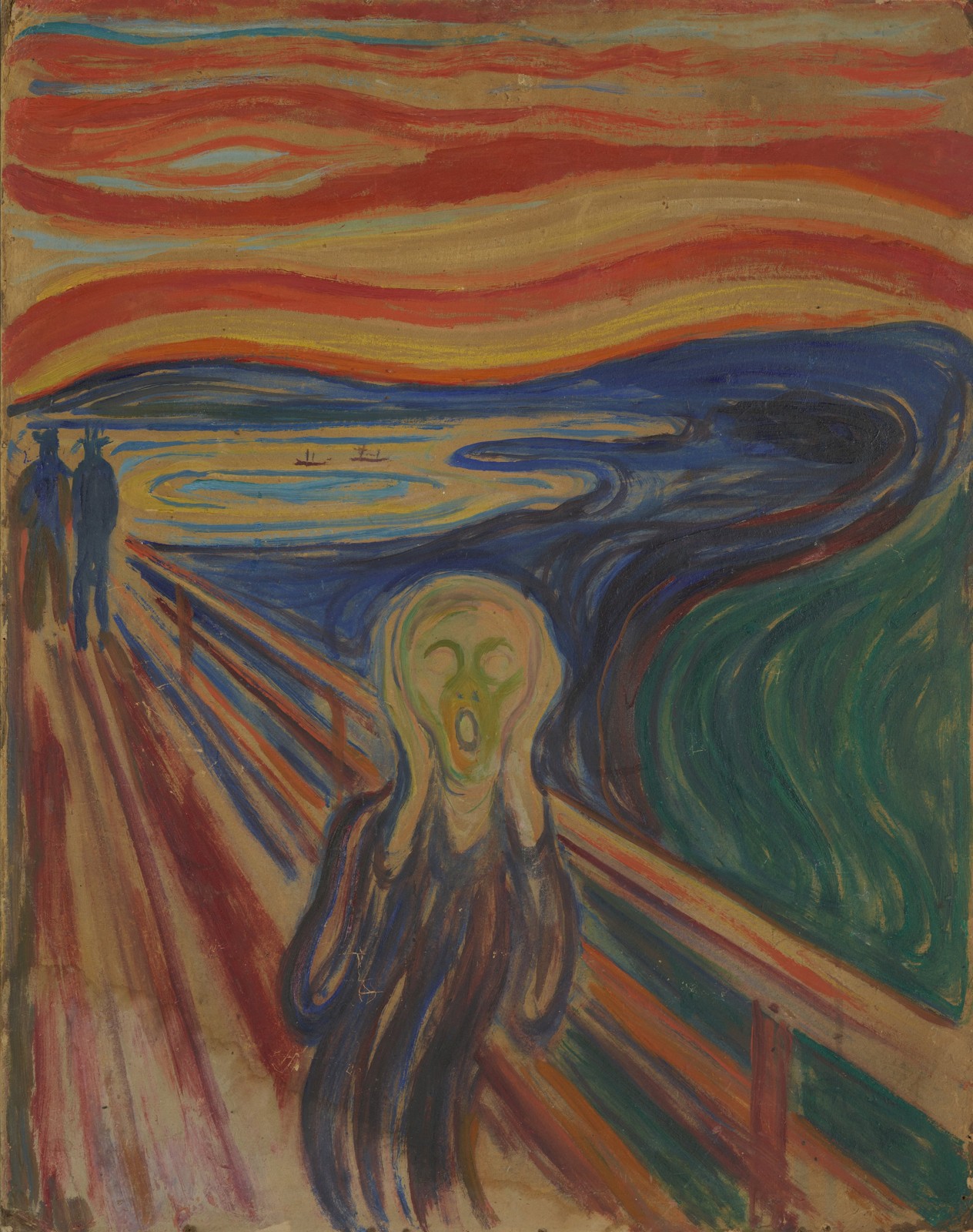 Munch · Two paintingsUp toNOK 2,000,000Archive · see outcome
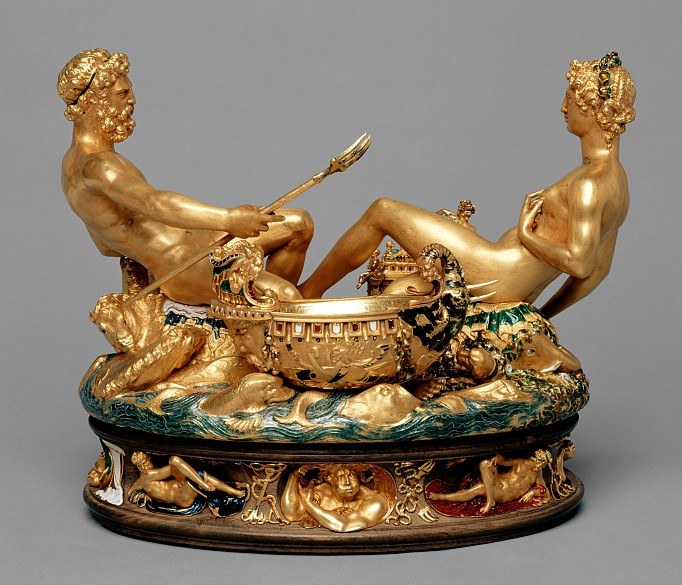 Cellini · SalieraAdvertised reward€70,000Archive · see outcome
148–165 of 165 reports
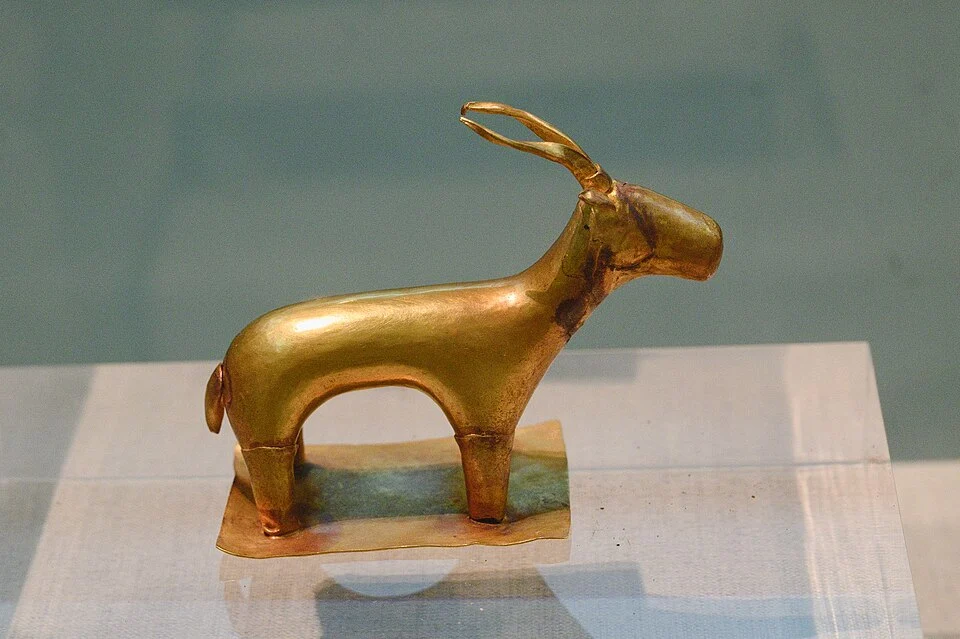
Zde Image source ↗ · CC BY-SA 4.0
A small gold ibex was found in the Akrotiri excavation on Thera in 1999. It is now displayed in the Museum of Prehistoric Thera.
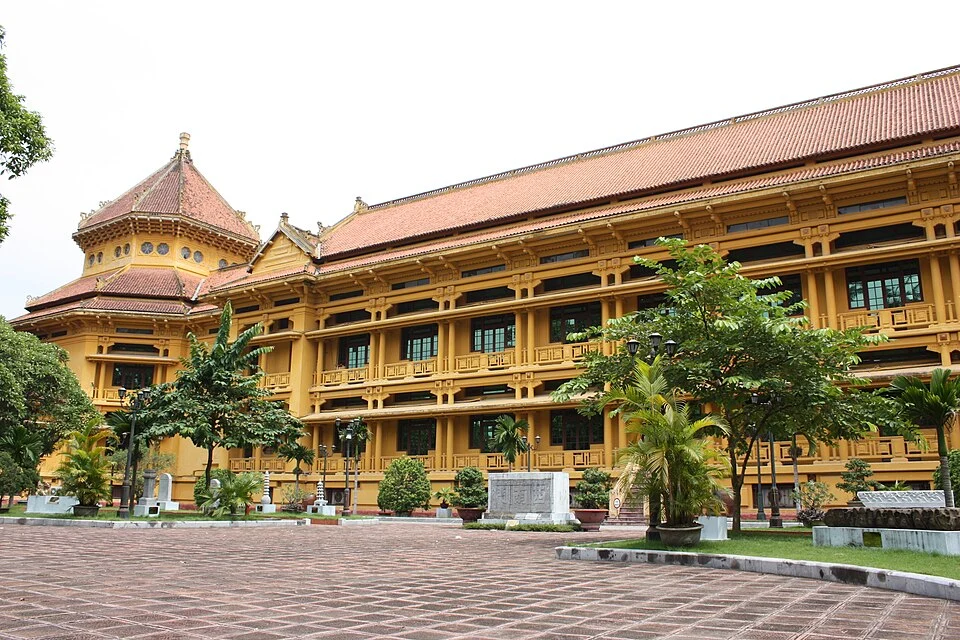
Alistair Morrenger Image source ↗ · CC BY-SA 4.0
An official excavation begun in 1998 and continued the following year recovered decorated ceramics from the Cà Mau wreck. The Vietnam National Museum of History documents the cargo, which dates to the Yongzheng reign.
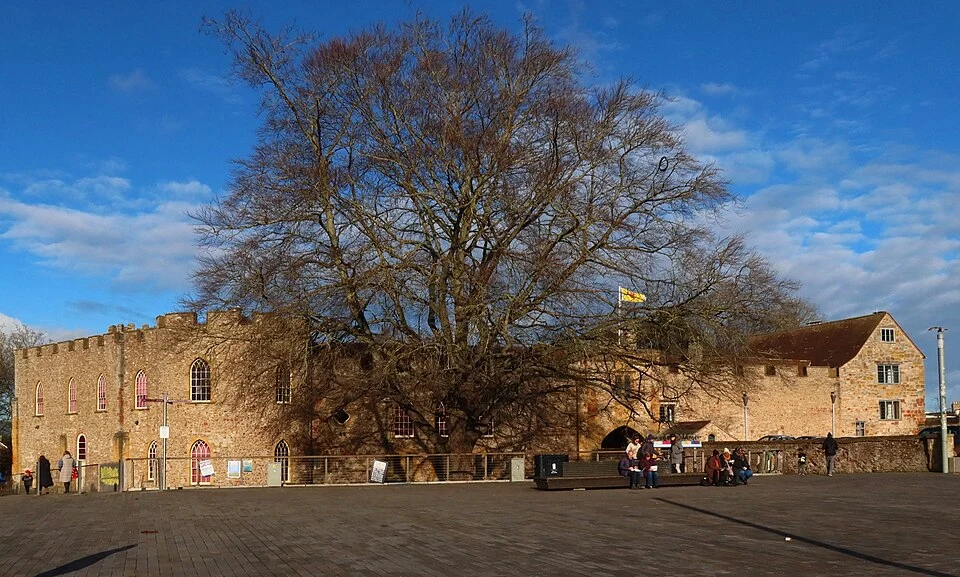
Geof Sheppard Image source ↗ · CC BY-SA 4.0
The Shapwick find brought to light thousands of Roman silver coins deposited together. The Museum of Somerset acquired the group, preserving the assemblage for study.
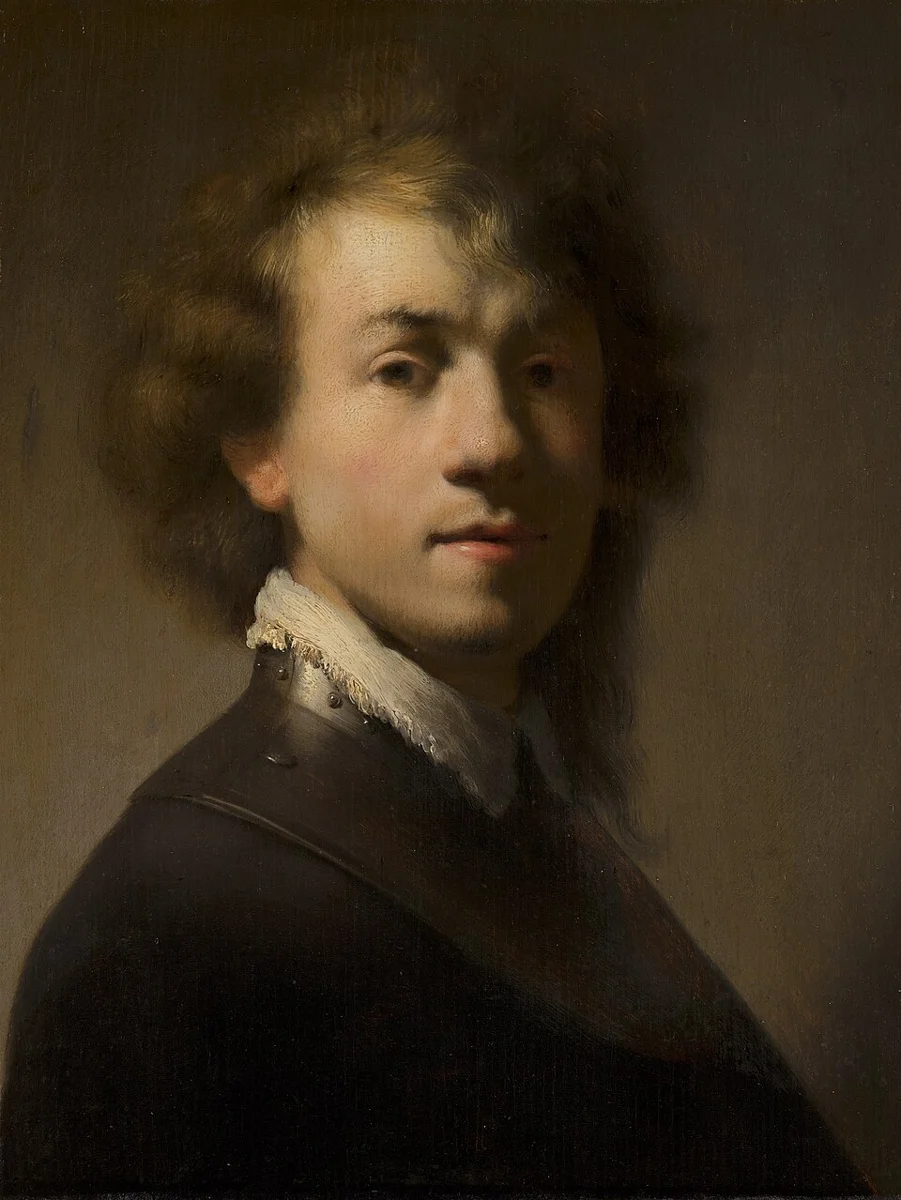
Photo: After Rembrandt. Image source ↗ · License / Licence
Infrared research revealed an extensive preparatory drawing in the Mauritshuis self-portrait in 1998. The finding prompted a reassessment of the work’s attribution.
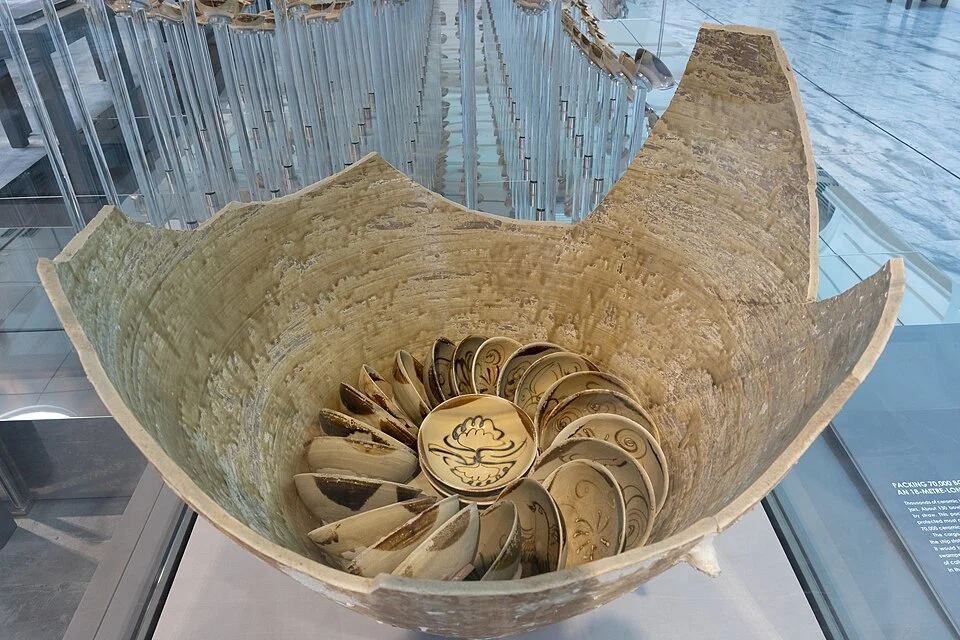
Wikimedia Commons Image source ↗ · CC BY-SA 4.0
Local fishermen found the wreck off Belitung in 1998. The recovered cargo, dominated by Tang-period Chinese ceramics, includes Changsha wares now exhibited in Singapore.
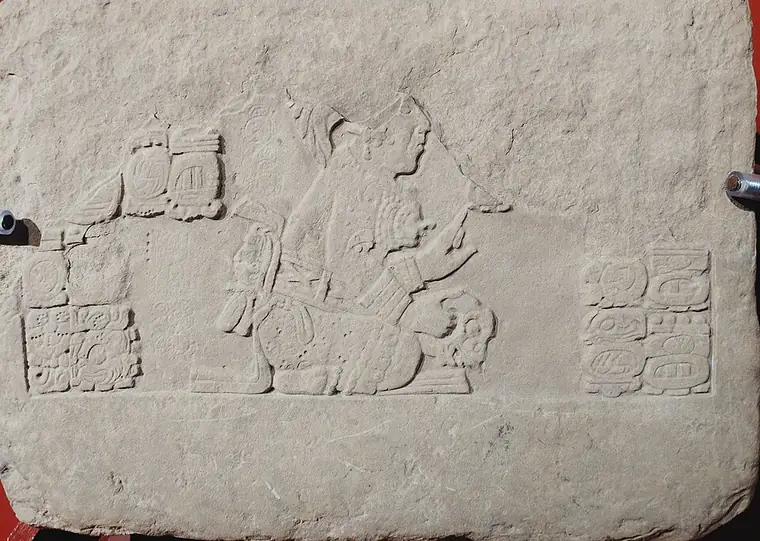
Konjiki1 · Resized for display Image source ↗ · CC BY-SA 4.0
Ian Graham and David Stuart mapped La Corona and documented surviving inscriptions in May 1997. A contemporary report described extensive looting and a possible connection to dispersed panels known as Site Q. This event concerns the recording campaign, rather than the site’s first scholarly visit in 1996.
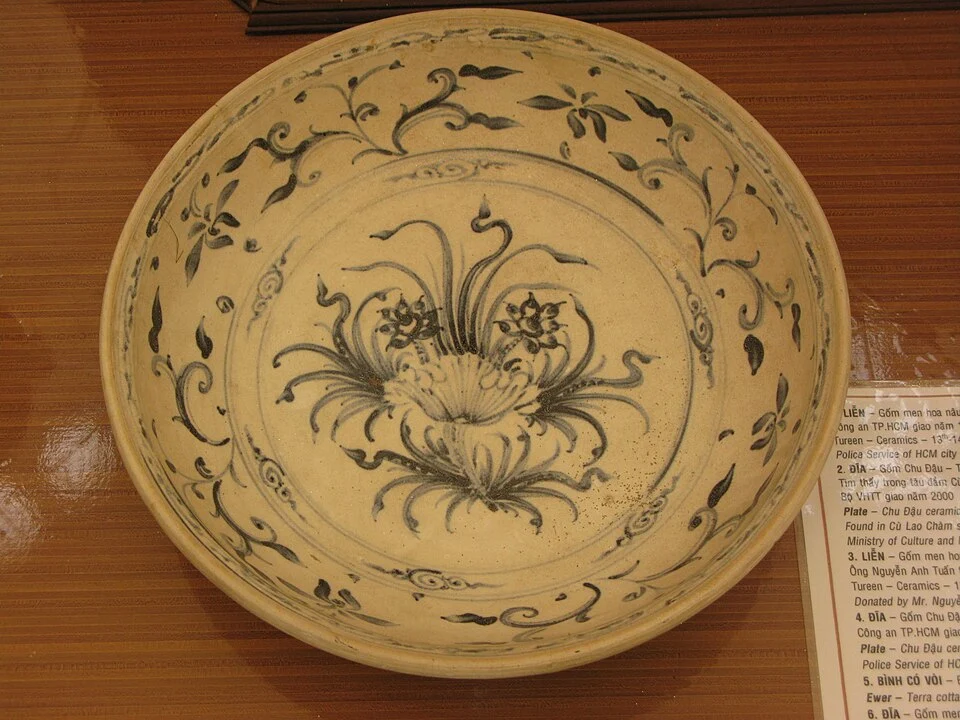
Bình Giang Image source ↗ · CC BY-SA 4.0
A project begun in 1997 recovered a large group of Vietnamese export ceramics from a wreck near the Cù Lao Chàm islands. The Hội An museum later undertook conservation of pieces in its storage collection.
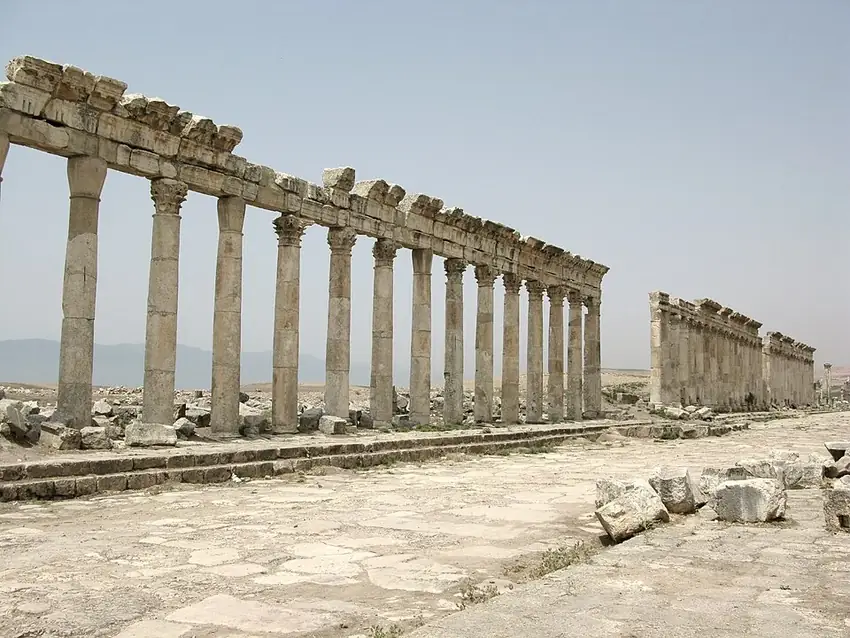
Vyacheslav Argenberg Image source ↗ · CC BY-SA 4.0
Three rooms in a Roman tomb outside Apamea yielded mosaic pavements in 1997. One pavement showed personifications and was documented as the group underwent conservation.
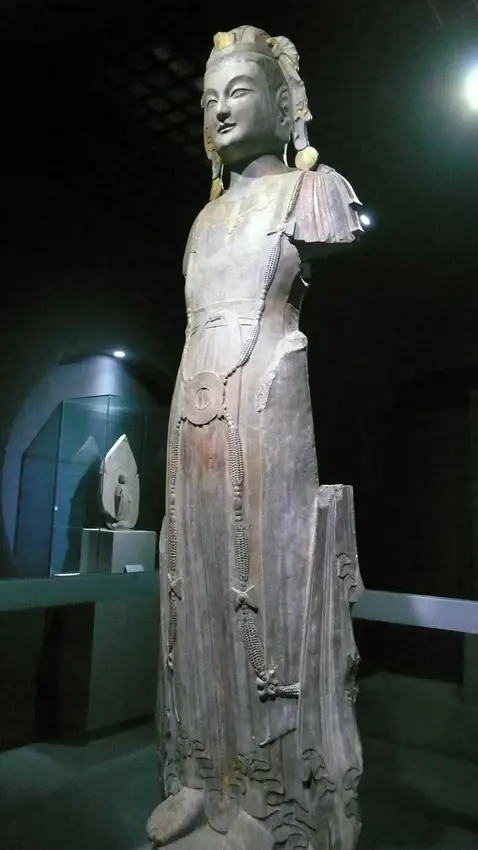
三猎 Image source ↗ · CC BY-SA 4.0
Excavation at the former Longxing Temple site uncovered hundreds of Buddhist sculpture fragments. Surviving traces of pigment and gilding on many pieces show that the stone figures were once vividly coloured.
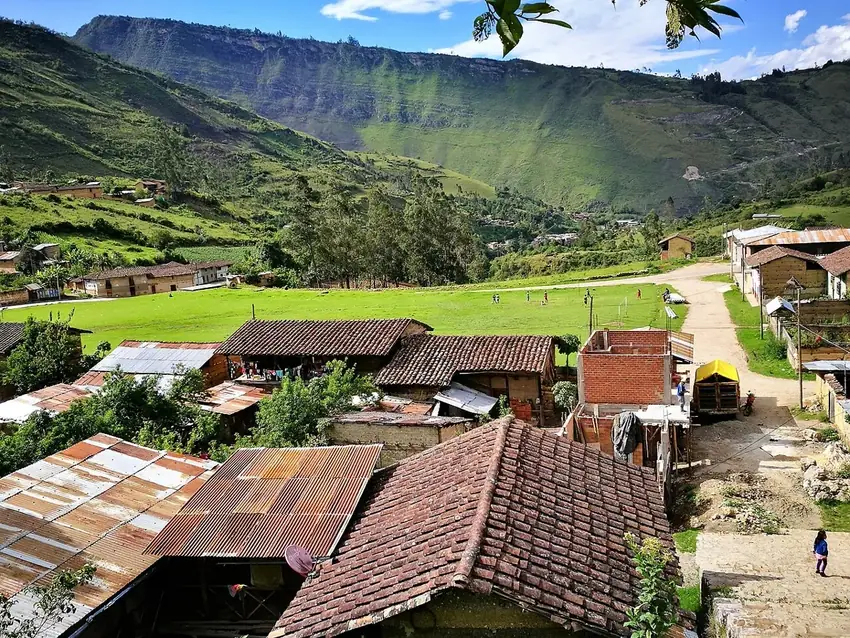
Pitxiquin Image source ↗ · CC BY-SA 4.0
Cliffside tombs overlooking Laguna de los Cóndores were discovered in 1996 with more than two hundred human remains and a large group of offerings. The textile collection is documented at the Leymebamba museum.
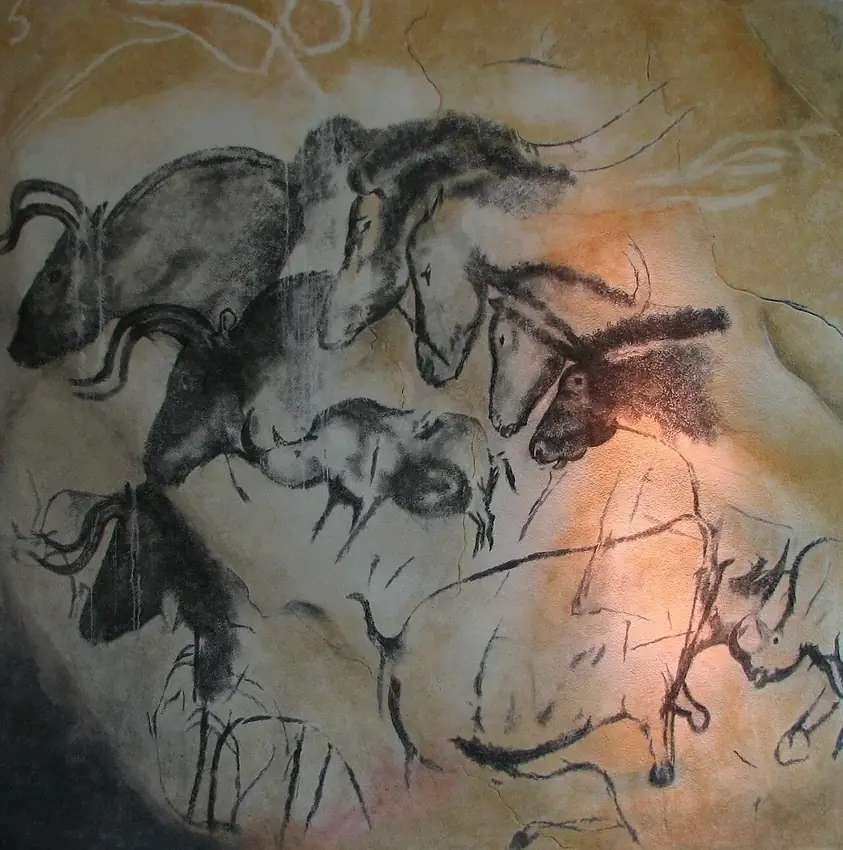
HTO Image source ↗ · CC BY-SA 4.0
Three cavers discovered the Chauvet cave in the Ardèche in 1994. Its long-sealed interior preserved early animal paintings and other archaeological traces. The original remains closed to public visits for conservation.
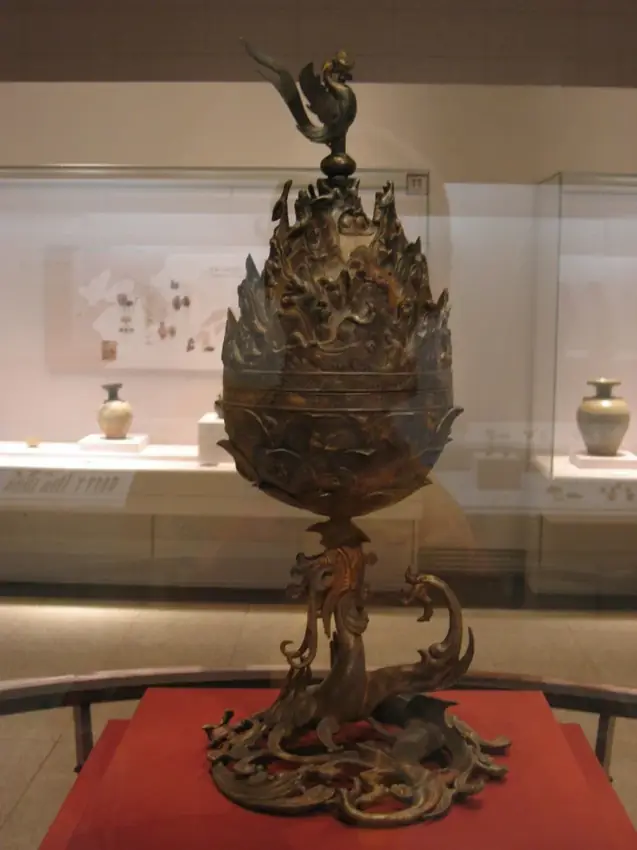
Good friend100 at English Wikipedia Image source ↗ · CC BY-SA 4.0
Archaeologists uncovered the large gilt-bronze vessel at a former temple workshop in Neungsan-ri. Its phoenix finial, mountain-shaped lid and tiny musicians make it a key example of Baekje metalwork, now held in Buyeo National Museum.
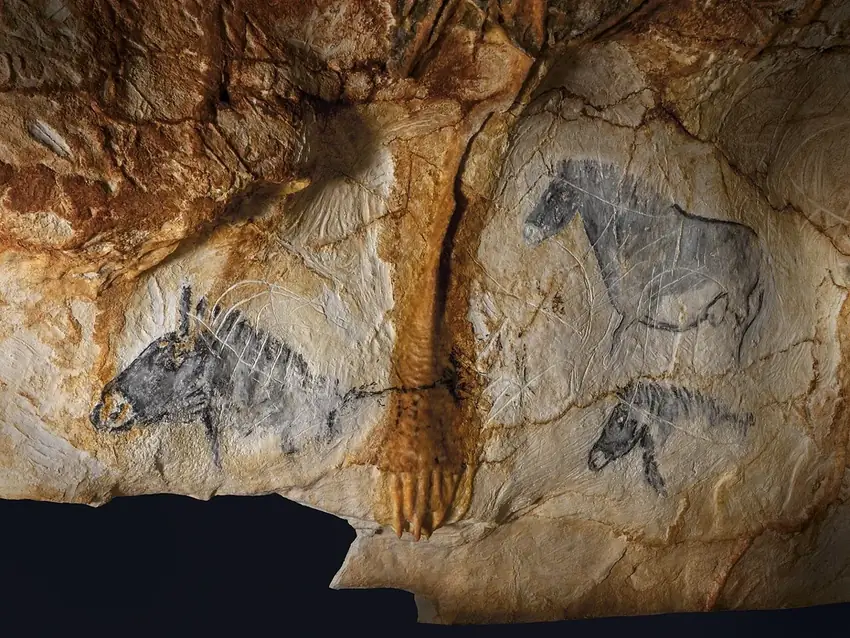
Kleber Rossillon & Région Provence-Alpes-Côte d’Azur / Sources 3D MC Image source ↗ · CC BY-SA 4.0
Henri Cosquer reported the cave to French authorities in September 1991. A survey authenticated the paintings and engravings, including animals and hand stencils. The original cave is protected and its art can be seen in a replica in Marseille.
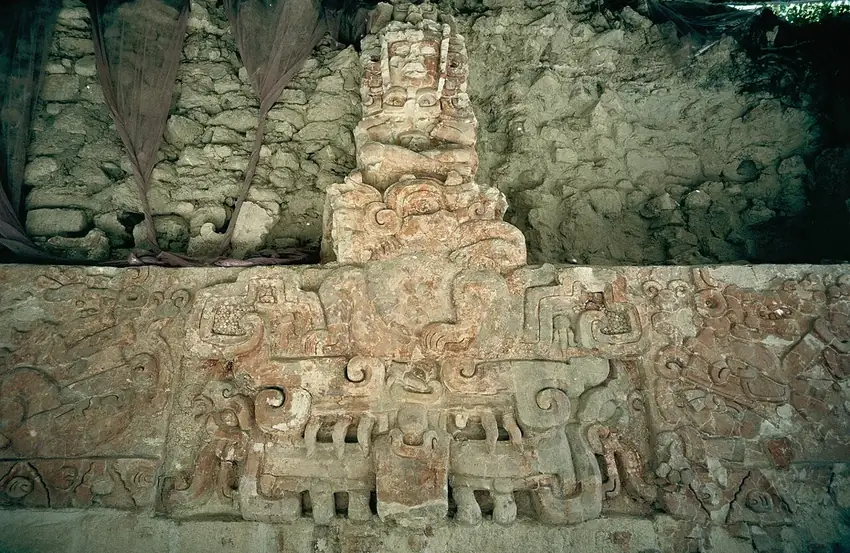
HJPD Image source ↗ · CC BY-SA 4.0
INAH archaeologists investigated looting in 1990 and documented a Maya site with an exceptional modelled stucco frieze. The sculpted façade, which retains painted decoration, was excavated and conserved at Balamkú.
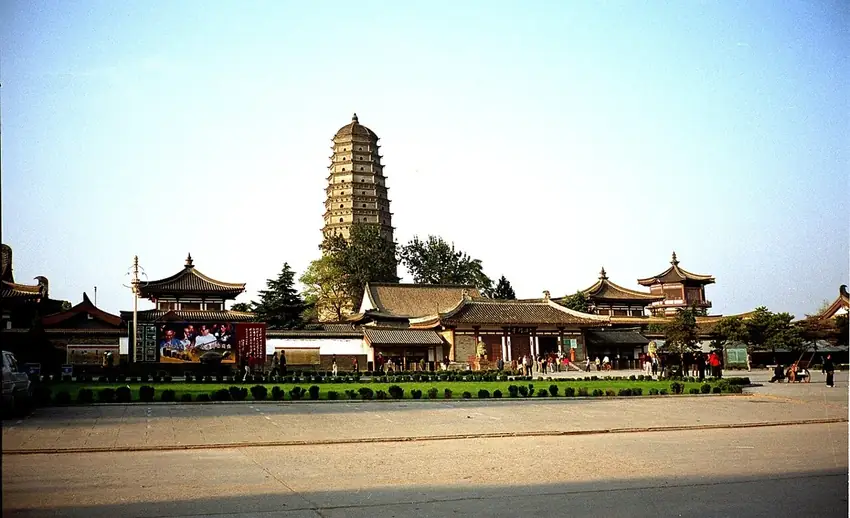
Gisling Image source ↗ · CC BY-SA 4.0
A gilt-silver casket with Buddhist guardian figures formed part of a group of nested treasure caskets excavated beneath Famen Temple in 1987. The temple museum lent it for a later exhibition in Shanghai.
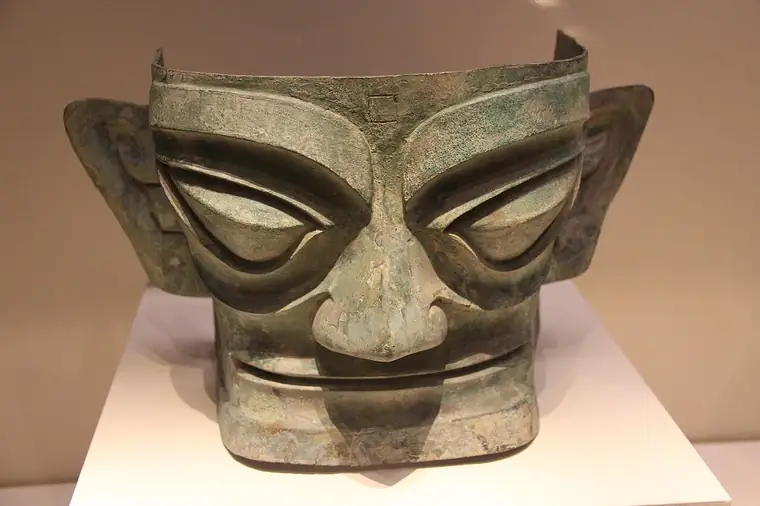
Gary Todd / Wikimedia Commons · Resized for display Image source ↗ · CC BY-SA 4.0
Two pits discovered at Sanxingdui in 1986 produced remarkable bronze masks, statues, gold objects and other ancient Shu artefacts. They established the site’s international prominence long before six further pits were excavated in 2020–2022. This entry concerns the original pair of pits rather than treating the later campaign as the same discovery.
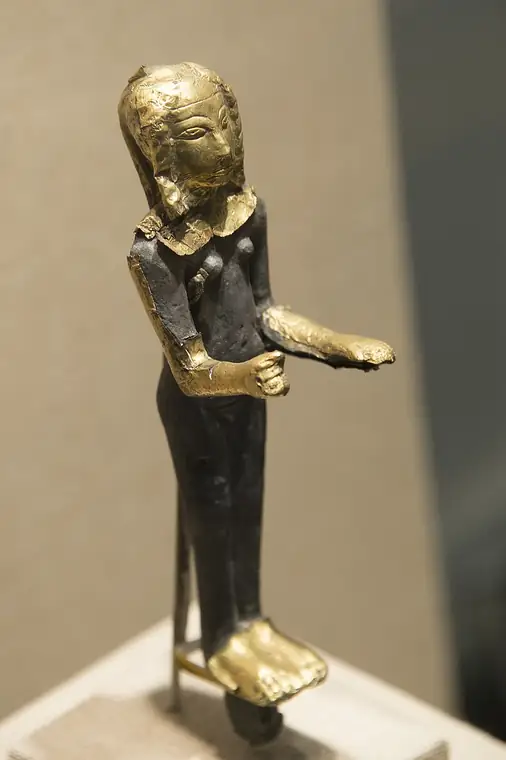
Dosseman / Wikimedia Commons · Resized for display Image source ↗ · CC BY-SA 4.0
A sponge diver’s 1982 discovery off Kaş led archaeologists to a Late Bronze Age ship carrying luxury goods across the Mediterranean. Excavations from 1984 to 1994 recovered carved ivory containers, gold and gemstone jewellery and other crafted objects alongside metal cargo. The Institute of Nautical Archaeology documents the finds as evidence of elite exchange.
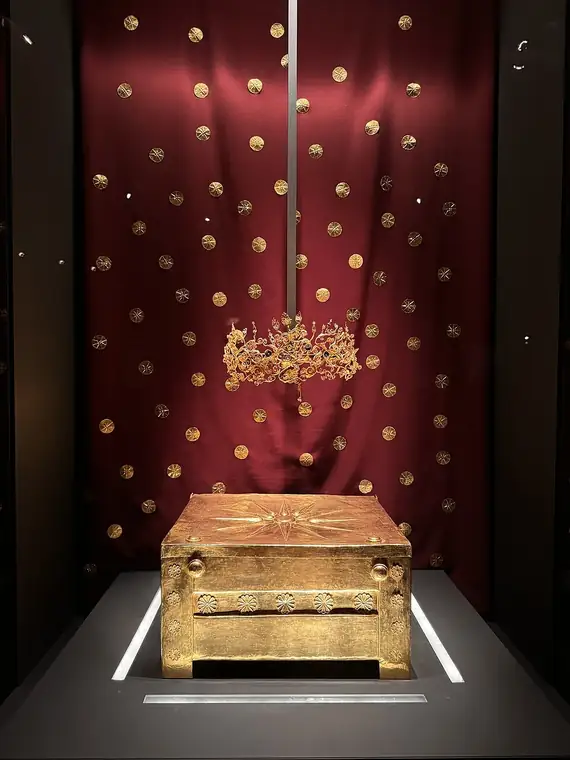
Digitalphilologist / Wikimedia Commons · Resized for display Image source ↗ · CC BY-SA 4.0
Manolis Andronikos and his team opened an unlooted royal tomb at Vergina on 8 November 1977. Its grave goods included gold larnakes, a finely worked gold wreath and silver vessels, alongside a hunting fresco. The discovery transformed knowledge of Macedonian court art; this entry records the excavation without treating every royal identification as settled.
The week’s key developments in art theft, forgery, recovery, restitution and the courts. Every Monday.
Subscribe →