01 HISTORICAL DOSSIERS
Still Missing
The artworks still sought. The families still searching.
Explore the cases
Reports on works that resurfaced after years out of view or were identified in collections.
Clocks show the time now. Below each clock: the latest documented case in that country from our archive.
Red mark: source-reported theft time. An arc shows a reported time window on the outer 24-hour scale. Only shown where timing is documented.
“Published” is the report date, not the theft date. Cases may cover thefts, recoveries or returns. Click a clock for the case details and source.
These are the six leading countries in an INTERPOL register snapshot published by a Cornell Data Journal team on 16 December 2023. Counts refer to objects registered as stolen, not theft incidents. This historical snapshot is not a current, comprehensive worldwide ranking.
Published analysis ↗Underlying data table ↗About the INTERPOL register ↗
Explore reported theft locations in the archive.
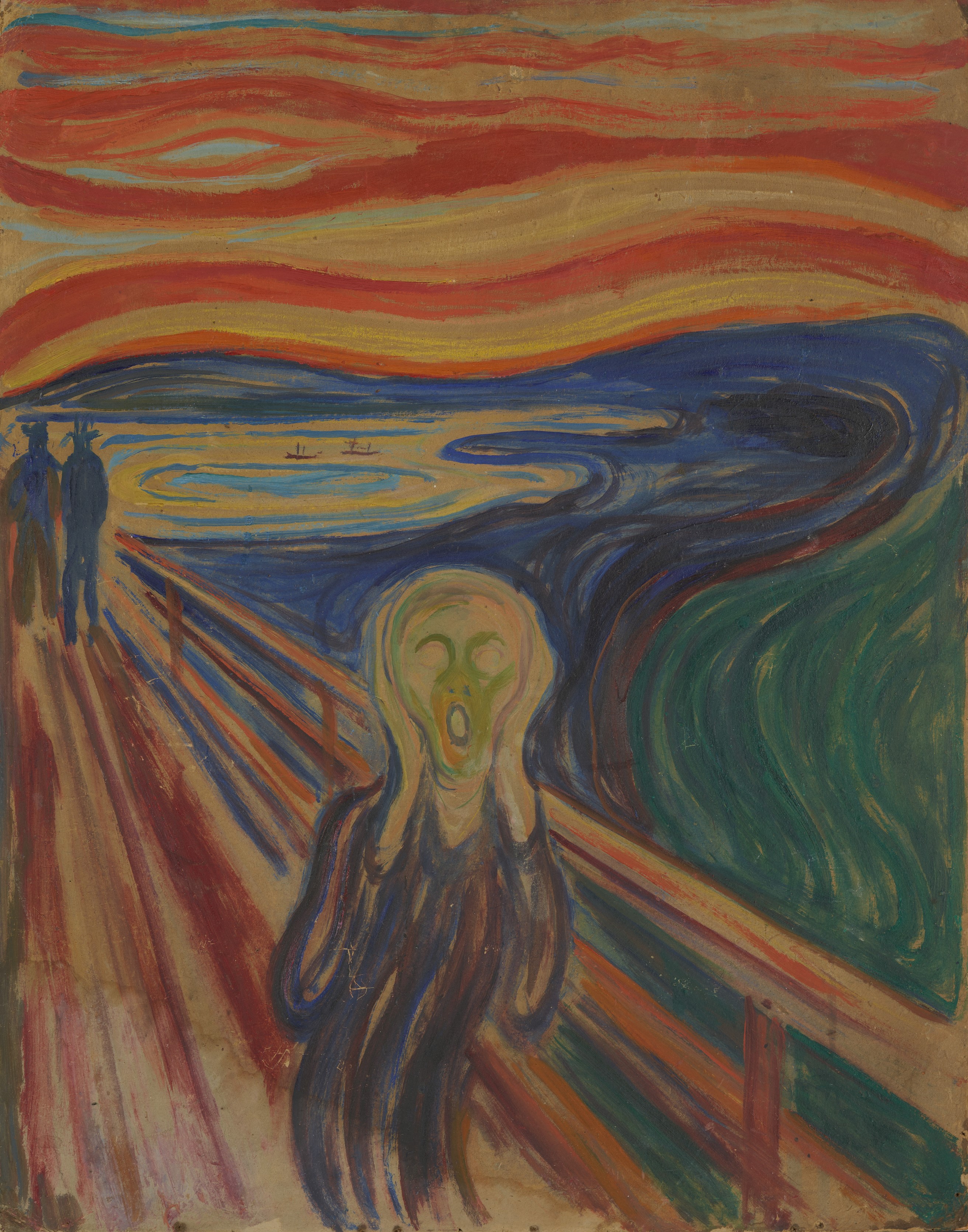 2004
This time there was no ladder and no taunting postcard. Armed men entered an open museum while visitors were inside.
Read the story 3 min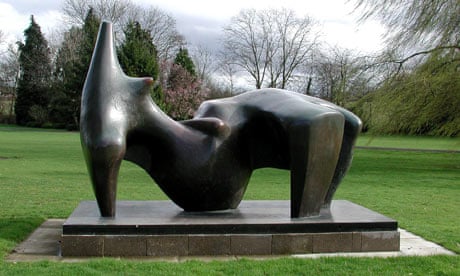 2005
The bronze seemed too heavy to steal. A crane made its weight manageable, and its artistic value may not have mattered to the thieves.
Read the story 3 min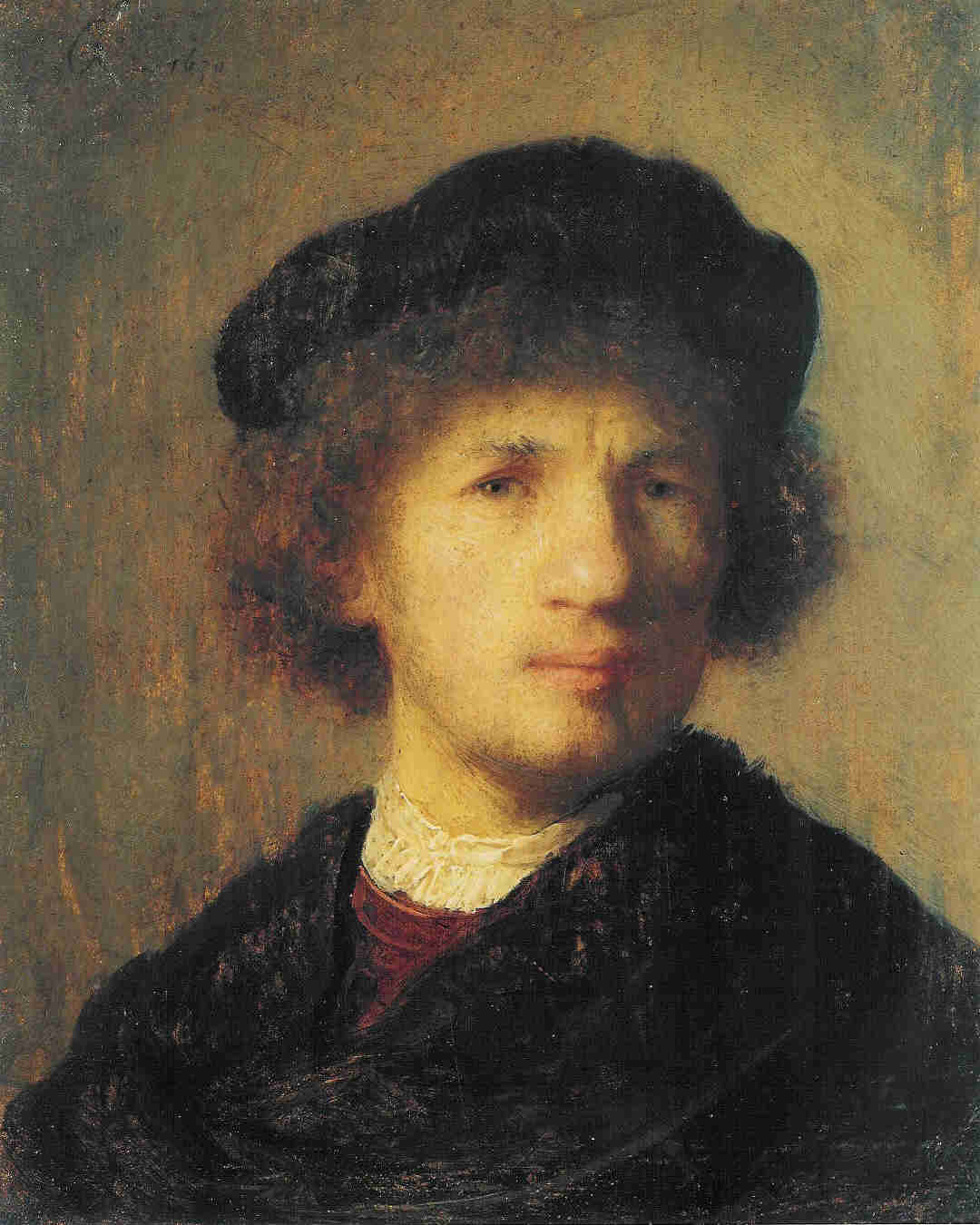 2000
An armed robbery emptied three spaces in Stockholm. The return took years, several countries and an undercover operation.
Read the story 3 min
The artworks still sought. The families still searching.
Explore the cases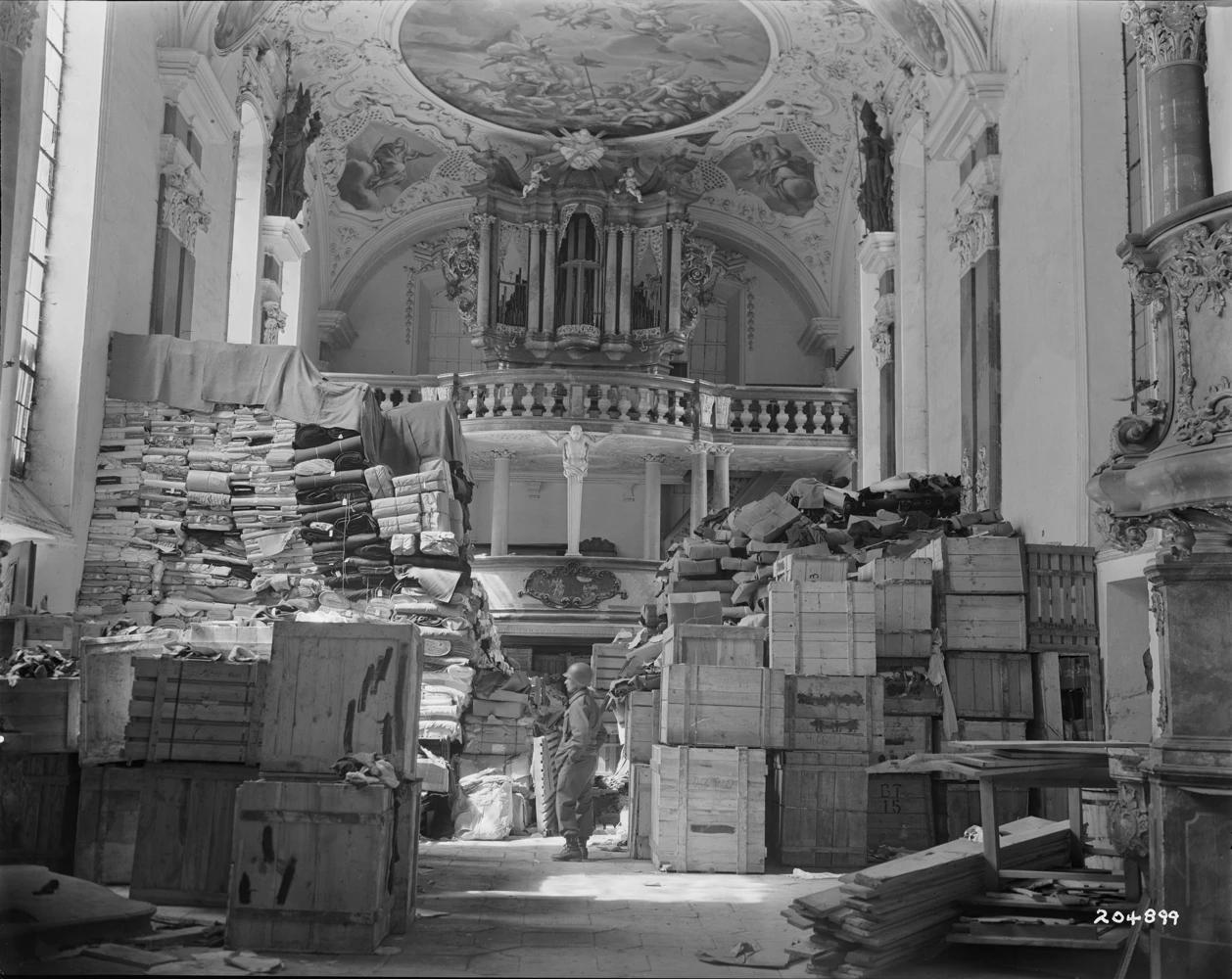

Dispossession, long battles and the paths to restitution.
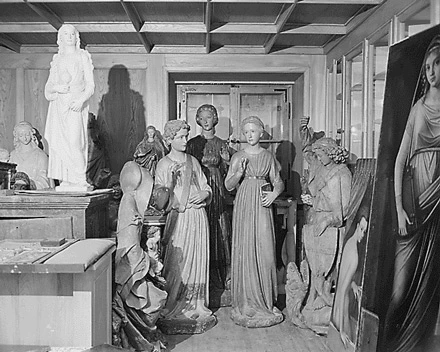
Explore the casesThe upper strip shows details of the featured artworks; the lower strip uses World War II archive photographs as historical context.
87 entries · 88 documented offers · terms apply
Newest additions first · up to ten entries in each group.
Official sources checked; terms apply.
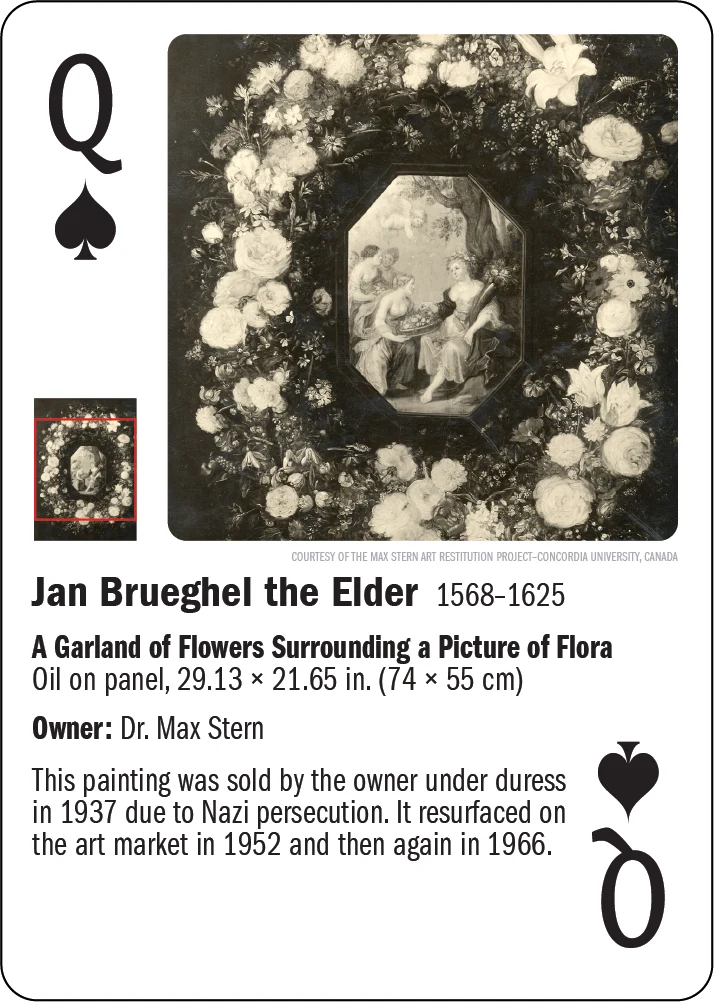 Jan Brueghel the Elder · A Garland of Flowers Surrounding a Picture of FloraUp to$15,000Monuments Men and Women FoundationEnds: 2026-12-31
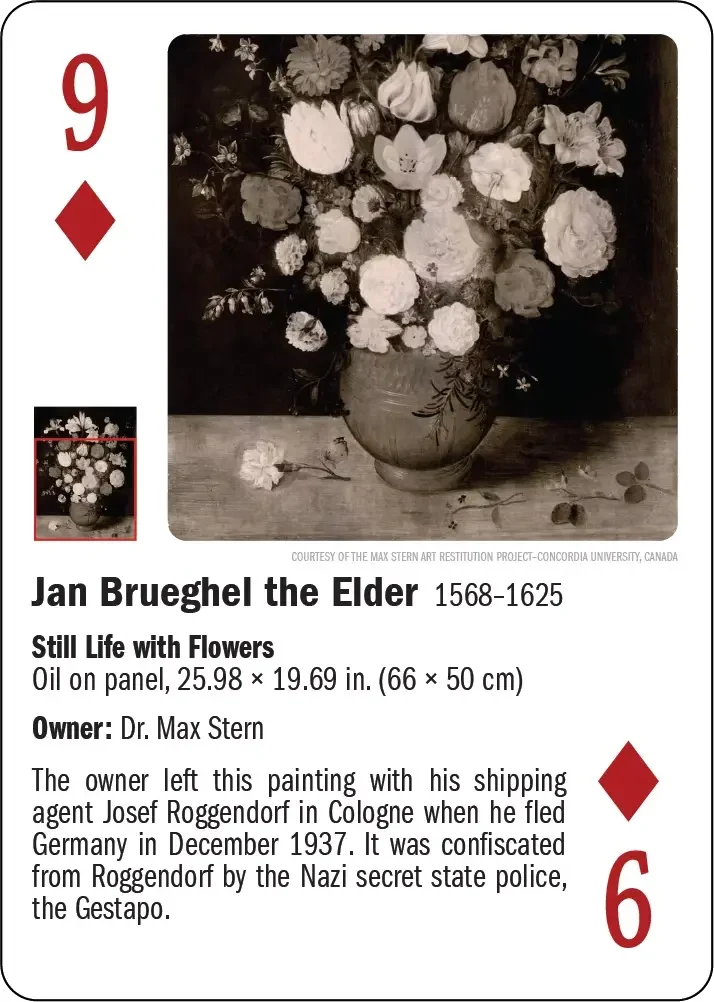 Jan Brueghel the Elder · Still Life with FlowersUp to$7,500Monuments Men and Women FoundationEnds: 2026-12-31
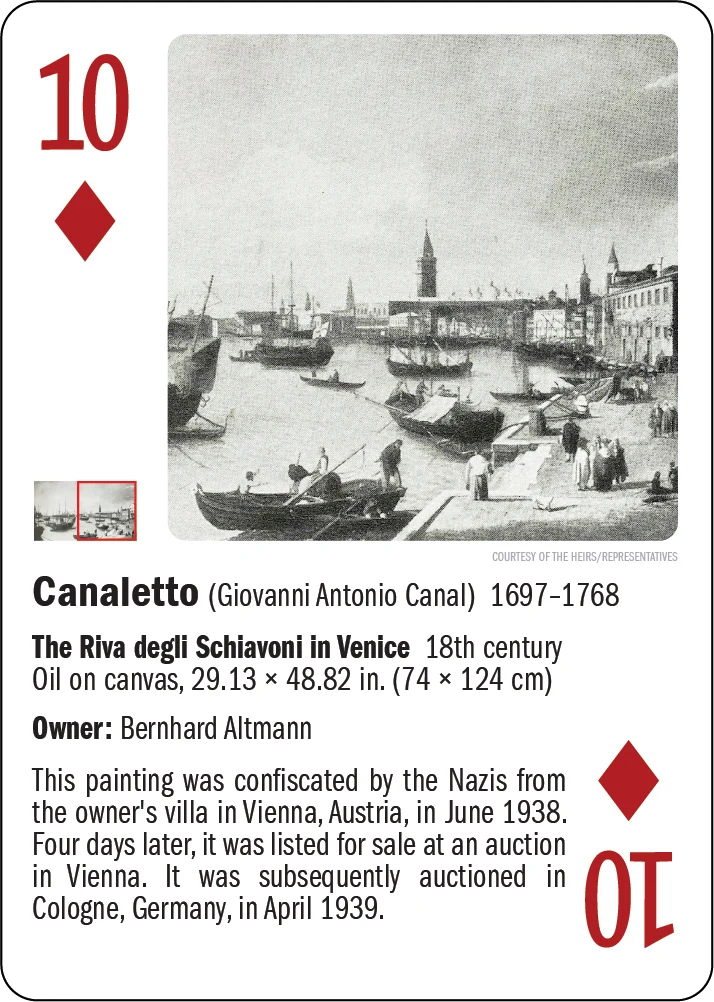 Canaletto · The Riva degli Schiavoni in VeniceUp to$7,500Monuments Men and Women FoundationEnds: 2026-12-31
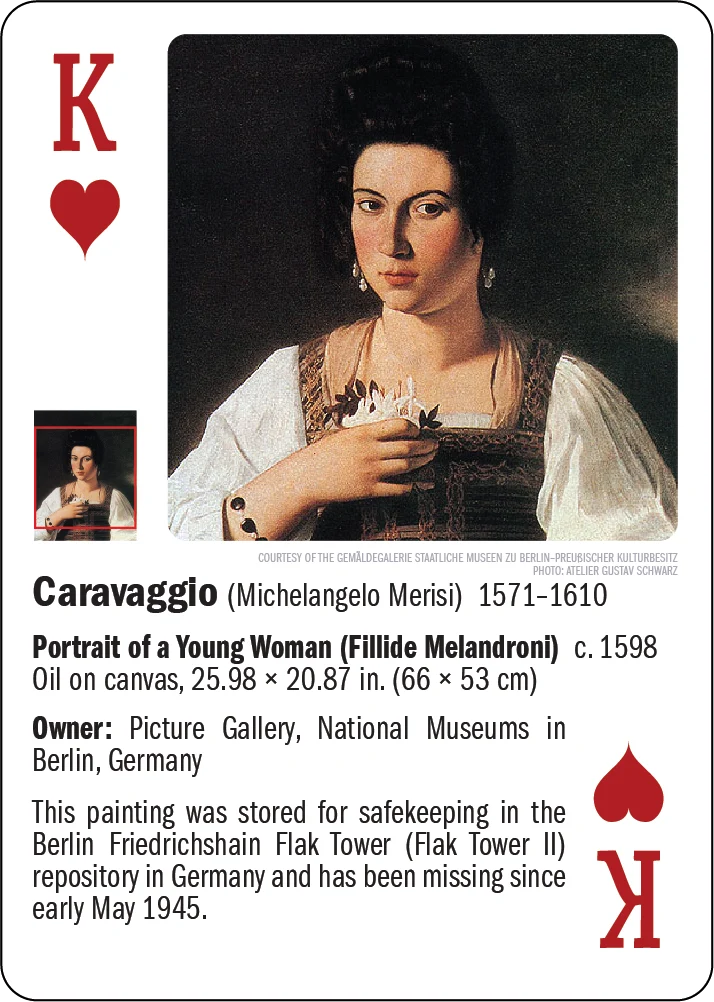 Caravaggio · Portrait of a Young Woman (Fillide Melandroni)Up to$20,000Monuments Men and Women FoundationEnds: 2026-12-31
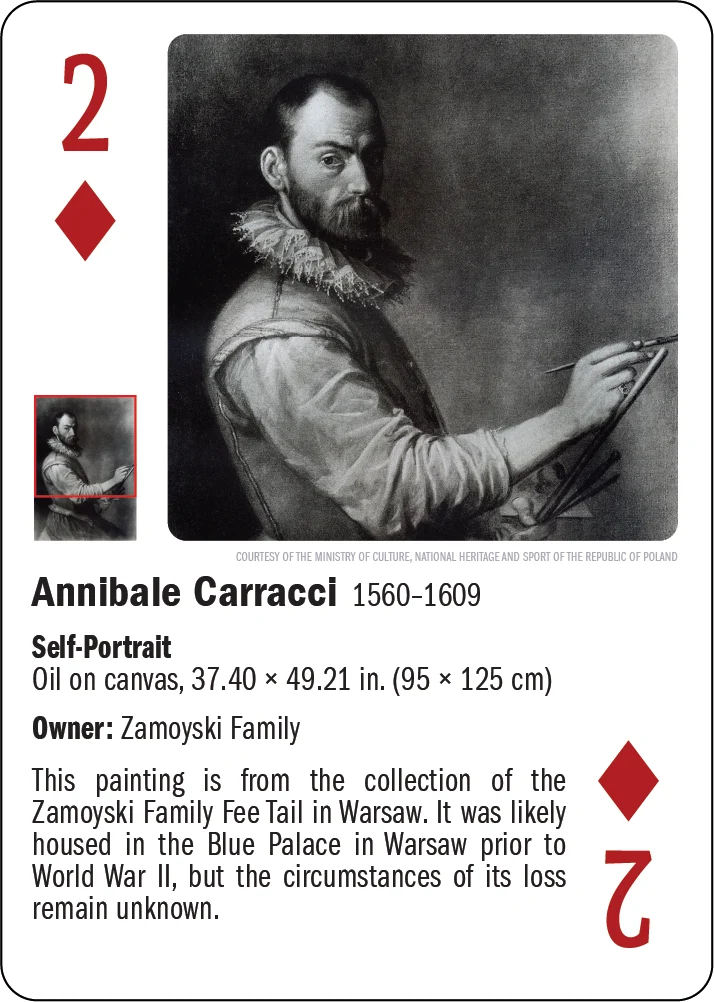 Annibale Carracci · Self-PortraitUp to$2,500Monuments Men and Women FoundationEnds: 2026-12-31
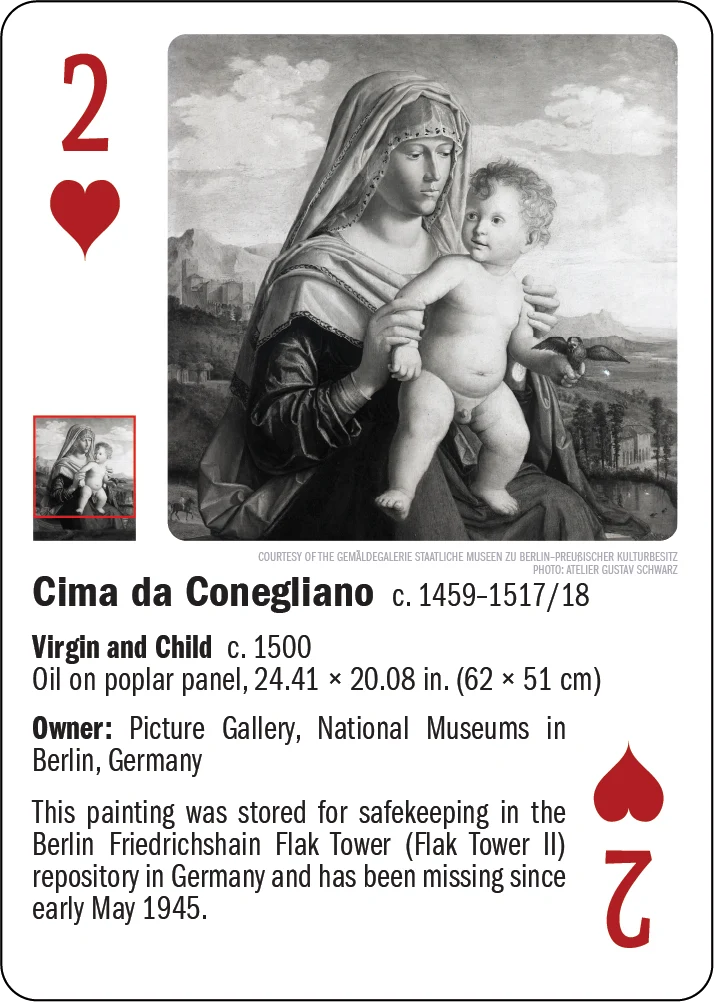 Cima da Conegliano · Virgin and ChildUp to$2,500Monuments Men and Women FoundationEnds: 2026-12-31
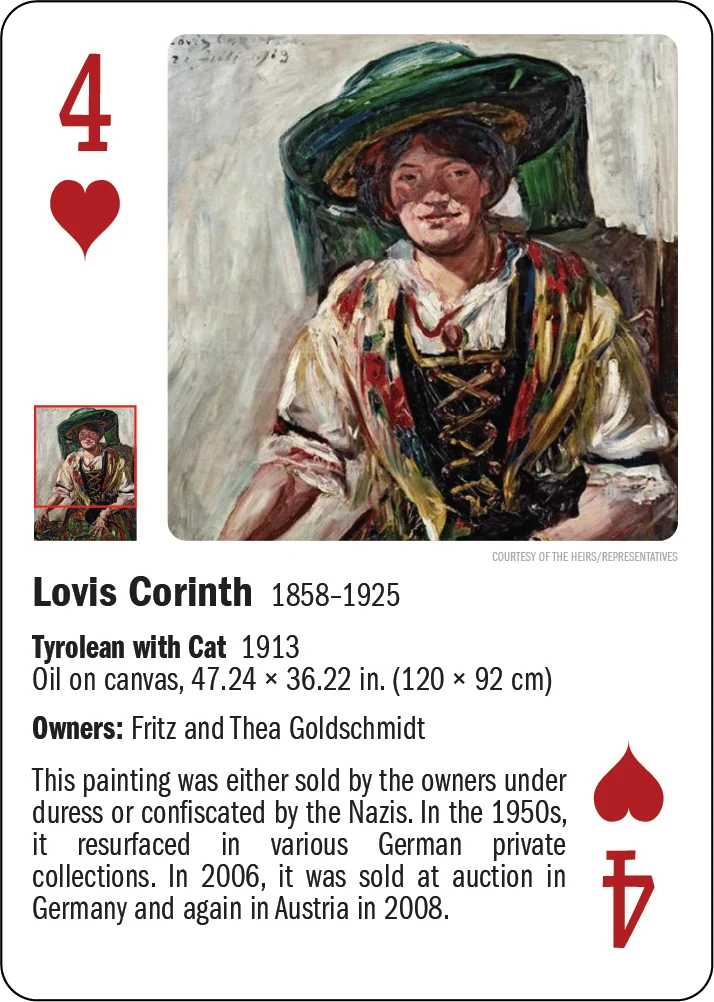 Lovis Corinth · Tyrolean with CatUp to$2,500Monuments Men and Women FoundationEnds: 2026-12-31
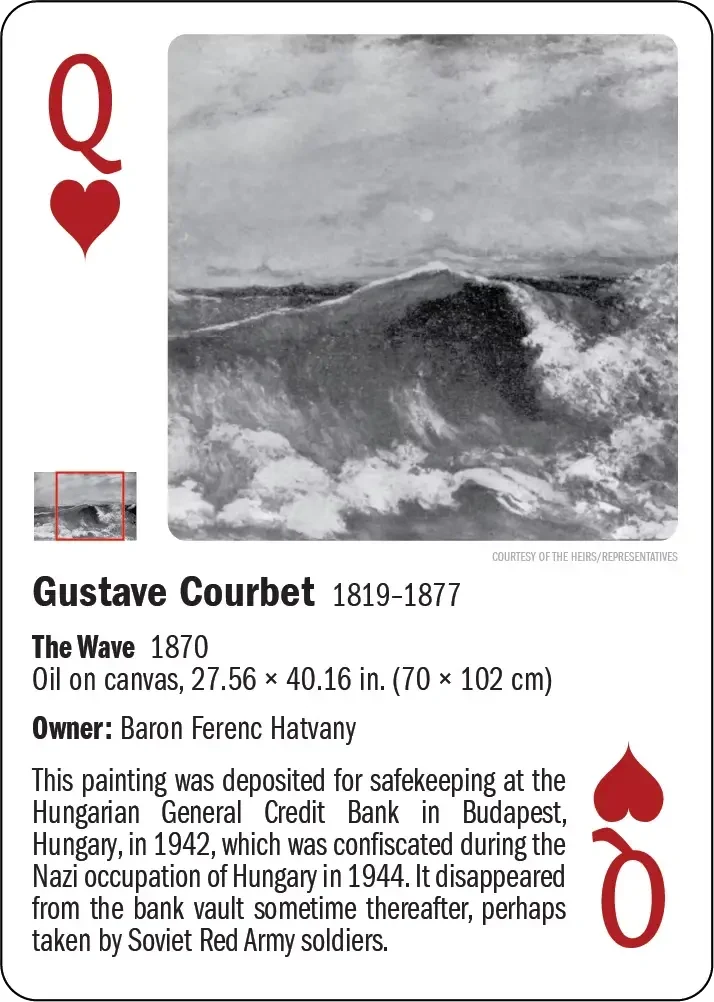 Gustave Courbet · The WaveUp to$15,000Monuments Men and Women FoundationEnds: 2026-12-31
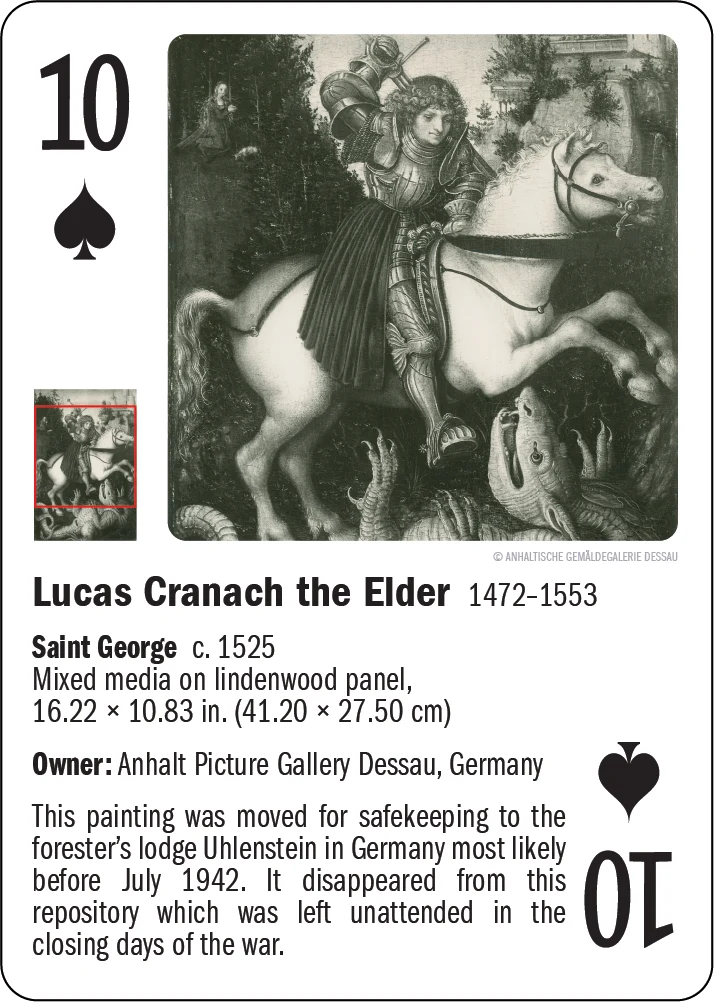 Lucas Cranach the Elder · Saint GeorgeUp to$7,500Monuments Men and Women FoundationEnds: 2026-12-31
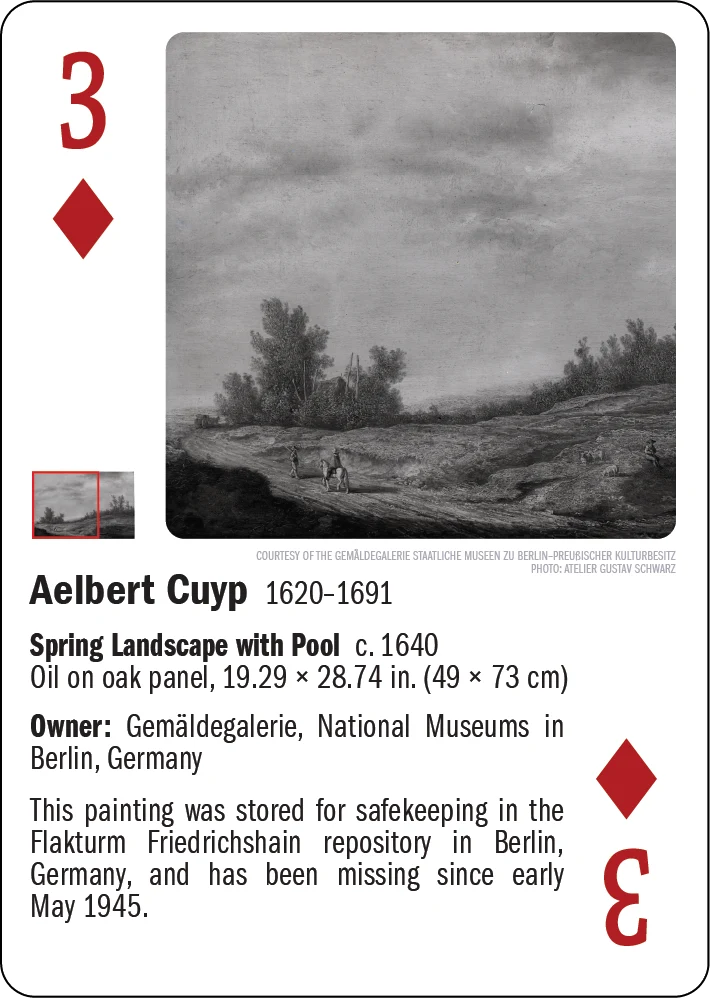 Aelbert Cuyp · Spring Landscape with PoolUp to$2,500Monuments Men and Women FoundationEnds: 2026-12-31
10 of 59 entries · see the full list for the rest.
Amounts reported by the cited sources, without confirmation that the offers remain valid.
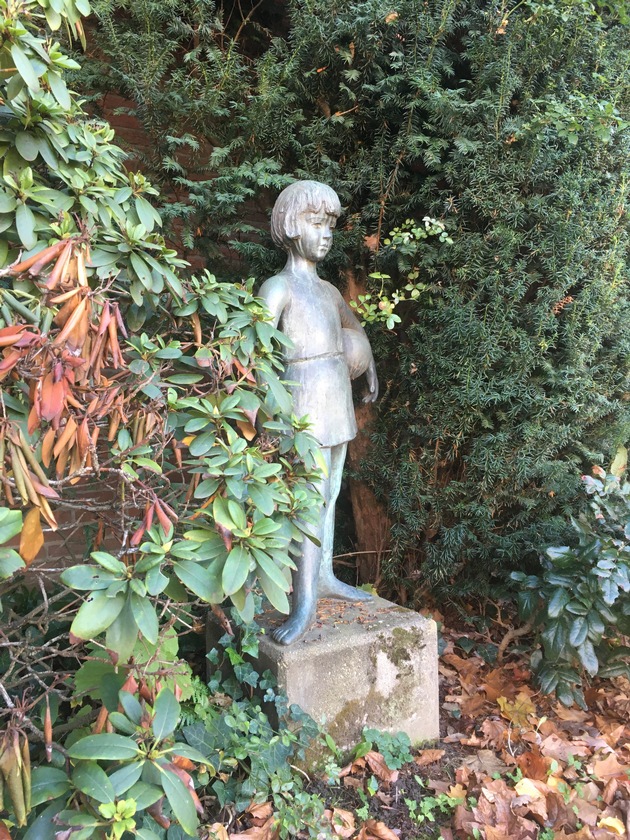 Heinrich Martens’s bronze girl with a ballUp to€5,000Validity unconfirmed
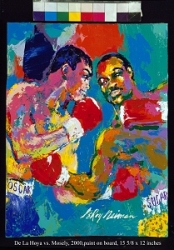 LeRoy Neiman — Oscar de la Hoya – Shane MosleyAdvertised reward$5,000Centaur Art GalleriesValidity unconfirmed
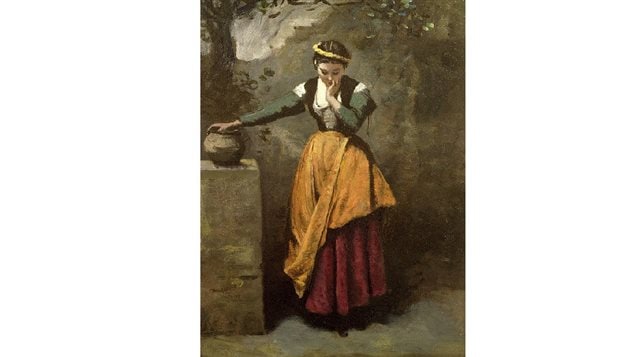 Montreal Museum of Fine Arts — 1972 theftAdvertised rewardAmount not publishedInsurers, according to Radio Canada InternationalValidity unconfirmed
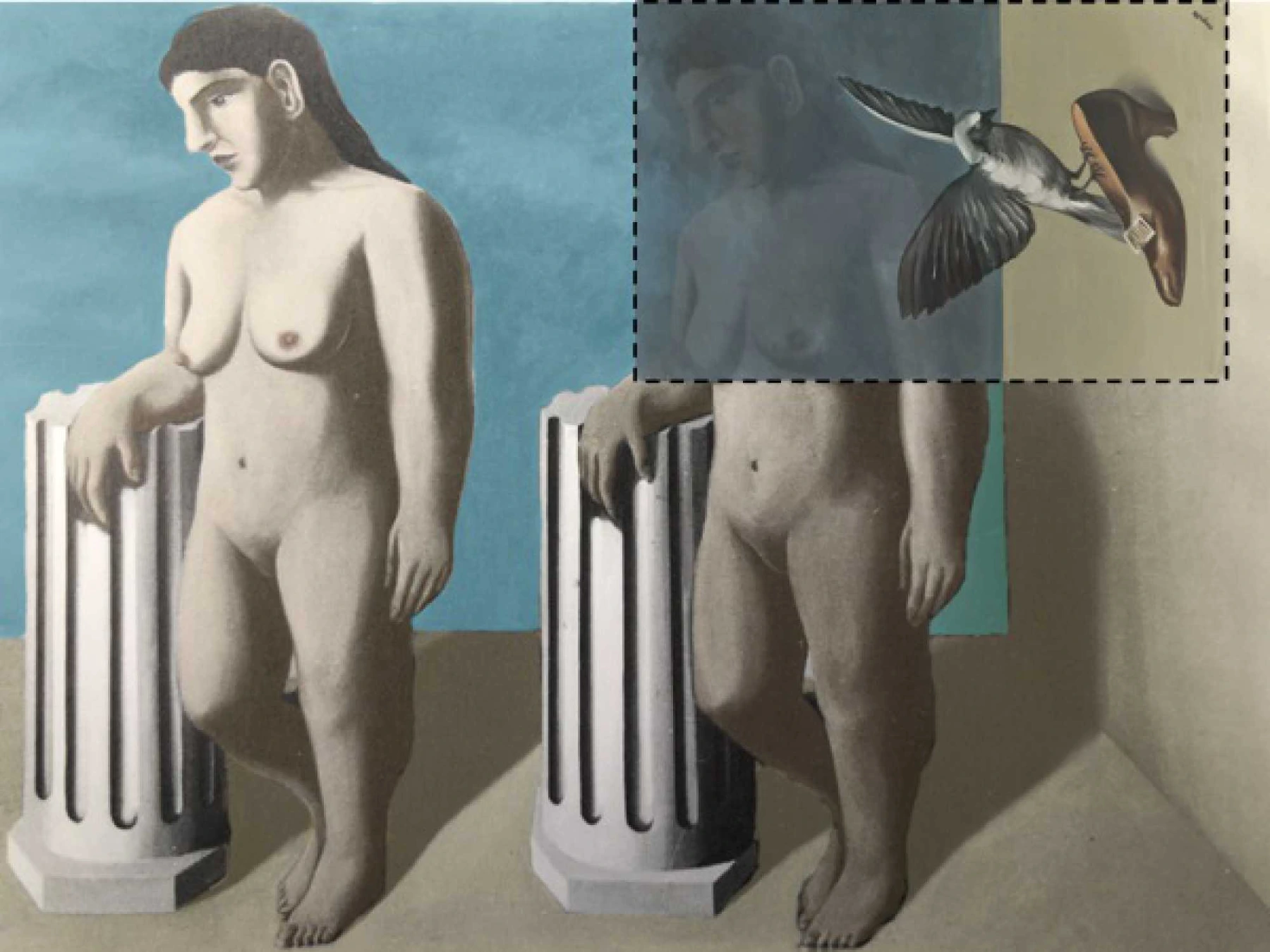
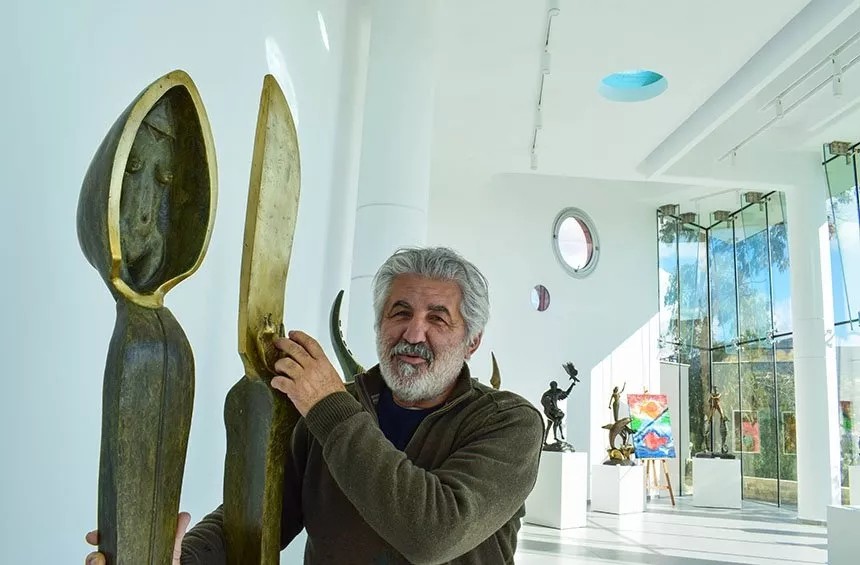 Giapanis · BalanceAdvertised reward€5,000Validity unconfirmed
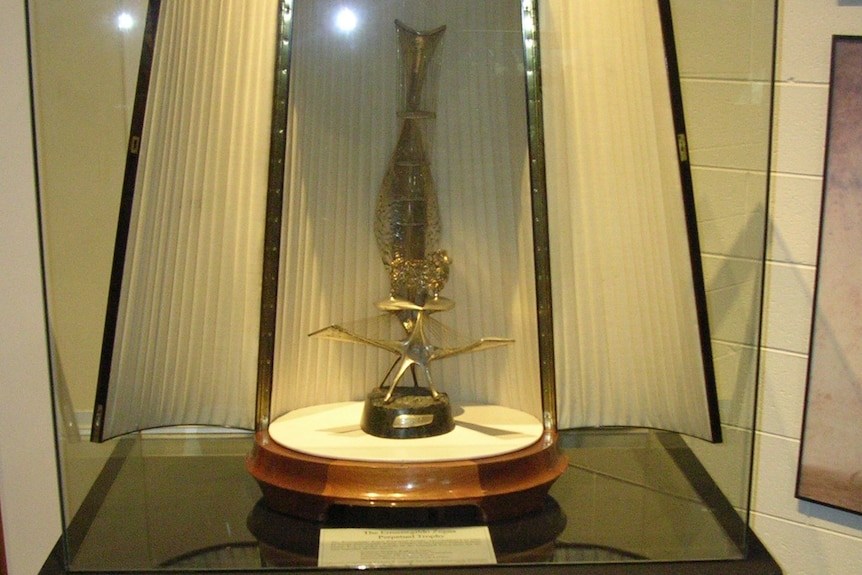 Zegna · Gold sheep trophyAdvertised rewardA$15,000Validity unconfirmed
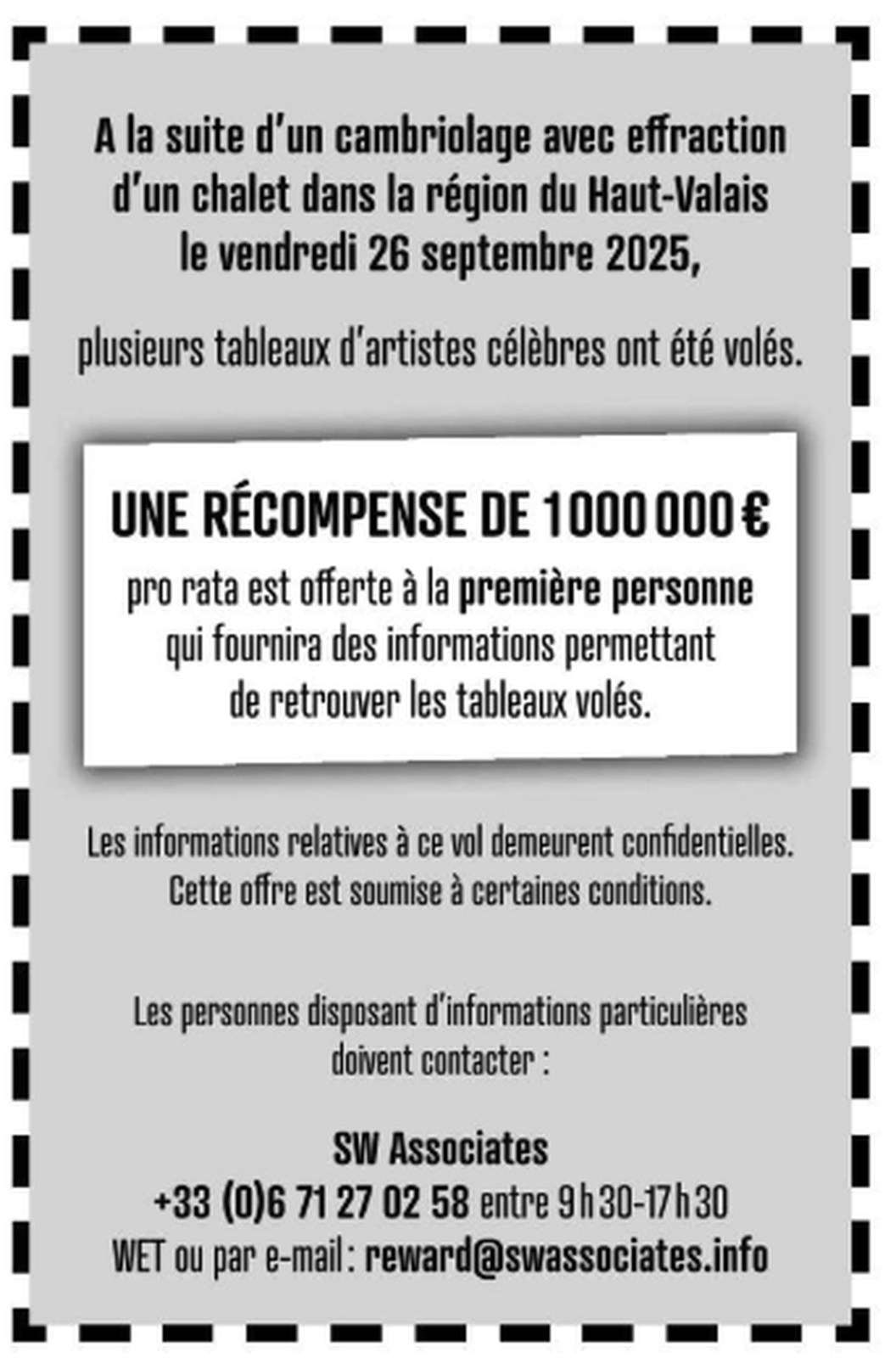 Valais · Chalet theftUp to€1,000,000Validity unconfirmed
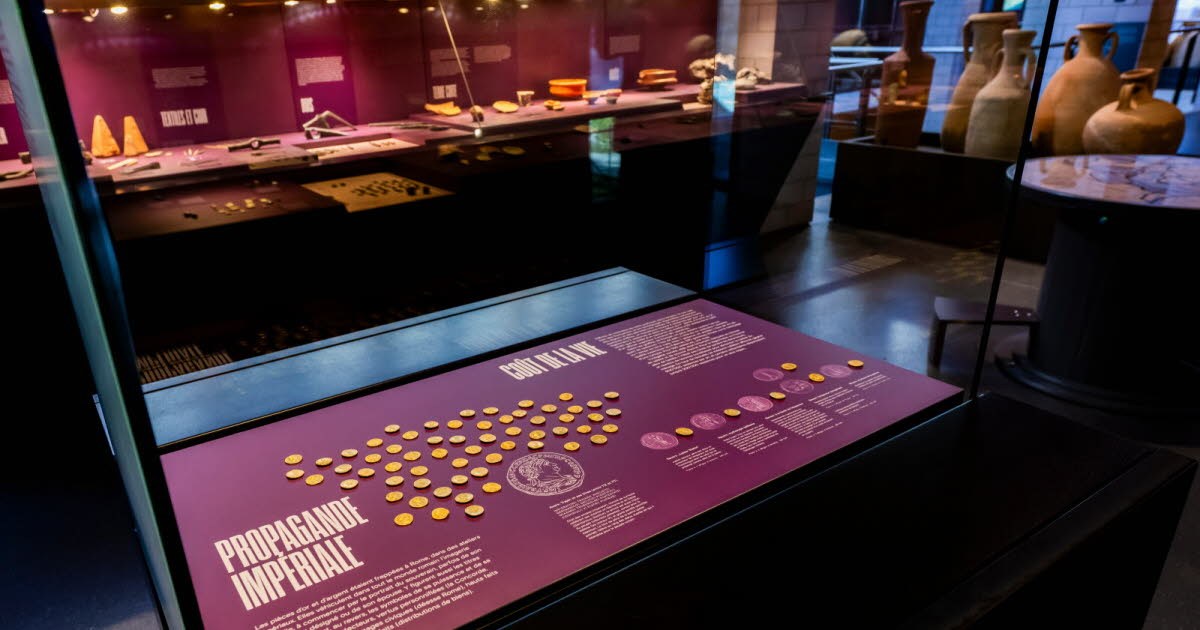 Lausanne · Gold coinsUp to€200,000Validity unconfirmed
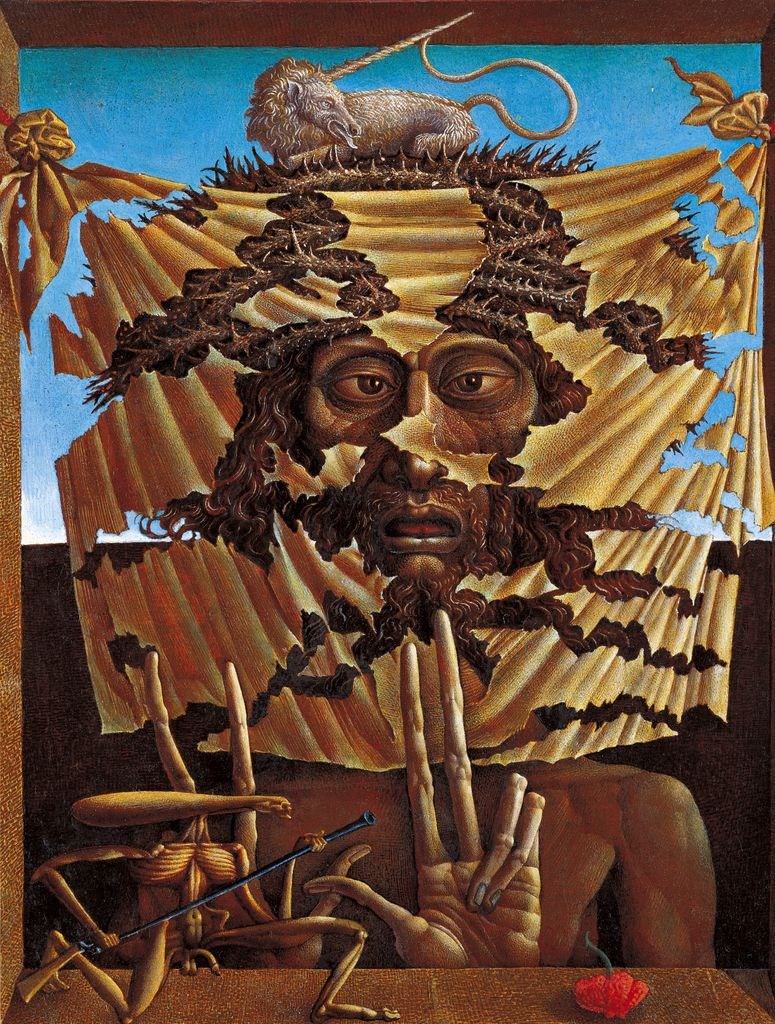 Ernst Fuchs · ViennaAdvertised reward€30,000Validity unconfirmed
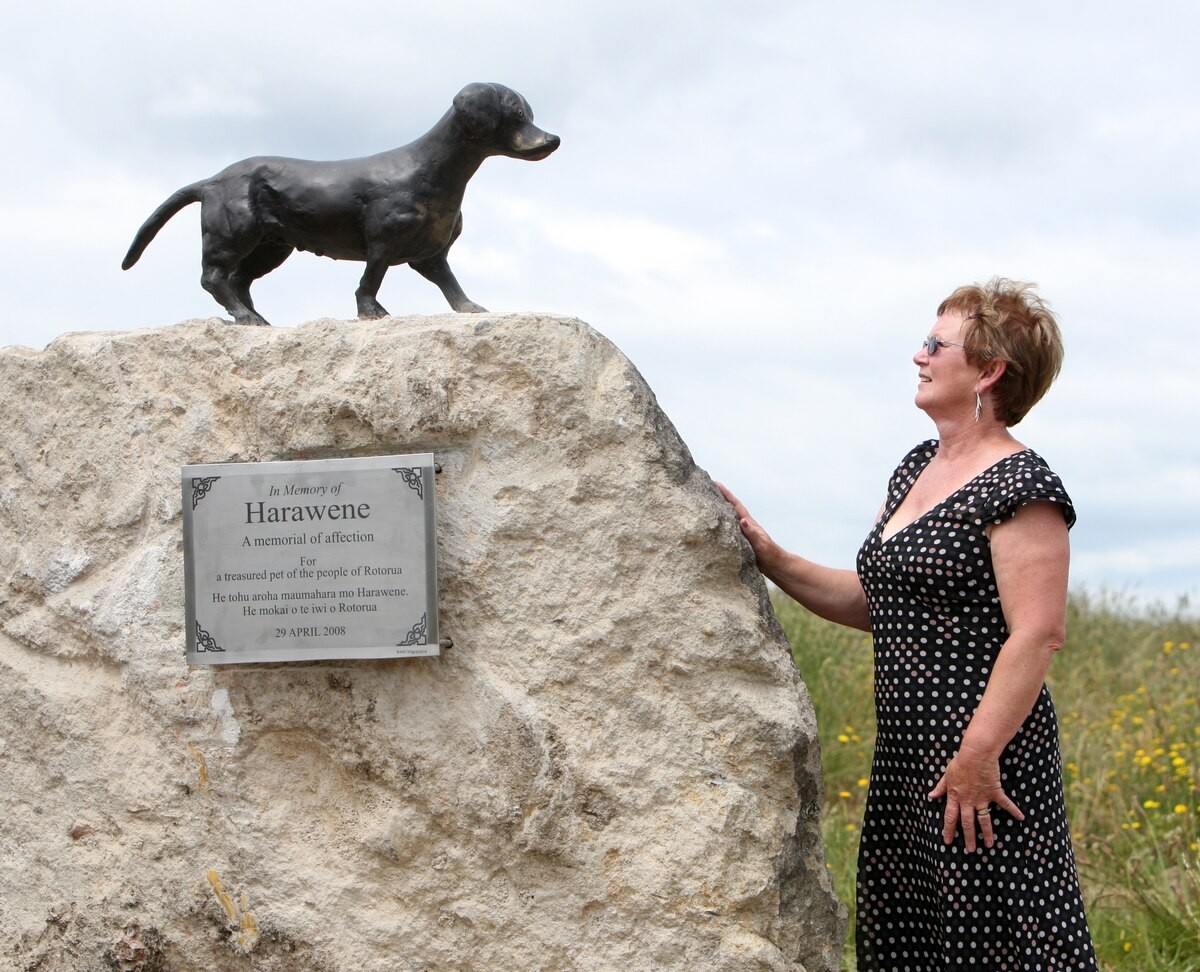 Harawene · RotoruaAdvertised rewardNZ$5,000Validity unconfirmed
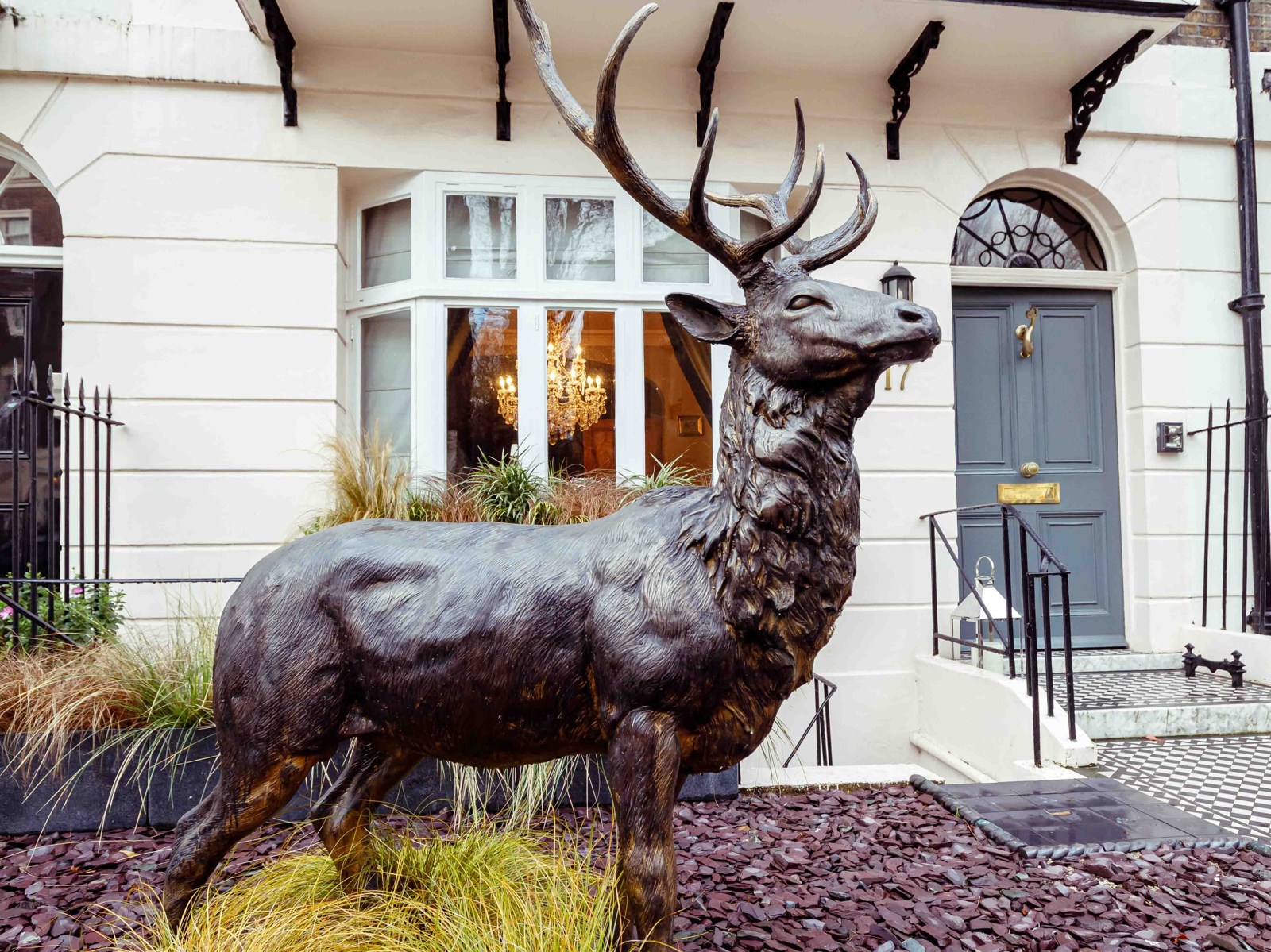 Henry · LondonAdvertised reward£1,000Validity unconfirmed
10 of 18 entries · see the full list for the rest.
Historical reward offers; reported returns, recoveries or destruction.
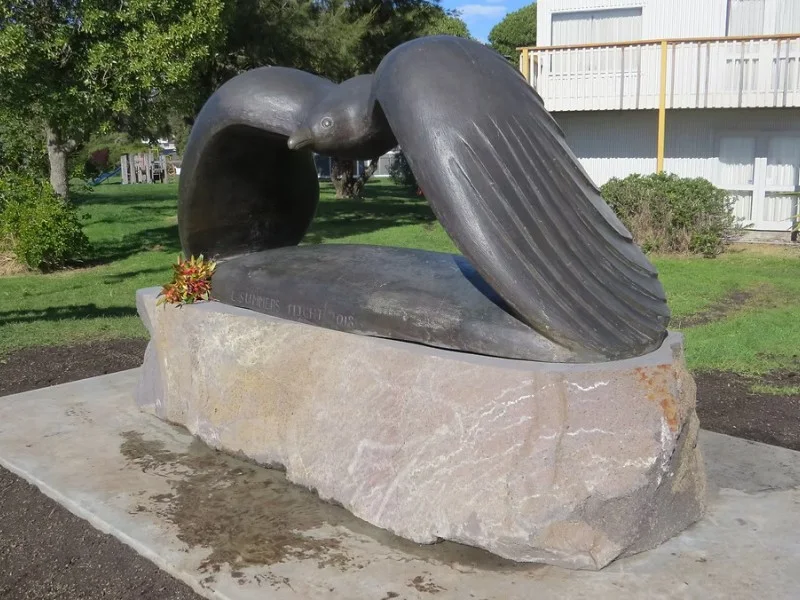 Llew Summers · FlightAdvertised rewardNZ$4,000Archive · see outcome
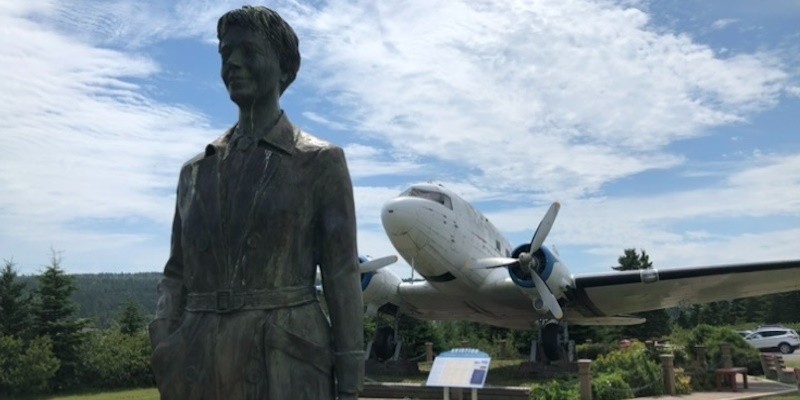 Amelia Earhart · ReturnedAdvertised rewardCA$25,000Archive · see outcome
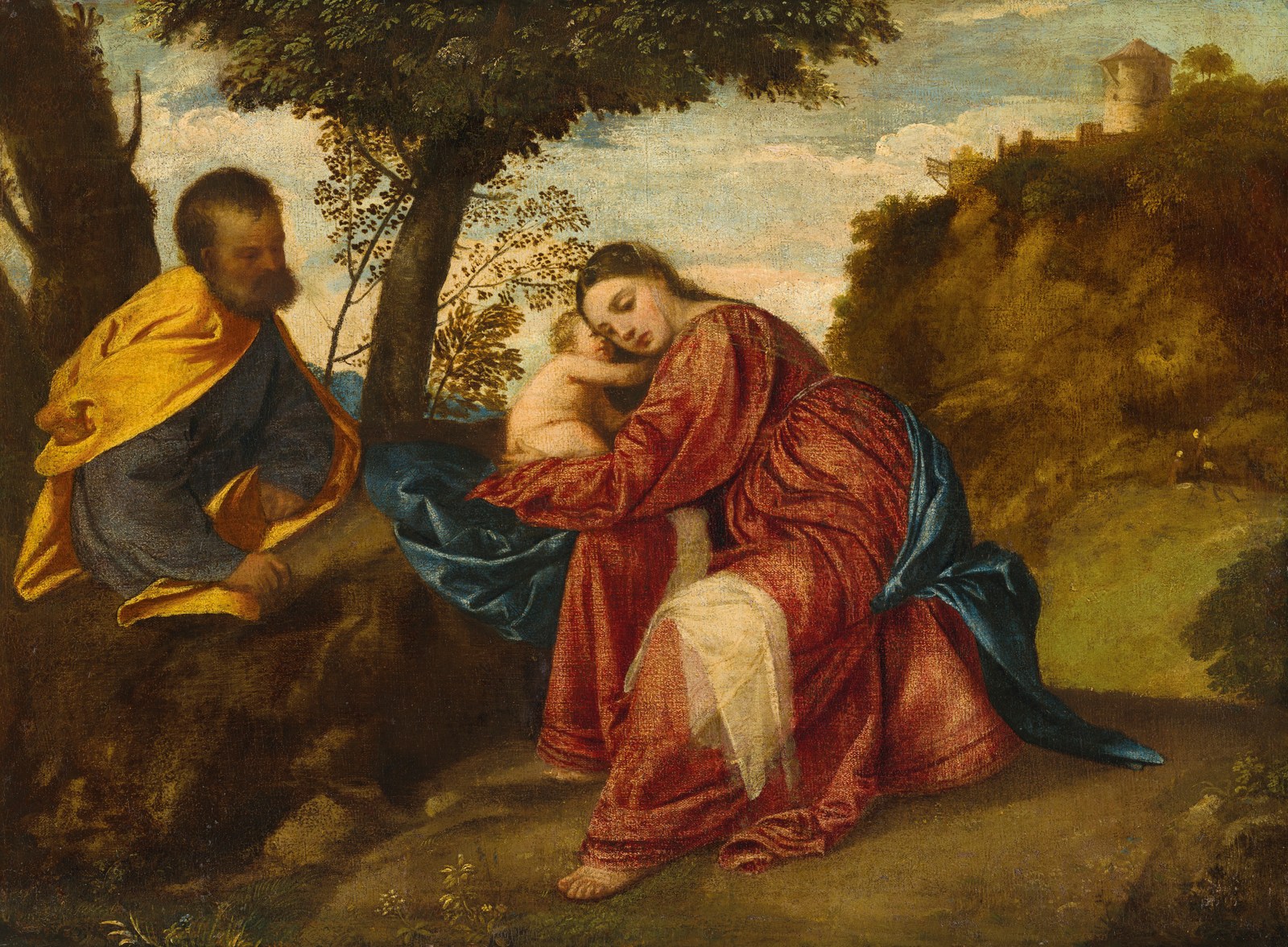 Titian · RecoveredAdvertised reward£100,000Archive · see outcome
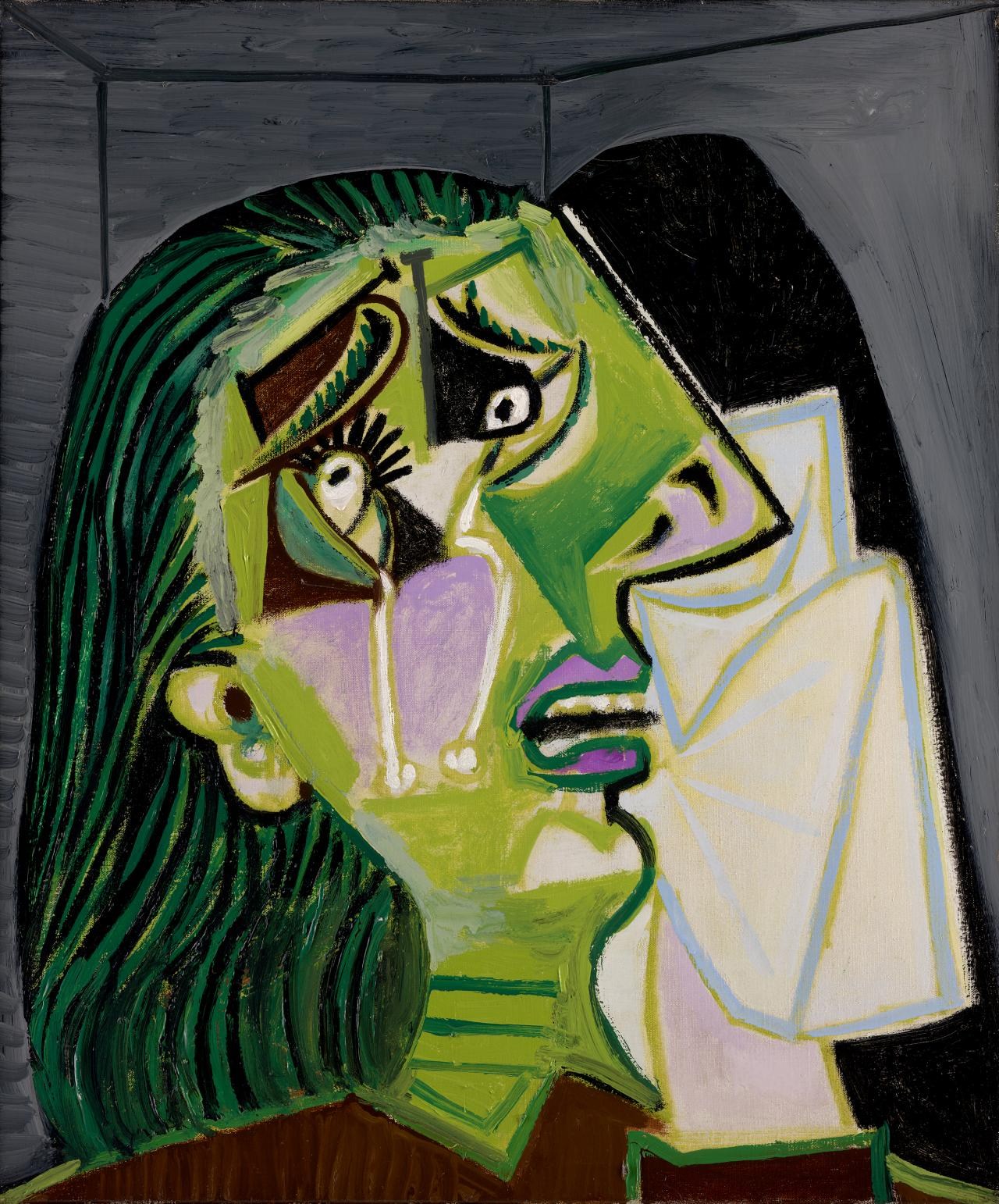 Picasso · RecoveredAdvertised rewardA$50,000Archive · see outcome
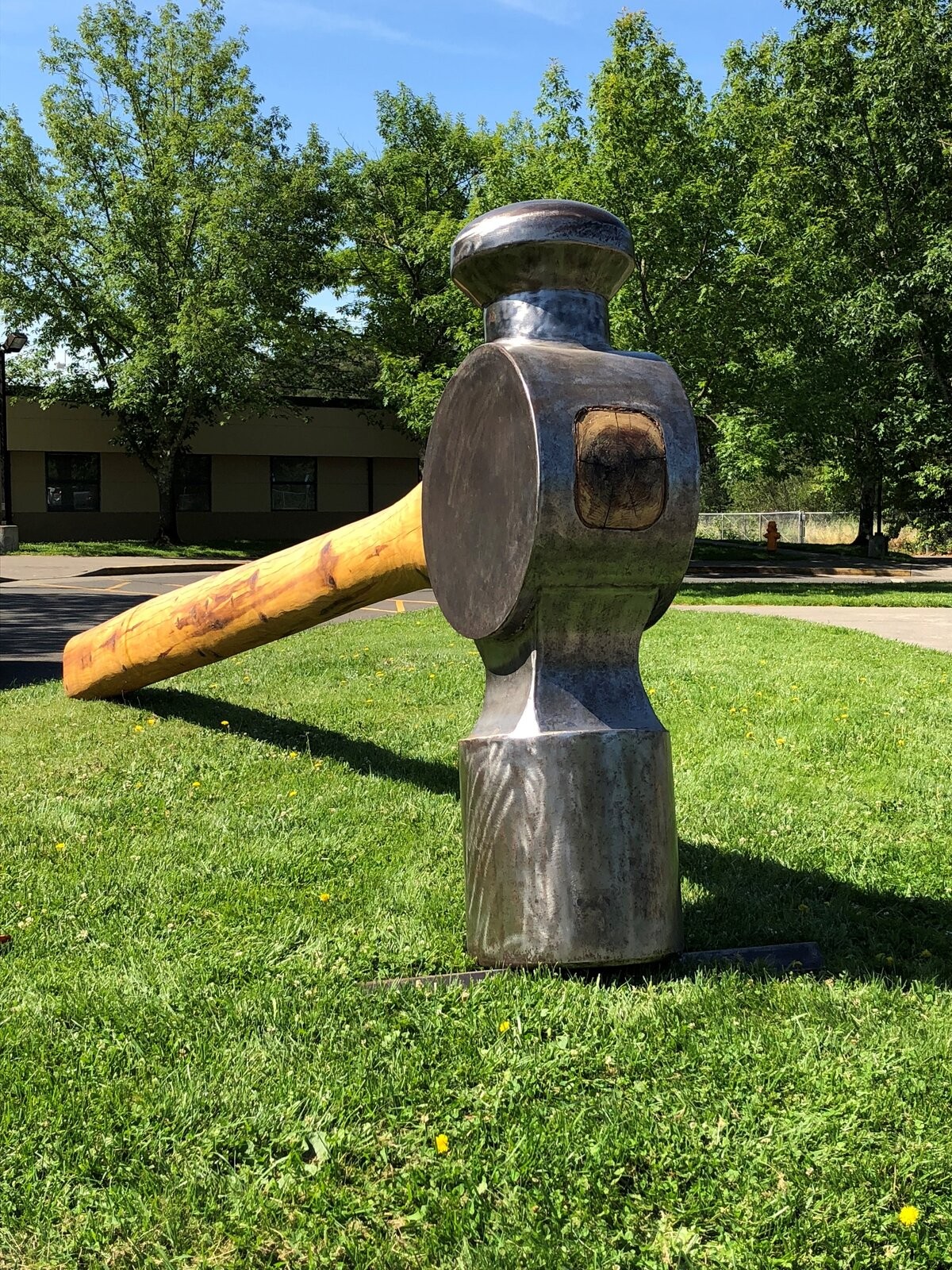 Unkrey · The HammerAdvertised reward$1,000Archive · see outcome
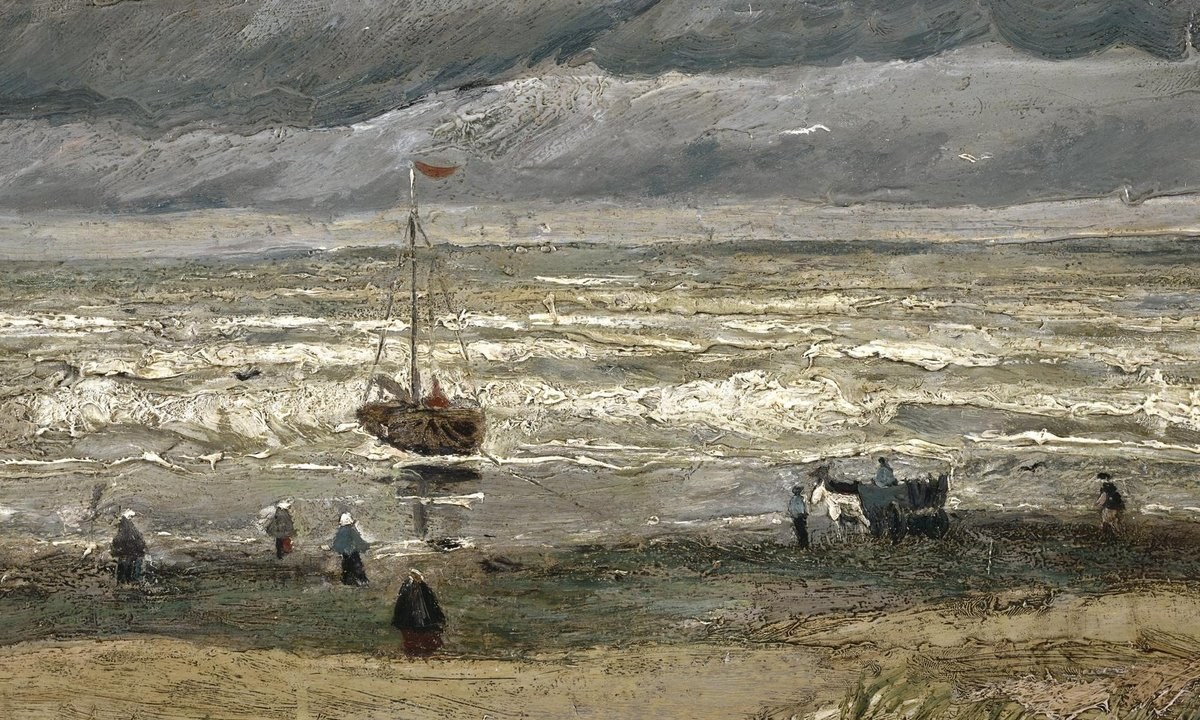 Van Gogh · Two paintingsAdvertised reward€100,000Archive · see outcome
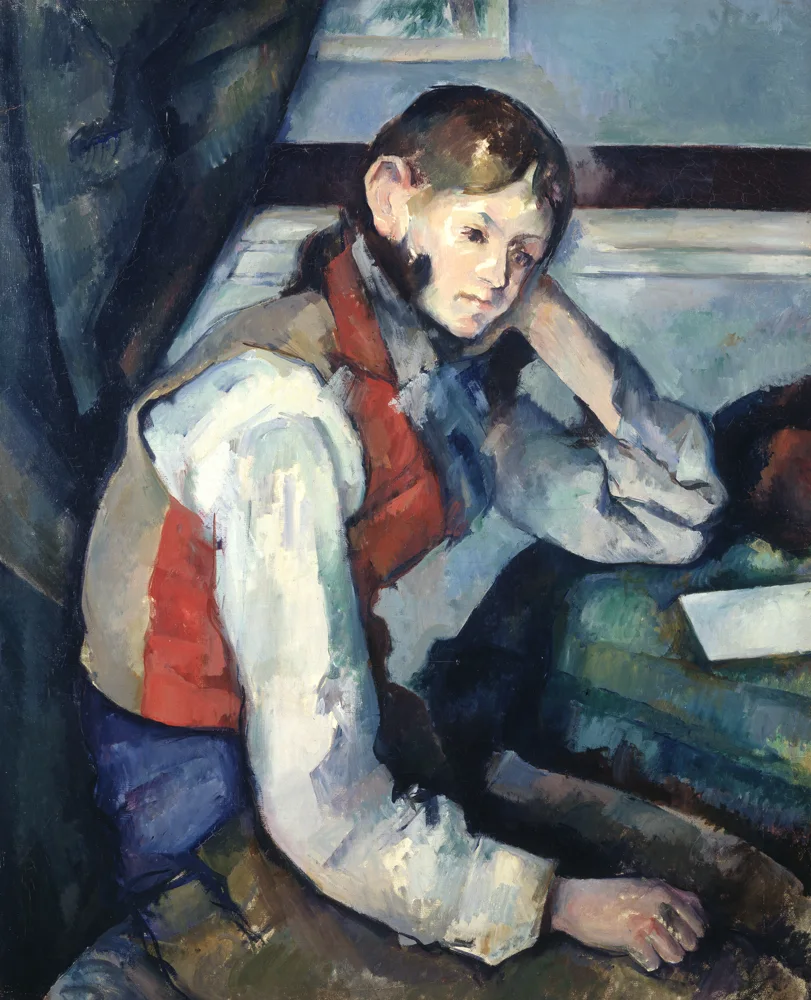 Bührle · RecoveredAdvertised rewardCHF 100,000Archive · see outcome
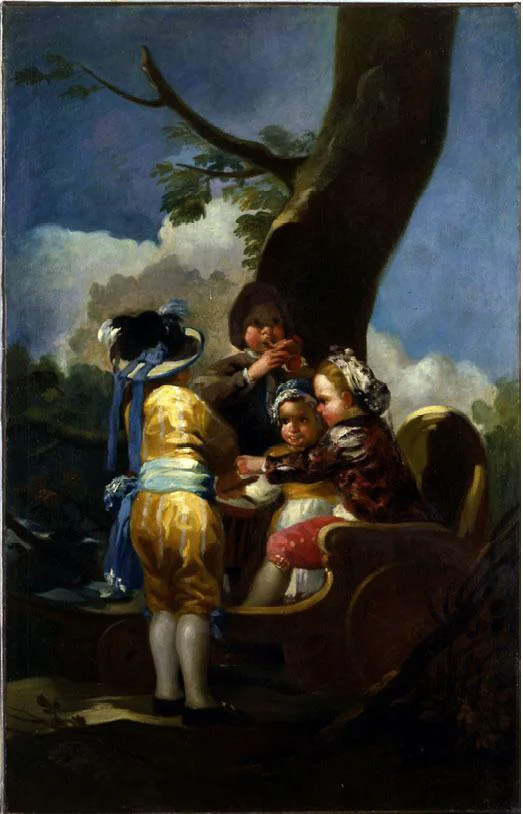 Goya · Children with a CartUp to$50,000Archive · see outcome
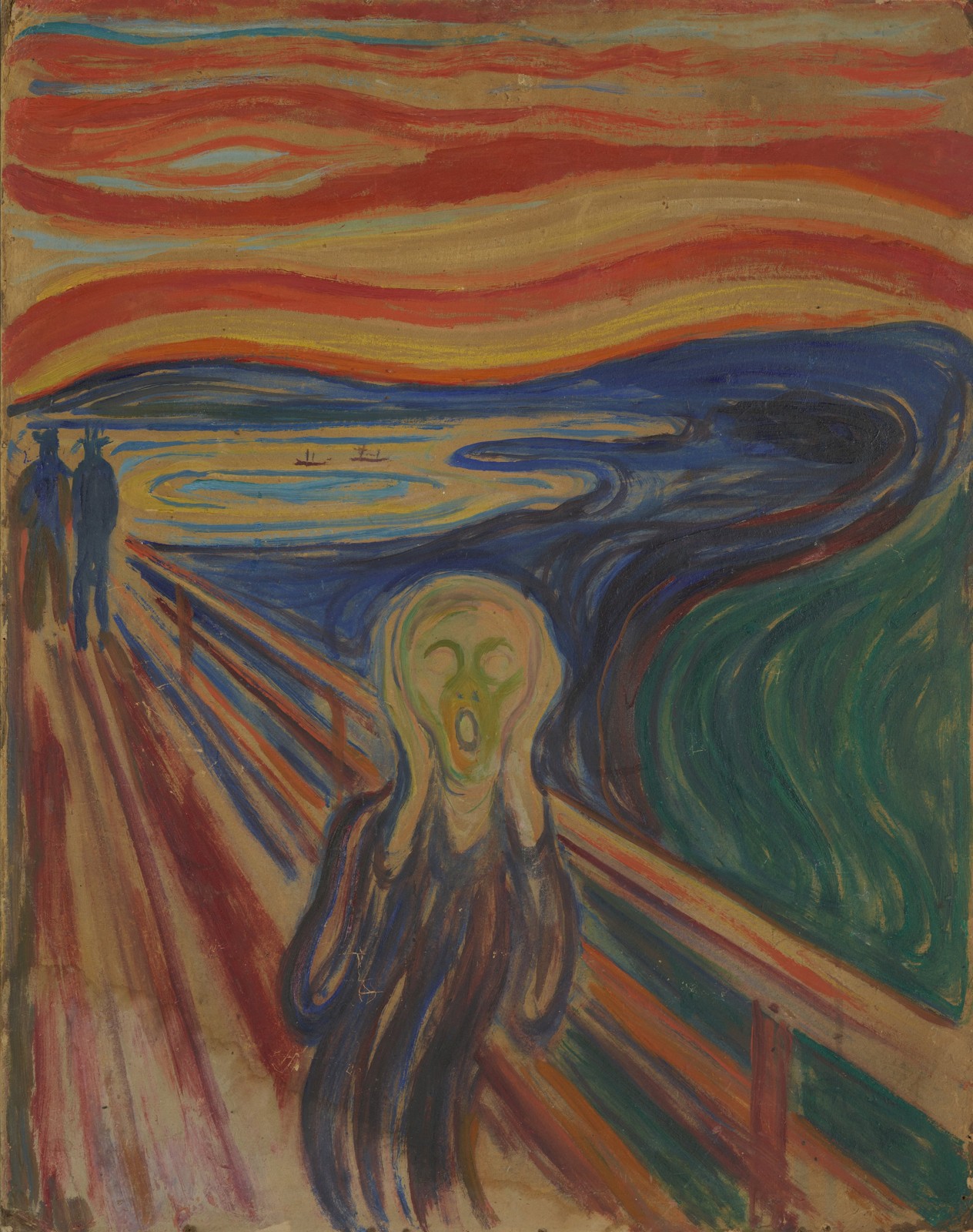 Munch · Two paintingsUp toNOK 2,000,000Archive · see outcome
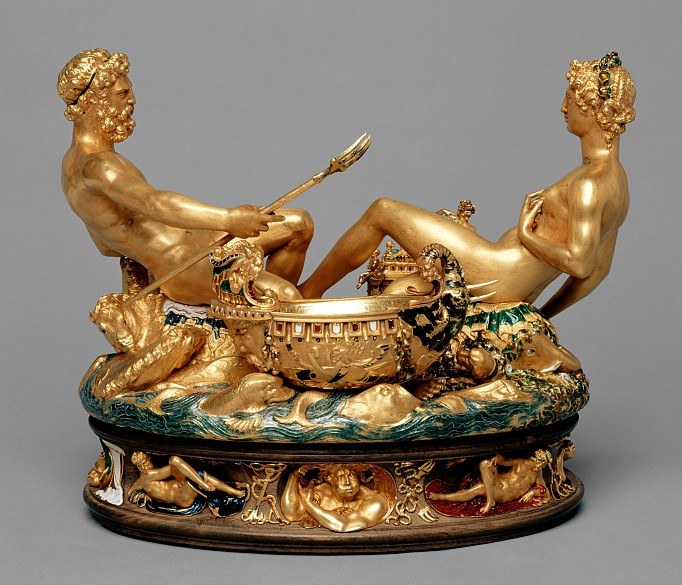 Cellini · SalieraAdvertised reward€70,000Archive · see outcome
64–84 of 165 reports
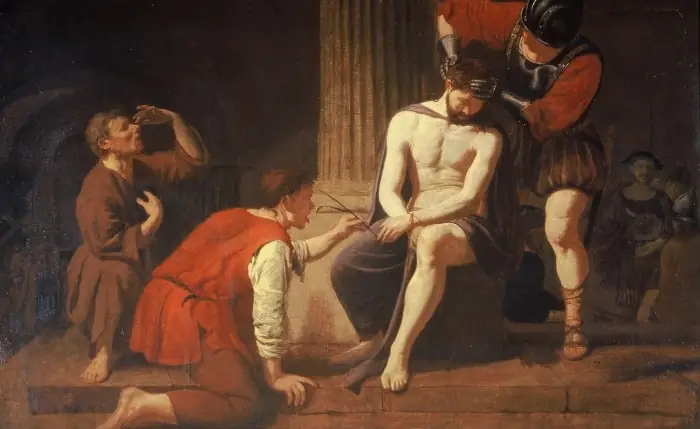
Adriaen van de Velde / Faithful reproduction of a public-domain two-dimensional artwork; image supplied in the source notice. · Resized for display Image source ↗ · CC BY-SA 4.0
Five Passion paintings commissioned in 1664 for the clandestine attic church were reunited at Museum Ons’ Lieve Heer op Solder. Research had established their original destination after centuries elsewhere. Christ Crowned with Thorns had already been conserved in 2013; the other paintings were awaiting future treatment when the group went on view.
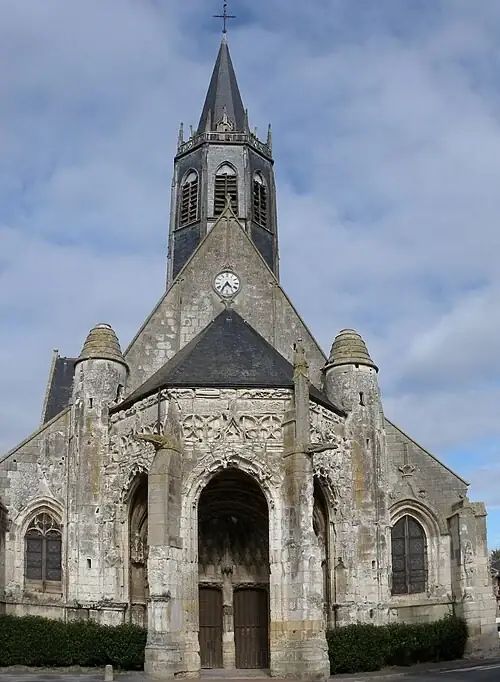
JM BACCIOCHINI Image source ↗ · CC BY-SA 4.0
A Saint Veronica fragment from a sixteenth-century altarpiece at Maignelay-Montigny was identified with an Amsterdam dealer. The ensemble had been dismantled in a 1973 theft, and other fragments had surfaced separately.
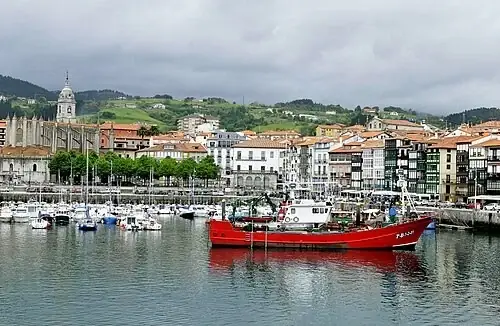
LBM1948 Image source ↗ · CC BY-SA 4.0
A cave exploration and archaeology team identified engravings at Armintxe in May. About fifty images were described when the find was made public in October. Specialists provisionally associated them with the Magdalenian period.
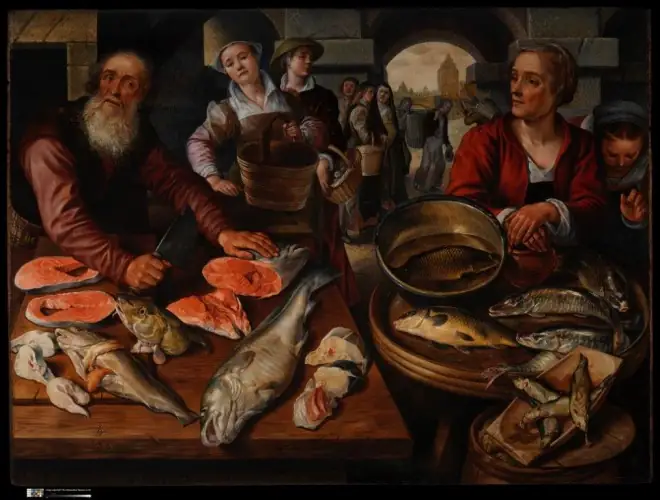
Joachim Beuckelaer / Faithful reproduction of a public-domain two-dimensional artwork; image supplied in the source notice. · Resized for display Image source ↗ · CC BY-SA 4.0
The Metropolitan Museum presented Joachim Beuckelaer’s Fish Market after acquisition in 2015 and conservation. Previously known to scholars through copies, the original panel had spent roughly seventy years in a Belgian private collection. Its return to public study clarified an important example of early Flemish market-scene painting.
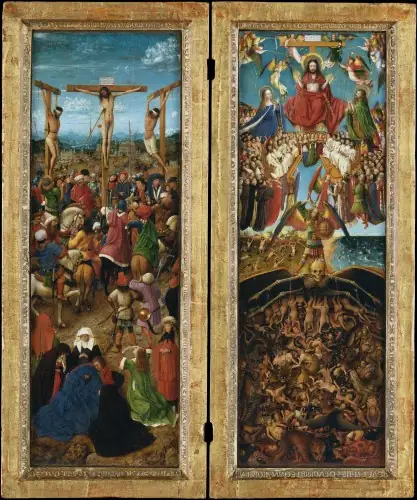
Jan van Eyck / Faithful reproduction of a public-domain two-dimensional artwork; image supplied in the source notice. · Resized for display Image source ↗ · CC BY-SA 4.0
X-radiography at the Metropolitan Museum exposed fragmentary Flemish lettering under gold overpaint on the frames of the Crucifixion and Last Judgment. The discovery supplied evidence for investigation of the panels’ original arrangement and purpose; it did not by itself settle whether they began as a diptych or triptych.
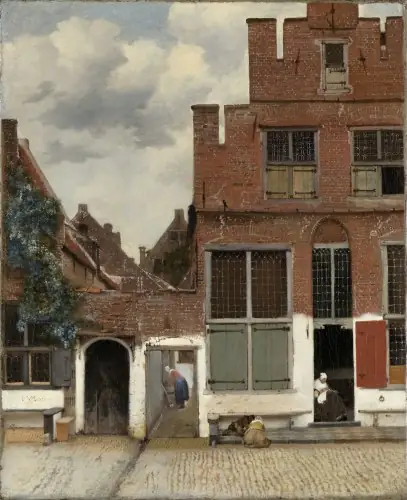
Johannes Vermeer / Faithful reproduction of a public-domain two-dimensional artwork; image supplied in the source notice. · Resized for display Image source ↗ · CC BY-SA 4.0
Frans Grijzenhout used seventeenth-century property records to propose the present-day Vlamingstraat 40–42 as the site in Vermeer’s The Little Street. The Rijksmuseum publicised the finding as a major advance over earlier competing locations. This was an identification of the painted setting, not discovery of a missing painting.
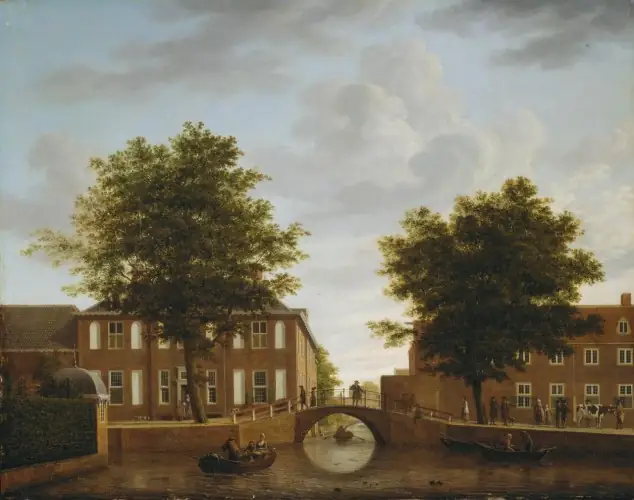
Attributed to Jan Ekels the Elder / Faithful reproduction of a public-domain two-dimensional artwork; image supplied in the source notice. · Resized for display Image source ↗ · CC BY-SA 4.0
RKD topographical curator Laurens Schoemaker identified the setting of an NGV painting as Amersfoort’s House with the Purple Glass Panes before its 1780 rebuilding. He proposed Jan Ekels the Elder as its painter. The identification supplied an image of the building’s earlier appearance previously unknown to researchers.
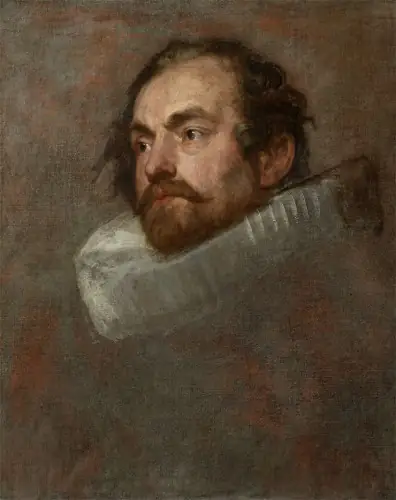
Anthony van Dyck / Faithful reproduction of a public-domain two-dimensional artwork; image supplied in the source notice. · Resized for display Image source ↗ · CC BY-SA 4.0
The Rubenshuis presented a study of a Brussels magistrate that had surfaced on Antiques Roadshow in 2013. Removal of later additions recovered Van Dyck’s lively preparatory head for the group portrait destroyed in 1695. The privately owned study entered the museum on long-term loan.
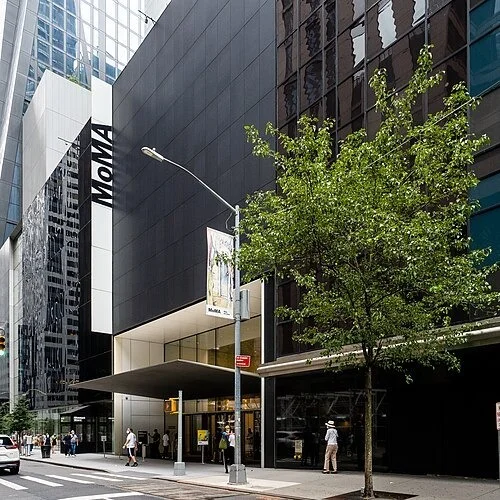
Photo: ajay_suresh. Image source ↗ · CC BY 2.0
Further provenance work identified the landscape in the museum as a picture from Max Fischer’s collection. MoMA returned the painting to his heirs.
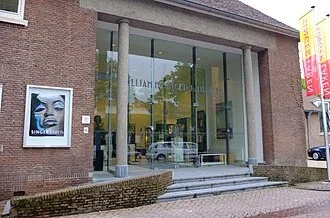
Photo: Drenthe007. Image source ↗ · CC BY-SA 3.0
Singer Laren had placed its unsigned portrait in storage after a specialist questioned it. Infrared examination revealed a preparatory sketch that supported its attribution to James McNeill Whistler. The museum announced the finding in October 2015.
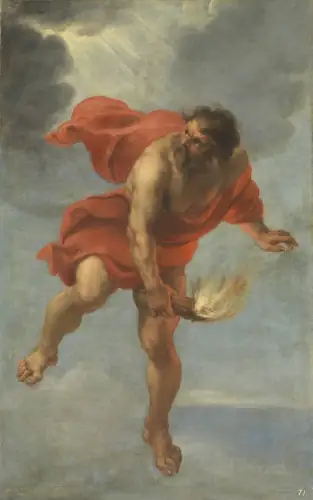
Jan Cossiers / Faithful reproduction of a public-domain two-dimensional artwork; image supplied in the source notice. · Resized for display Image source ↗ · CC BY-SA 4.0
Meadows fellow Ana Alicia Suarez located Jan Cossiers’s signature on the torch in Prometheus Carrying Fire. The composition was designed by Rubens for the Torre de la Parada, which had helped sustain uncertainty about the painter. The newly recognised inscription gave the Prado direct evidence of Cossiers’s execution.
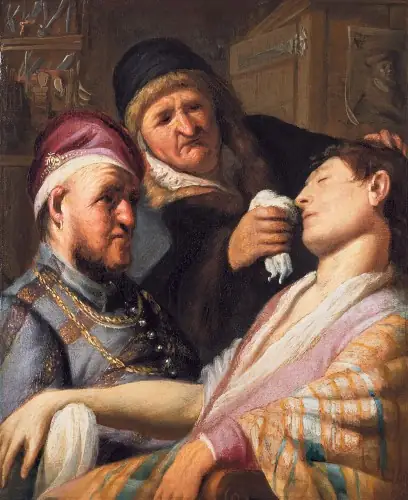
Rembrandt van Rijn / Faithful reproduction of a public-domain two-dimensional artwork; image supplied in the source notice. · Resized for display Image source ↗ · CC BY-SA 4.0
A panel catalogued as nineteenth-century Continental school at a New Jersey auction in September 2015 was recognised as Rembrandt’s Sense of Smell. It was shown at TEFAF in March 2016 after acquisition for the Leiden Collection. The painting restored a missing member of the young artist’s series of senses.
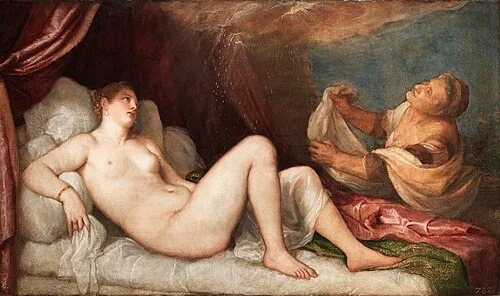
Photo: Titian. Image source ↗ · Public domain
Conservation and archival research clarified the origins of three paintings in the Wellington Collection. English Heritage announced the reassessments and displayed the paintings together at Apsley House. The research identified the collection’s Danaë as a work painted for Philip II of Spain.
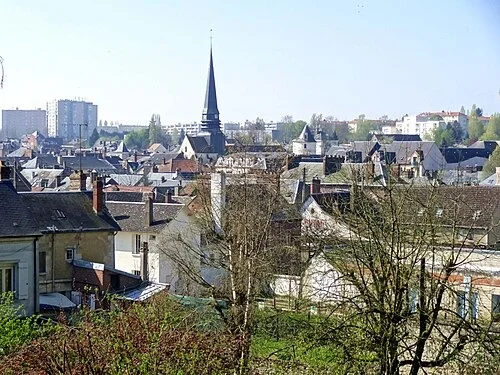
Photo: Pierre Poschadel. Image source ↗ · CC BY-SA 4.0
A protected sixteenth-century wooden group of Saint Anne, the Virgin and Child had been moved to a presbytery for safekeeping in 1989 and was later recorded as missing. A heritage conservator confirmed the sculpture was there during a visit in May 2015.
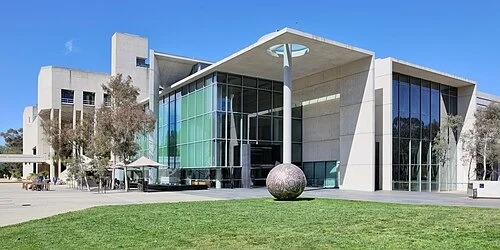
Photo: Thennicke. Image source ↗ · CC BY-SA 4.0
The National Gallery of Australia said it would return a sandstone Buddha to India after an audit confirmed its stolen status. The finding came amid an examination of the gallery’s Asian collection.
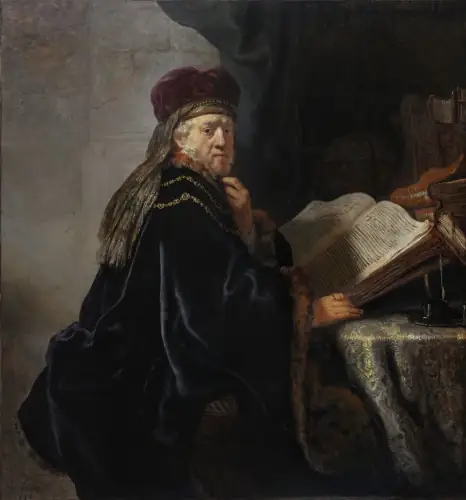
Rembrandt van Rijn / Faithful reproduction of a public-domain two-dimensional artwork; image supplied in the source notice. · Resized for display Image source ↗ · CC BY-SA 4.0
Conservation and infrared analysis of Rembrandt’s Scholar in His Study revealed that the artist changed an intended beret into a turban. Investigators also identified fading red organic pigment in the book, cape and tablecloth. The National Gallery returned the painting to display after nearly a year of treatment and study.
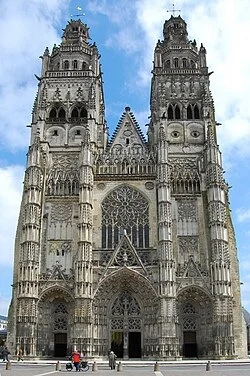
Photo: Goldmund100. Image source ↗ · CC BY-SA 3.0
A stained-glass fragment showing Eve bathing was identified in advance of a London sale and withdrawn on 25 July 2014. It was traced to Saint-Julien abbey church in Tours and to an 1810 purchase by the cathedral chapter.
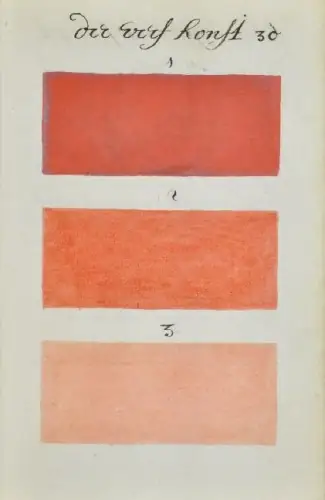
A. Boogert / Faithful reproduction of a public-domain two-dimensional artwork; image supplied in the source notice. · Resized for display Image source ↗ · CC BY-SA 4.0
Book historian Erik Kwakkel drew attention to A. Boogert’s handwritten colour manual in the Bibliothèque Méjanes. Compiled in Delft in 1692, it combines painted colour samples with names and mixing instructions. Recognition of the digitised manuscript made an unusually detailed early record of watercolour practice newly visible to a wider audience.
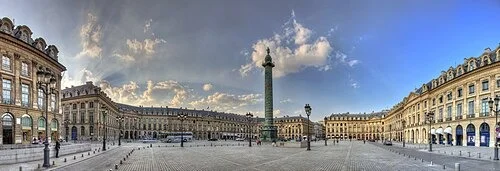
Photo: Giorgio Galeotti. Image source ↗ · CC BY-SA 2.0
Two pieces identified as fragments of the Vendôme Column, which was toppled during the Paris Commune in 1871, were withdrawn from sale on 11 April 2014. The French Ministry of Culture recorded the market intervention in its annual heritage-objects review.
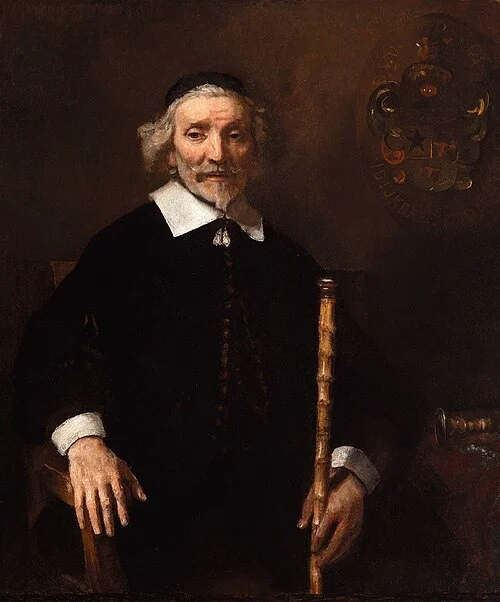
Photograph © Bruce M. White Image source ↗ · CC BY-SA 4.0
The Joslyn Art Museum brought its portrait of Dirck van Os out of storage for study and conservation. Rembrandt specialist Ernst van de Wetering identified it as the artist’s work, and treatment in Amsterdam helped recover details obscured by later paint. The museum scheduled the painting’s return to public view for May 2014.
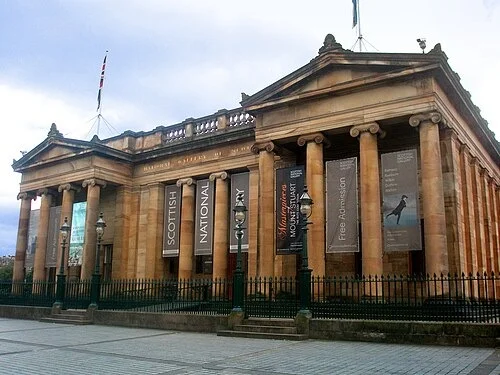
Photo: Maciek Szczepaniak. Image source ↗ · CC BY-SA 3.0
The National Galleries of Scotland announced the rediscovery of an impression of a Rembrandt etching, calling it unique. The find was publicised by the galleries in January 2014.
The week’s key developments in art theft, forgery, recovery, restitution and the courts. Every Monday.
Subscribe →