01 HISTORICAL DOSSIERS
Still Missing
The artworks still sought. The families still searching.
Explore the cases
Reports on works that resurfaced after years out of view or were identified in collections.
Clocks show the time now. Below each clock: the latest documented case in that country from our archive.
Red mark: source-reported theft time. An arc shows a reported time window on the outer 24-hour scale. Only shown where timing is documented.
“Published” is the report date, not the theft date. Cases may cover thefts, recoveries or returns. Click a clock for the case details and source.
These are the six leading countries in an INTERPOL register snapshot published by a Cornell Data Journal team on 16 December 2023. Counts refer to objects registered as stolen, not theft incidents. This historical snapshot is not a current, comprehensive worldwide ranking.
Published analysis ↗Underlying data table ↗About the INTERPOL register ↗
Explore reported theft locations in the archive.
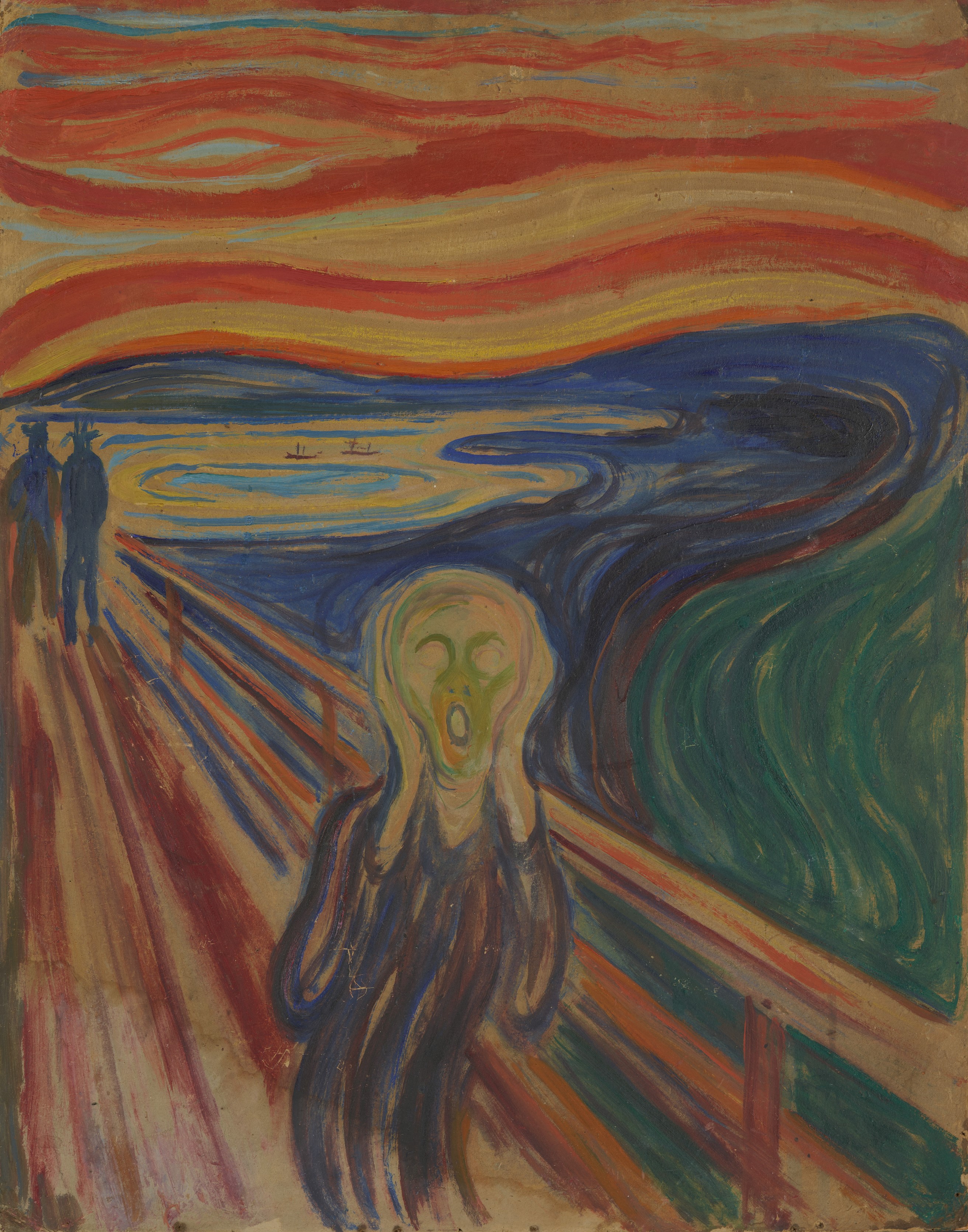 2004
This time there was no ladder and no taunting postcard. Armed men entered an open museum while visitors were inside.
Read the story 3 min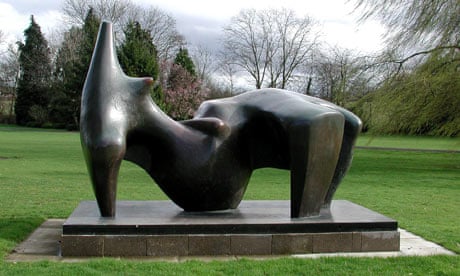 2005
The bronze seemed too heavy to steal. A crane made its weight manageable, and its artistic value may not have mattered to the thieves.
Read the story 3 min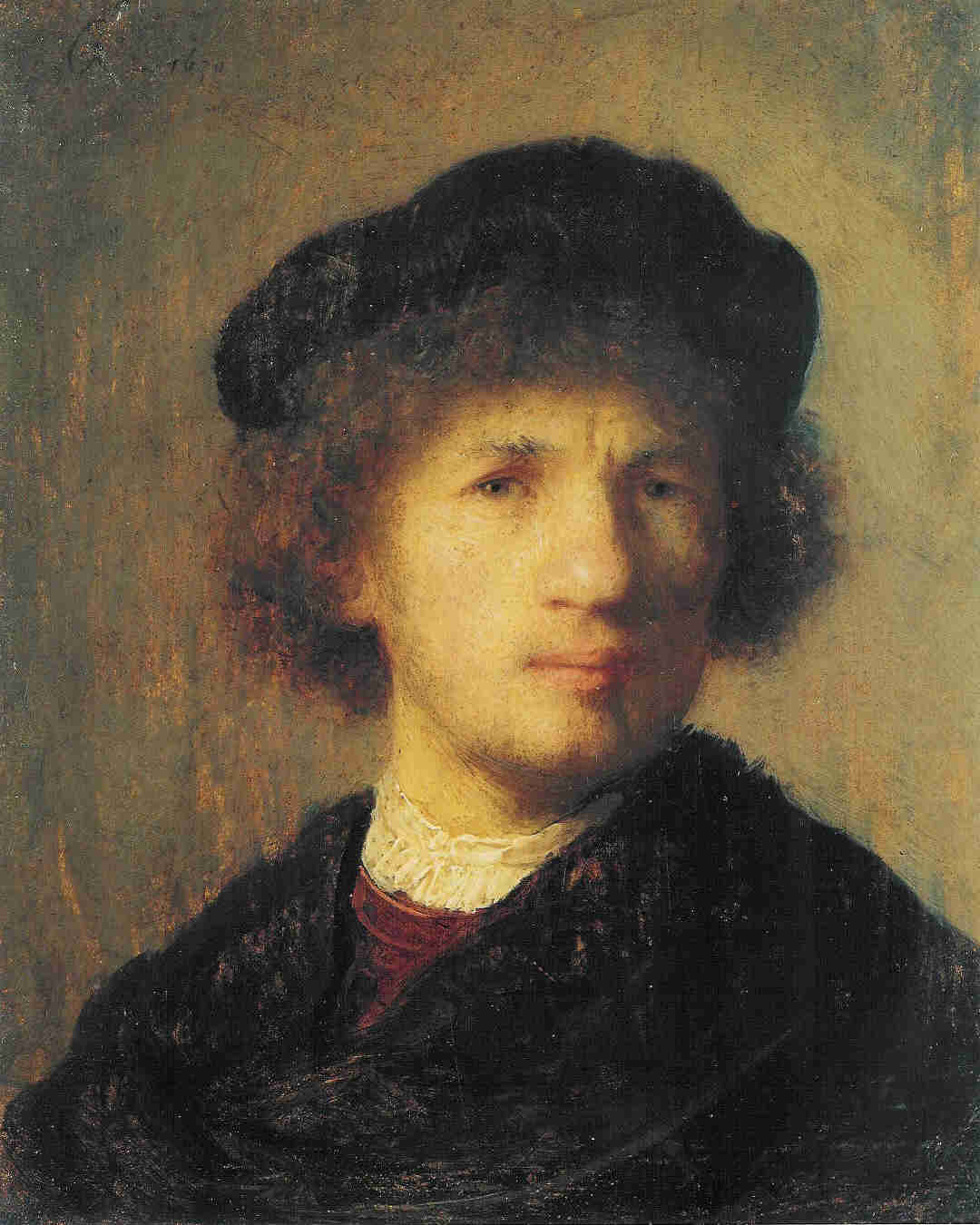 2000
An armed robbery emptied three spaces in Stockholm. The return took years, several countries and an undercover operation.
Read the story 3 min
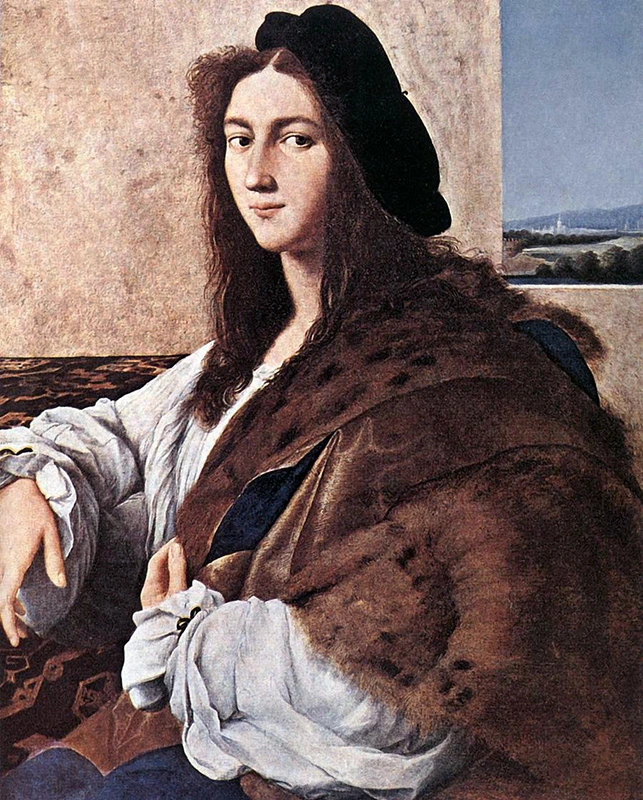
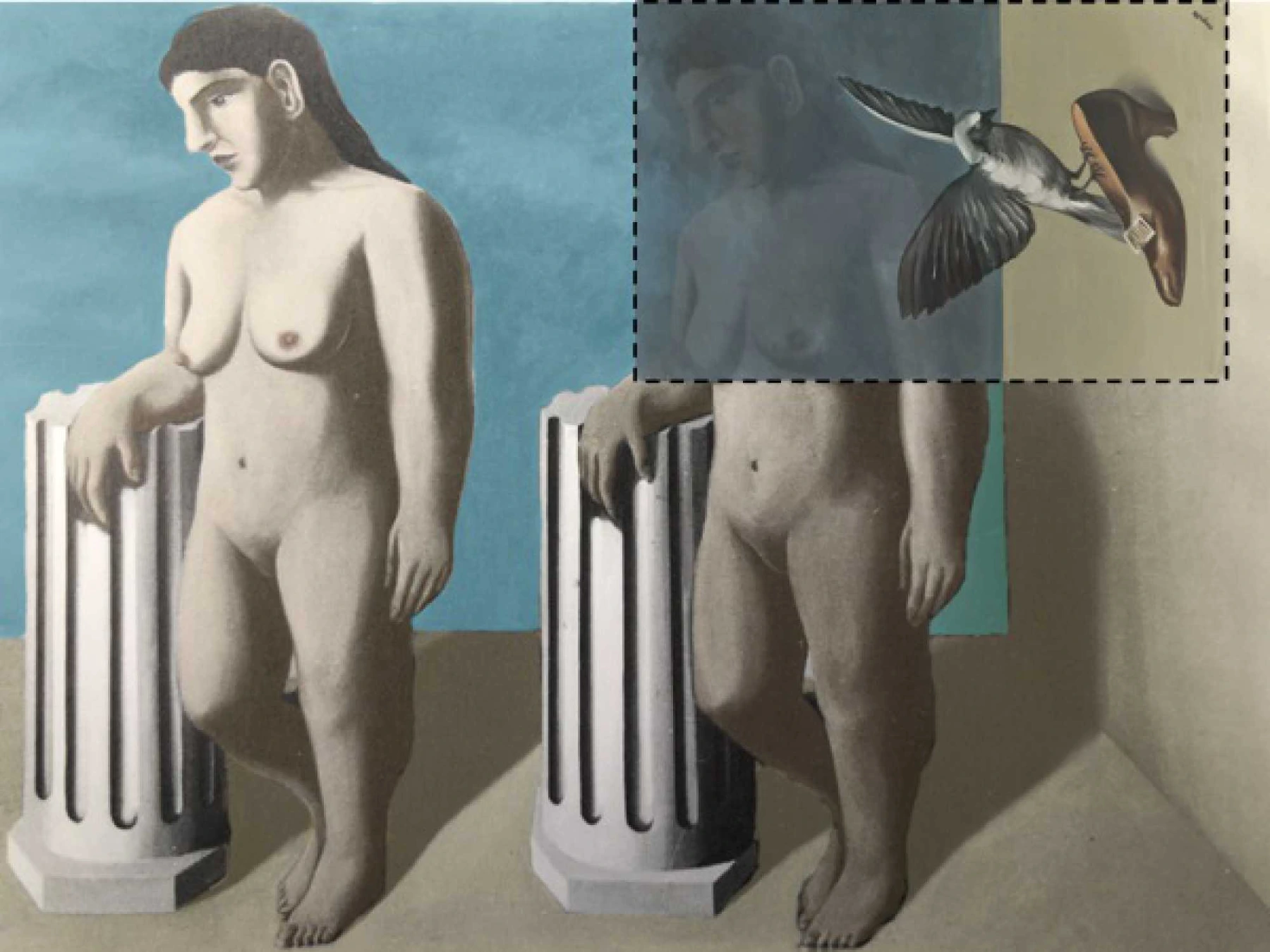
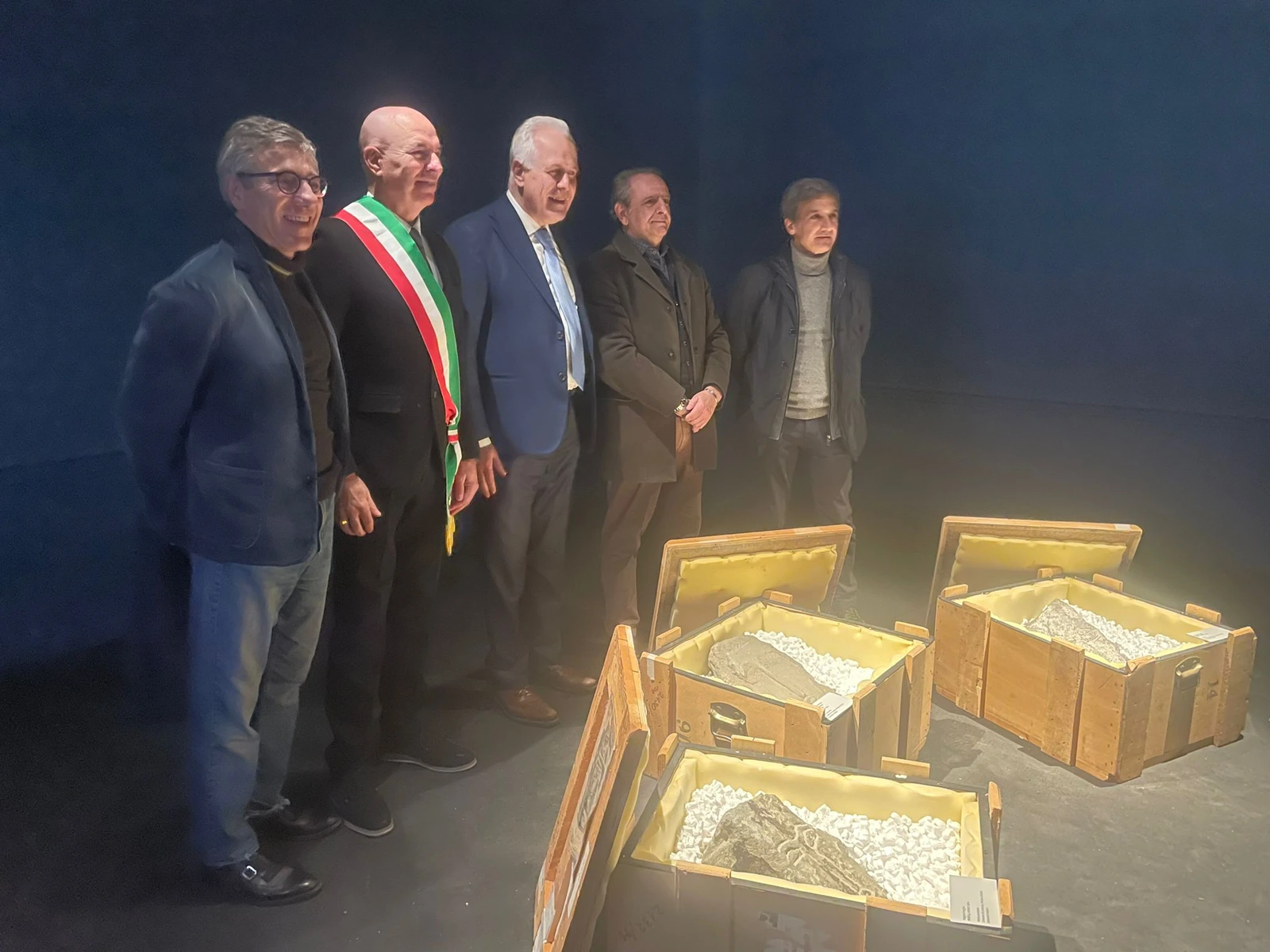
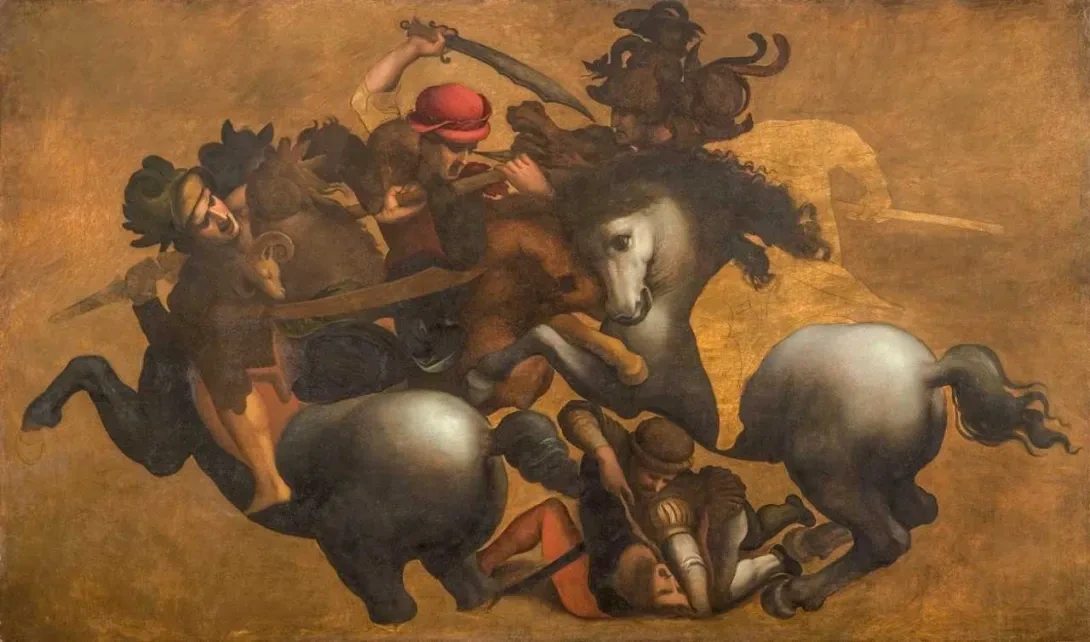
The artworks still sought. The families still searching.
Explore the cases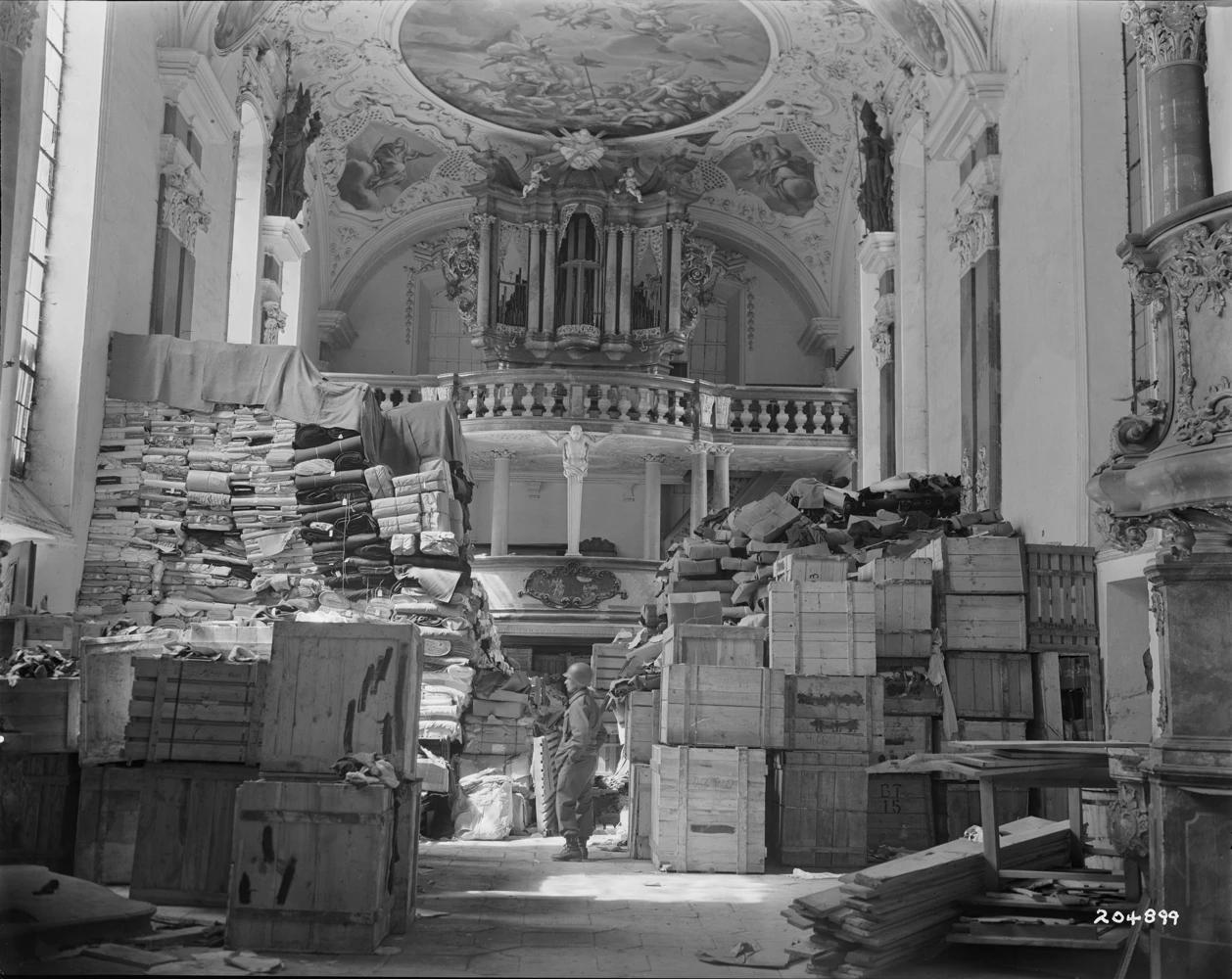

Dispossession, long battles and the paths to restitution.
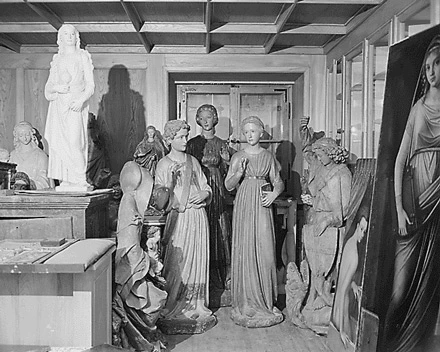
Explore the casesThe upper strip shows details of the featured artworks; the lower strip uses World War II archive photographs as historical context.
87 entries · 88 documented offers · terms apply
Newest additions first · up to ten entries in each group.
Official sources checked; terms apply.
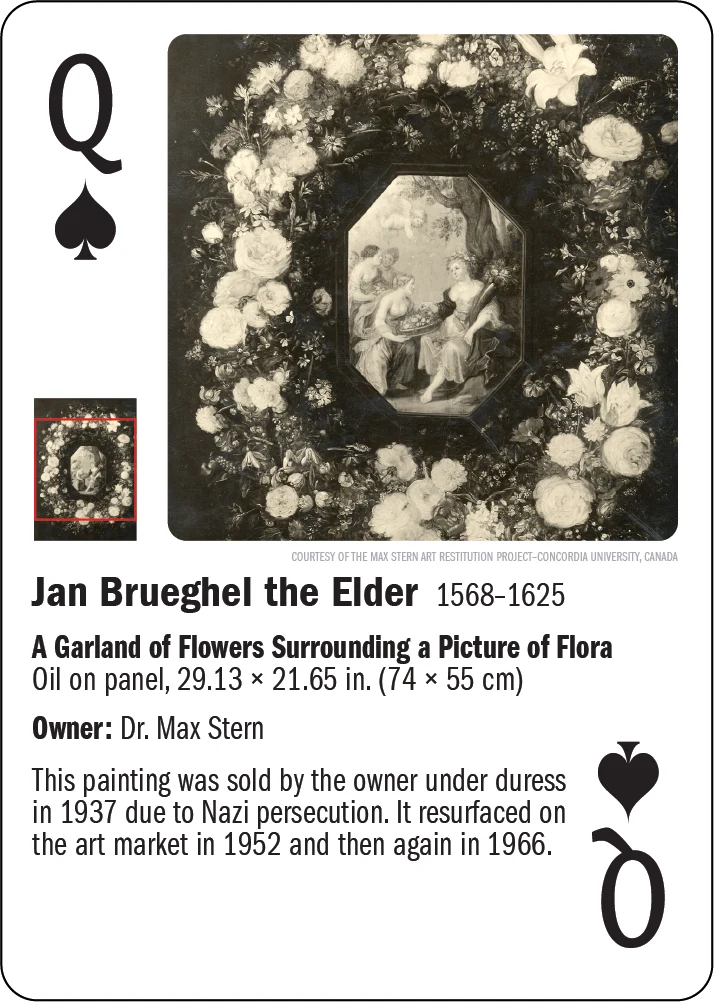 Jan Brueghel the Elder · A Garland of Flowers Surrounding a Picture of FloraUp to$15,000Monuments Men and Women FoundationEnds: 2026-12-31
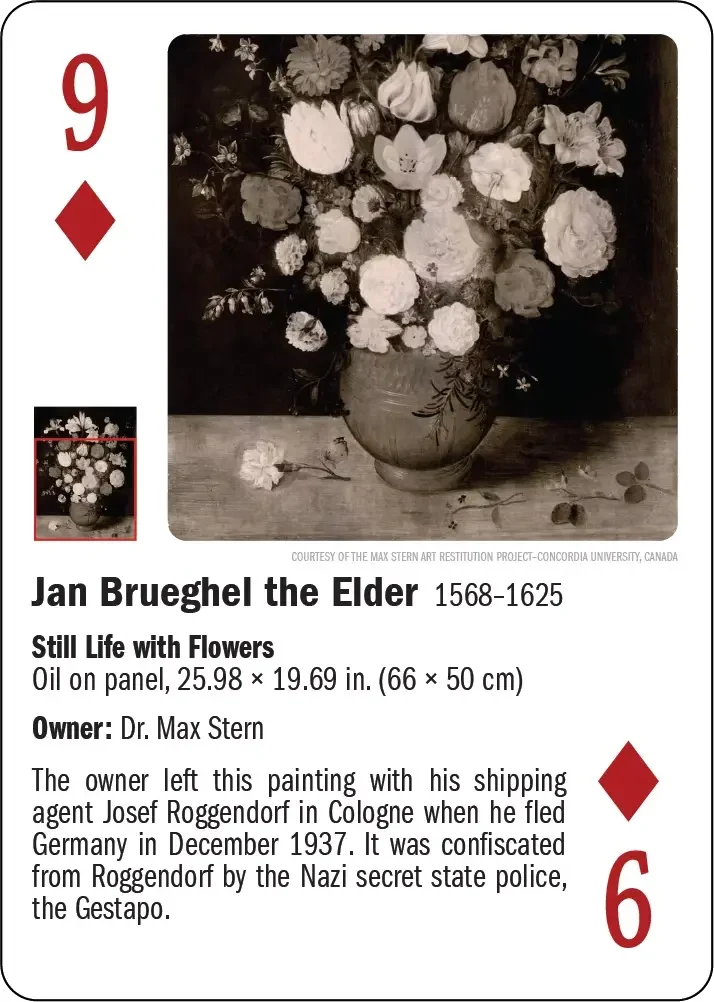 Jan Brueghel the Elder · Still Life with FlowersUp to$7,500Monuments Men and Women FoundationEnds: 2026-12-31
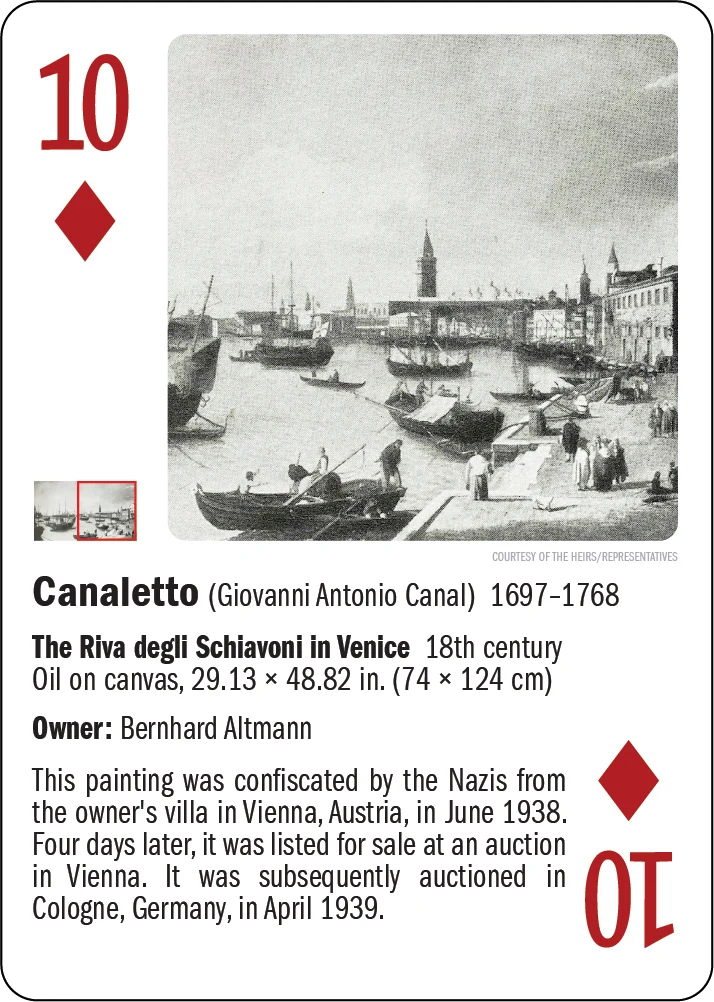 Canaletto · The Riva degli Schiavoni in VeniceUp to$7,500Monuments Men and Women FoundationEnds: 2026-12-31
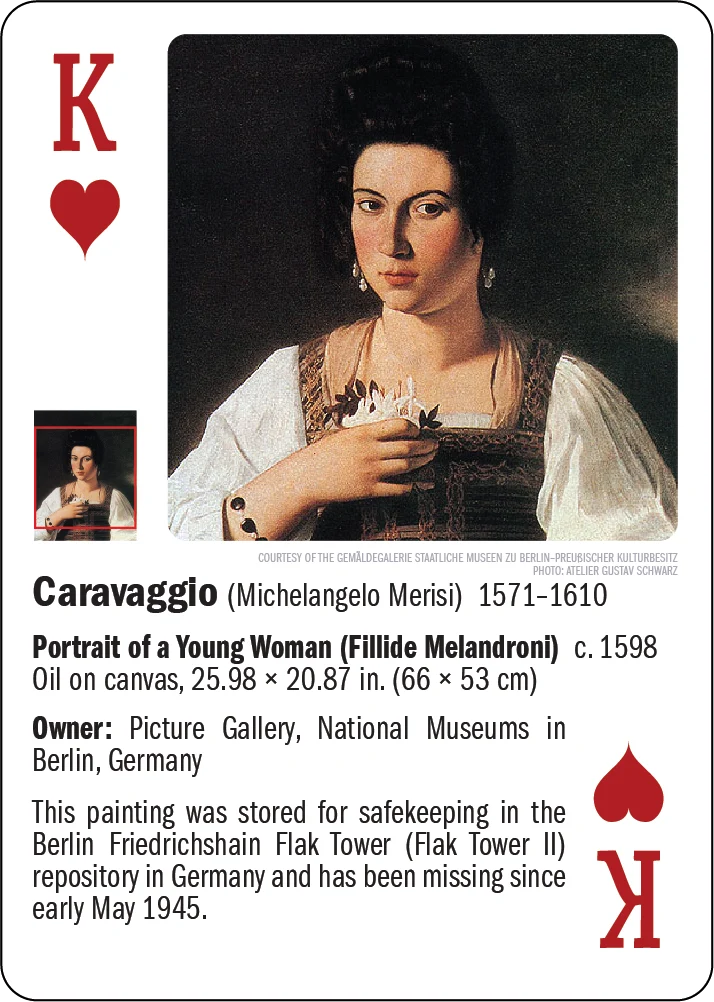 Caravaggio · Portrait of a Young Woman (Fillide Melandroni)Up to$20,000Monuments Men and Women FoundationEnds: 2026-12-31
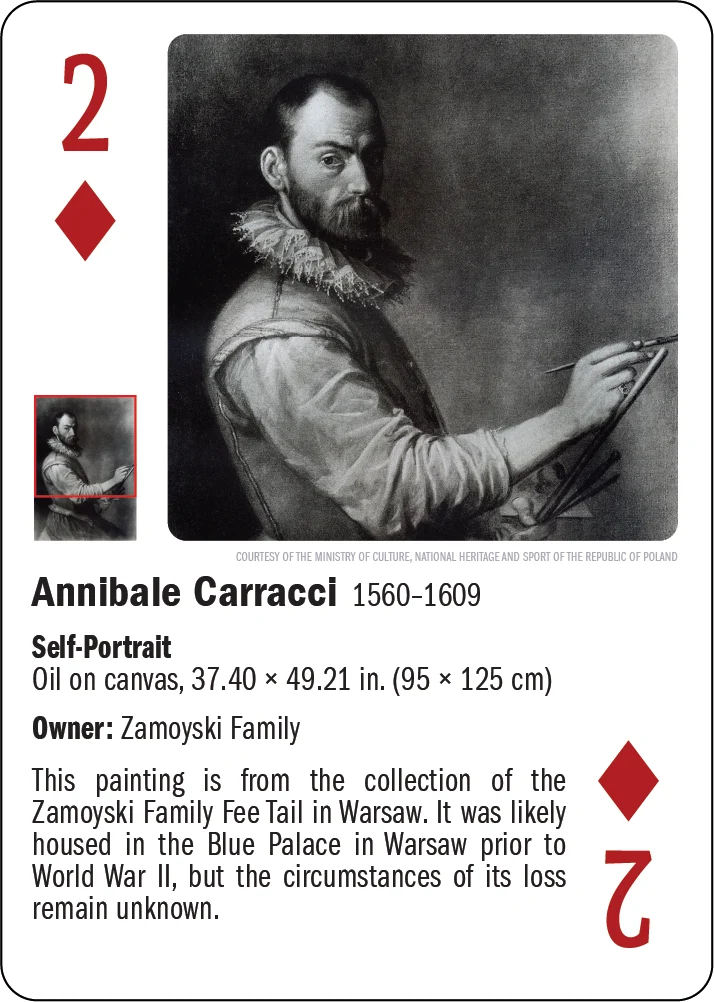 Annibale Carracci · Self-PortraitUp to$2,500Monuments Men and Women FoundationEnds: 2026-12-31
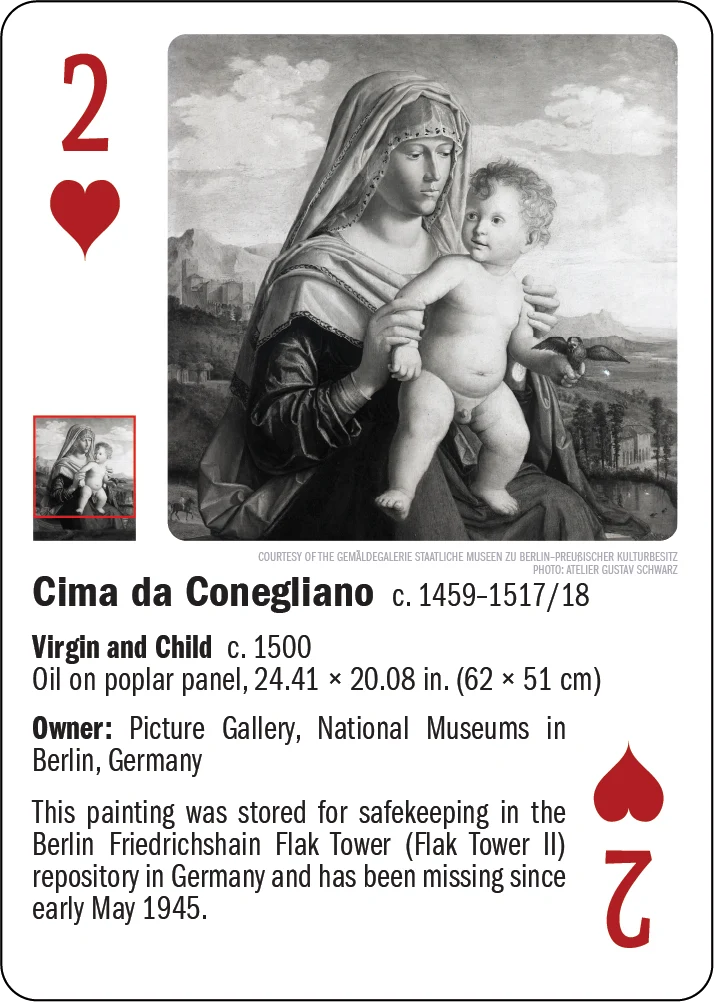 Cima da Conegliano · Virgin and ChildUp to$2,500Monuments Men and Women FoundationEnds: 2026-12-31
 Lovis Corinth · Tyrolean with CatUp to$2,500Monuments Men and Women FoundationEnds: 2026-12-31
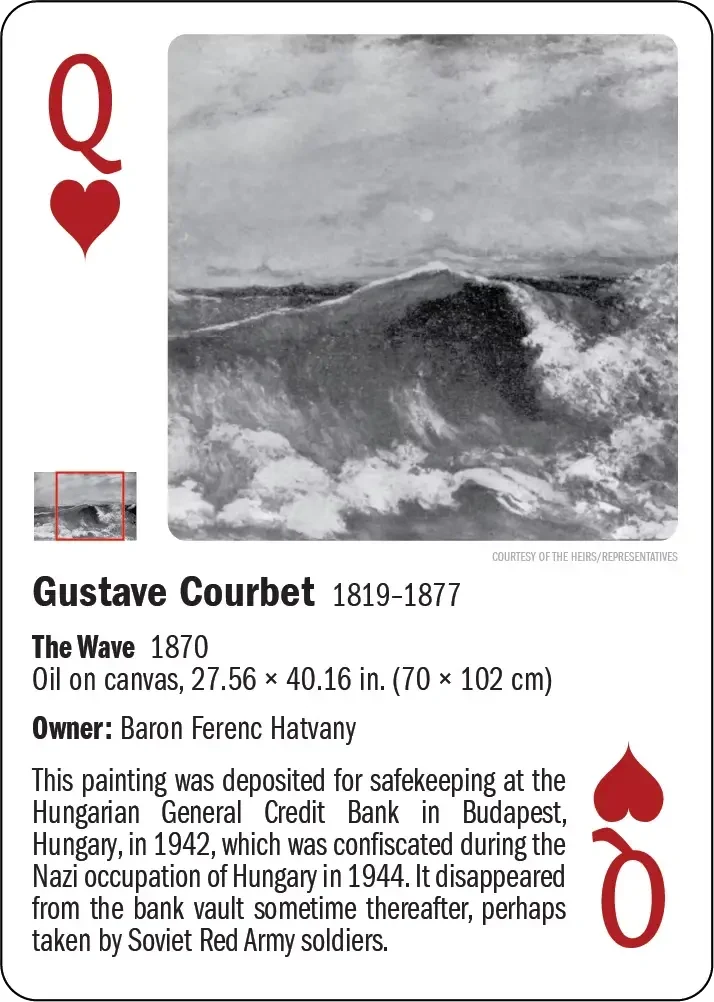 Gustave Courbet · The WaveUp to$15,000Monuments Men and Women FoundationEnds: 2026-12-31
 Lucas Cranach the Elder · Saint GeorgeUp to$7,500Monuments Men and Women FoundationEnds: 2026-12-31
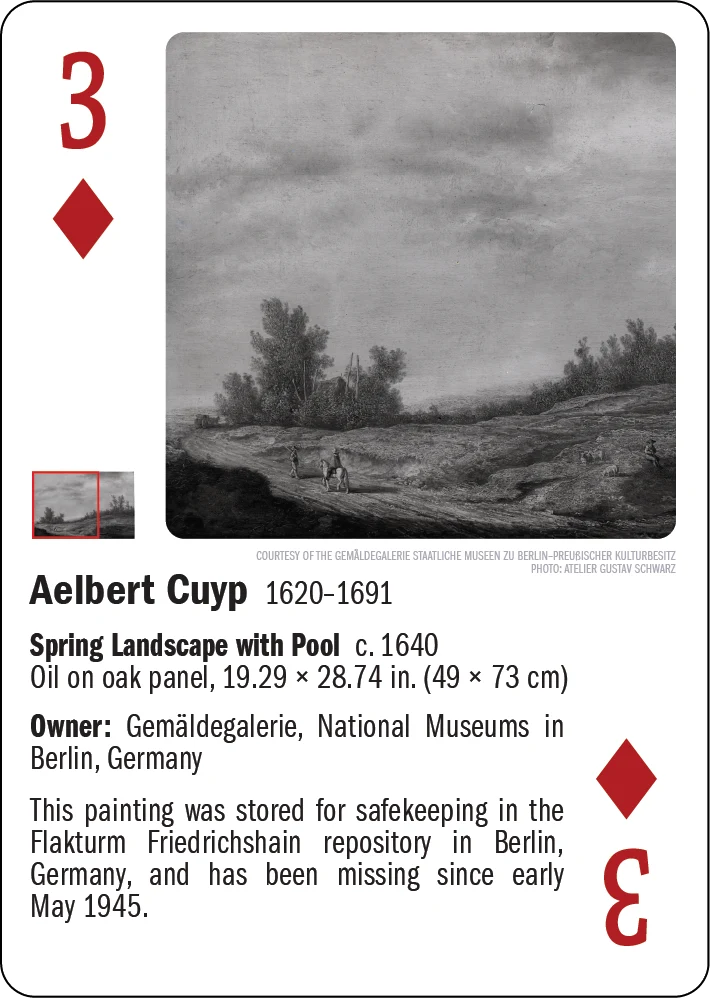 Aelbert Cuyp · Spring Landscape with PoolUp to$2,500Monuments Men and Women FoundationEnds: 2026-12-31
10 of 59 entries · see the full list for the rest.
Amounts reported by the cited sources, without confirmation that the offers remain valid.
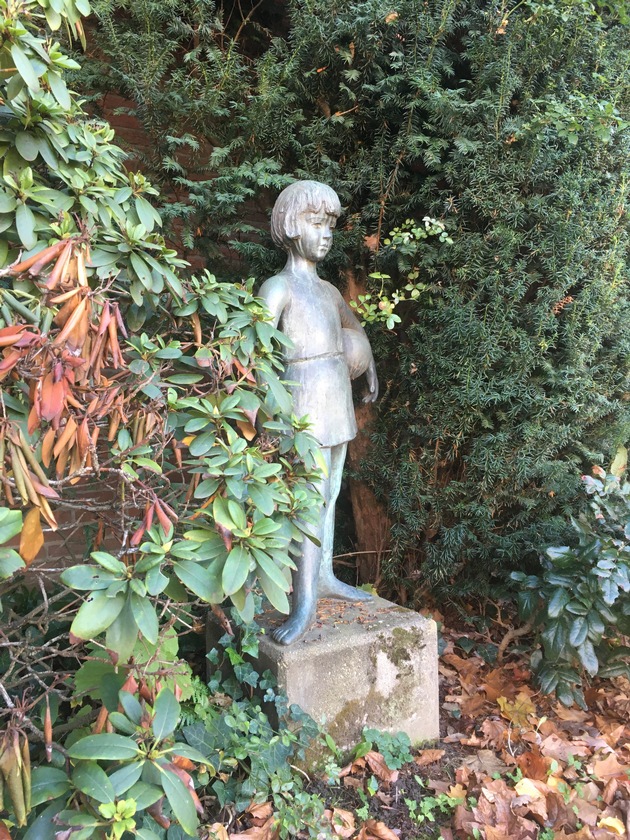 Heinrich Martens’s bronze girl with a ballUp to€5,000Validity unconfirmed
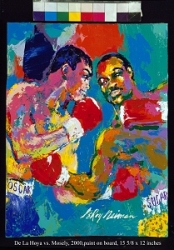 LeRoy Neiman — Oscar de la Hoya – Shane MosleyAdvertised reward$5,000Centaur Art GalleriesValidity unconfirmed
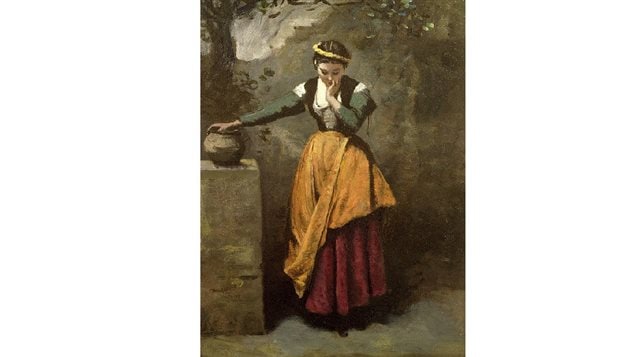 Montreal Museum of Fine Arts — 1972 theftAdvertised rewardAmount not publishedInsurers, according to Radio Canada InternationalValidity unconfirmed
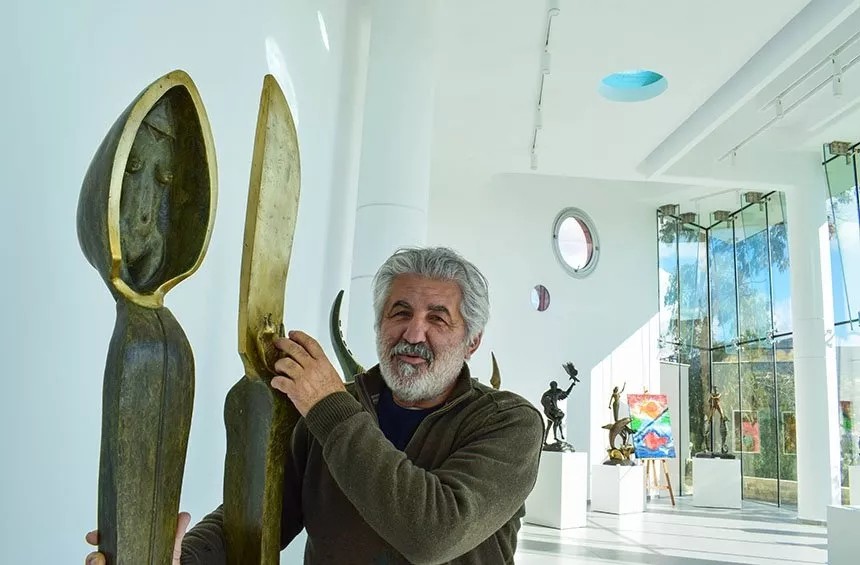 Giapanis · BalanceAdvertised reward€5,000Validity unconfirmed
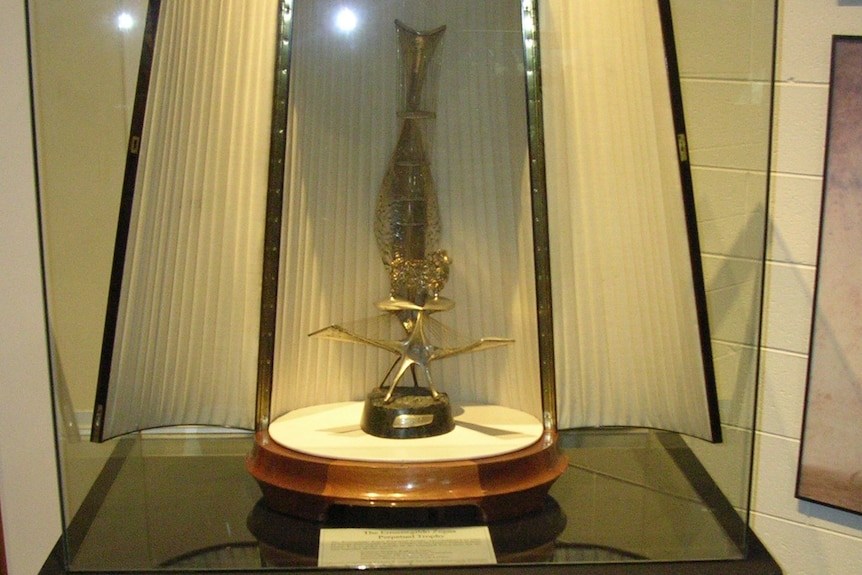 Zegna · Gold sheep trophyAdvertised rewardA$15,000Validity unconfirmed
 Valais · Chalet theftUp to€1,000,000Validity unconfirmed
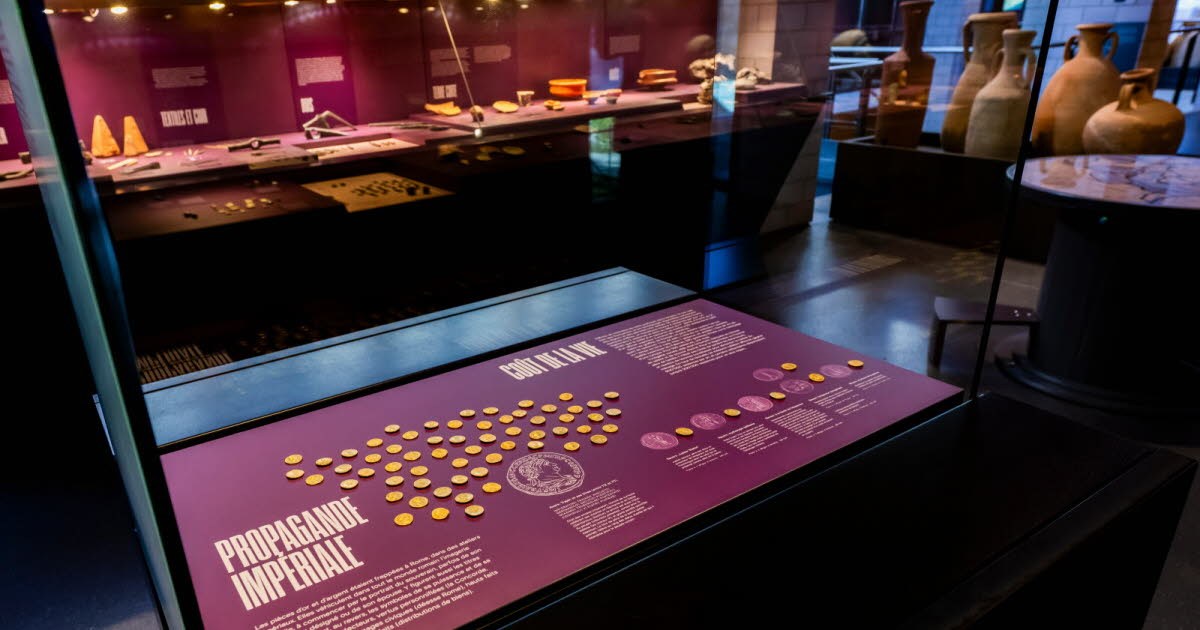 Lausanne · Gold coinsUp to€200,000Validity unconfirmed
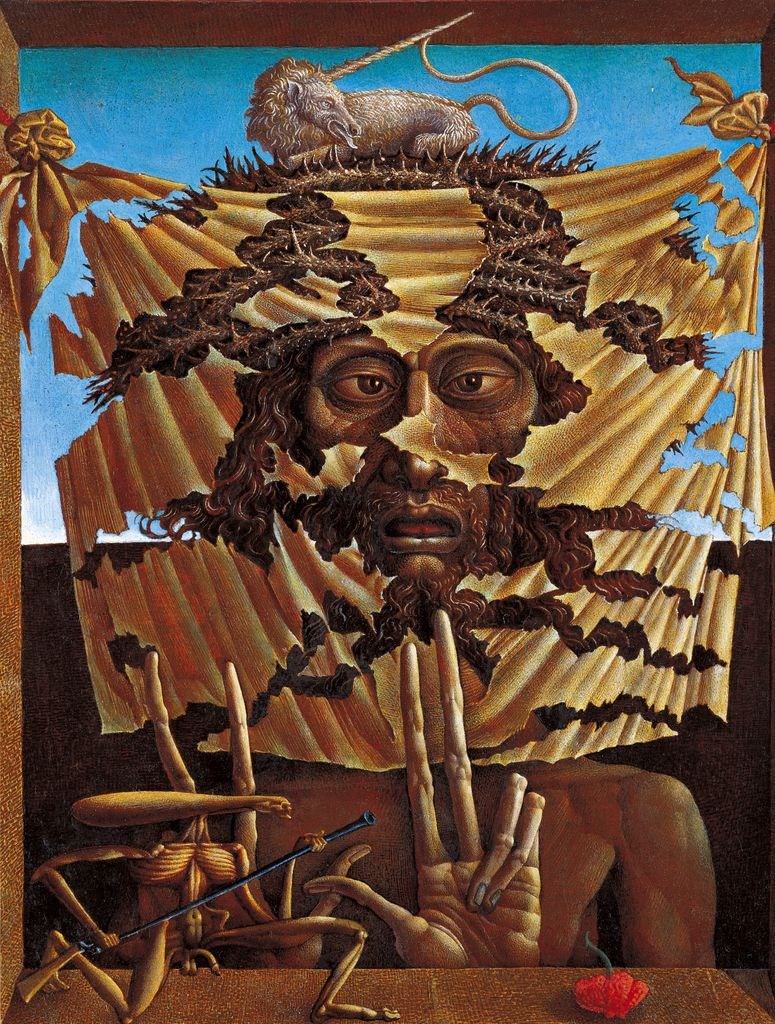 Ernst Fuchs · ViennaAdvertised reward€30,000Validity unconfirmed
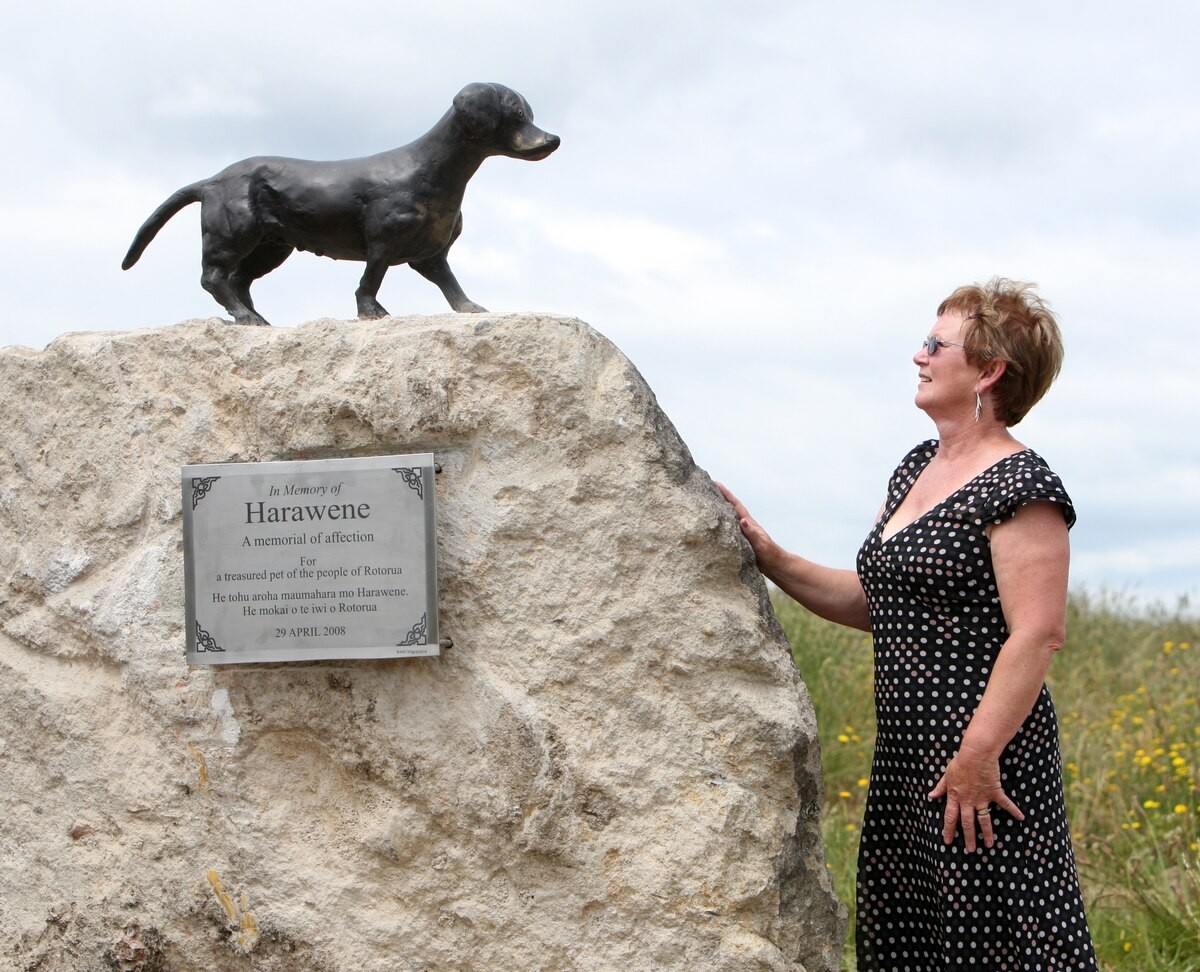 Harawene · RotoruaAdvertised rewardNZ$5,000Validity unconfirmed
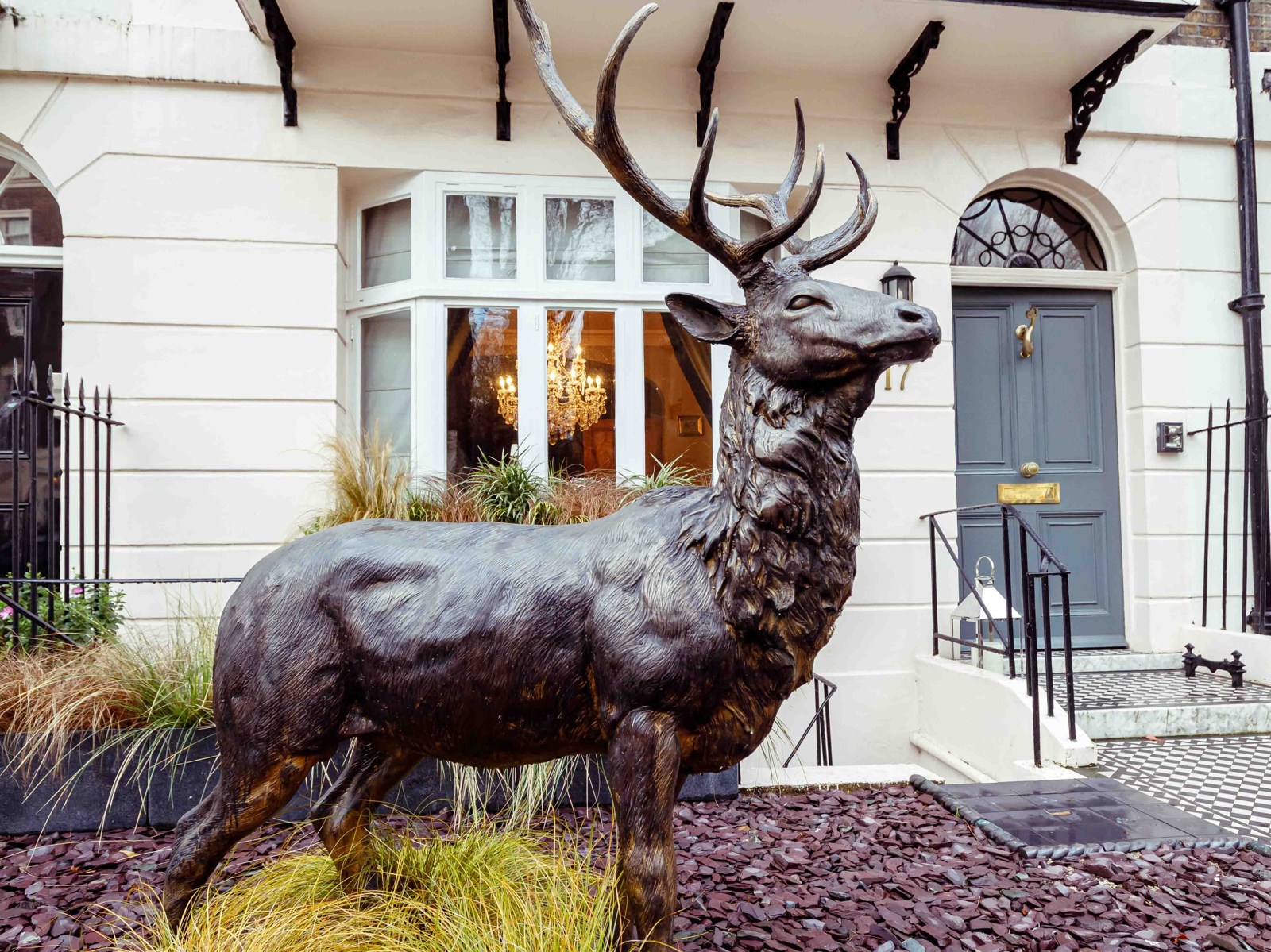 Henry · LondonAdvertised reward£1,000Validity unconfirmed
10 of 18 entries · see the full list for the rest.
Historical reward offers; reported returns, recoveries or destruction.
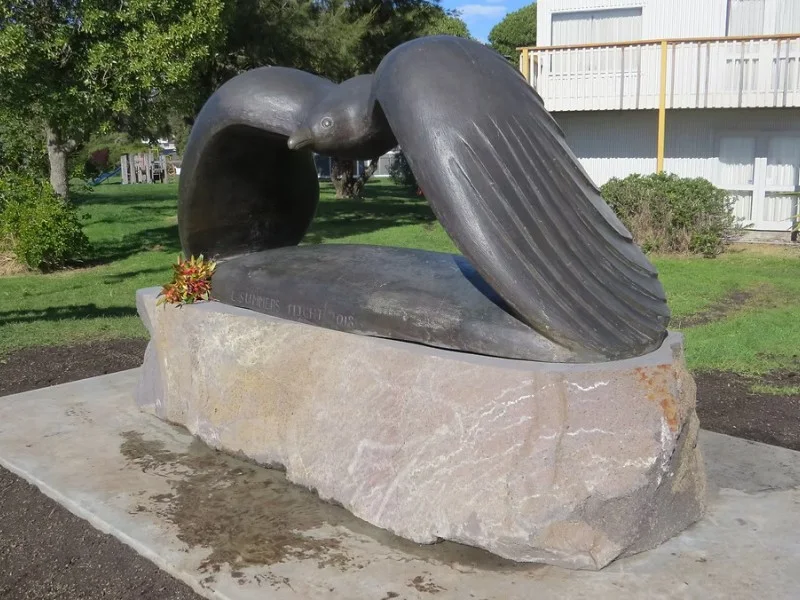 Llew Summers · FlightAdvertised rewardNZ$4,000Archive · see outcome
 Amelia Earhart · ReturnedAdvertised rewardCA$25,000Archive · see outcome
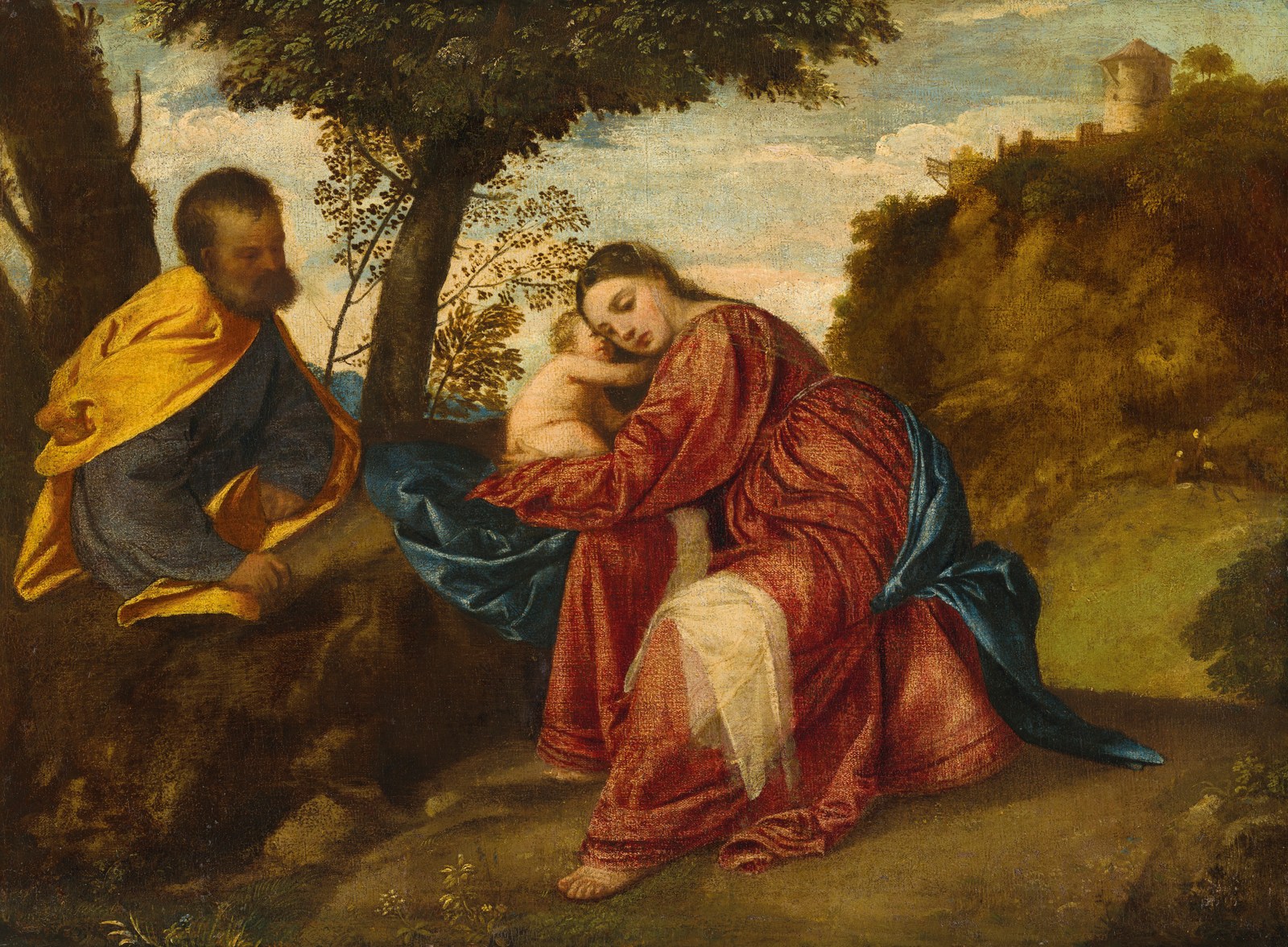 Titian · RecoveredAdvertised reward£100,000Archive · see outcome
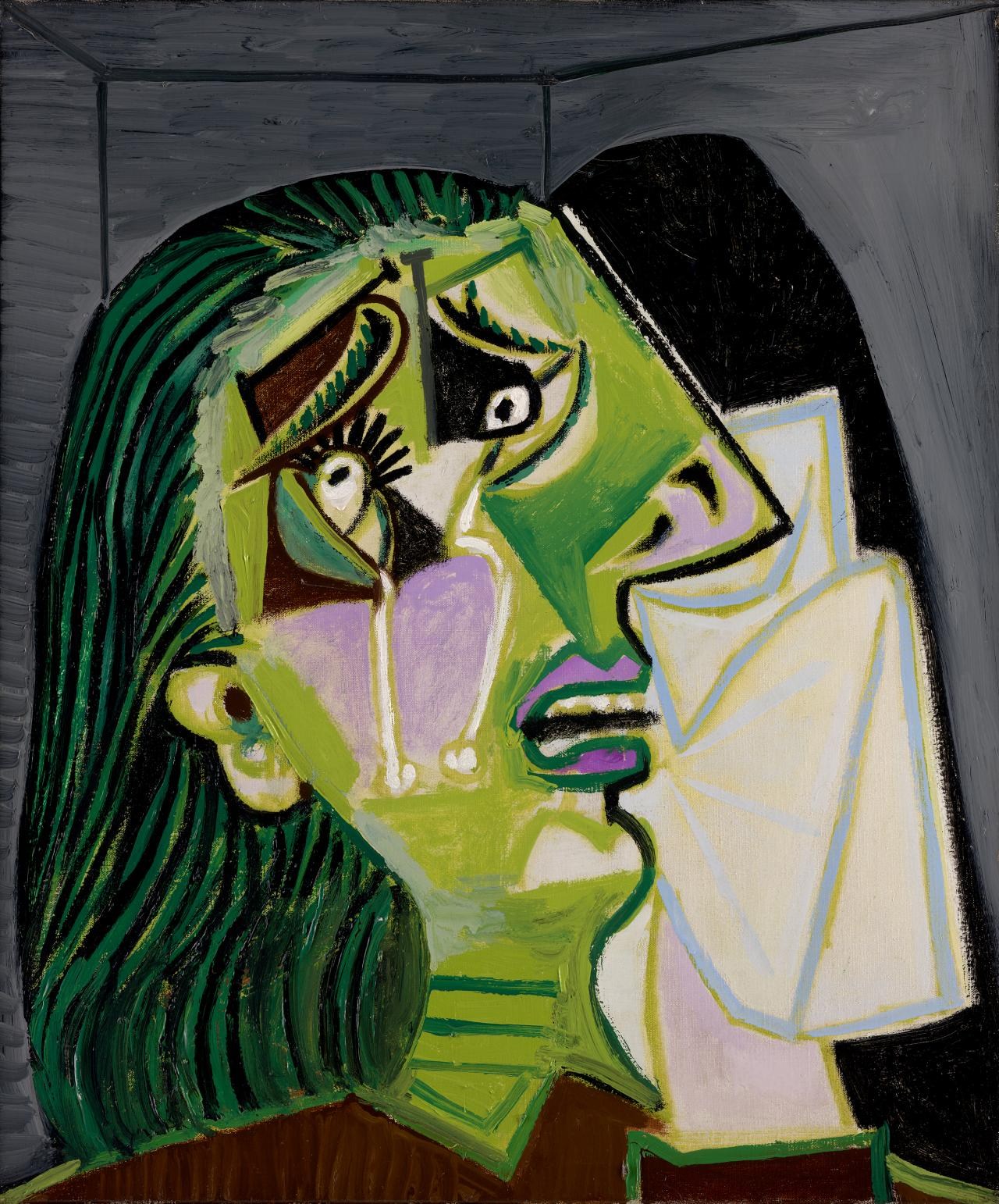 Picasso · RecoveredAdvertised rewardA$50,000Archive · see outcome
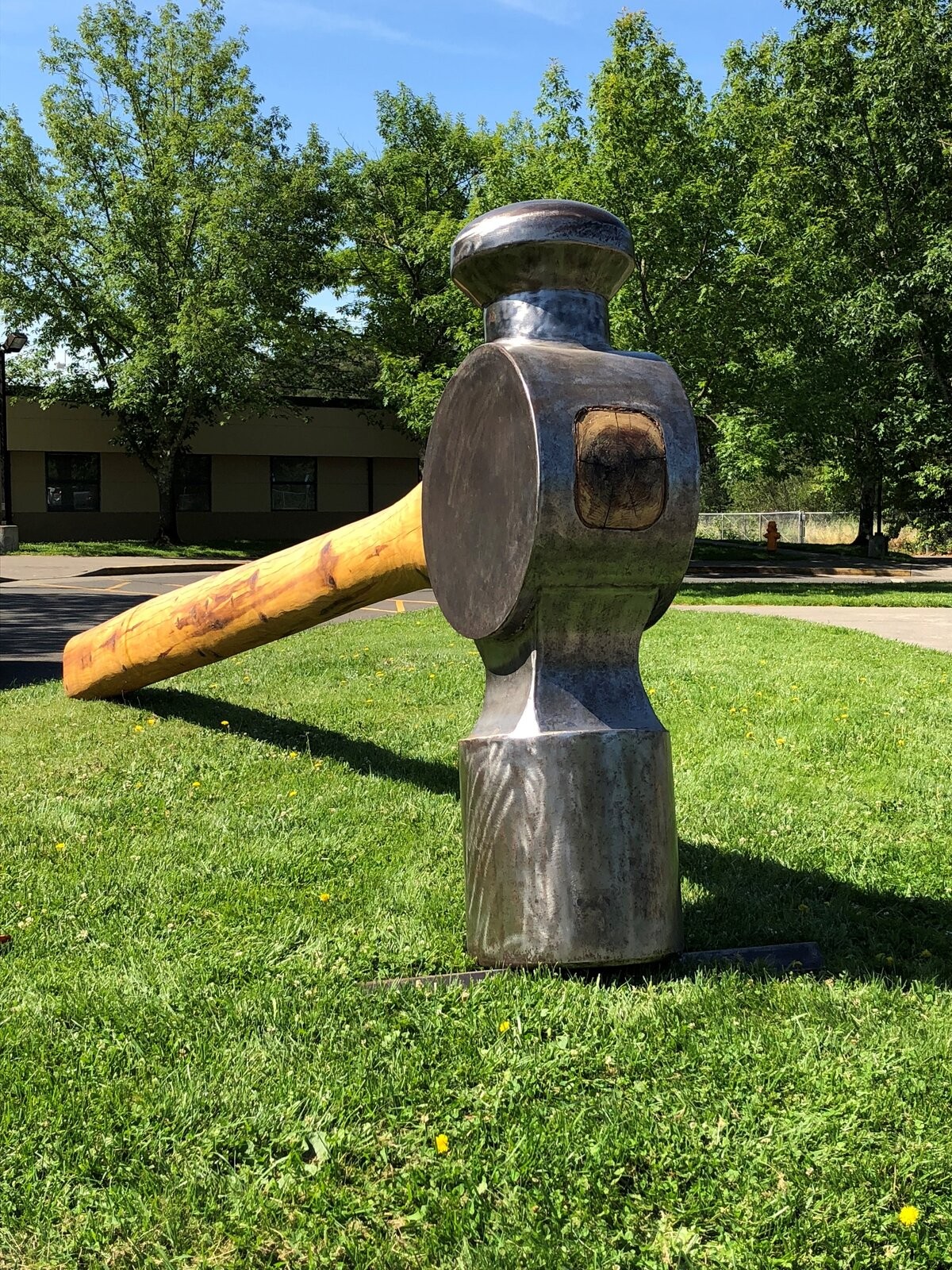 Unkrey · The HammerAdvertised reward$1,000Archive · see outcome
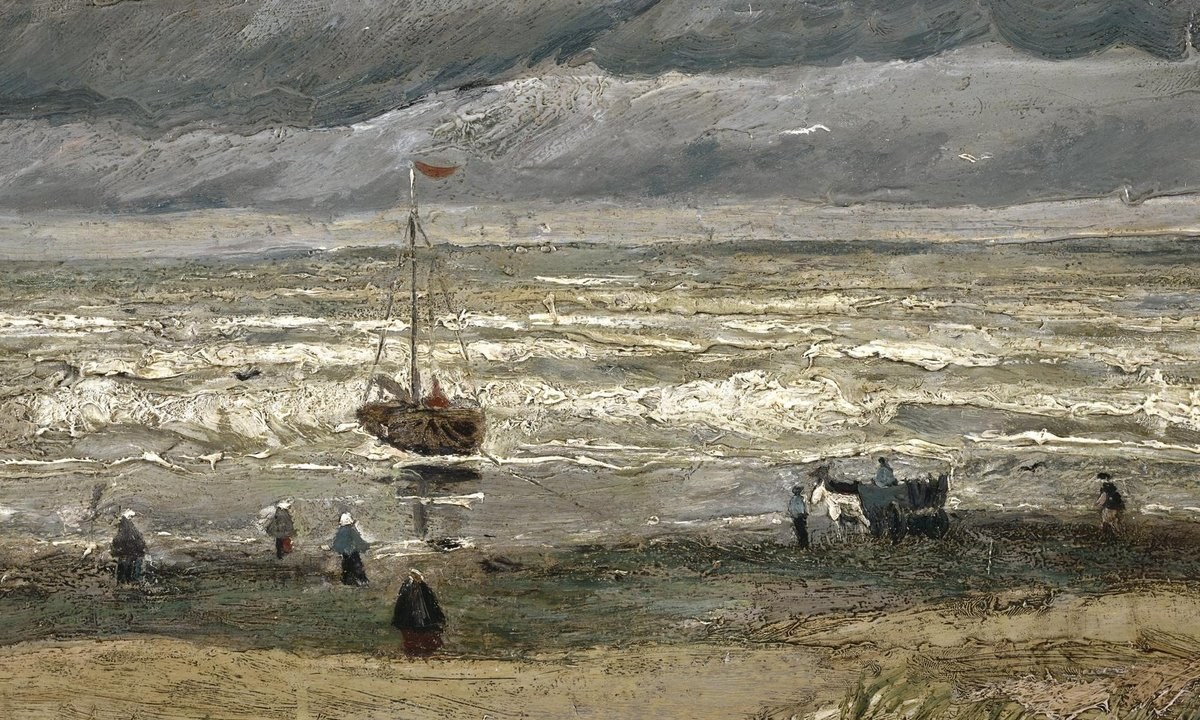 Van Gogh · Two paintingsAdvertised reward€100,000Archive · see outcome
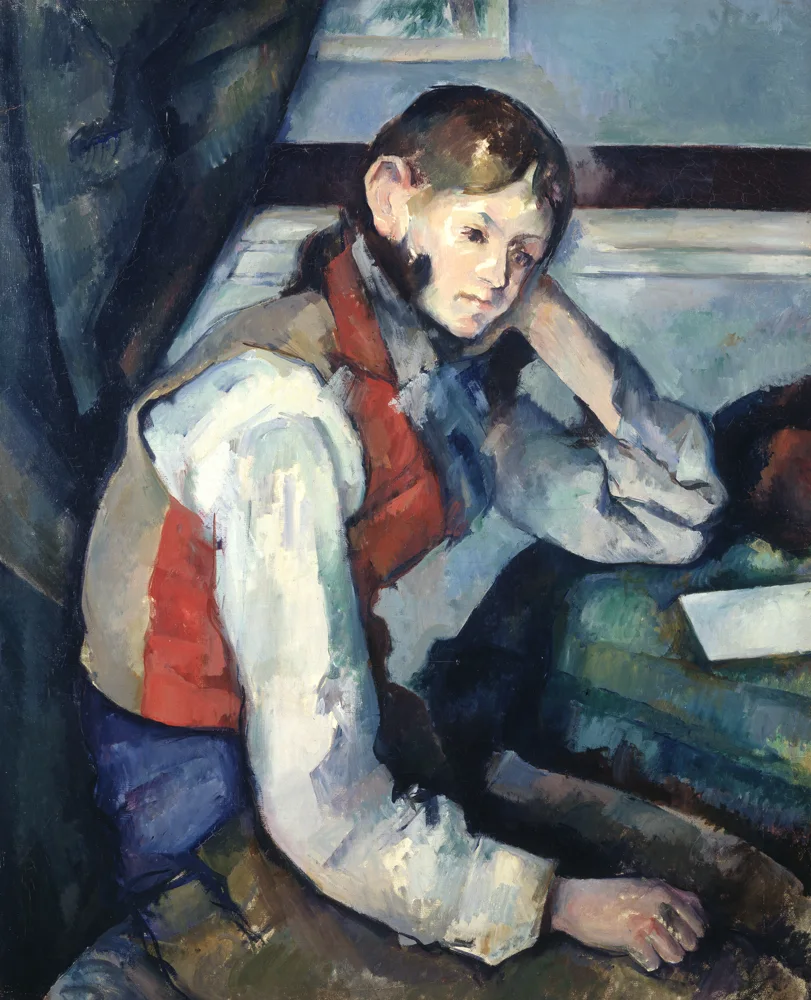 Bührle · RecoveredAdvertised rewardCHF 100,000Archive · see outcome
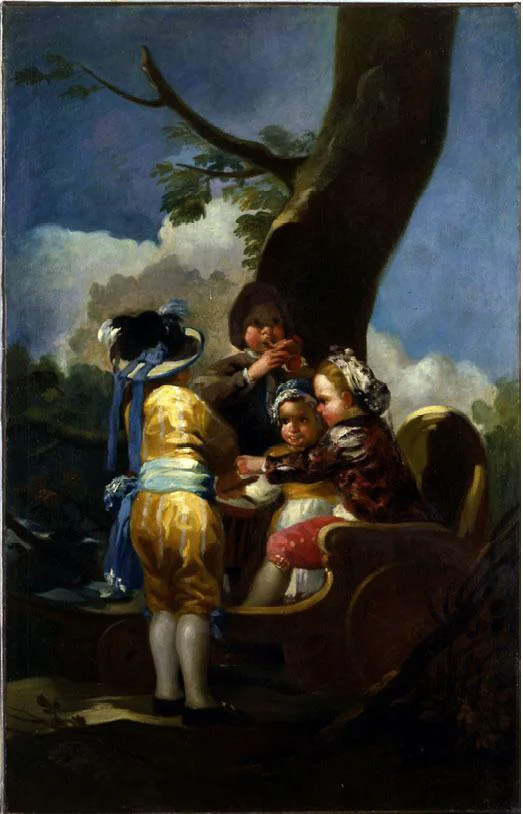 Goya · Children with a CartUp to$50,000Archive · see outcome
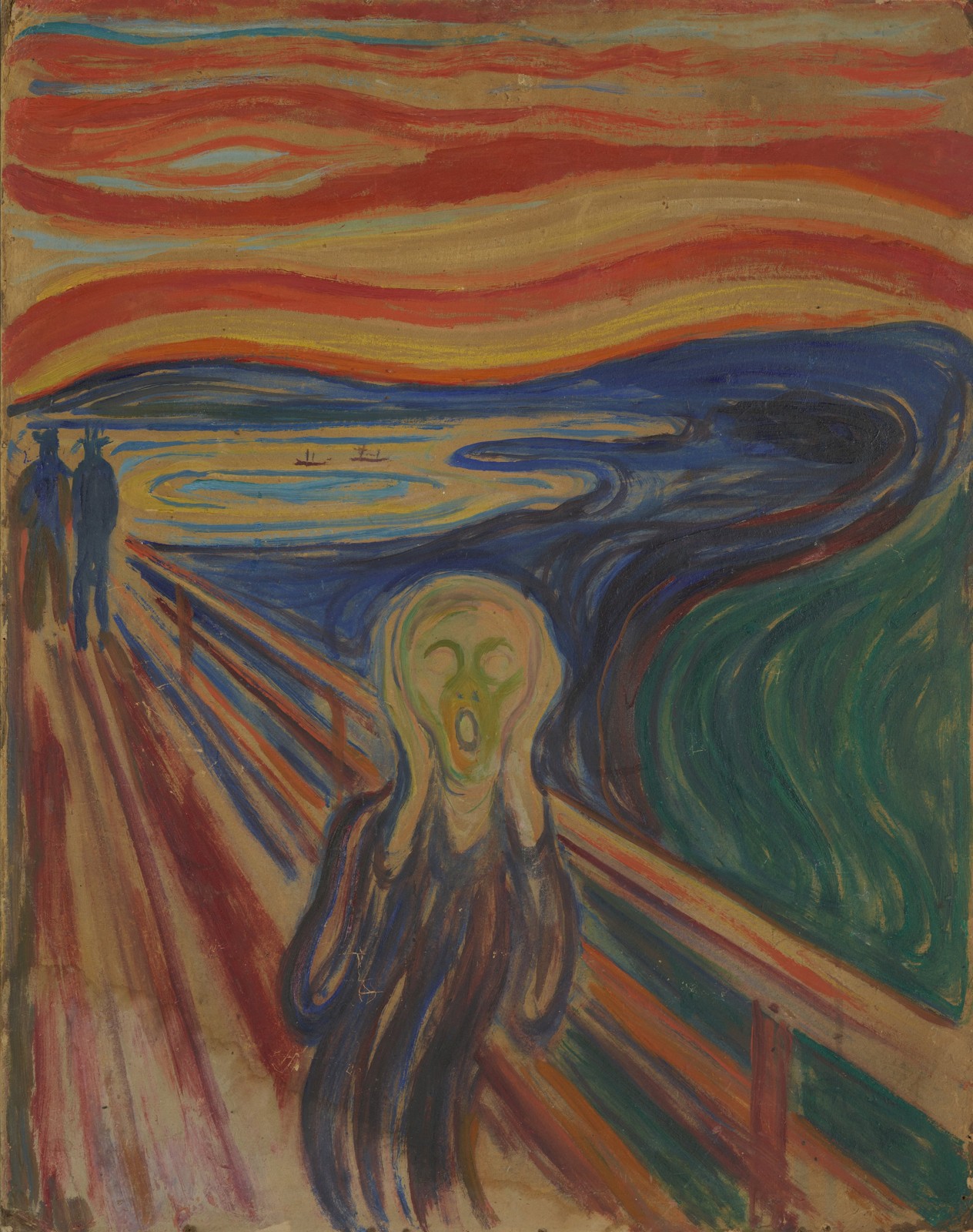 Munch · Two paintingsUp toNOK 2,000,000Archive · see outcome
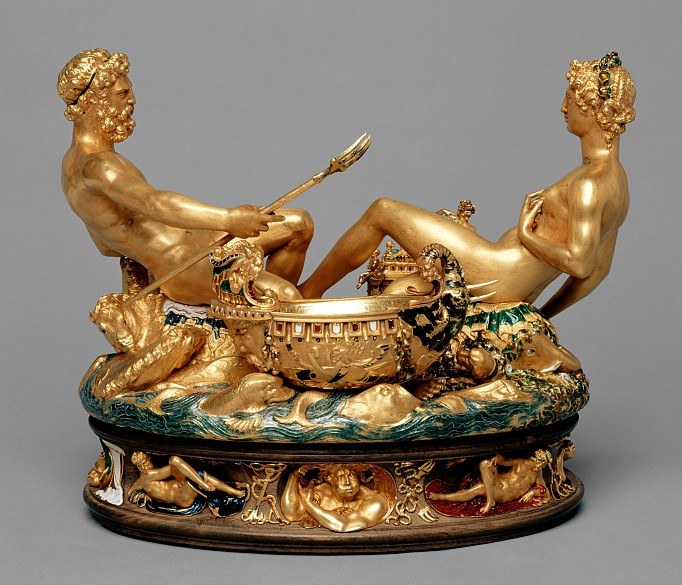 Cellini · SalieraAdvertised reward€70,000Archive · see outcome
22–42 of 165 reports
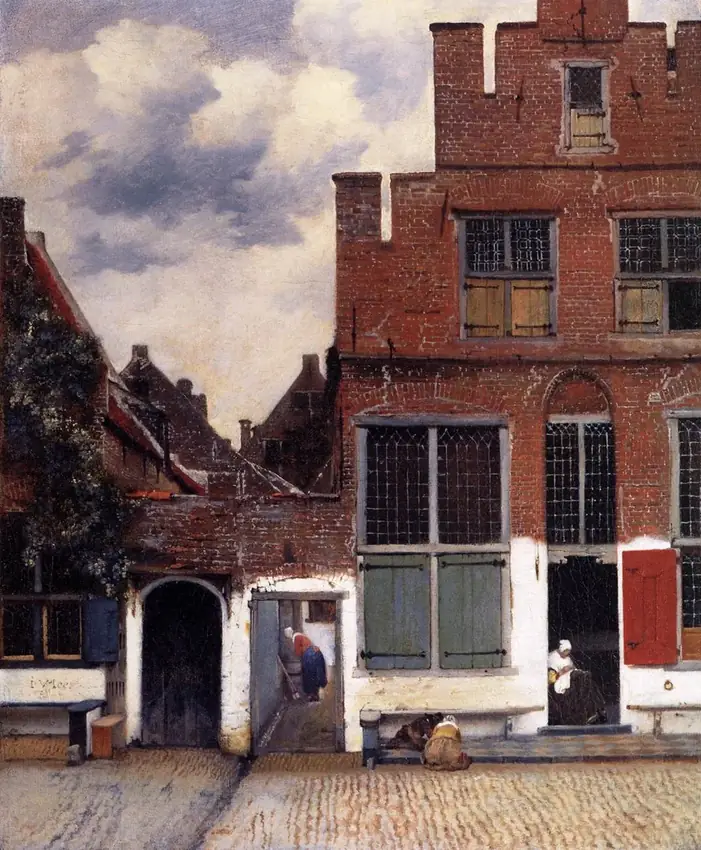
Johannes Vermeer (1632–1675) Image source ↗ · CC BY-SA 4.0
Rijksmuseum researchers found that Vermeer first painted a closed door in The Little Street and placed the seated woman at the alley entrance. The findings, published in July 2025, show how the artist revised access, movement and figures within the scene.
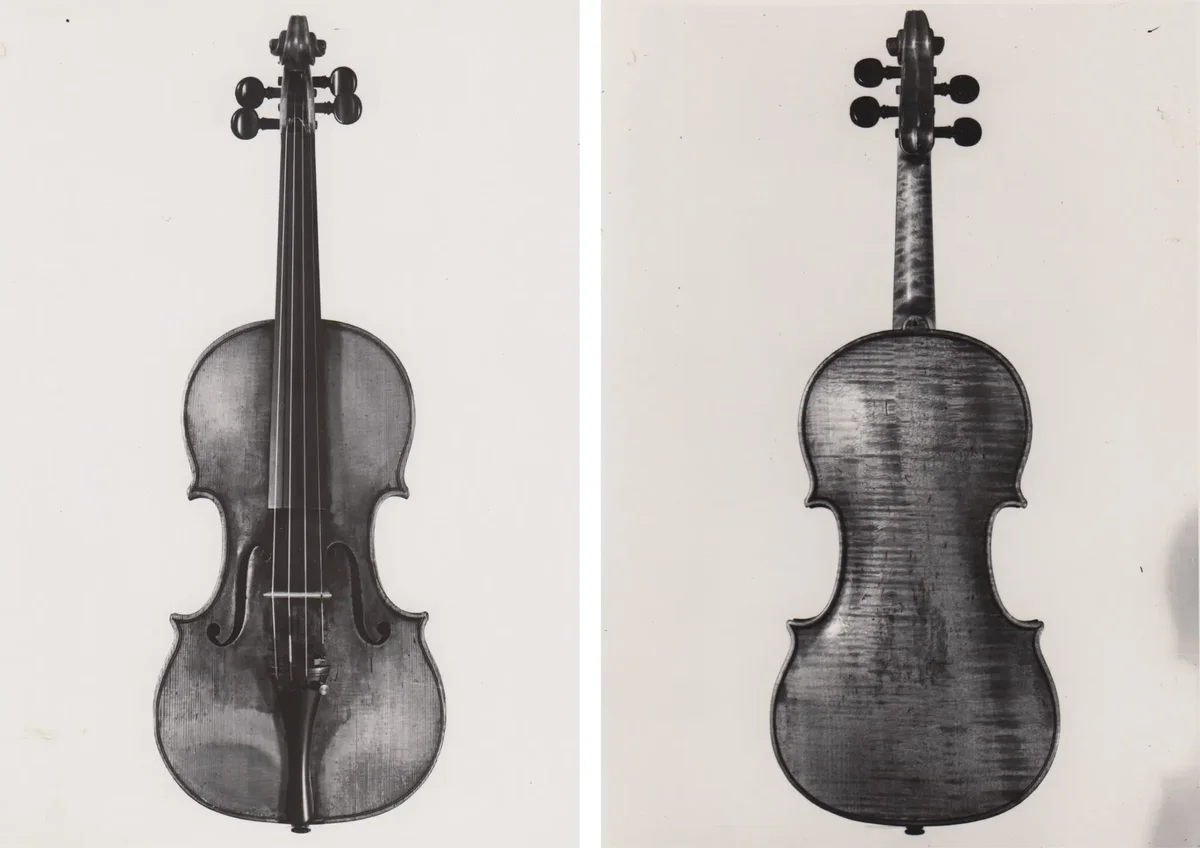
Image accompanying this case. Source: The New York Times. Image source ↗
Experts reported a possible match for the 1709 violin taken from a Berlin bank safe in 1945. The report did not establish its return.
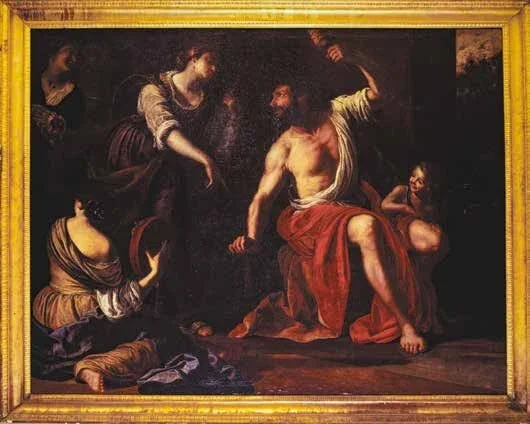
Photo: Artemisia Gentileschi. Image source ↗ · License / Licence
The Getty exhibited Hercules and Omphale after a three-year conservation project. The rediscovered Artemisia Gentileschi canvas survived the 2020 Beirut explosion and was treated before its planned return to Lebanon.
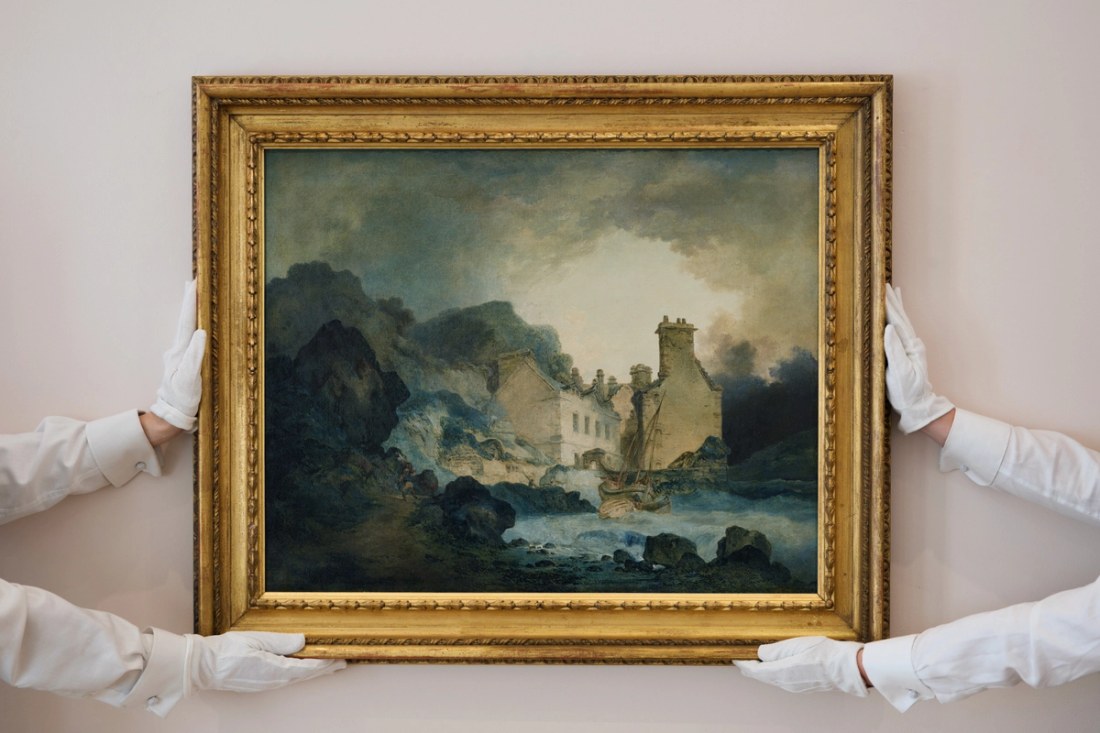
The Rising Squall, Hot Wells, from St Vincent’s Rock, Bristol had been unidentified for about 150 years. Cleaning revealed a signature after the work sold for just over £500 in 2024. Specialists attributed the painting to the young J.M.W. Turner, and Sotheby’s offered it in London in July 2025.
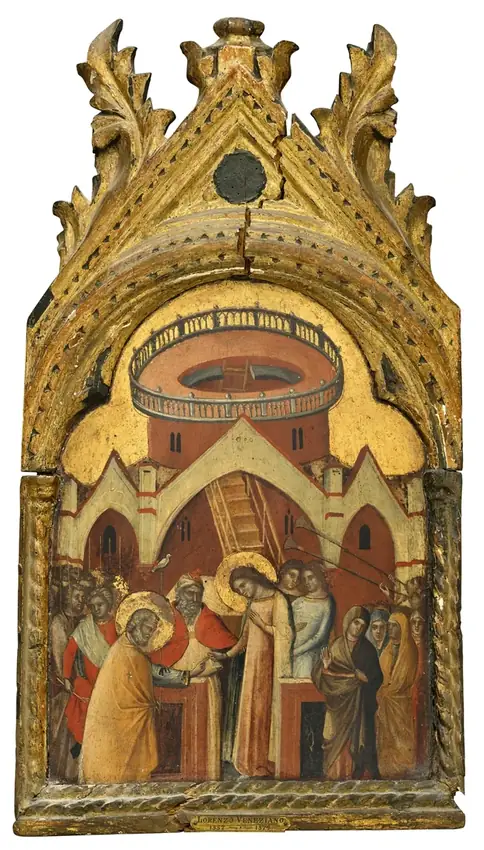
Lorenzo Veneziano / Christie’s Image source ↗ · CC BY-SA 4.0
A fourteenth-century panel of the Marriage of the Virgin by Lorenzo Veneziano reappeared and sold for $352,800 at Christie’s in New York. The auction house described its return to view as a rare rediscovery among surviving works by the Venetian painter.
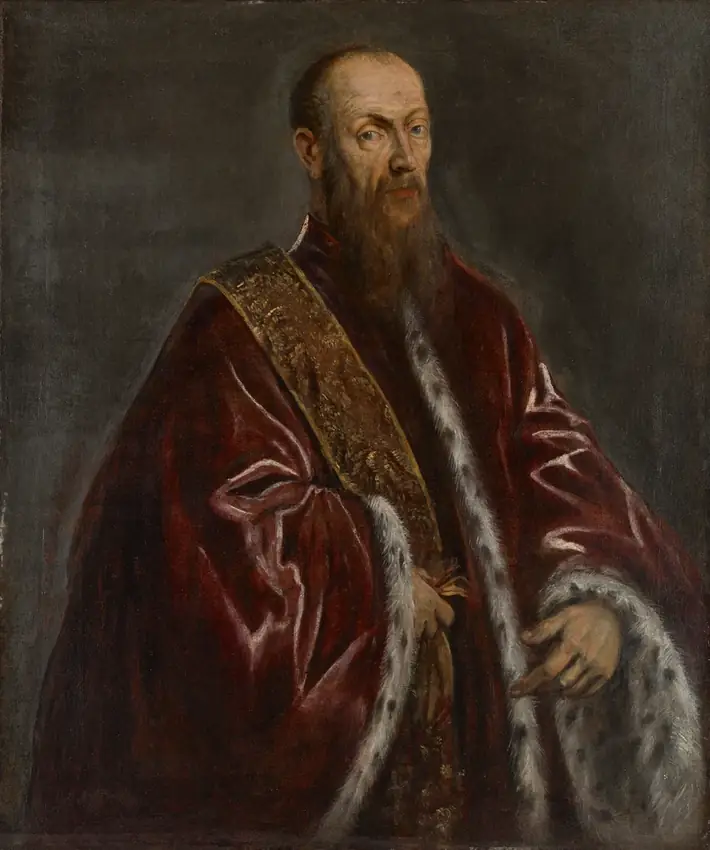
Jacopo Tintoretto / Christie’s Image source ↗ · CC BY-SA 4.0
Christie’s presented a previously unpublished portrait of Venetian statesman Vincenzo Morosini as a work by Jacopo Tintoretto. The newly identified painting appeared in the May 2025 Old Masters sale in New York. It depicts a sitter who also sat for Tintoretto on another occasion.
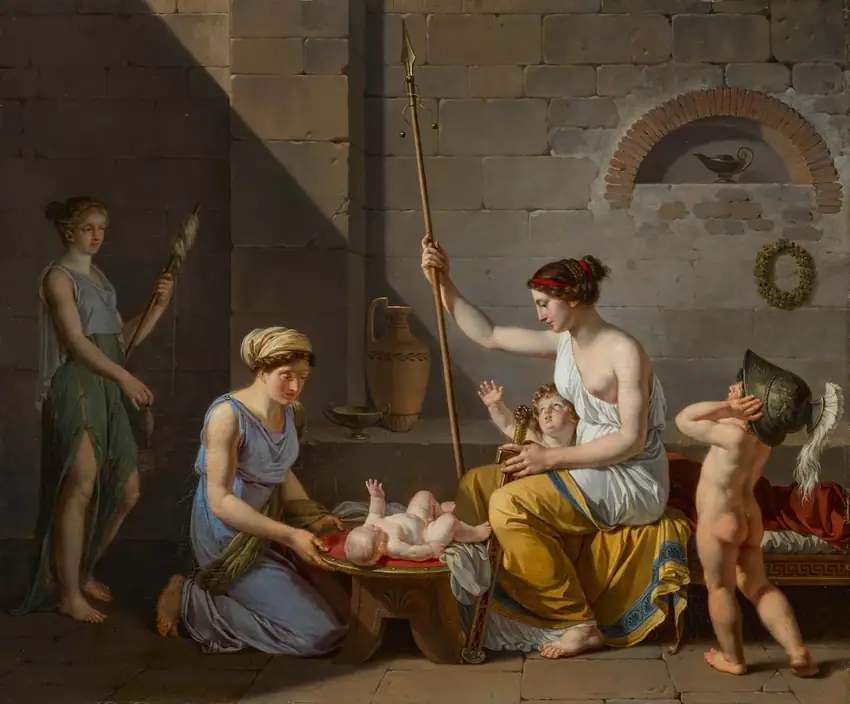
Jean-Jacques-François Le Barbier / Christie’s Image source ↗ · CC BY-SA 4.0
Christie’s specialists matched The Education of the Children of Sparta to a listing in the 1796 Paris Salon booklet. The Neoclassical oil by Jean-Jacques-François Le Barbier had remained unillustrated and obscure for generations before its appearance at auction in New York.

Andrea Mantegna / Vatican Museums Image source ↗ · CC BY-SA 4.0
The Vatican Museums unveiled a restored Deposition from Pompeii as the work of Andrea Mantegna after technical imaging and historical research. It corresponds to a painting documented at a Dominican church in Naples. The museum said the transfer from Naples to Pompeii has yet to be documented.
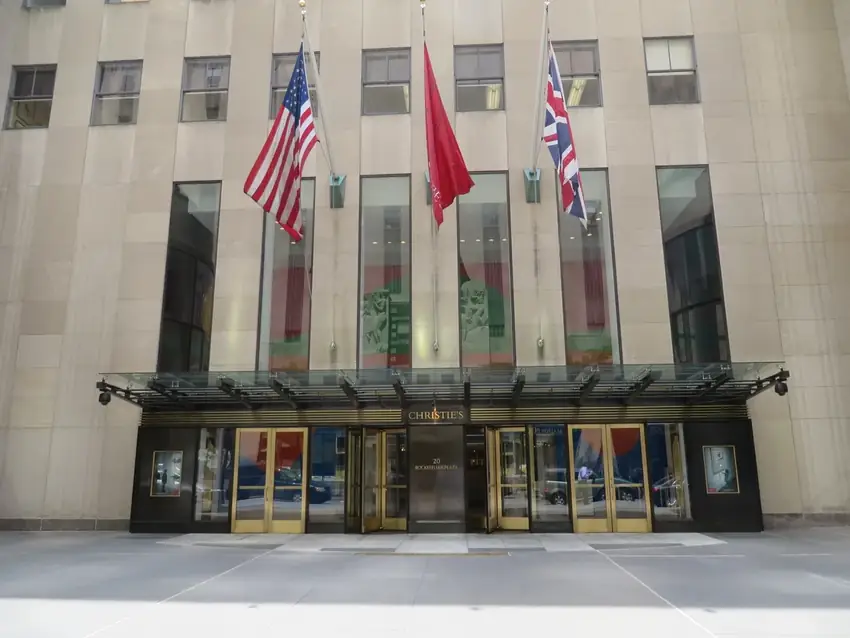
Leonard J. DeFrancisci Image source ↗ · CC BY-SA 4.0
M. F. Husain’s large 1954 painting Untitled (Gram Yatra), largely unseen for seventy years, sold for $13.75 million at Christie’s. The rediscovered multi-panel work surveys Indian rural life and modern society. Christie’s reported that an unnamed institution acquired it.
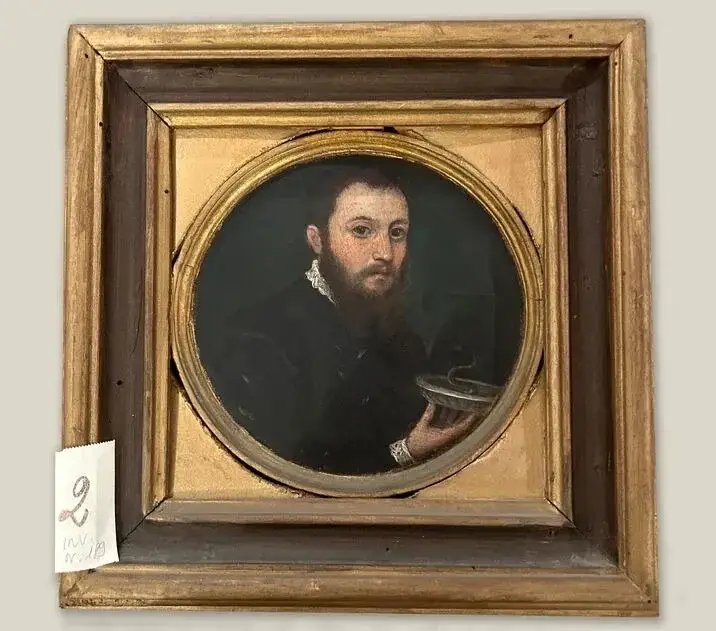
Art Museum of Ravenna / Stanford University, faithful reproduction of a sixteenth-century painting Image source ↗ · CC BY-SA 4.0
Art historian Emanuele Lugli found a 1550s portrait catalogued as Socrates in the Ravenna art museum’s storage and proposed that the painter was Sofonisba or Lucia Anguissola. The sitter holds a cup with a serpent. The attribution remained open between the sisters and could be refined by restoration.
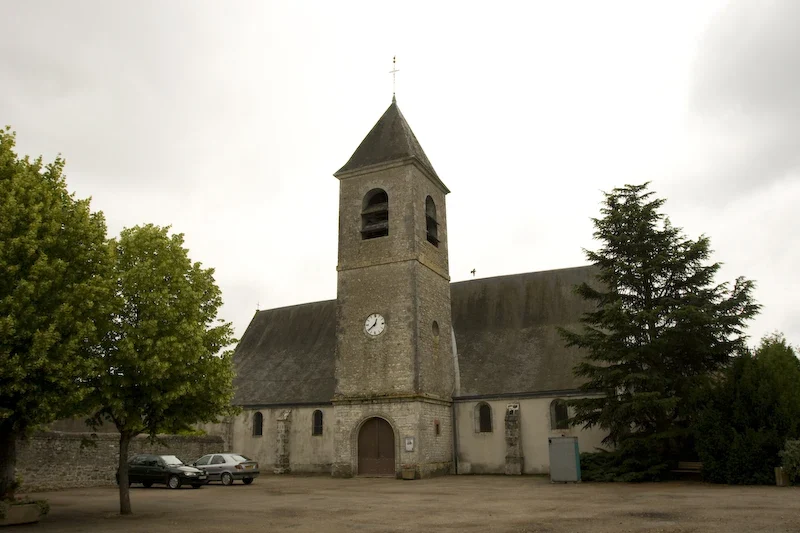
Frédéric Delaitre Image source ↗ · CC BY-SA 4.0
A Virgin and Child with the young Saint John in a Loire Valley church was long regarded as a nineteenth-century copy. Restoration and scientific analysis placed its production around 1510 and linked it to several hands in Botticelli’s workshop. The attribution was publicized before its display at Chambord in 2024.
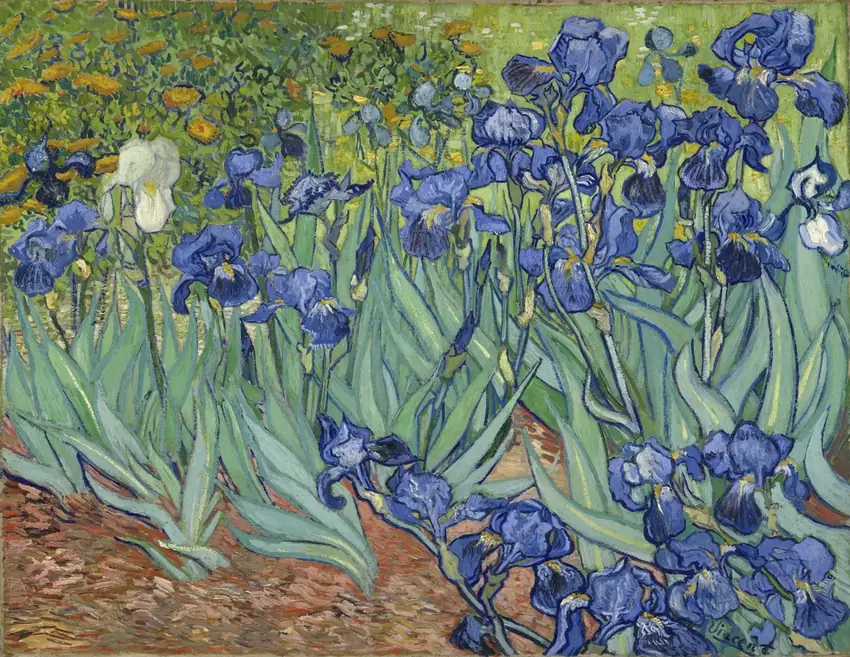
Vincent van Gogh (1853–1890) Image source ↗ · CC BY-SA 4.0
Getty scientists identified traces of a light-sensitive red pigment in Van Gogh’s Irises. Its fading helps explain why flowers described by the artist as violet now appear blue. The research supported a 2024 exhibition and a digital reconstruction of the painting’s earlier colors.
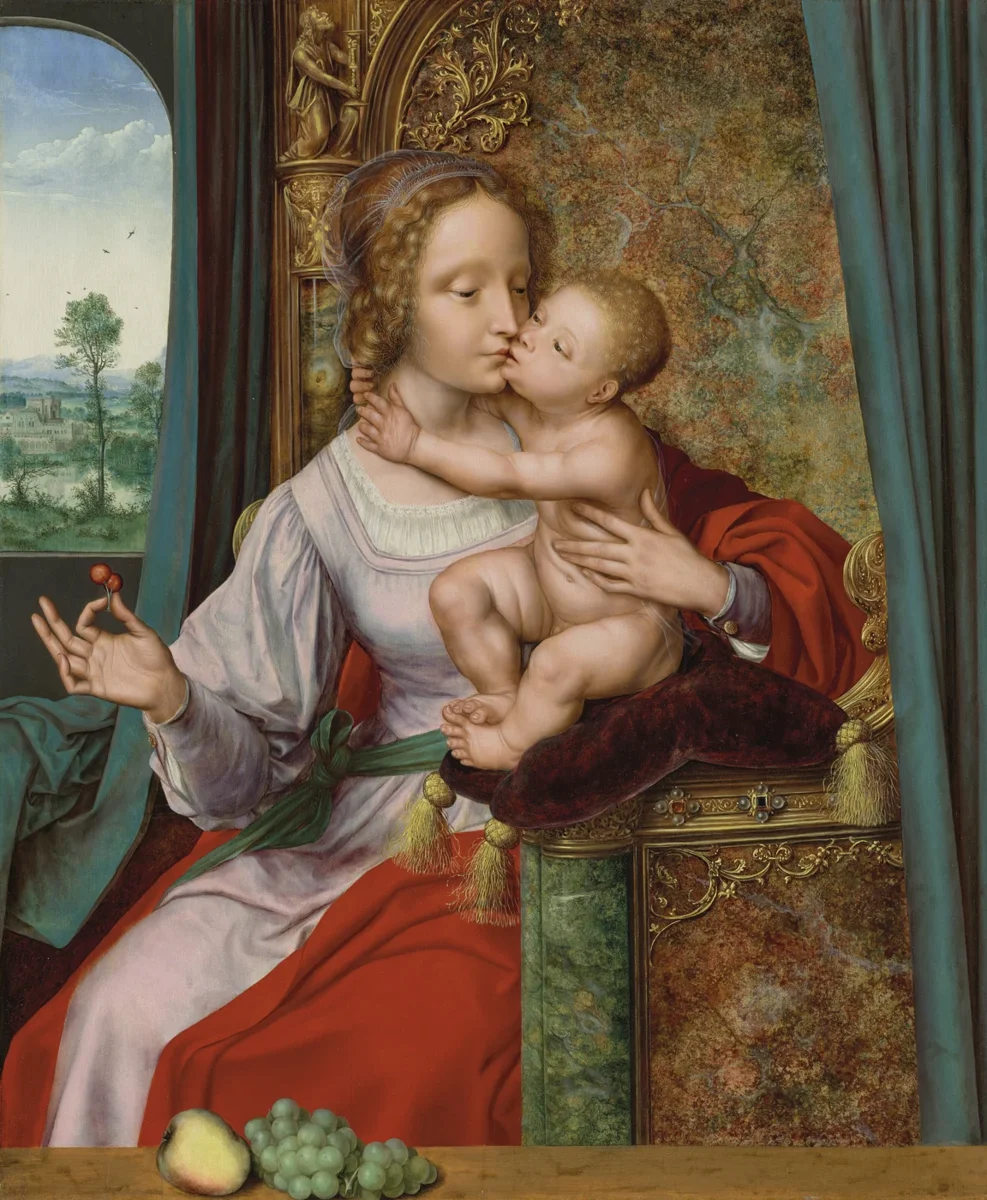
Photo: Quentin Metsys. Image source ↗ · License / Licence
Conservation removed later additions that obscured the composition of Quentin Metsys’s Madonna of the Cherries. The original panel was connected with the collection of Antwerp merchant Cornelis van der Geest and offered by Christie’s in London.
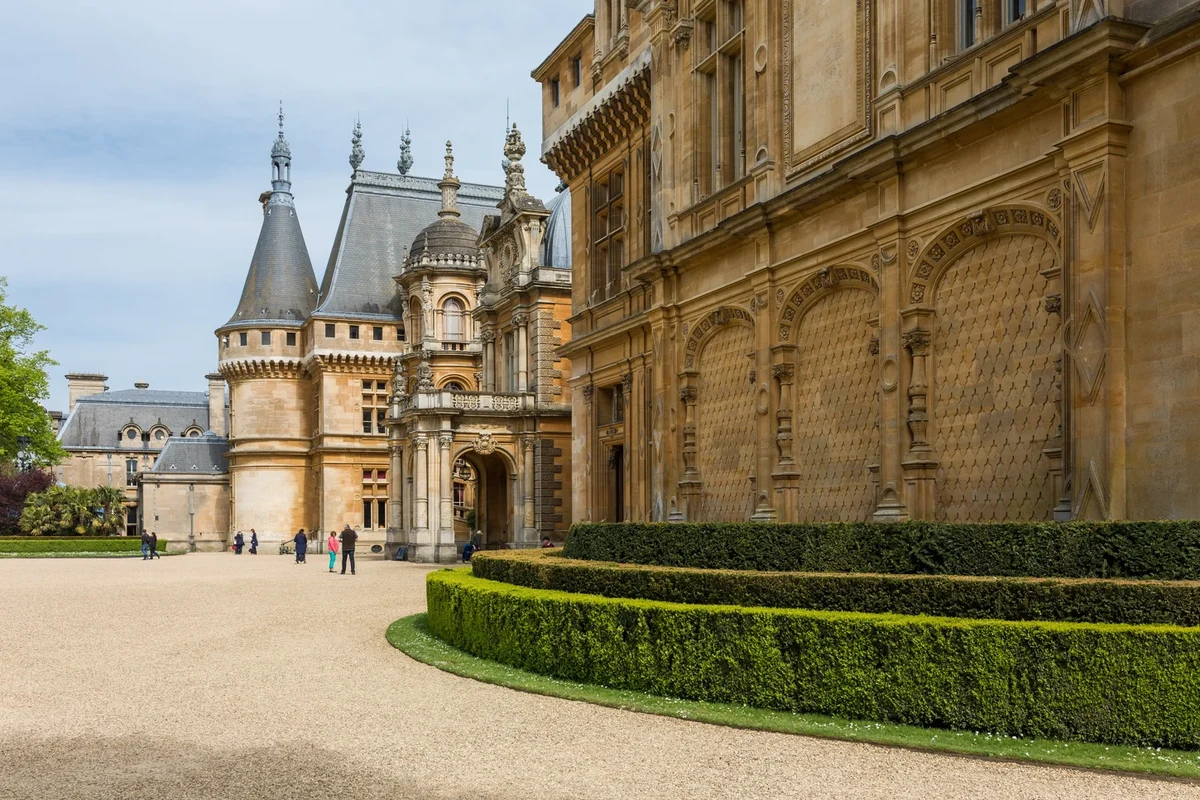
Diliff Image source ↗ · CC BY-SA 4.0
An early Guercino Moses emerged in a 2022 Paris sale catalogued under an anonymous follower of Guido Reni. Dealers recognized its potential and it was subsequently attributed to Guercino. The Rothschild Foundation announced its acquisition for Waddesdon in early 2024.
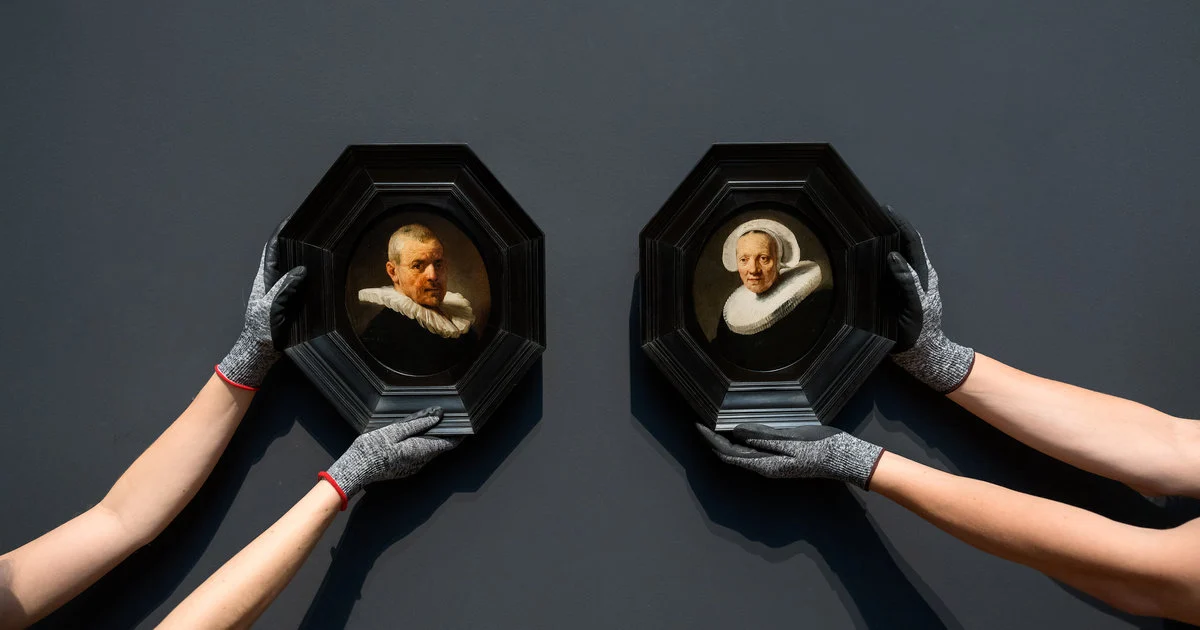
Rediscovered Rembrandt portraits presented after Rijksmuseum research — artwork or case documentation from the linked image source. Image source ↗
Technical and archival research supported attribution of two small 1635 portraits to Rembrandt and identification of Jan and Jaapgen van der Pluym. The museum announced their long-term loan and display; this is not a theft case.
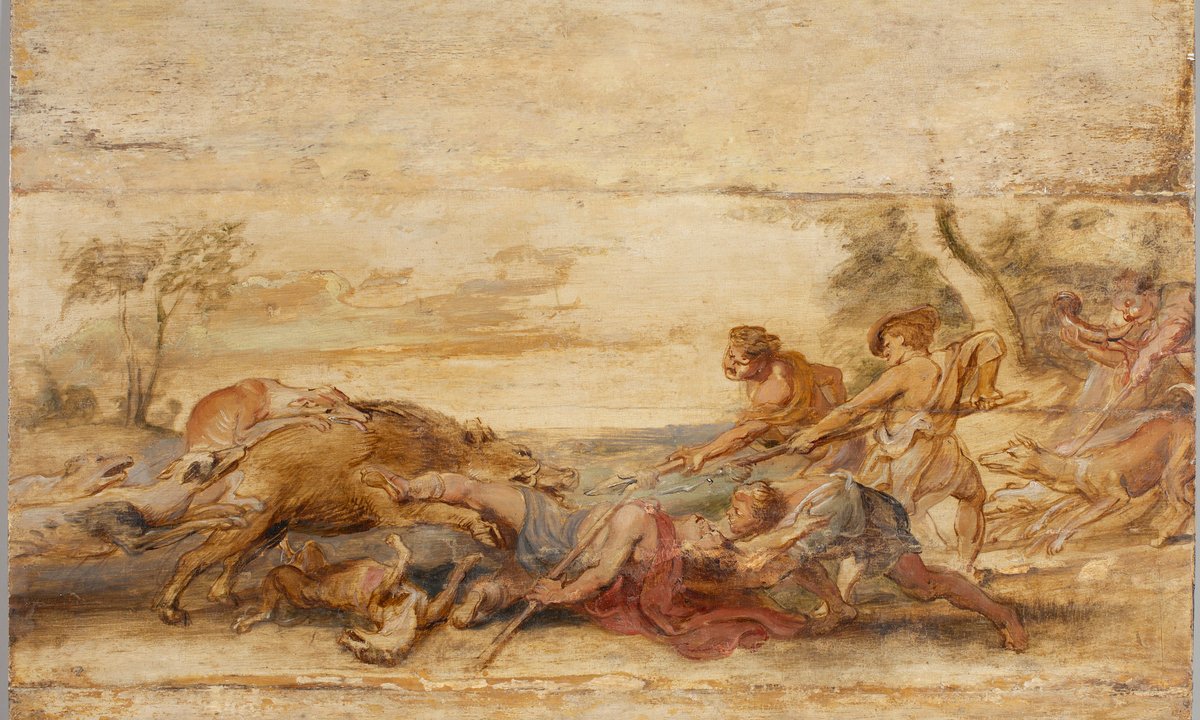
Princeton University Art Museum’s conservation of The Death of Adonis removed discoloured varnish and later overpainting. The treatment brought the appearance of the 1639 painting closer to what Rubens had intended.
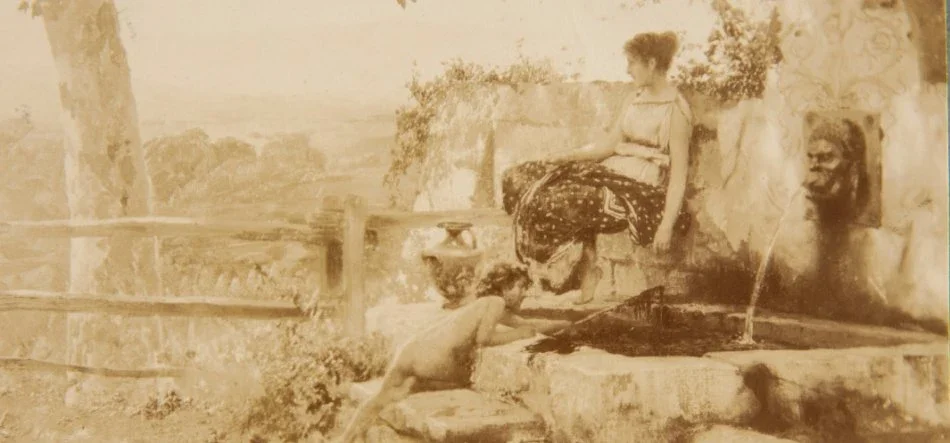
Photo: Henryk Siemiradzki / National Museum in Kraków. Image source ↗ · Public Domain Mark 1.0
The National Museum in Kraków presented At the Spring after technical examination confirmed its authorship. Known to scholars through an archival photograph, the painting resurfaced when its private owner brought it to the museum for conservation in 2022.
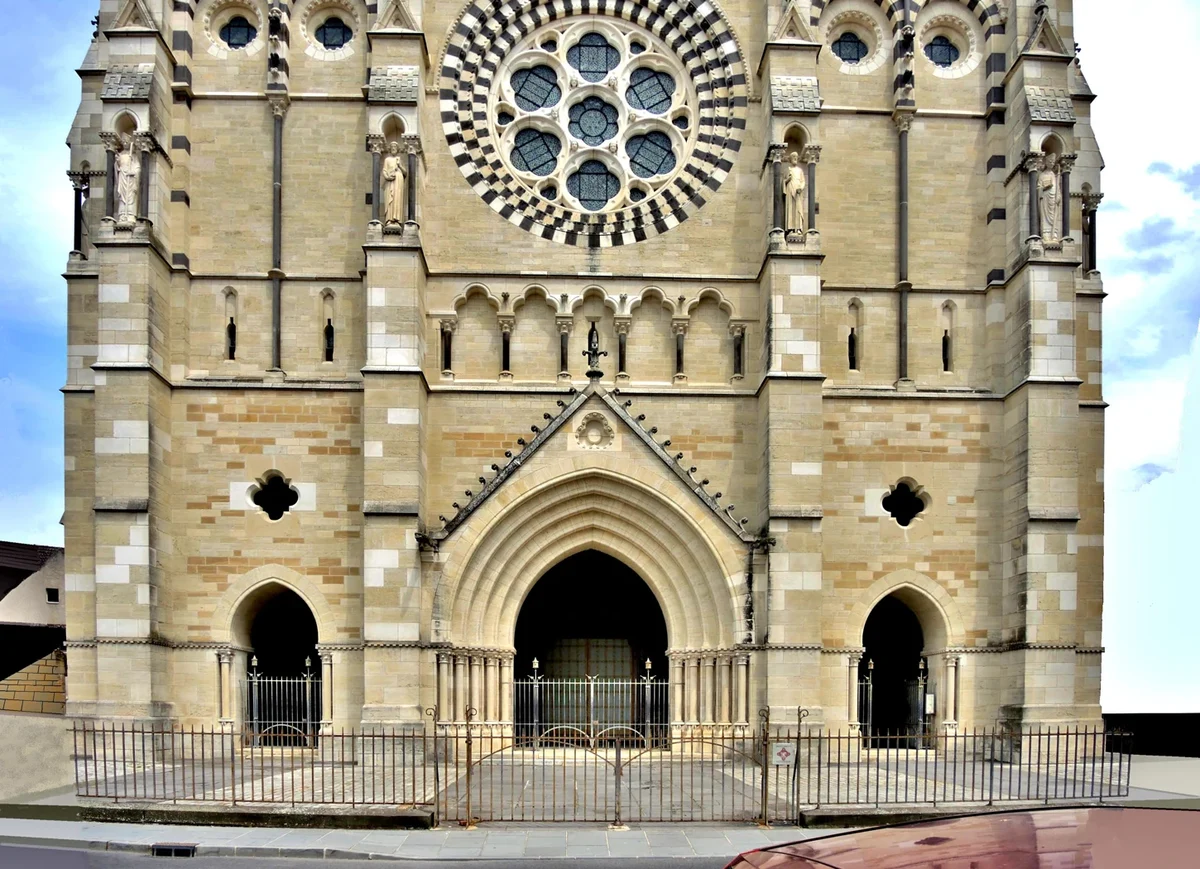
Espirat Image source ↗ · CC BY-SA 4.0
French heritage officers identified an 1880 episcopal throne canopy by Jean-Alexandre Chertier on a Dutch sales website. The structure came from the choir of Moulins Cathedral and had been stored in its sacristy. The regional authority filed a complaint in April 2023.
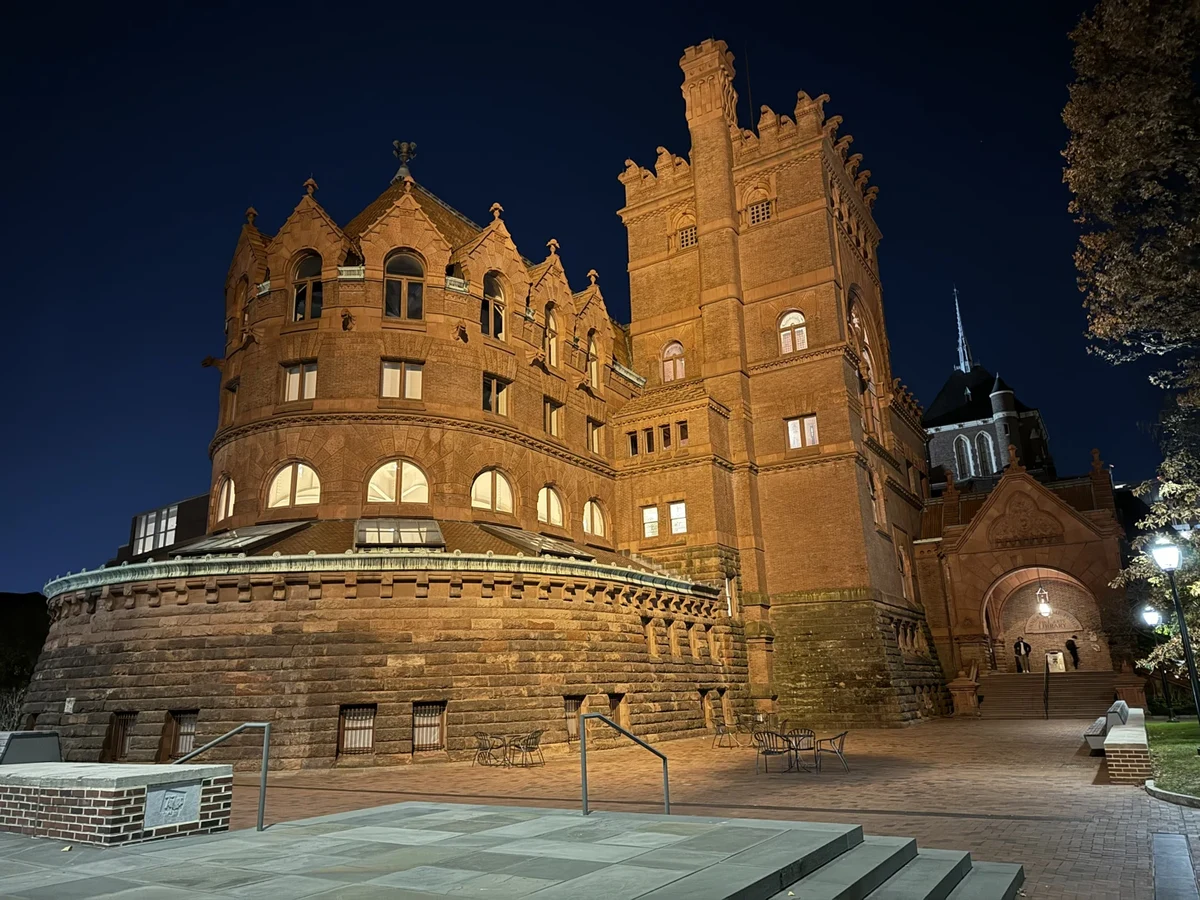
AttaleianAnatolian Image source ↗ · CC BY-SA 4.0
A landscape found in a University of Pennsylvania dental school storeroom was cleaned and authenticated as Gustave Courbet’s The Source of the Lison. It had belonged to dentist and collector Thomas W. Evans. The Arthur Ross Gallery made it the centerpiece of a 2023 exhibition.
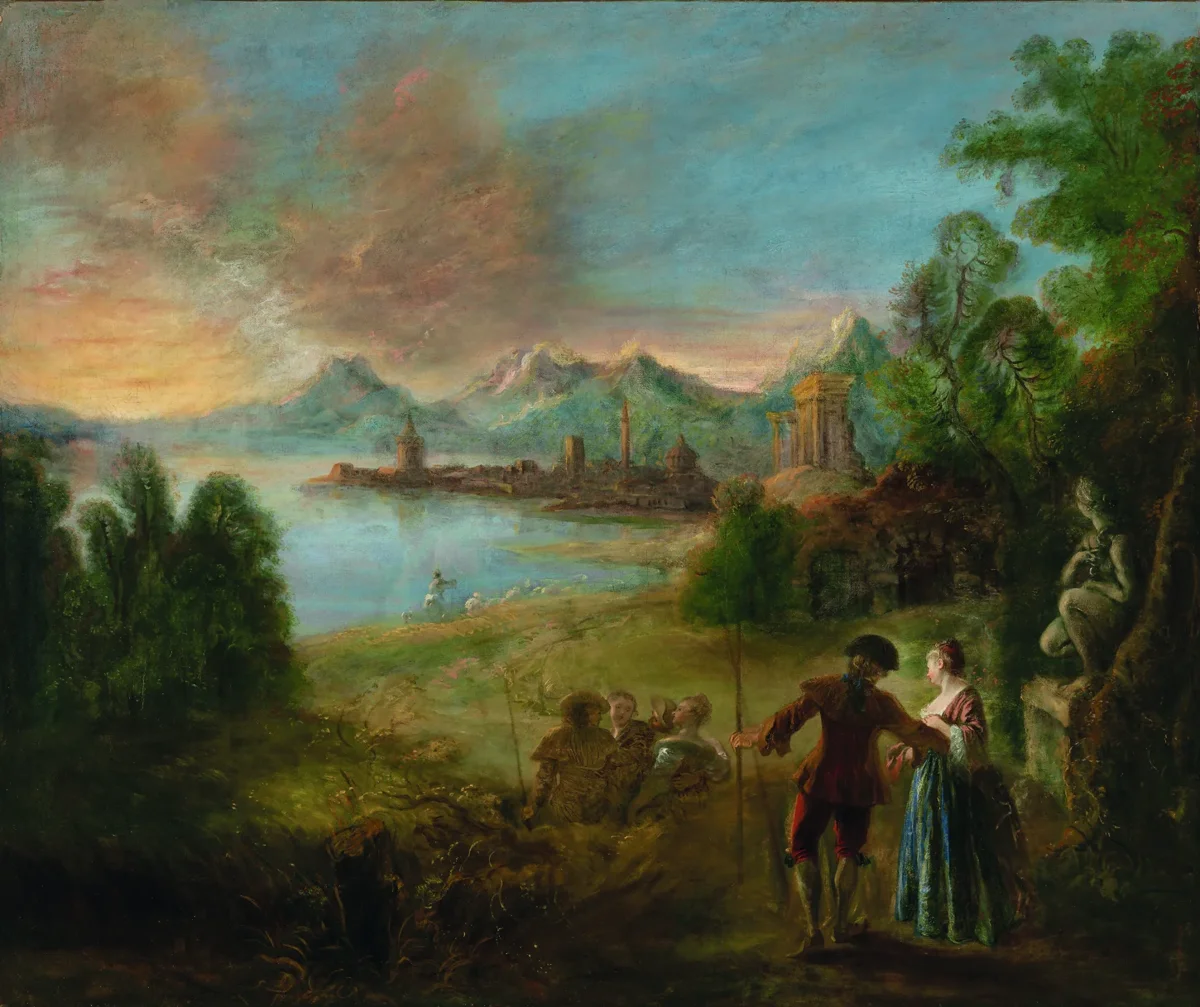
Photo: Jean-Antoine Watteau / Christie’s. Image source ↗ · Public Domain Mark 1.0
Christie’s announced the reattribution of a large canvas to Antoine Watteau. Eighteenth-century ownership records and recent investigation helped reconnect the picture with Watteau, whose better-known treatment of the subject is at the Louvre.
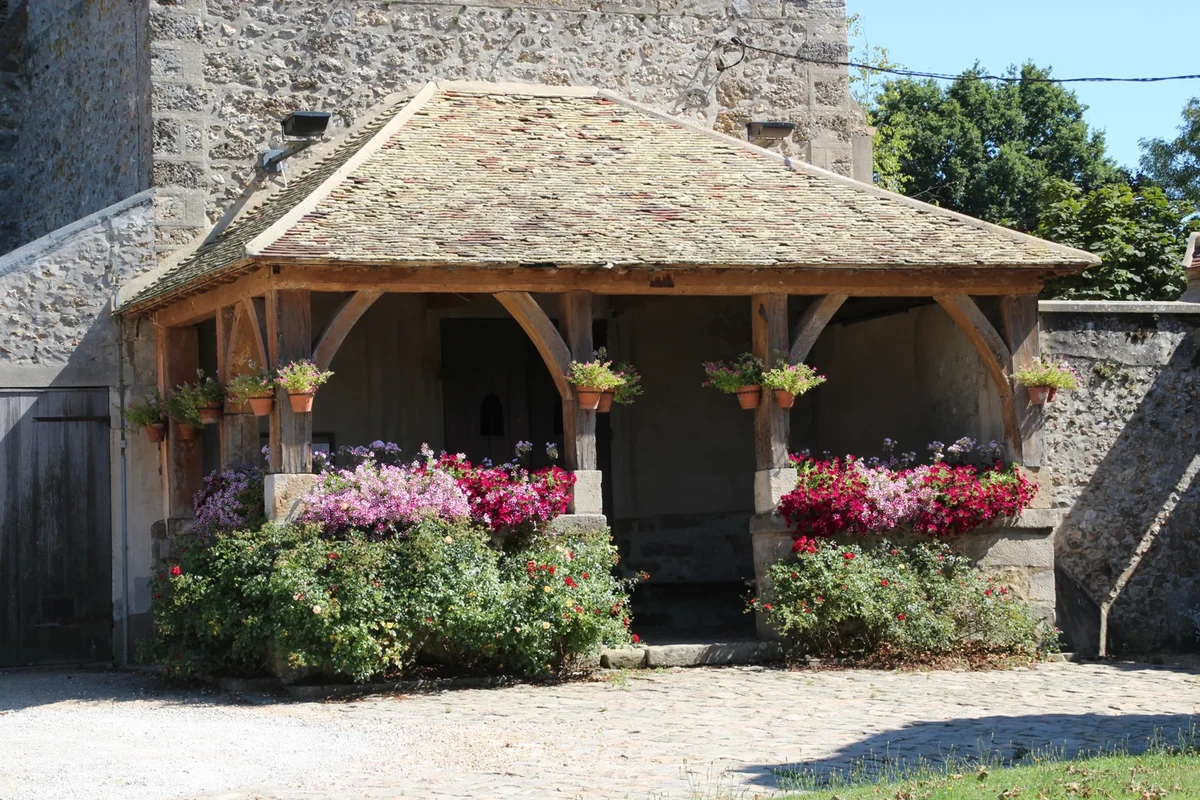
Lionel Allorge Image source ↗ · CC BY-SA 4.0
A sixteenth-century panel showing two donors with their patron saints was identified in Italy. It had been stolen from Saint-Martin Church in Jouars-Pontchartrain in July 1981. French heritage authorities supplied identifying documentation to their counterparts during the investigation.
The week’s key developments in art theft, forgery, recovery, restitution and the courts. Every Monday.
Subscribe →