Thurgood Marshall federal courthouse in New York · Mike Peel (www.mikepeel.net) / Wikimedia Commons, CC BY-SA 4.0 · Resized for display Image source ↗
New York, United States
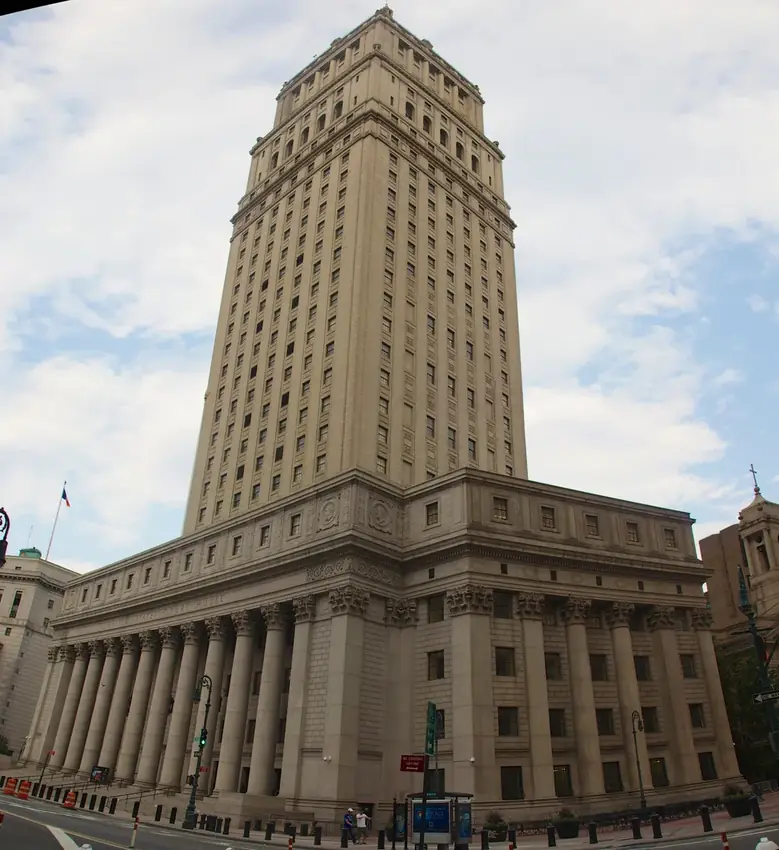
The Second Circuit affirmed judgment for Nintendo in Universal’s challenge to Donkey Kong. It found that the comic gorilla and the audiovisual game differed sufficiently from King Kong that consumers were unlikely to mistake the game’s source; the ruling concerned trademark and unfair competition rather than ownership of every gorilla image.
Thurgood Marshall federal courthouse in New York · Mike Peel (www.mikepeel.net) / Wikimedia Commons, CC BY-SA 4.0 · Resized for display Image source ↗
New York, United States
The Second Circuit affirmed the refusal of a preliminary injunction against Remco’s Warlord action figures. Comparing them with Mattel’s Masters of the Universe figures, it distinguished the common idea of an exaggerated muscular male from the sculptors’ different treatment of individual muscles and other features.
Context photograph of Potter Stewart federal courthouse in Cincinnati, associated with the court system handling this copyright dispute; the disputed designs are not shown. · Warren LeMay from Cincinnati, OH, United States / Wikimedia Commons · Resized for display Image source ↗
Cincinnati, Ohio, United States
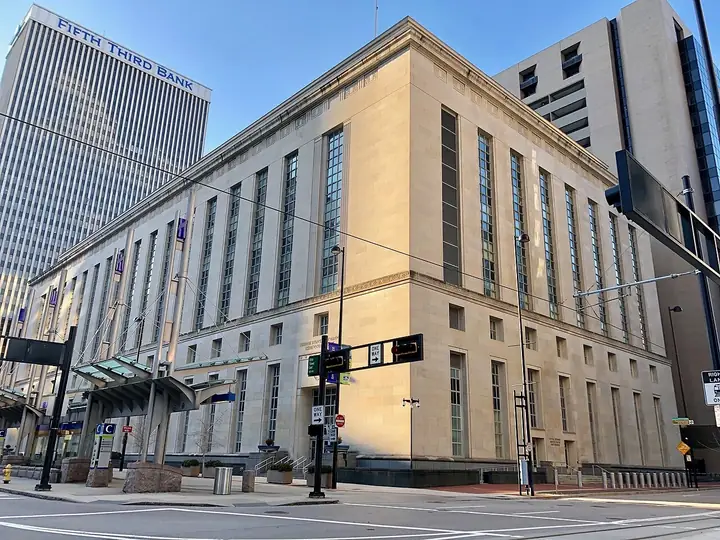
The Sixth Circuit considered whether Buddy L’s Air Coupe toy airplane was excluded from copyright simply because children could play with it. It rejected that approach: portraying a real airplane did not give the toy the industrial utility of an aircraft. The 31 March 1983 ruling distinguished copyright eligibility from proof that another model actually infringed.
Ken Lund from Reno, Nevada, USA / Wikimedia Commons · Resized for display Image source ↗
Chicago, Illinois, United States
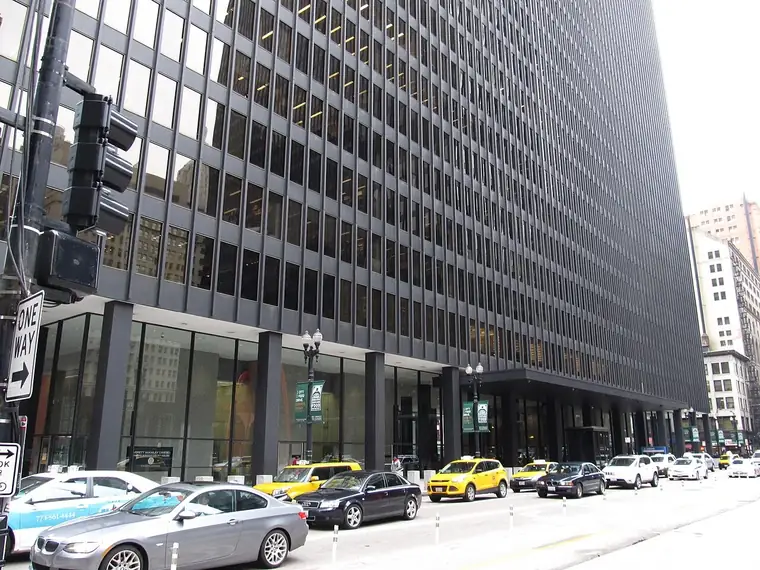
Jorie Gracen’s painting of Dorothy from The Wizard of Oz led to competing claims over collectors’ plates and the film’s imagery. The Seventh Circuit upheld dismissal of her infringement claim because the derivative painting lacked sufficient legal originality. It separately vacated the judgment against her on MGM and Bradford’s counterclaim and remanded it.
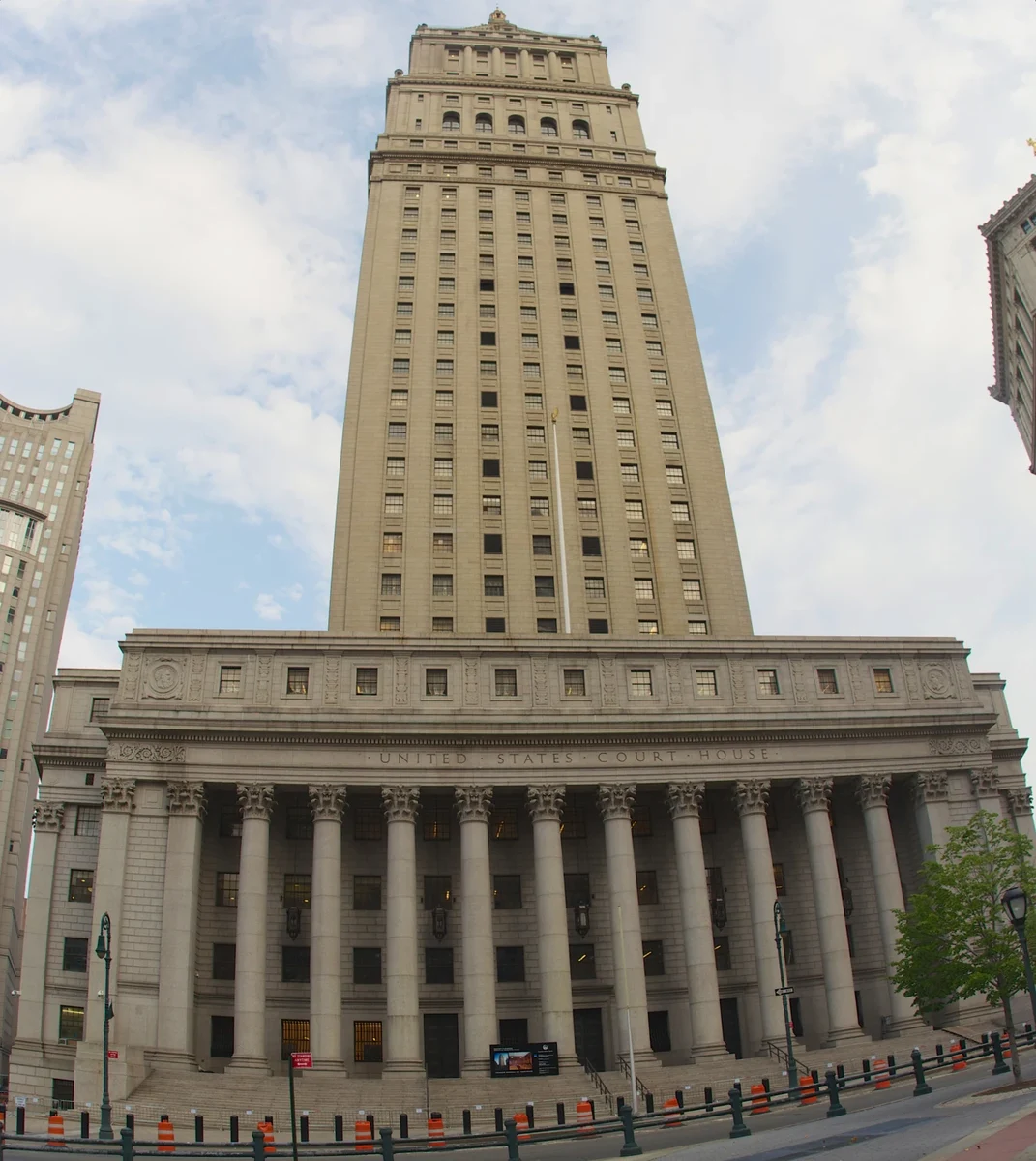
Context photograph of Thurgood Marshall United States Courthouse in New York, associated with the court hearing this design-copyright case; the disputed works are not shown. · Photograph by Mike Peel ( www.mikepeel.net ). / Wikimedia Commons · Resized for display Image source ↗
New York, United States
Eden Toys challenged a bear drawing on Florelee nightshirts as a copy of an authorised Paddington gift-wrap illustration. On 2 December 1982 the Second Circuit reversed dismissal of the copyright claims and remanded ownership and licensing questions, while also addressing the false-origin claim. The decision concerns the illustration’s reproduction and derivative rights, not ownership of every bear image.
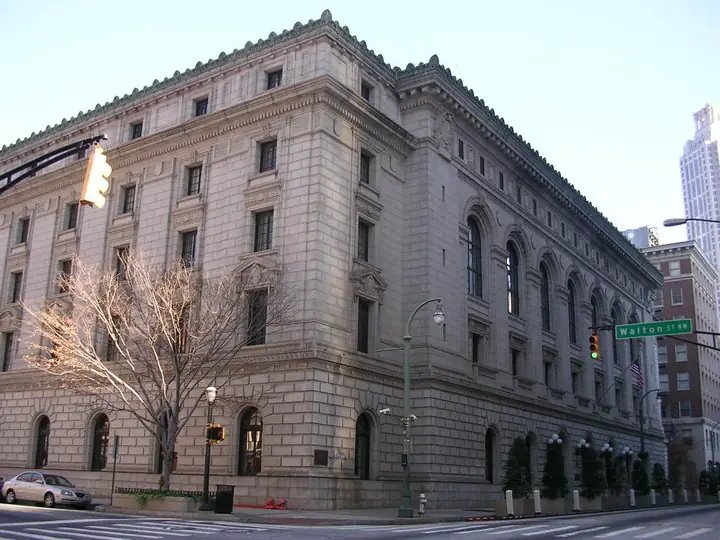
Elbert P. Tuttle federal appeals courthouse in Atlanta, institutional context for the 1982 soft-sculpture doll appeal; the dolls are not shown. · Eoghanacht / Wikimedia Commons · Resized for display Image source ↗
Atlanta, Georgia, United States
Original Appalachian Artworks challenged Toy Loft’s Love Me Babies as copies of its Little People soft-sculpture dolls and their distinctive presentation. On 3 September 1982 the Eleventh Circuit affirmed the trial judgment granting copyright damages, an injunction and attorney fees. The court examined the particular developed doll design and the separate trade-dress claims.
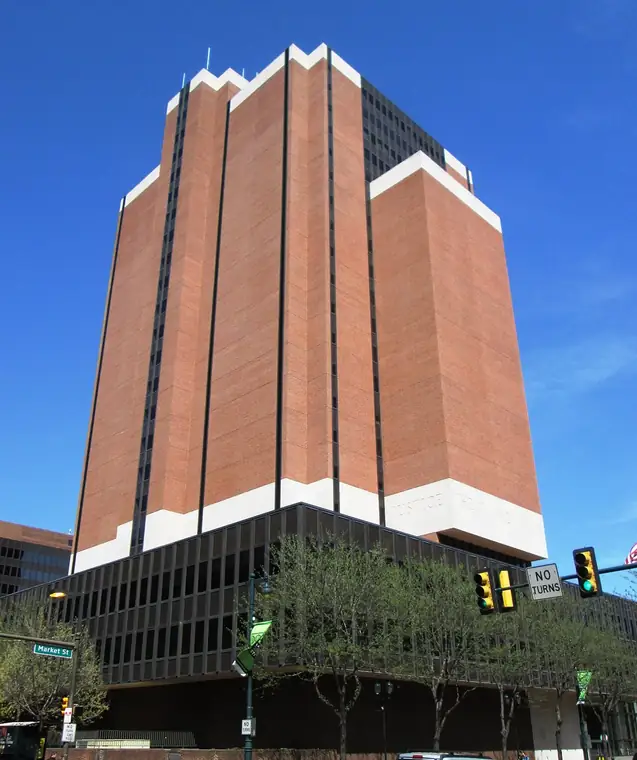
James A. Byrne federal courthouse in Philadelphia · Beyond My Ken / Wikimedia Commons, CC BY-SA 4.0 · Resized for display Image source ↗
Philadelphia, Pennsylvania, United States
The Third Circuit affirmed an injunction against Artic’s copying of Defender. Matching imagery, score initials and a hidden copyright notice helped establish copying, while the judgment confirmed that the game’s audiovisual work and its computer program could receive separate copyright protection.
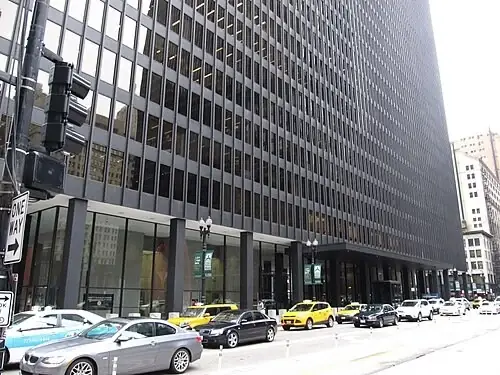
Ken Lund from Reno, Nevada, USA / Wikimedia Commons · Ken Lund / Wikimedia Commons, CC BY-SA 2.0 · Resized for display Image source ↗
Chicago, Illinois, United States
The Seventh Circuit reversed the denial of a preliminary injunction concerning K.C. Munchkin. It found a strong likelihood that the competing maze game appropriated protected expression in Pac-Man’s gobbling character and pursuing monsters, despite differences in gameplay and technical capacity.
Thurgood Marshall federal courthouse in New York · Mike Peel (www.mikepeel.net) / Wikimedia Commons, CC BY-SA 4.0 · Resized for display Image source ↗
New York, United States
The Second Circuit upheld a preliminary injunction protecting Scramble’s audiovisual display against a substantially copied competing game. The court explained that player interaction did not prevent fixation: the game repeatedly generated a recognizable sequence of sights and sounds stored through its electronic components.
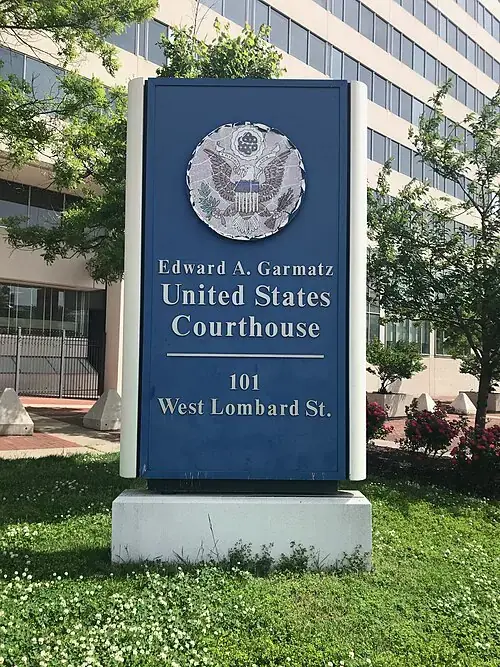
Sign at the Edward A. Garmatz U.S. Courthouse in Baltimore · Eli Pousson / Baltimore Heritage · Resized for display Image source ↗
Baltimore, Maryland, United States
A Maryland federal judge rejected Atari’s claim that Meteors infringed the audiovisual copyright in Asteroids. After comparing ships, rocks, movement and game effects, the court treated many similarities as consequences of the shared space-combat idea and found the remaining expression sufficiently different.
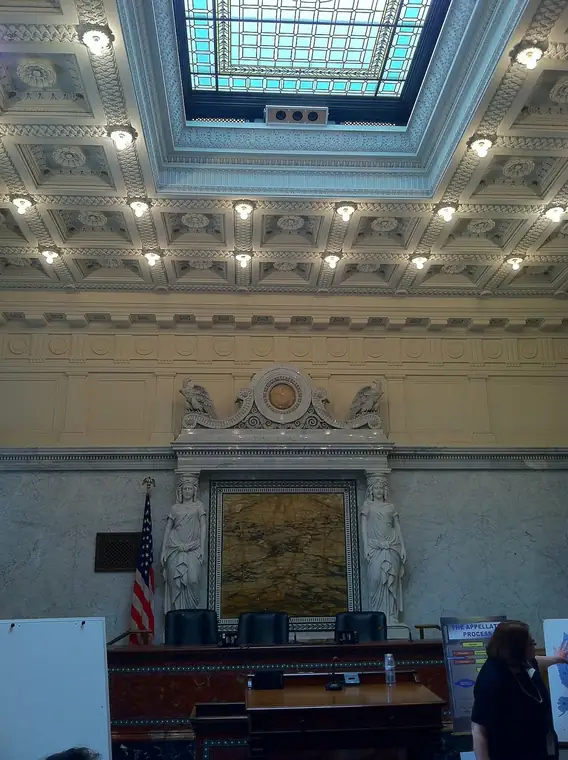
Context photograph of a courtroom in the James R. Browning federal courthouse in San Francisco, associated with the court system handling this copyright dispute; the disputed designs are not shown. · Sam Wheeler / Wikimedia Commons · Resized for display Image source ↗
California, United States
Kamar appealed a judgment rejecting its copyrights in stuffed-animal designs sold through Korean manufacturers. The Ninth Circuit rejected the assumption that realistic animal depictions were automatically unprotectable and required a proper analysis of originality, access and similarity. It remanded the dispute rather than making a blanket ruling that every stuffed animal was protected.
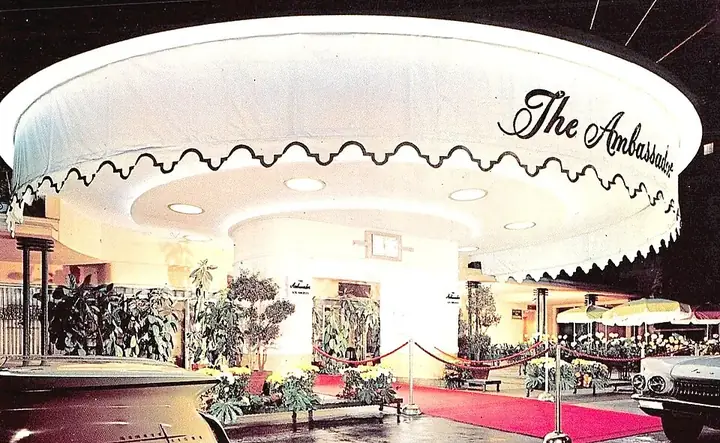
The entrance to the Ambassador Hotel in Los Angeles, pictured on a 1970 postcard · Archival postcard via Wikimedia Commons, publisher partly illegible · Resized for display Image source ↗
Los Angeles, California, United States
Georges Rouault’s 1937 oil painting Christ went missing from the Dalzell Hatfield Gallery at the Ambassador Hotel in 1981. When the painting reached Christie’s six years later, the artist’s daughter checked her records and identified it as stolen. Police recovered the painting in New York in 1987. The contemporaneous reports did not establish who took it or who ultimately received the painting.
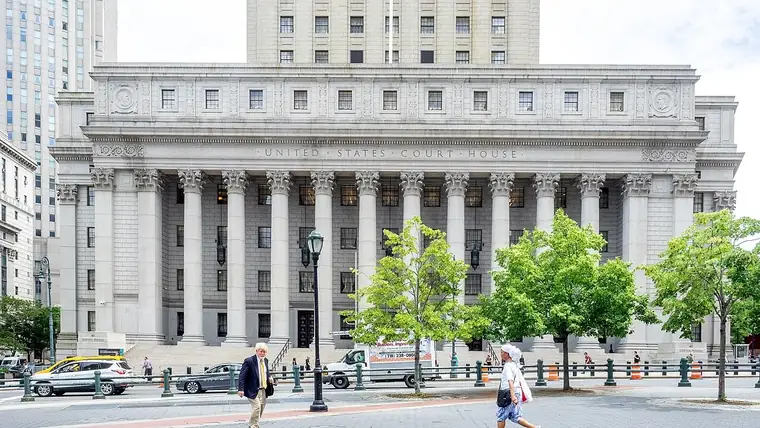
Ajay Suresh from New York, NY, USA / Wikimedia Commons · Resized for display Image source ↗
New York, United States
Barry Kieselstein-Cord challenged copies of his Winchester and Vaquero belt buckles. The Second Circuit reversed a ruling against him and recognized the ornamental sculptural features as conceptually separable from their practical fastening function. The decision concerned eligibility for copyright rather than a final damages award.
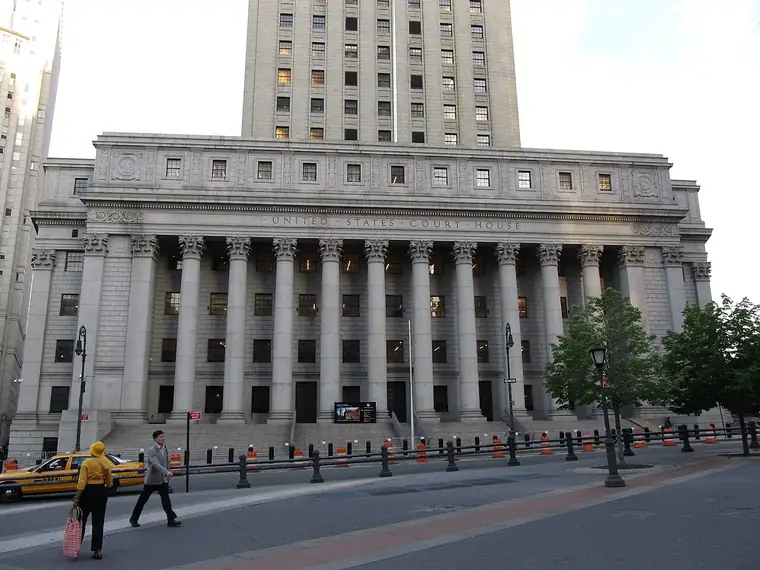
Ken Lund from Reno, Nevada, USA / Wikimedia Commons · Resized for display Image source ↗
New York, United States
Tomy alleged that Durham copied its wind-up toys, including figures of Mickey Mouse, Donald Duck and Pluto. The Second Circuit affirmed dismissal of the claims, finding no original contribution supporting Tomy’s asserted copyrights in the Disney reproductions. The court separately assessed the other toys rather than granting a general right to copy Disney characters.
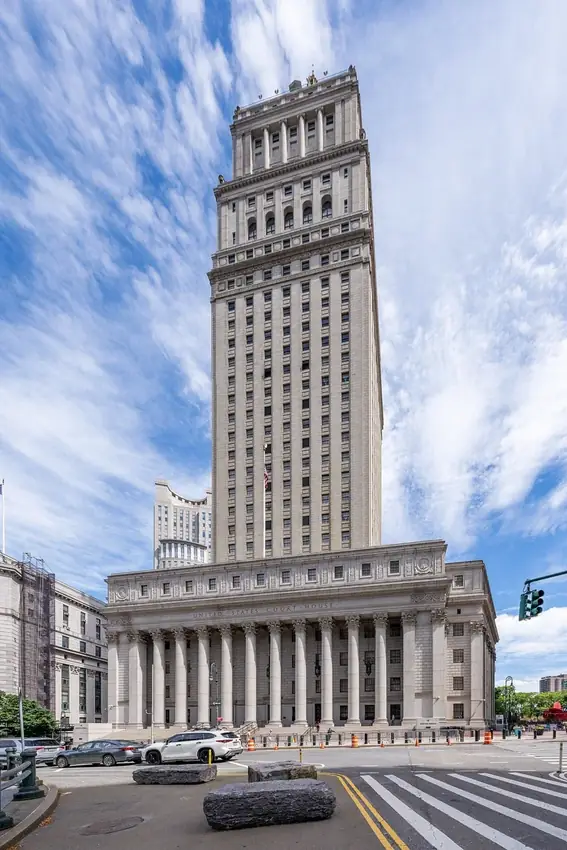
Context photograph of Thurgood Marshall United States Courthouse in New York, associated with the court system handling this copyright dispute; the disputed designs are not shown. · Ajay Suresh / Wikimedia Commons · Resized for display Image source ↗
New York, United States
Russ Berrie challenged Jerry Elsner’s Santa, Christmas bear and thumb-sucking gorilla toys. The court dismissed the copyright claims, finding insufficient similarity in the seasonal figures and problems with the gorilla’s derivative-work claim. It separately granted provisional relief on the branding claim involving Gonga and Congo. The decision keeps copyright in sculptural design distinct from consumer-confusion questions.
Context photograph of a courtroom in the James R. Browning federal courthouse in San Francisco, associated with the court system handling this copyright dispute; the disputed designs are not shown. · Sam Wheeler / Wikimedia Commons, CC BY-SA 3.0 · Resized for display Image source ↗
San Francisco, California, United States
The Ninth Circuit upheld copyright liability over adult underground comics that reproduced Disney characters in explicit new situations. Although parody could justify some borrowing, the court found the extensive copying of the characters’ recognizable graphic appearance exceeded what was necessary to conjure them up.
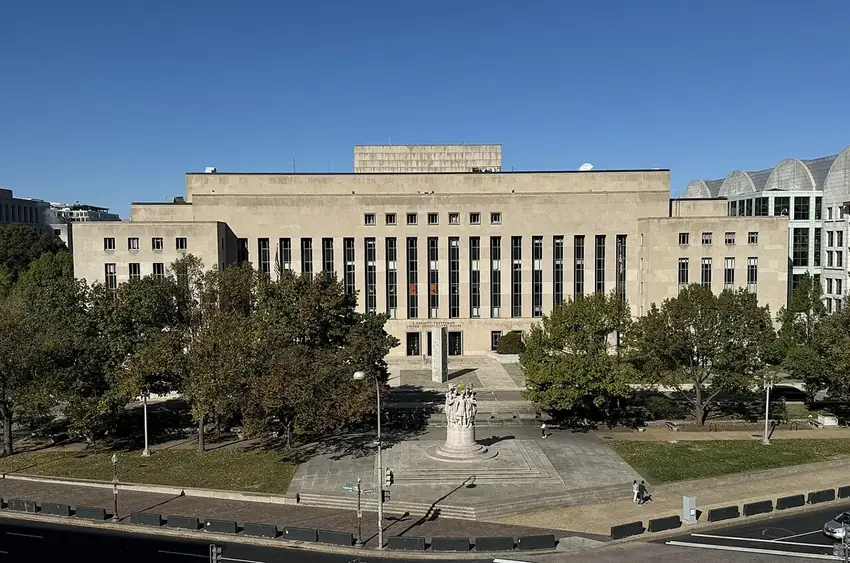
Context photograph of E. Barrett Prettyman federal courthouse in Washington, associated with the court system handling this copyright dispute; the disputed designs are not shown. · Toohool / Wikimedia Commons · Resized for display Image source ↗
Washington, District of Columbia, United States
Esquire sought copyright registration for the rounded overall shapes of outdoor lighting fixtures. The D.C. Circuit upheld the Copyright Office’s refusal because the configurations lacked artistic features separable from their useful function. The historical ruling was issued on 14 August 1978 and amended on 22 September; it did not deny protection to all modern sculpture.
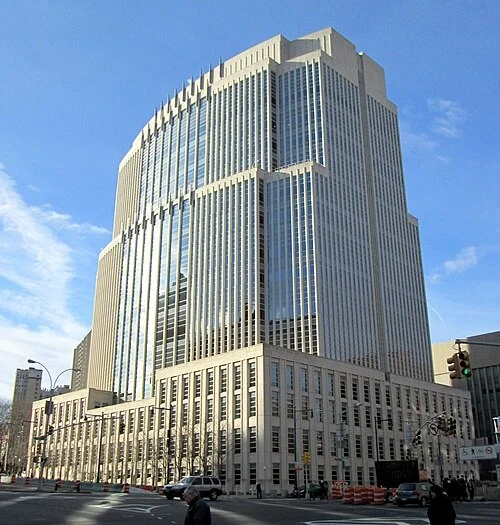
Context photograph of the federal courthouse in Brooklyn, associated with the court system handling this copyright dispute; the disputed designs are not shown. · Beyond My Ken / Wikimedia Commons · Resized for display Image source ↗
Brooklyn, New York, United States
Dollcraft challenged Well-Made’s stuffed lambs and rabbits as copies of its Lamie Pie and Honey Bunny designs. The court found the combinations of shape, expression and features sufficiently original and substantially similar to the accused toys. It issued a preliminary injunction and impoundment order, conditioned on a bond, pending the case’s merits.
Beyond My Ken / Wikimedia Commons · Resized for display Image source ↗
Philadelphia, Pennsylvania, United States
Albert Earl Gilbert painted two different compositions of cardinals after assigning rights in an earlier watercolor. The Third Circuit upheld a finding of no infringement: copyright in one painting did not give its owner control over every later treatment of the same birds. The decision distinguishes a shared subject from copied expression.
Context photograph of the federal courthouse in Brooklyn, associated with the court hearing this design-copyright case; the disputed works are not shown. · Beyond My Ken / Wikimedia Commons · Resized for display Image source ↗
Brooklyn, New York, United States
After a bench trial, the federal court found that A&L Novelty had infringed five R. Dakin stuffed-animal designs, including Frogaboo, Hippoboo and Gabby Gibbon. It held that familiar animal forms and pajama-bag functions did not erase the originality of the particular expressions. The 9 January 1978 ruling left the amount of profits and costs for further proceedings.
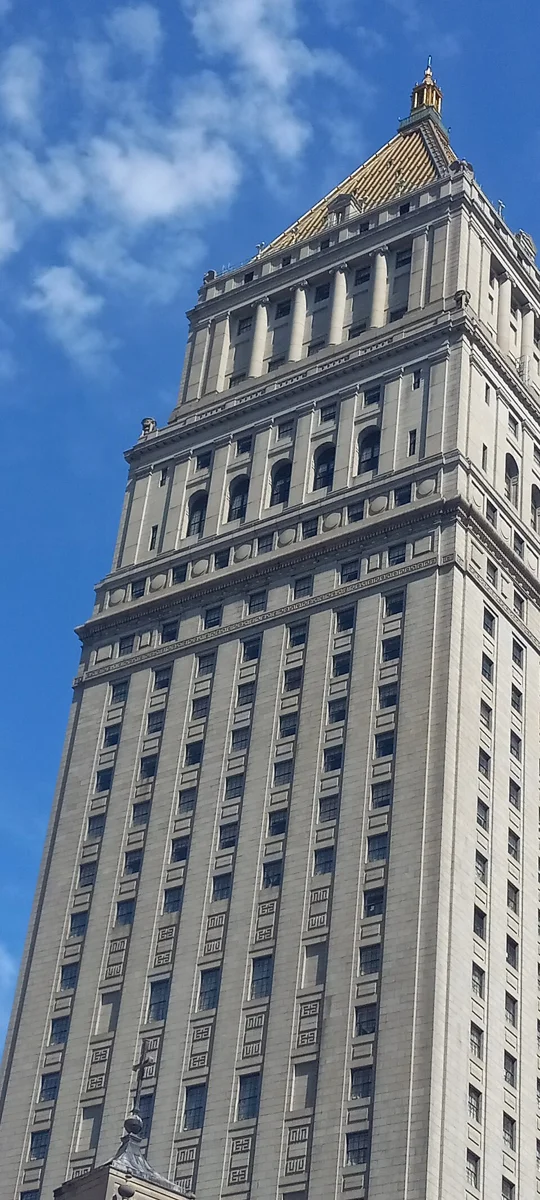
Context photograph of Thurgood Marshall United States Courthouse in New York, associated with the court system handling this copyright dispute; the disputed designs are not shown. · Kidfly182 / Wikimedia Commons · Resized for display Image source ↗
New York, United States
Kenner and Twentieth Century-Fox sought to stop Ideal’s Star Team space figures, alleging infringement of Star Wars character imagery. The federal court denied the preliminary injunction after comparing the designs. A shared space-adventure theme did not by itself establish protected expression had been copied; this was a provisional ruling rather than a licence to reproduce film characters.