Ajay Suresh Image source ↗
New York, United States
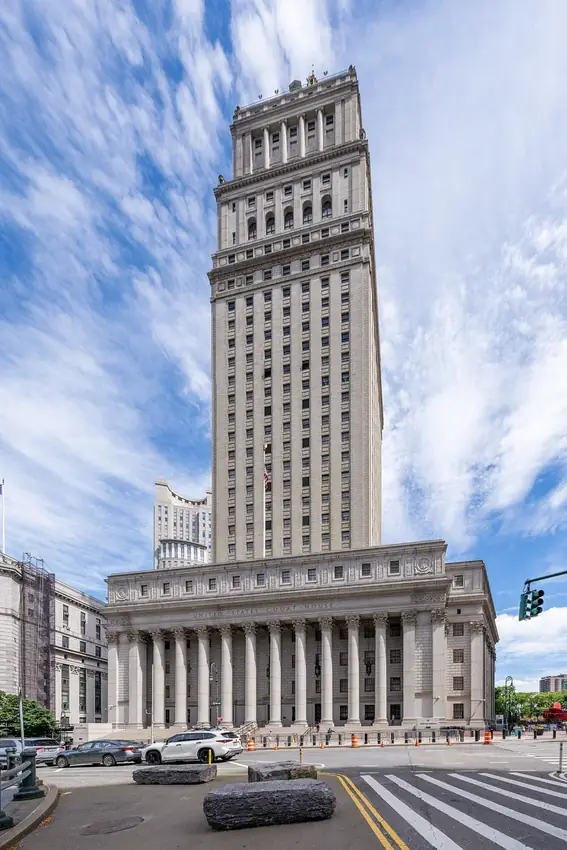
Buyers challenged a painting decades after purchase, when they learned it might be a fake. The federal appeals court upheld dismissal of warranty claims but allowed the Rosens' common-law fraud claim to proceed.
Ajay Suresh Image source ↗
New York, United States
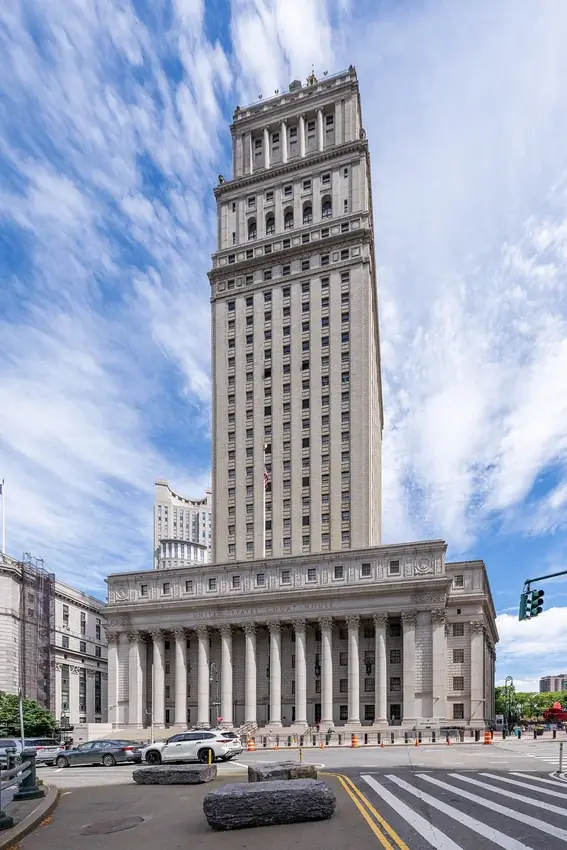
After negotiating a private purchase of a Dalí painting, the buyer obtained it at a Sotheby's auction at a higher price. A federal judge granted summary judgment to the seller in the buyer's contract claim.

Julez A. Image source ↗
Indianapolis, United States / Cyprus
A US appeals court upheld the order returning four early Byzantine mosaic fragments removed from the Church of Panagia Kanakaria. Their sale abroad had brought them to an Indiana dealer.
The original uploader was Miami92 at English Wikipedia . · Resized for display Image source ↗
Miami, United States
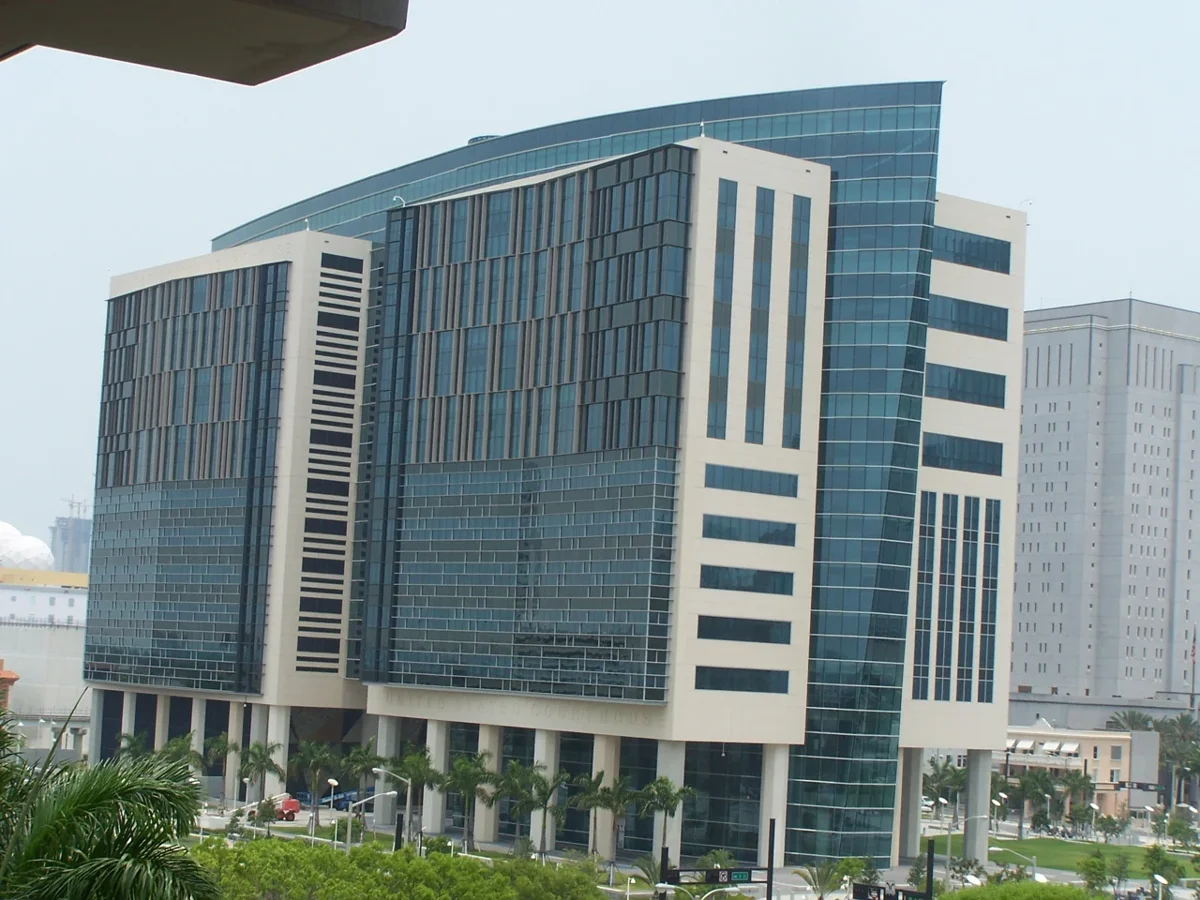
US Customs seized around two hundred paintings from collector Ramon Cernuda in an embargo investigation. A federal court held that the paintings fell within the informational-materials exemption and ordered the remaining seized property returned.
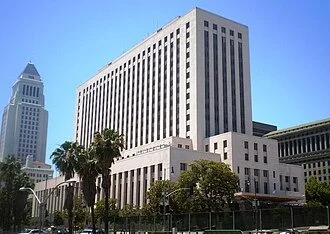
Context photograph: the historic United States Court House, Los Angeles, linked to the court that heard Peru’s claim. · Los Angeles / Wikimedia Commons · CC BY-SA 3.0 · Resized for display Image source ↗
Los Angeles, California, United States
Peru sought the return of 89 artefacts seized from Benjamin Johnson, asserting state ownership and unlawful removal. The federal court entered judgment for the defendant because the evidence did not adequately establish Peruvian origin and ownership at the relevant time. The result was a failure of this particular claim, not a declaration that looting cultural property is lawful.
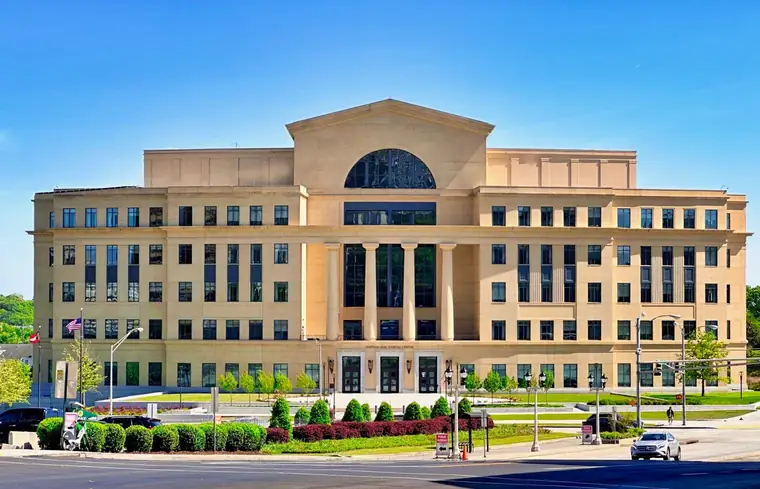
Harrison Keely · Resized for display Image source ↗
Atlanta, United States
A dealer sought compensation after a painting sold as a Martin Johnson Heade proved to be a forgery. Georgia's Supreme Court reversed the final judgment and directed further consideration of the contract claim, with a new trial if necessary.
Carol M. Highsmith. · Resized for display Image source ↗
San Francisco, United States
Publishers disputed Jennifer Dumas's rights to four Patrick Nagel illustrations commissioned for ITT advertising. The Ninth Circuit upheld a preliminary injunction against reproducing the works while examining the distinction between employment and independent contracting.
Carol M. Highsmith Image source ↗
San Francisco, United States
An art seller cut individual Patrick Nagel images from an illustrated book and mounted them on ceramic tiles for resale. The Ninth Circuit held that the tiles were unauthorised derivative works and upheld the injunction, despite the lawful purchase of the books.
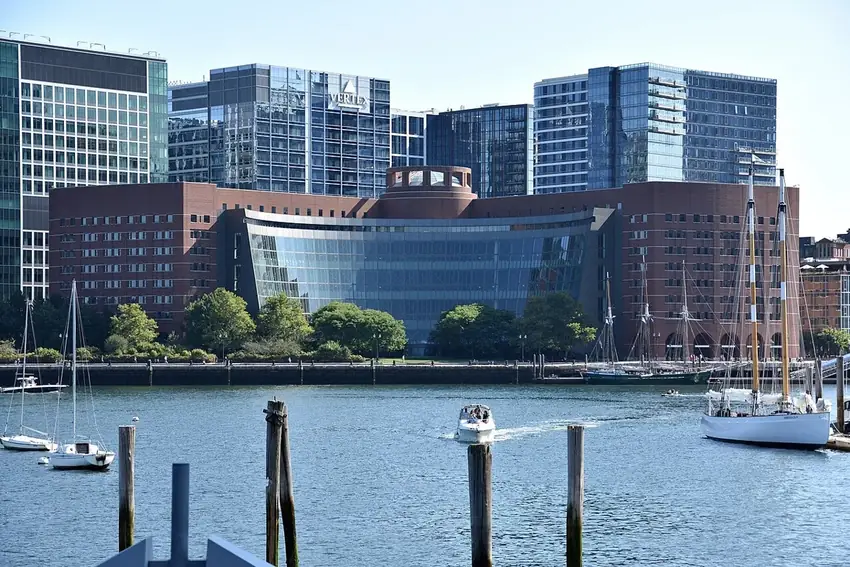
4300streetcar Image source ↗
Boston, United States
A buyer was sold a painting guaranteed as an original Édouard Vuillard. An expert later called it a fake. The First Circuit dismissed the warranty claim as time-barred without making an independent attribution.
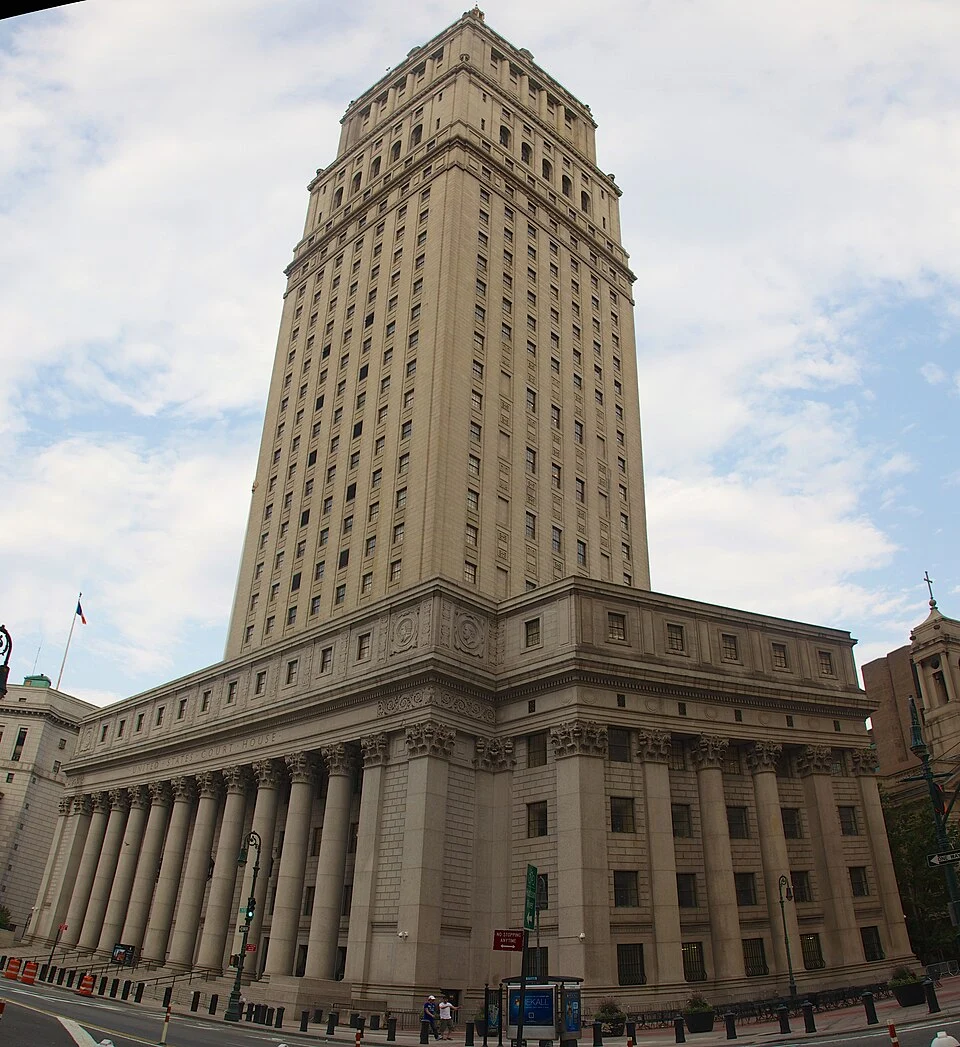
Thurgood Marshall United States Courthouse in New York; later contextual photograph of the federal court setting. · Mike Peel (www.mikepeel.net) / CC BY-SA 4.0 · Resized for display Image source ↗
New York, United States
In Demetriades v. Kaufmann, a federal judge addressed admitted copying of plans for a Scarsdale house. The preliminary ruling allowed relief against reproducing the drawings but refused to halt house construction solely on that copyright basis. The decision predates the later federal protection specifically covering architectural works.
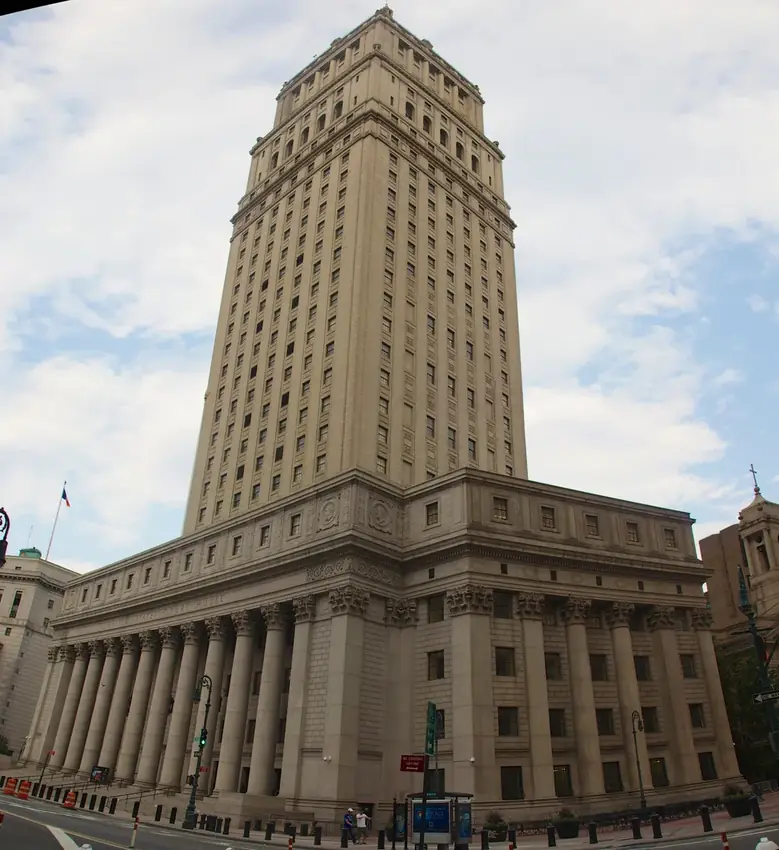
Context photograph: Thurgood Marshall United States Courthouse, Manhattan, associated with the federal courts in this case. · Mike Peel (www.mikepeel.net) / Wikimedia Commons · CC BY-SA 4.0 · Resized for display Image source ↗
New York, United States
The Second Circuit rejected copyright protection for Brandir’s Ribbon bicycle rack under its then-applicable separability analysis: aesthetic and practical design choices were intertwined. It separately reversed and remanded the trade-dress and unfair-competition claims. The 1987 ruling should not be read as saying that every form of protection for the design failed.
Photograph by Mike Peel (www.mikepeel.net).. · Resized for display Image source ↗
New York, United States
Photographer John Duke Kisch challenged an advertising photograph made at the same jazz venue as his earlier image. The court held that similarities in the expressive composition required further examination and denied dismissal of the copyright claim.
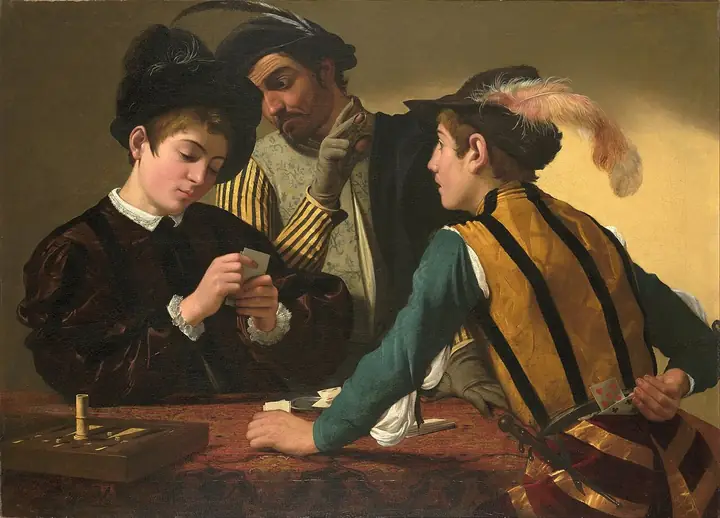
Caravaggio’s The Cardsharps in the Kimbell Art Museum, showing three card players. · Caravaggio / Kimbell Art Museum / Google Art Project (public domain) · Resized for display Image source ↗
Zurich, Switzerland; Fort Worth, Texas, United States
Caravaggio’s long-unlocated Cardsharps emerged from a European private collection and entered the Kimbell collection in 1987. Treatment removed a later canvas strip and exposed Cardinal del Monte’s collection seal on the reverse. Together with the painting’s revisions, that evidence supported recognition of the lost original rather than another copy.
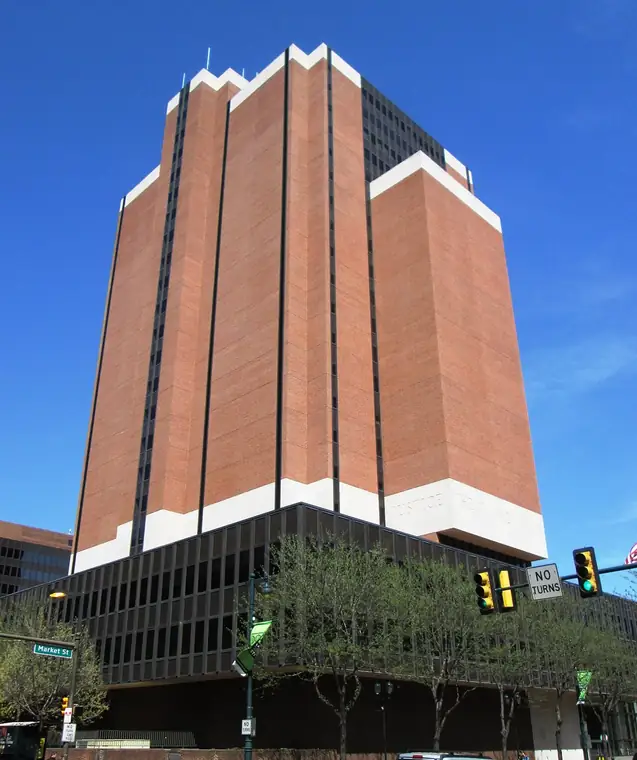
James A. Byrne federal courthouse in Philadelphia · Beyond My Ken / Wikimedia Commons, CC BY-SA 4.0 · Resized for display Image source ↗
Philadelphia, Pennsylvania, United States
The Third Circuit vacated an overbroad injunction against Dan-Dee’s plush animals. Although Care Bears’ overall appearance could be protected, the ruling accepted the finding that their tummy graphics performed a function by conveying emotion; it required greater precision before restricting competitors’ use of those features.
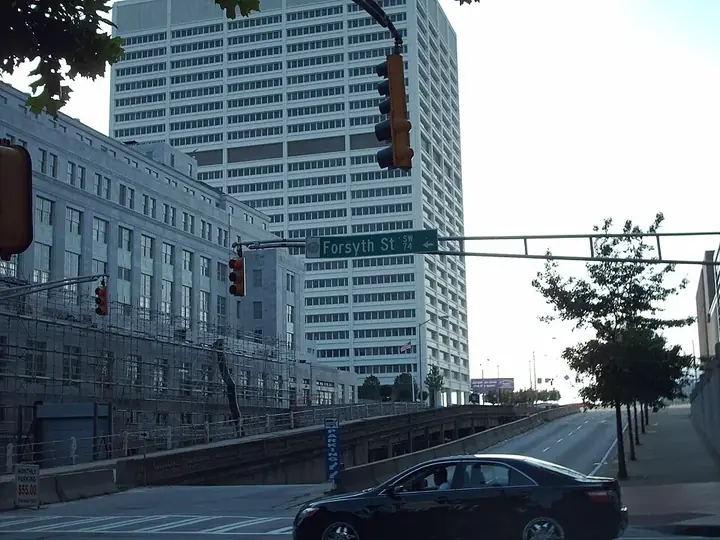
The Richard B. Russell Federal Building and courthouse in Atlanta · User:DukeArcTerex · Resized for display Image source ↗
Atlanta, Georgia, United States
A Georgia federal court found Original Appalachian Artworks likely to succeed against Topps’ Garbage Pail Kids trading cards and authorized a preliminary injunction. The decision examined the copied visual appearance of Cabbage Patch Kids, parody arguments and possible trademark confusion; it was interim relief, not a final damages award.
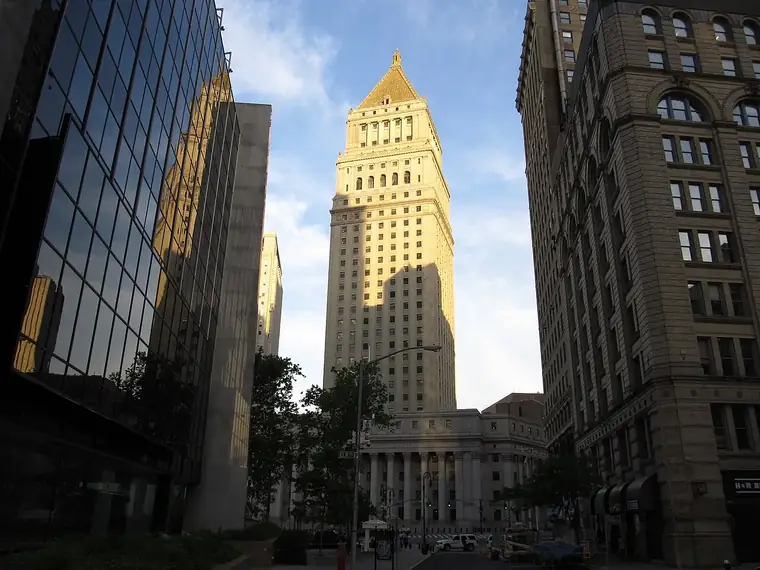
Ken Lund from Reno, Nevada, USA / Wikimedia Commons · Resized for display Image source ↗
New York, United States
Past Pluto claimed that a rival foam novelty hat copied its Crown of Liberty design for the statue’s centennial. After a consolidated hearing and trial, the federal court dismissed the complaint. The dispute examined the limited originality in turning the public-domain monument’s crown into a flat wearable souvenir.
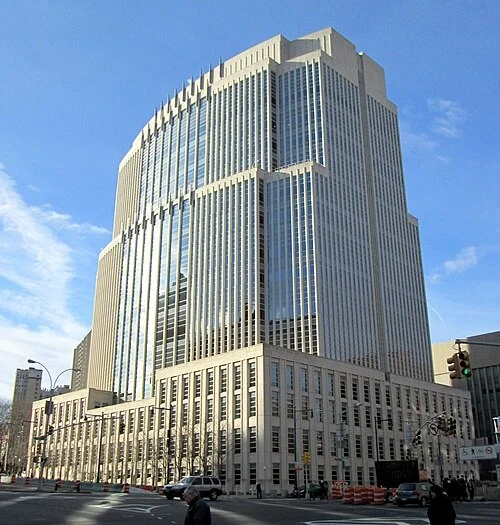
Context photograph of the federal courthouse in Brooklyn, associated with the court system handling this copyright dispute; the disputed designs are not shown. · Beyond My Ken / Wikimedia Commons · Resized for display Image source ↗
New York, United States
Iris Arc accused S.S. Sarna of copying animal figurines assembled from crystal and blown-glass components. In its preliminary-relief analysis, the court found substantial similarity in several birds, a reindeer and a small unicorn, while distinguishing the larger unicorn. The case shows why common materials can still form an original sculptural composition.
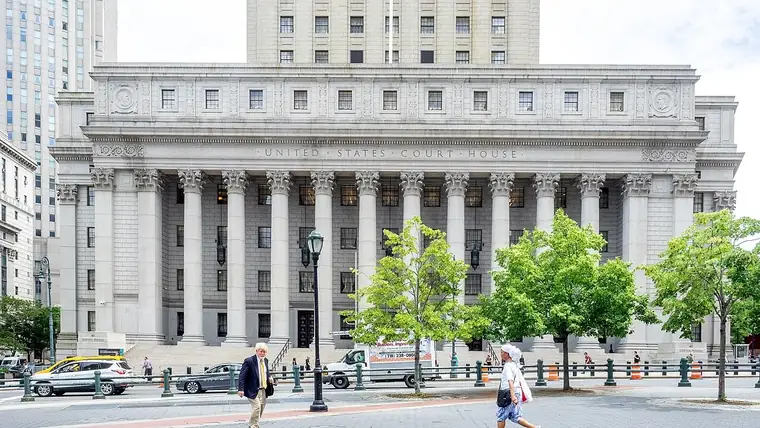
Context photograph of Thurgood Marshall United States Courthouse in New York, associated with the court system handling this copyright dispute; the disputed designs are not shown. · Ajay Suresh from New York, NY, USA / Wikimedia Commons · Resized for display Image source ↗
New York, United States
Carol Barnhart claimed copyright in four life-sized torso forms used to display clothing. A divided Second Circuit affirmed that their asserted sculptural qualities were not separable from their display function. The historical decision rejected protection for these particular forms; it did not resolve the copyright status of every mannequin or anatomical sculpture.
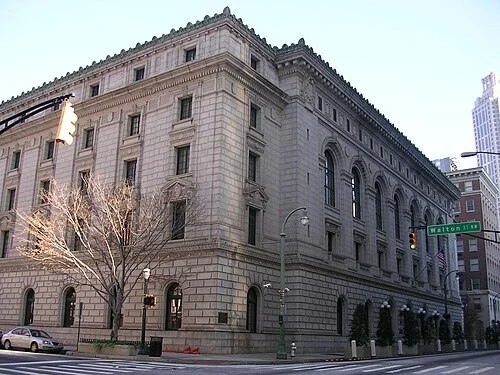
Eoghanacht / Wikimedia Commons · Resized for display Image source ↗
Atlanta, Georgia, United States
Sherry Manufacturing sued Towel King over a printed beach scene with palm trees, sea and a sailboat. The Eleventh Circuit reversed the judgment for Sherry because its revised artwork differed too little from its earlier public-domain design. Evidence of copying did not cure the absence of sufficient new originality.
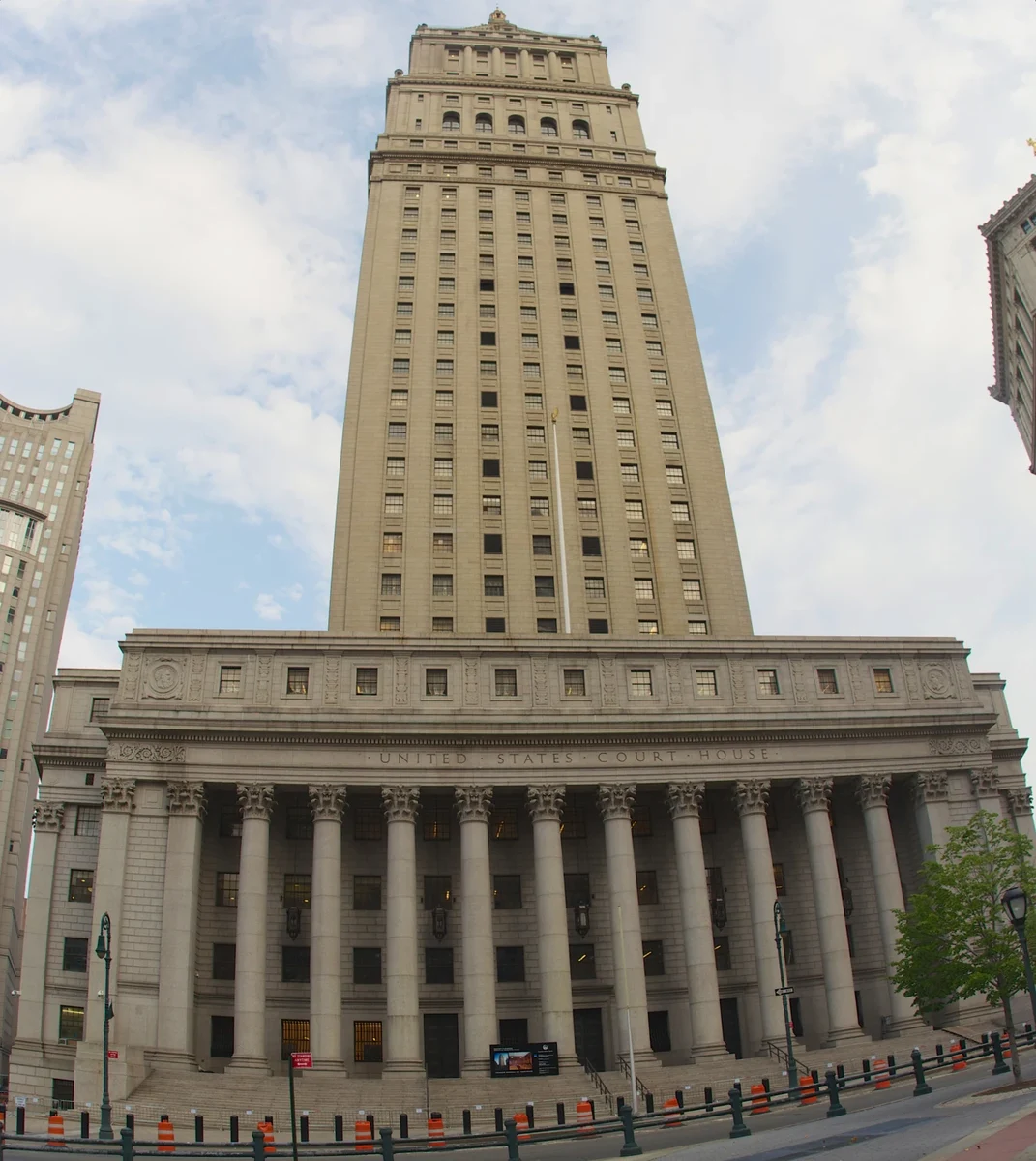
Context photograph of Thurgood Marshall United States Courthouse in New York, associated with the court system handling this copyright dispute; the disputed designs are not shown. · Mike Peel (www.mikepeel.net) / Wikimedia Commons · Resized for display Image source ↗
New York, United States
Kenbrooke’s pattern 1123 and Holland’s pattern 494 placed floral borders along both edges of a textile. The federal court found willful infringement despite small differences in flower details. It prohibited further copying and awarded statutory damages and legal fees. The ruling assessed the overall composition rather than treating every floral motif as privately owned.
Sam Wheeler / Wikimedia Commons · Resized for display Image source ↗
California, United States
Gregory Poe objected to an album-cover use of Aquatint No. 5, a flexible vinyl-and-rock work photographed on a performer. The Ninth Circuit found a genuine factual dispute over whether it was conceptual sculpture or utilitarian clothing. It reversed summary judgment, allowing the claim to proceed without finally declaring infringement.