The grave was opened. Goya’s head was missing.
A celebrated painter’s remains, a second skeleton and a small painting of a skull became entangled in a macabre historical puzzle.
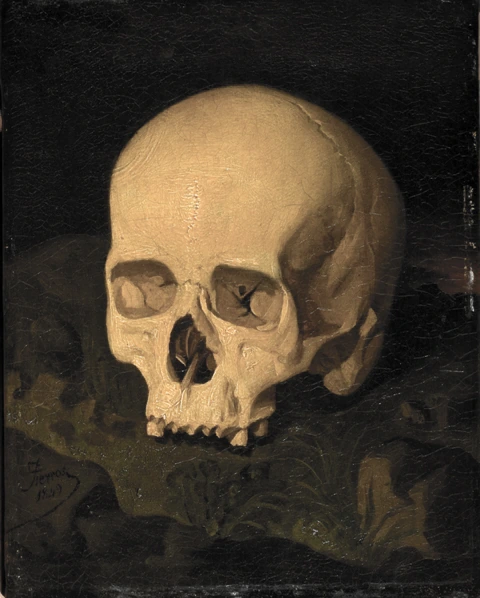
Two bodies, one head
Francisco de Goya died in Bordeaux in 1828 and was buried with his relative by marriage, Martín Miguel de Goicoechea. When the tomb was opened in 1888 in preparation for repatriating the painter’s remains, witnesses described two skeletons but only one skull. The National Gallery of Victoria’s historical account follows the ensuing official uncertainty and delay. The eventual journey back to Spain did not resolve what had happened to the missing head. The material absence was real; the story surrounding it kept expanding. [1]
A painting with an uncertain inscription
Another object seems to promise an answer: Dionisio Fierros’s Vanitas of 1849, now in the Museo de Zaragoza. It depicts a skull, and a later inscription on its stretcher identifies the subject as Goya’s. Aragón’s heritage authority records that inscription as undated. The painting therefore documents a tradition about the skull, rather than demonstrating its identity. A label can preserve an intriguing claim without supplying the evidence needed to connect a painted object with particular human remains. Seeing the picture is therefore an encounter with the history of a claim, not a substitute for identifying the skull itself. [2]
Where the archive ends
Stories have implicated grave robbers, collectors and researchers interested in phrenology. They are explanations proposed after an unexplained disappearance, not an agreed reconstruction. Madrid’s museum publication distinguishes those narratives from the fact that the skull’s whereabouts are unknown. Even the 1899 return of the remains attracted satirical images and newspaper commentary. For this case, the most responsible ending is deliberately incomplete: there is a documented exhumation, a suggestive painting and a body of competing accounts, but no securely established chain linking them to a recovered skull. [1][3]
Missing skull; competing explanations unproven
The cited institutional histories do not establish who removed Goya’s skull or its present whereabouts. The Fierros painting is an alleged depiction, not verified forensic evidence.
Artwork Details & DocumentationIdentification, ownership history and supporting records
Individual artwork identification details have not yet been documented in this record. Missing specifications are not inferred from the photograph or report headline.
Not documented in this record: object type · materials & technique · measurements · inscriptions & markings · distinguishing features · artwork title · maker / attribution · creation date / period · subject.
Record sources
Identification details follow the Object ID categories where documented. Ownership history is recorded separately; this documentation is not an authentication or a certificate of ownership.
Sources & documentation
- National Gallery of Victoria: Goya exhibition catalogue, 2021 ↗
- Government of Aragón: presentation of the Fierros painting ↗
- Madrid City Council: Goya’s tomb at San Antonio de la Florida ↗
An original ArtTraceX feature based on the cited sources, checked 9 November 2026. Legends and hypotheses are distinguished from established facts. Images are identified in their captions.
More mysteries
All stories →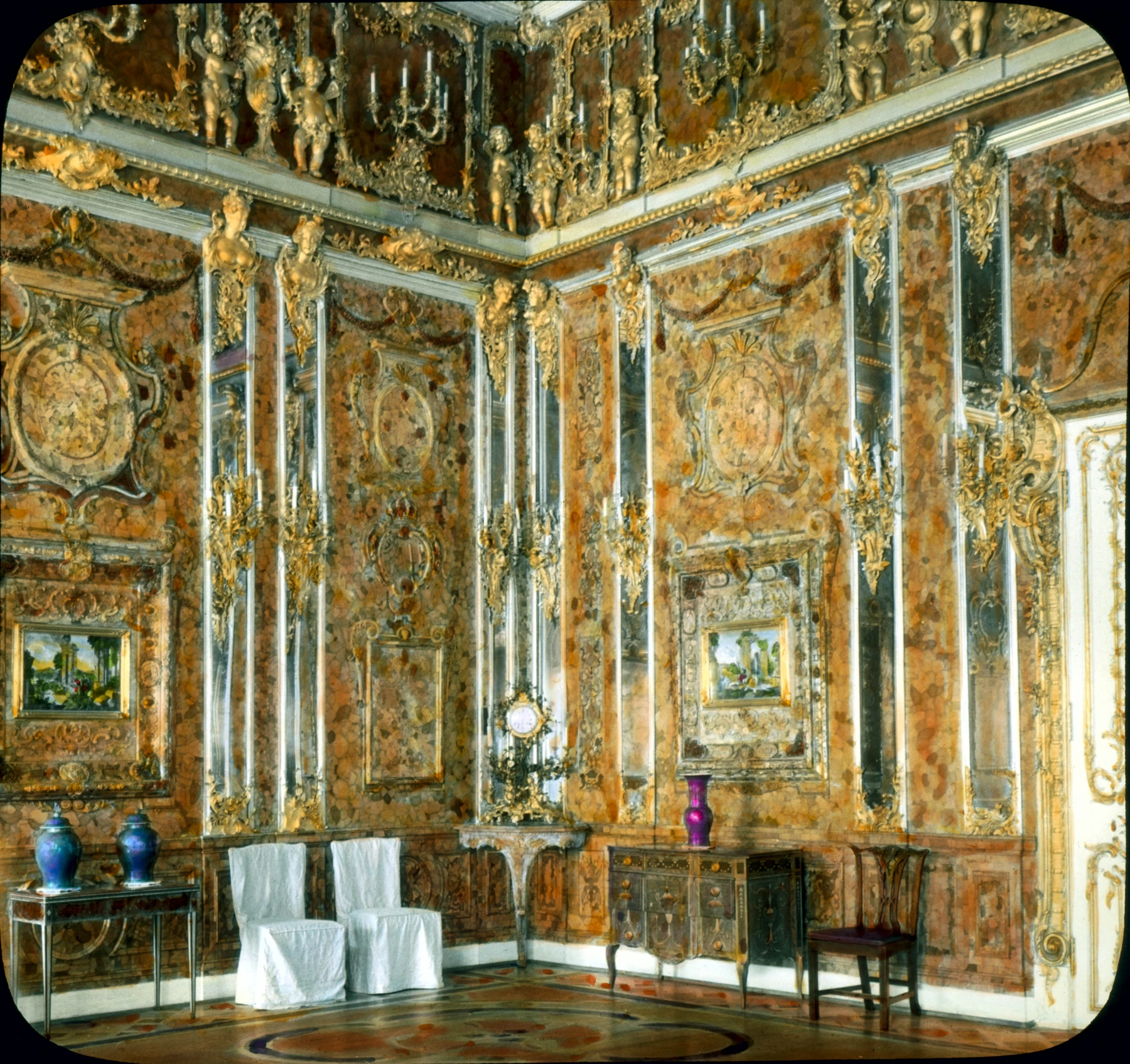
The room that vanished after it was taken apart
Original ensemble missing; some original elements returnedA palace interior disappeared in wartime. The room visitors see today is a reconstruction, not its rediscovery.
Follow the clues ↗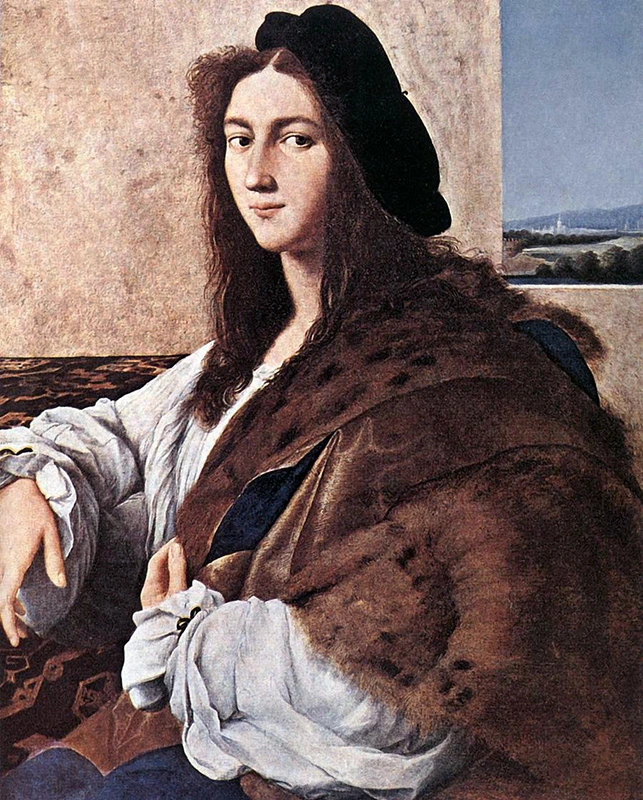
The portrait whose wartime trail ends in silence
Missing since 1945; survival unconfirmedRaphael’s young sitter survives in photographs and copies. The original has not been verifiably recovered.
Follow the clues ↗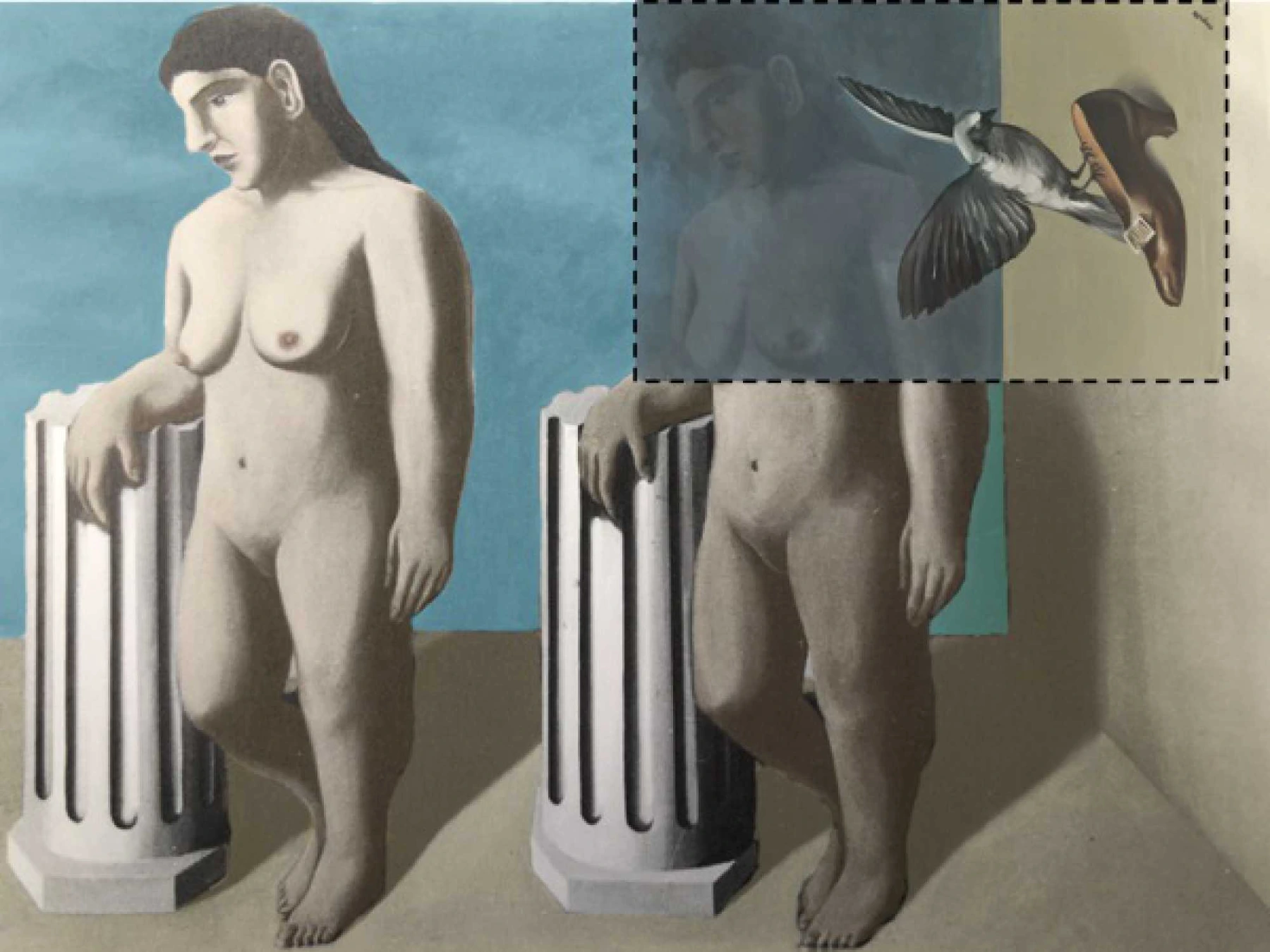
The missing Magritte hidden beneath four other Magrittes
Four quarters identified; composition virtually reconstructedAn X-ray turned a vanished composition into a puzzle spread across four museum collections.
Follow the clues ↗
Three heads rose from the canal. None was Modigliani’s.
Solved hoax; the three heads are not authentic Modigliani worksLivorno went looking for a legend and briefly found the masterpieces it expected to see.
Follow the clues ↗