National Gallery of Art, Washington Image source ↗
Washington, D.C., United States
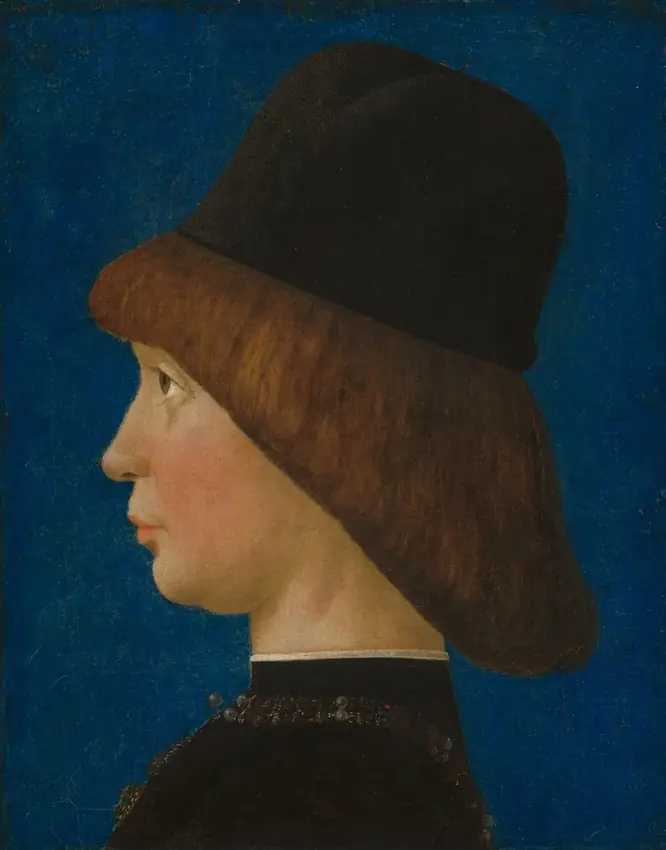
The 2004 review turned the qualified attribution of this portrait of Francesco II Gonzaga into a direct credit to Baldassare d’Este and adjusted the proposed date to about 1474–1480.
Courtesy National Gallery of Art, Washington Image source ↗
Washington, DC, United States
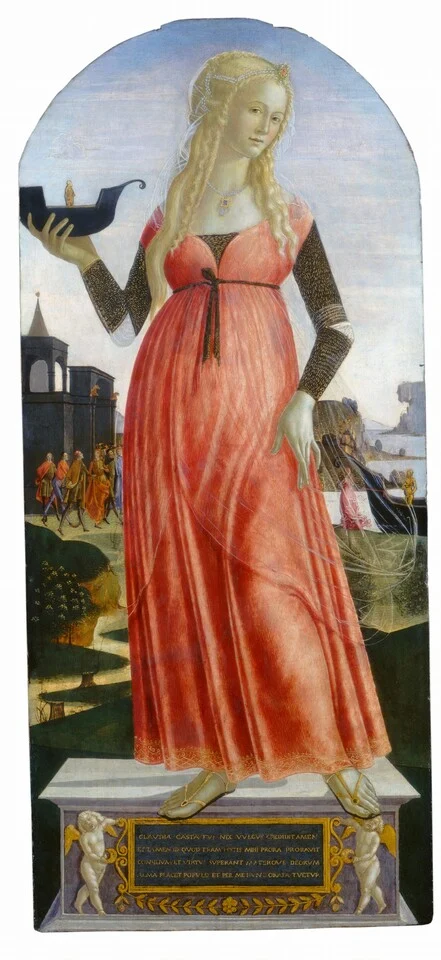
The gallery’s 2004 review assigned Claudia Quinta to Neroccio de’ Landi instead of crediting him jointly with the Master of the Griselda Legend.
National Gallery of Art, Washington Image source ↗
Washington, D.C., United States
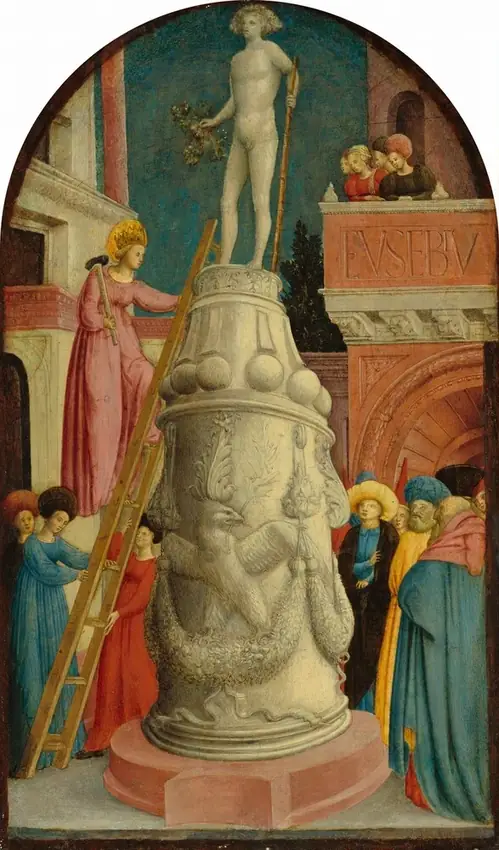
The gallery moved the painting from Antonio Vivarini to Giovanni d’Alemagna and revised its date to around 1440–1445.
National Gallery of Art, Washington Image source ↗
Washington, D.C., United States
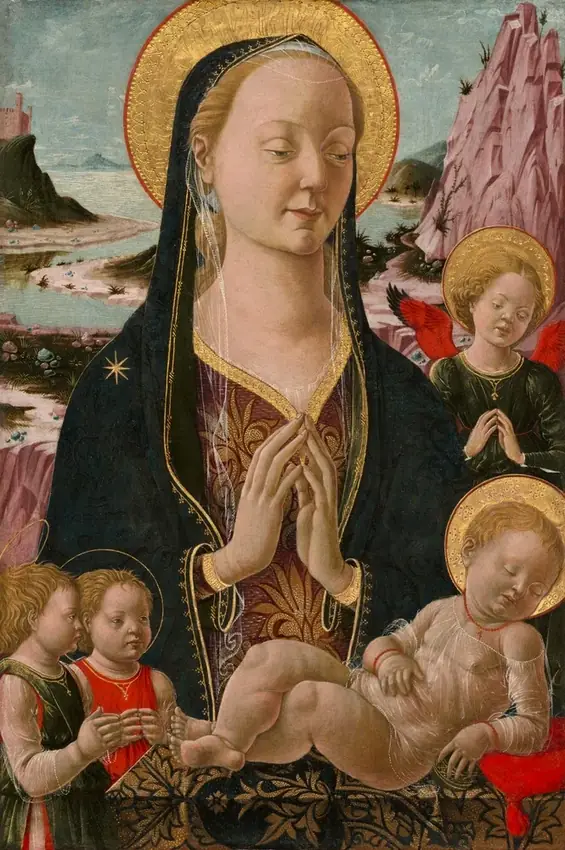
The 2004 review moved Madonna and Child with Angels from an attribution to Francesco del Cossa to the fifteenth-century Ferrarese school, dated around 1455–1470.
National Gallery of Art, Washington Image source ↗
Washington, D.C., United States
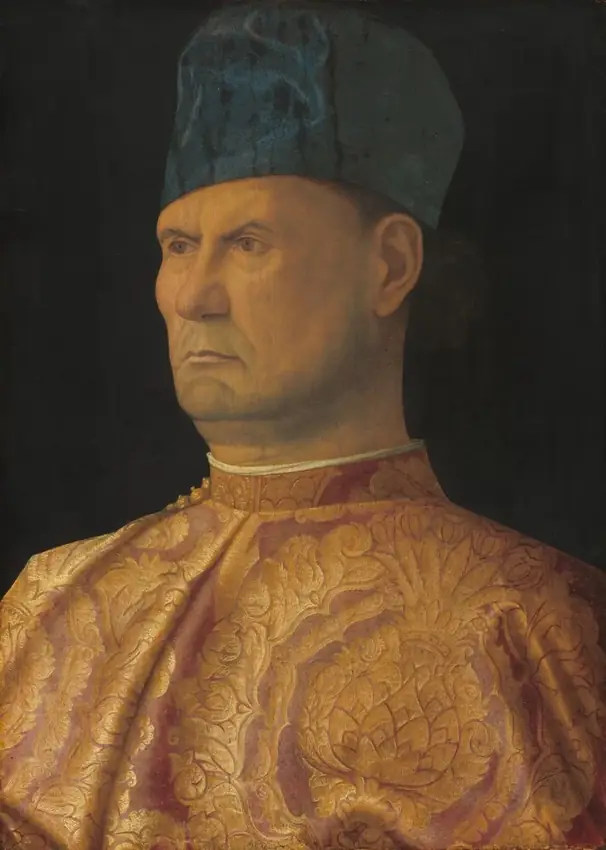
The 2004 review changed the designation of the portrait Giovanni Emo from a direct Giovanni Bellini credit to an attribution to the artist.
National Gallery of Art, Washington Image source ↗
Washington, D.C., United States
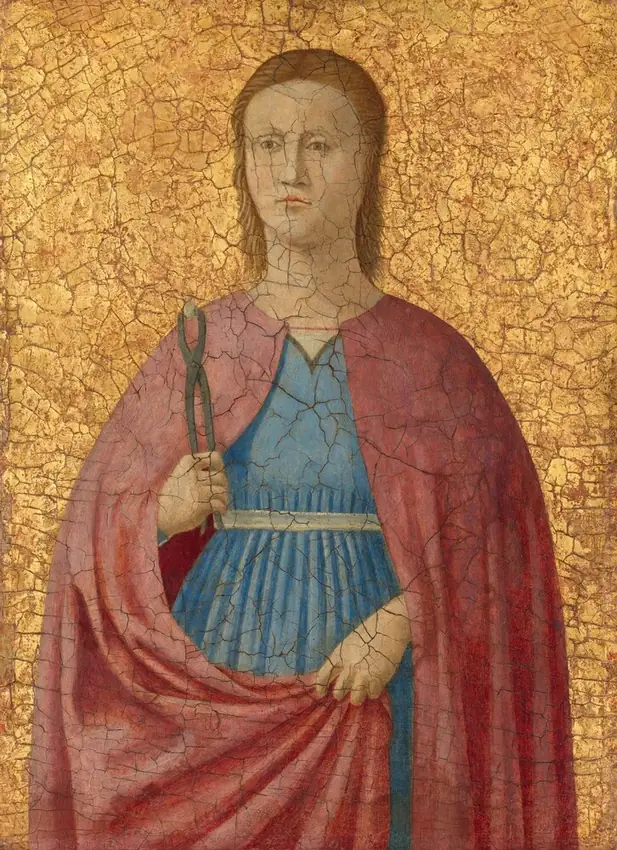
The National Gallery moved the painting from the workshop of Piero della Francesca to a qualified attribution to Piero himself and dated it around 1455–1460.
National Gallery of Art, Washington Image source ↗
Washington, D.C., United States
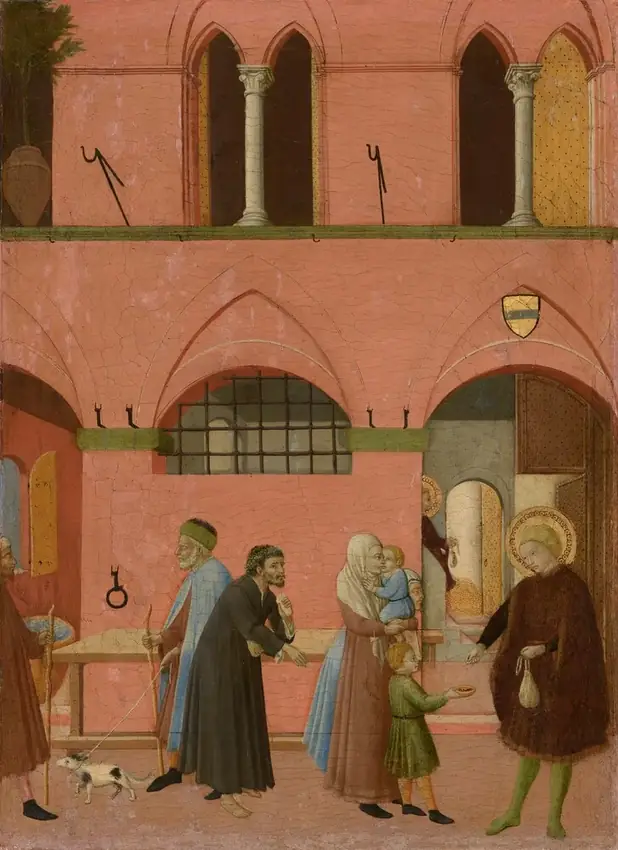
Saint Anthony Distributing His Wealth to the Poor had been credited to Sassetta and his workshop. The gallery changed the attribution to the Master of the Osservanza, possibly Sano di Pietro, in its 2004 review.
National Gallery of Art, Washington Image source ↗
Washington, D.C., United States
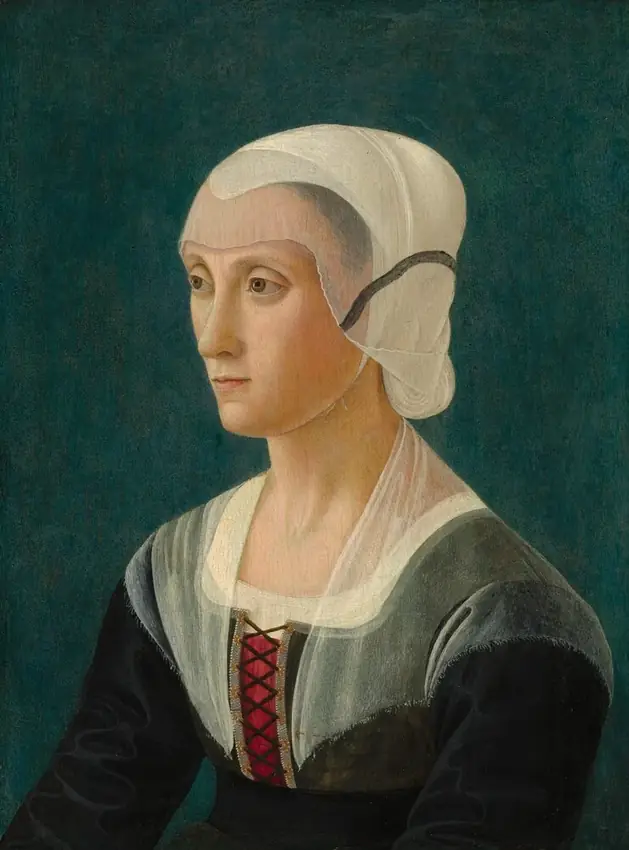
The fiscal 2004 review replaced the direct attribution to Domenico Ghirlandaio with a qualified attribution to him and dated the portrait around 1475.
National Gallery of Art, Washington Image source ↗
Washington, D.C., United States
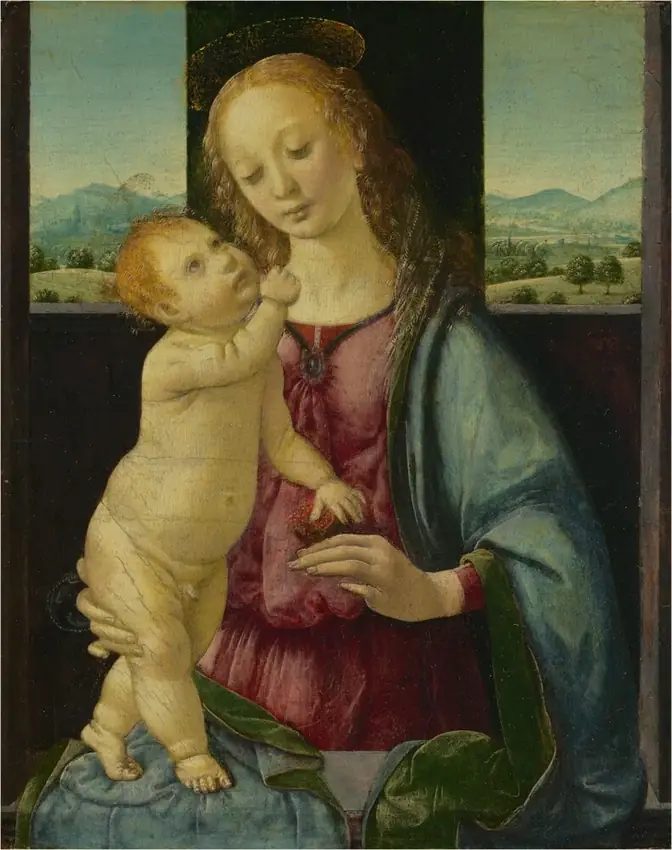
Once catalogued as a product of Verrocchio’s workshop with Leonardo da Vinci named as a possibility, the panel was credited to Lorenzo di Credi in the 2004 review.
National Gallery of Art, Washington Image source ↗
Washington, D.C., United States
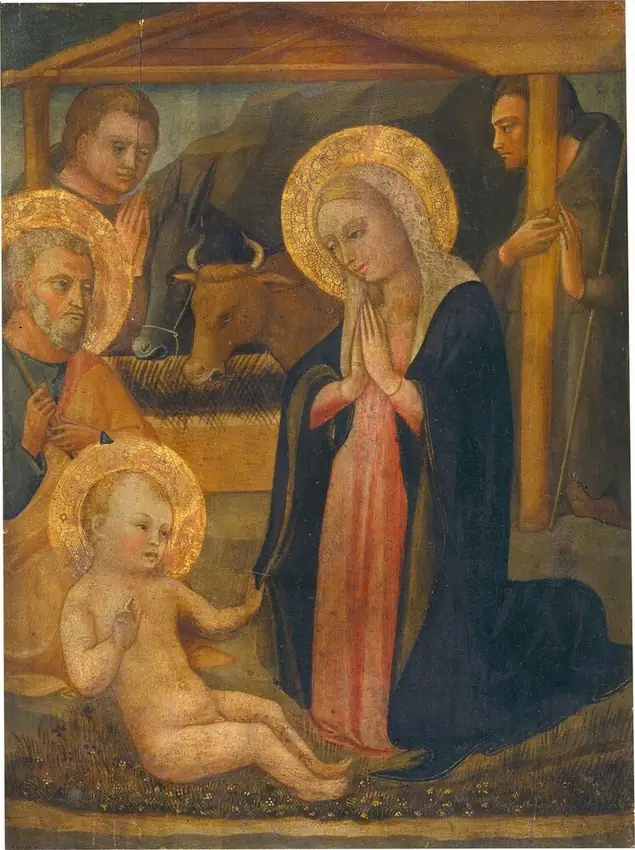
The gallery narrowed the work’s fifteenth-century Florentine attribution to a named workshop, changed its title from The Adoration of the Shepherds and dated it about 1440–1445.
National Gallery of Art, Washington Image source ↗
Washington, D.C., United States
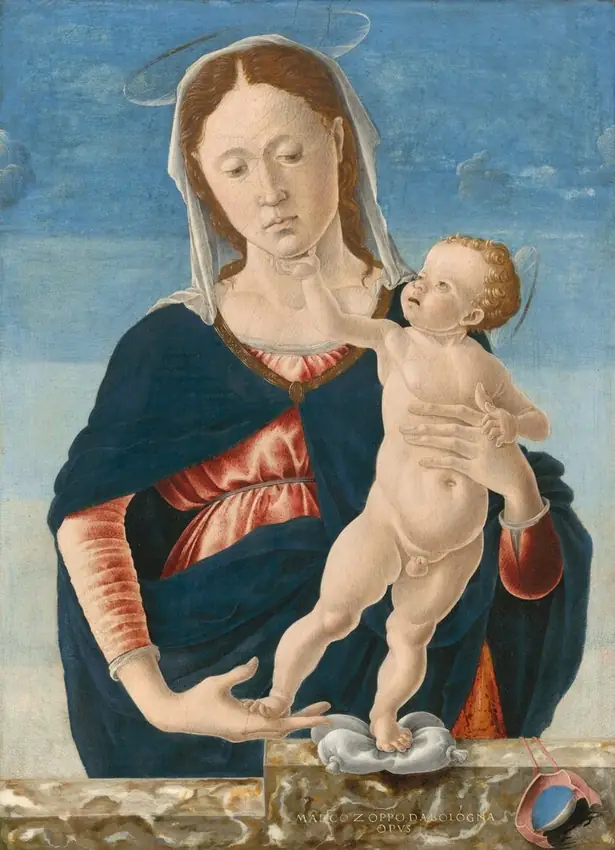
The museum changed the formerly direct attribution to Marco Zoppo to allow for an imitator, and recorded a revised dating of around 1467–1468.
Courtesy National Gallery of Art, Washington Image source ↗
Washington, DC, United States
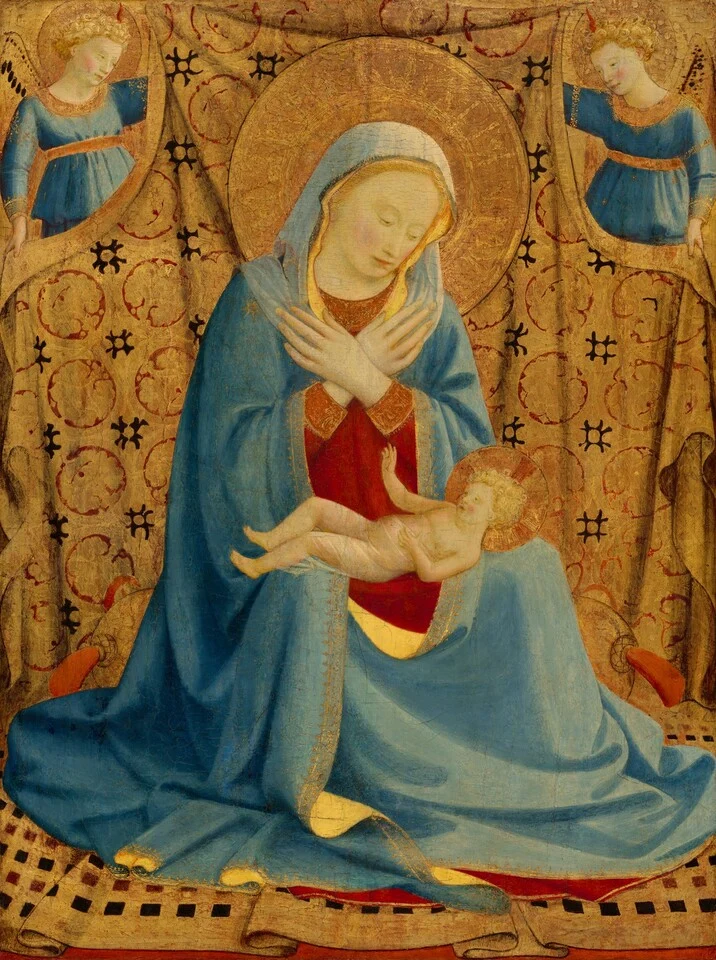
The National Gallery of Art’s fiscal 2004 review attributed a tempera panel formerly assigned to Fra Angelico’s workshop to the painter himself. It dated the panel to around 1430.
National Gallery of Art, Washington Image source ↗
Washington, D.C., United States
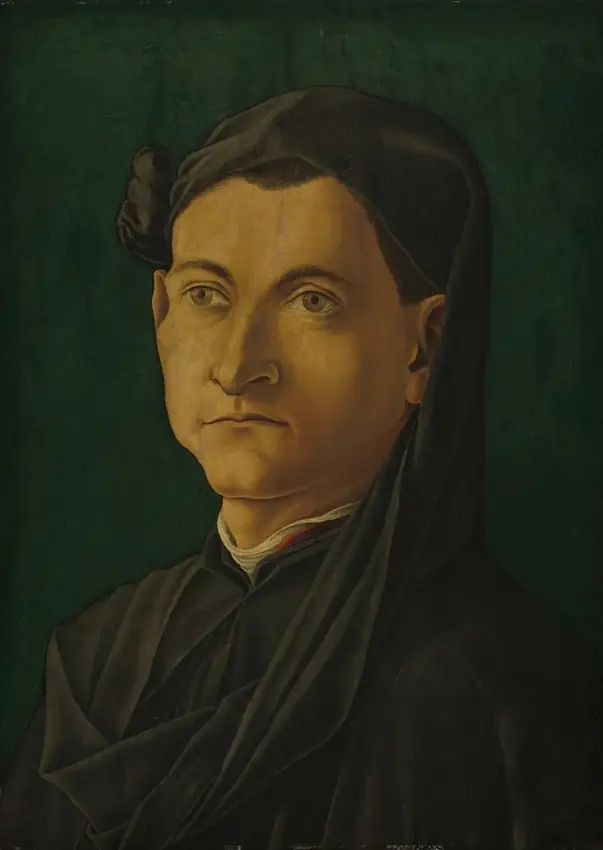
The 2004 review replaced an attribution to Cosmè Tura with a regional credit to the fifteenth-century North Italian school.
Courtesy National Gallery of Art, Washington Image source ↗
Washington, DC, United States
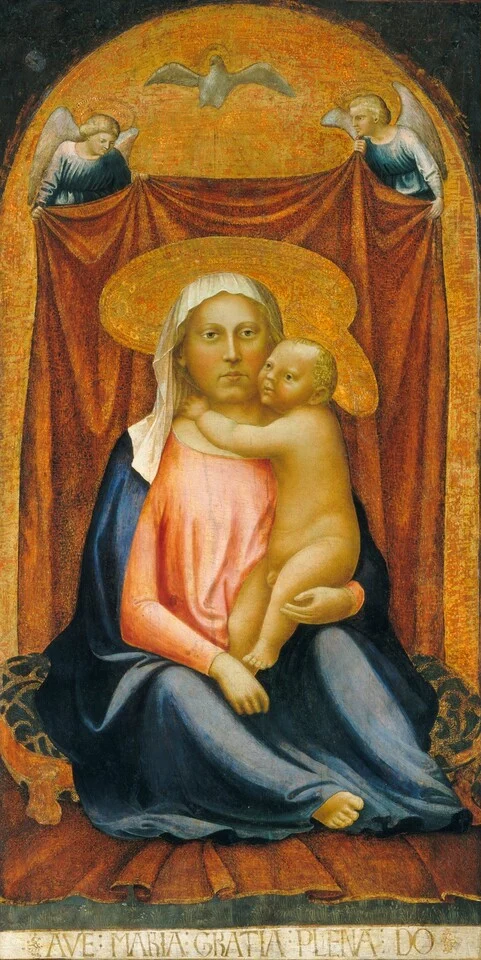
In its 2004 review, the gallery confirmed Masaccio as the painter of The Madonna of Humility. It assigned the panel, previously undated in its records, to about 1423–1424.
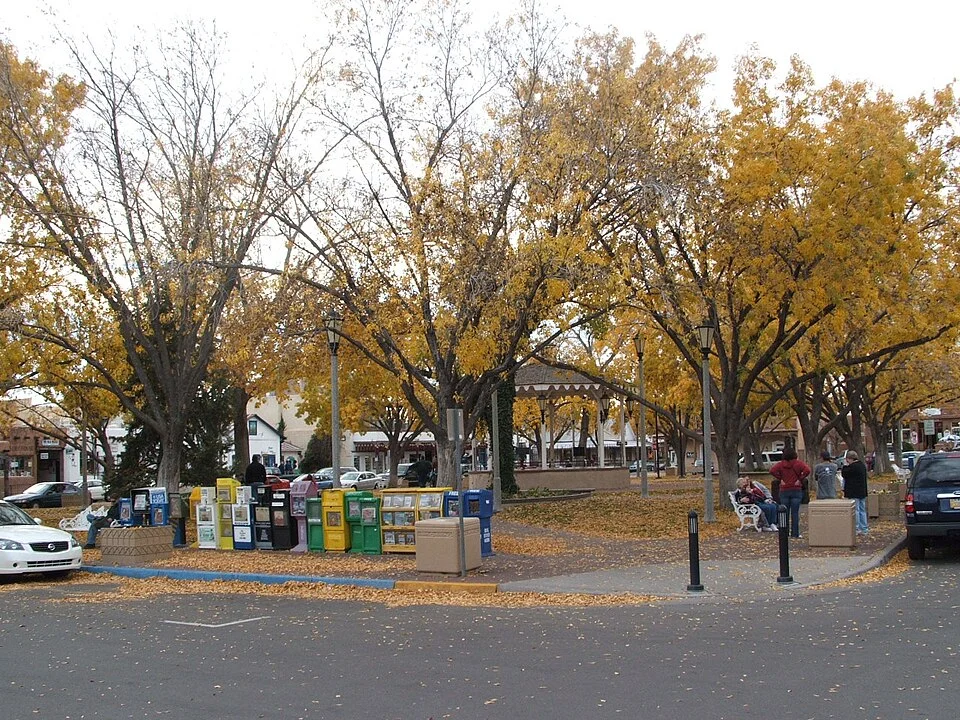
Photo: User:PerryPlanet. Image source ↗
Albuquerque, New Mexico, United States
Eight Native American nations received ceremonial and religious objects recovered during an investigation into illicit sales through a Santa Fe gallery.
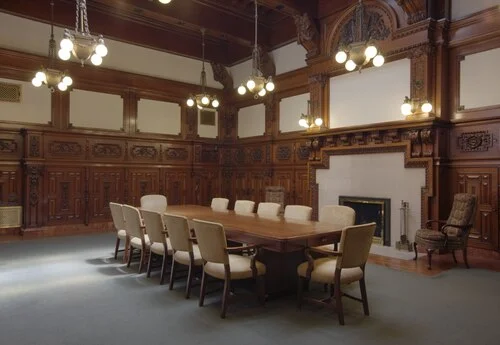
Photo: Carol M. Highsmith. Image source ↗
United States
The Ninth Circuit concluded that Forsythe’s staged photographs commenting on the Barbie doll were protected by fair use in the copyright dispute.
Courtesy National Gallery of Art, Washington Image source ↗
Washington, DC, United States
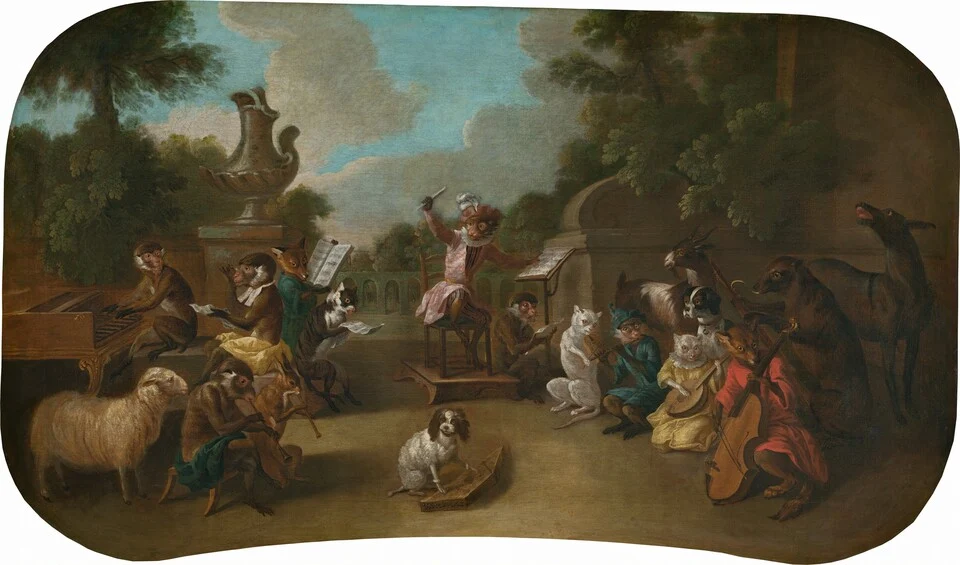
Six decorative panels depicting monkeys engaged in human pursuits were previously catalogued as anonymous French works. The 2003 review attributed the cycle to Christophe Huet and dated it to about 1739.
National Gallery of Art, Washington Image source ↗
Washington, D.C., United States
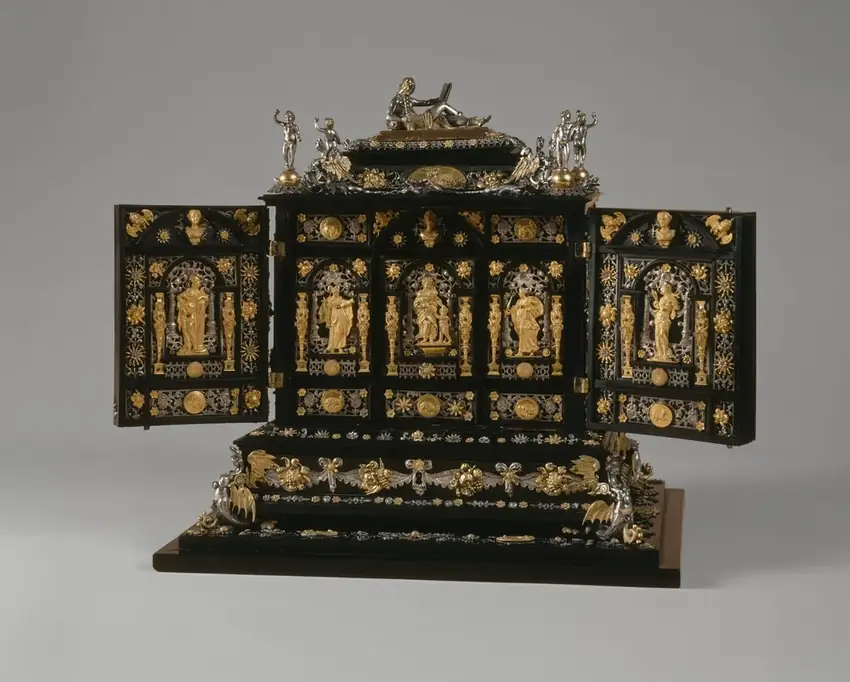
The review replaced the direct attribution to Boas Ulrich with a qualified attribution and recognized later elements alongside the original work of about 1595–1600.
Appaloosa Image source ↗
Leipzig, Germany; Jacksonville, United States
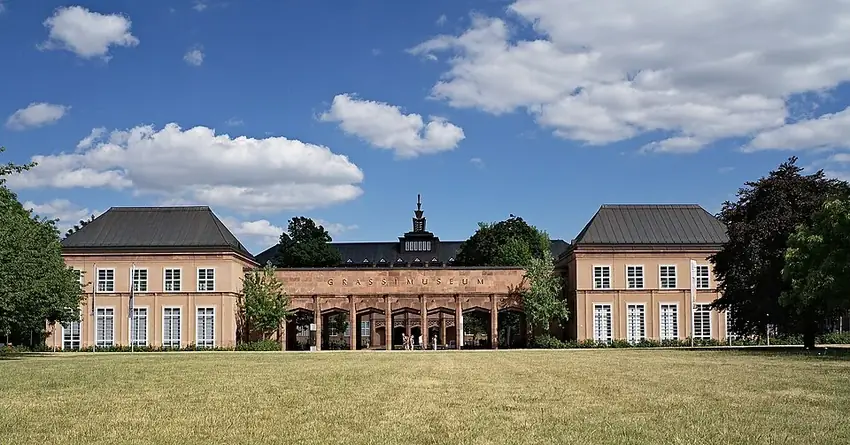
The Augustus Rex vase, made by Meissen around 1730, disappeared after it was placed in wartime storage. The Cummer Museum acquired it as a gift and returned it to Leipzig’s Grassi Museum after being alerted to its provenance.
Kenneth C. Zirkel Image source ↗
Princeton, United States; Italy
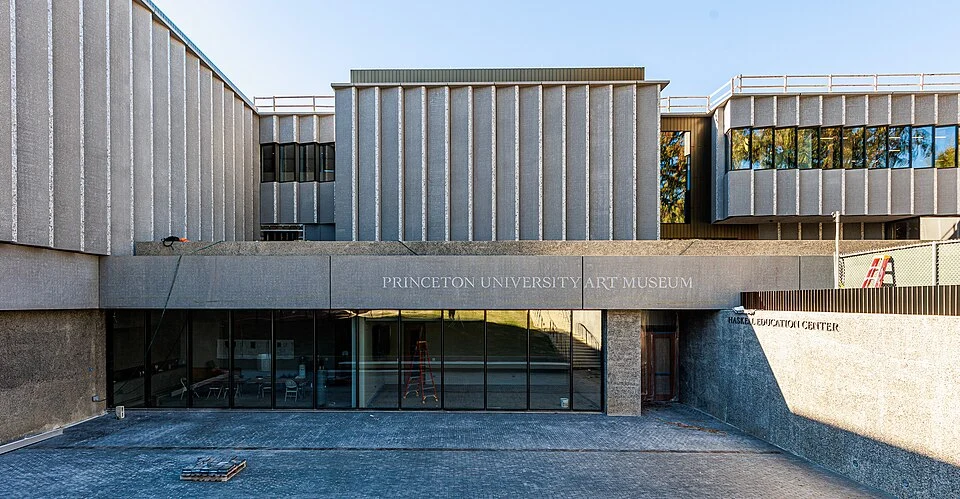
Museum research linked the marble relief of Aphthonetus to Italian records. Princeton contacted Italy and arranged to return the piece after documentation established that it had left the country without an export permit.
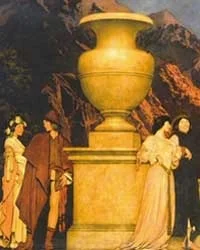
Photo: Maxfield Parrish; FBI Art Crime Team identification photograph. Image source ↗
West Hollywood, California, United States
The FBI records that two panels from a series commissioned for Gertrude Vanderbilt Whitney were stolen from a gallery in West Hollywood.