Dorian Bianco / Wikimedia Commons · Resized for display Image source ↗
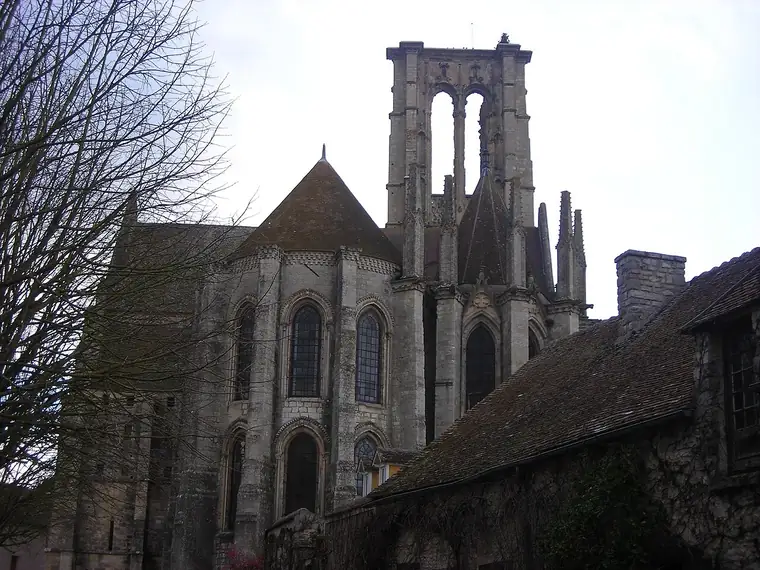
Larchant, France
France’s protected-object registry records the theft of a Pietà and statues of Saint Vincent and Saint Nicholas from the parish church in Larchant in 1982. The fifteenth-century religious sculptures remains marked as stolen in the current Palissy notice.
Context photograph of the historic site in Senez associated with the theft report; the stolen object is not pictured. · MOSSOT / Wikimedia Commons · Resized for display Image source ↗
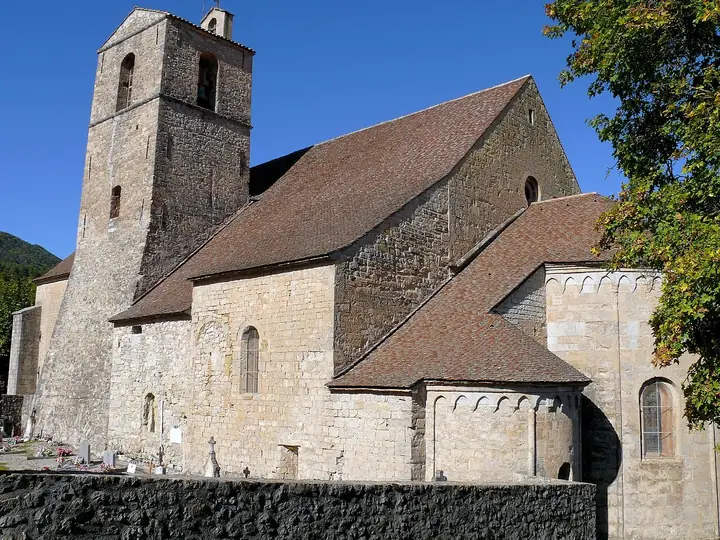
Senez, France
The former cathedral lost two Flemish verdure tapestries and four biblical hangings in August 1982. The Ministry of Culture records 8 August for the biblical scenes of Elijah and the Coronation of Esther, while the verdure notice gives only the month. These official notices document one same-site, same-month theft group; the works remain recorded as stolen.
Context detail: a carved misericord in Saint-Denis church, Coulanges; the stolen Saint Elizabeth statuette is not shown · Jacques CHAZARD / Wikimedia Commons; resized · Resized for display Image source ↗
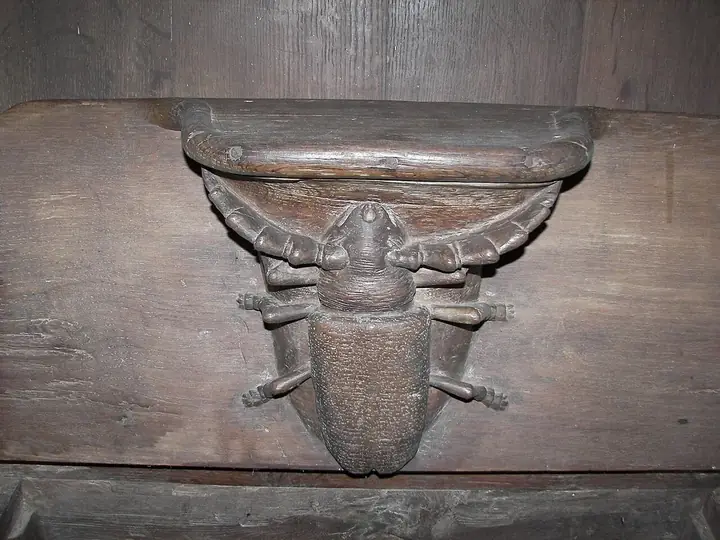
Coulanges, France
A sixteenth-century wooden statuette of Saint Elizabeth of Hungary was stolen in August 1982 from Saint-Denis church. France’s heritage inventory documents the event month and continues to identify the protected sculpture as stolen.
Église Saint-Jacques in Saint-Jacques-des-Guérets, France. Site photograph. · Zairon Image source ↗
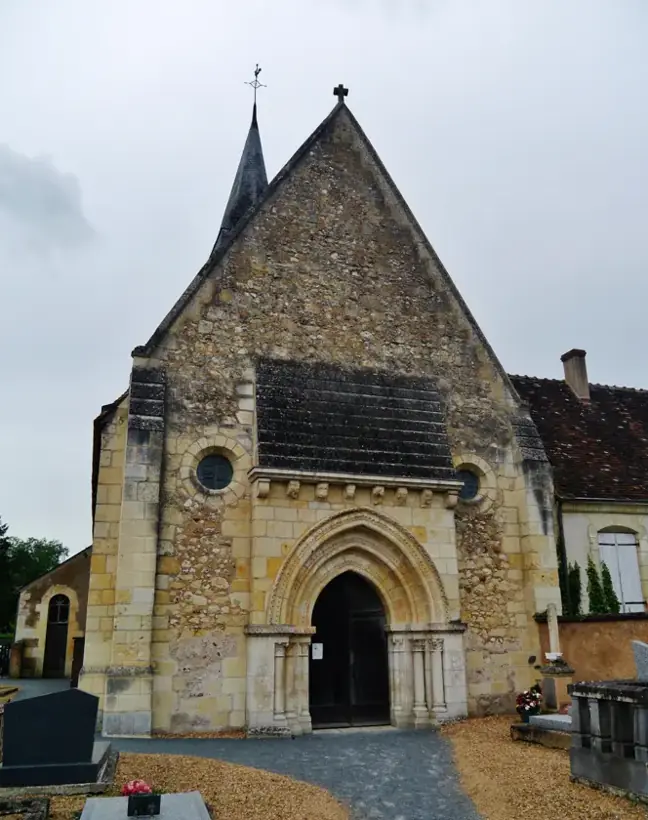
Saint-Jacques-des-Guérets, France
The national heritage inventory dates the removal of the saint’s sculpture to 12 July. The heritage register documents this theft in the entry for église Saint-Jacques (PM41000445). The cited entry gives no subsequent recovery.
Bjs / Wikimedia Commons · Resized for display Image source ↗
Arles, France
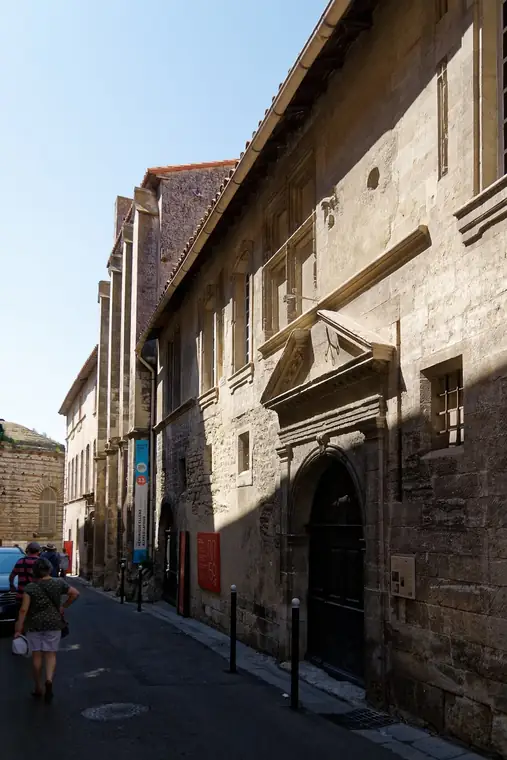
Five sixteenth-century tapestries from the Seven Wonders of the Ancient World series were stolen from Arles’s Musée Réattu on 26 April 1982. Four were eventually recovered. The official inventory continues to identify the Hanging Gardens of Babylon tapestry as missing, so the recovery remains incomplete.
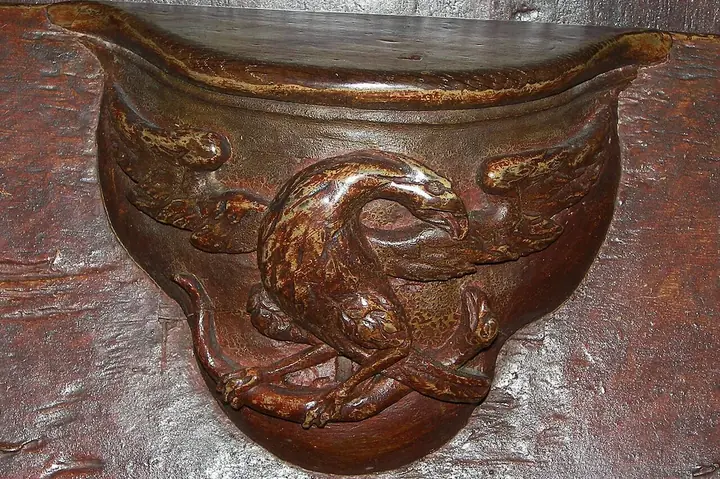
Context detail: carved choir-stall decoration in the church of Le Neubourg; the stolen altar statuettes are not shown · Jacques CHAZARD / Wikimedia Commons; resized · Resized for display Image source ↗
Le Neubourg, France
Three small sculptures were stolen in March 1982 from the high-altar retable and tabernacle. The ensemble, made from gilded carved wood and marble in the mid-seventeenth century, remains recorded as partially stolen in the national heritage inventory.
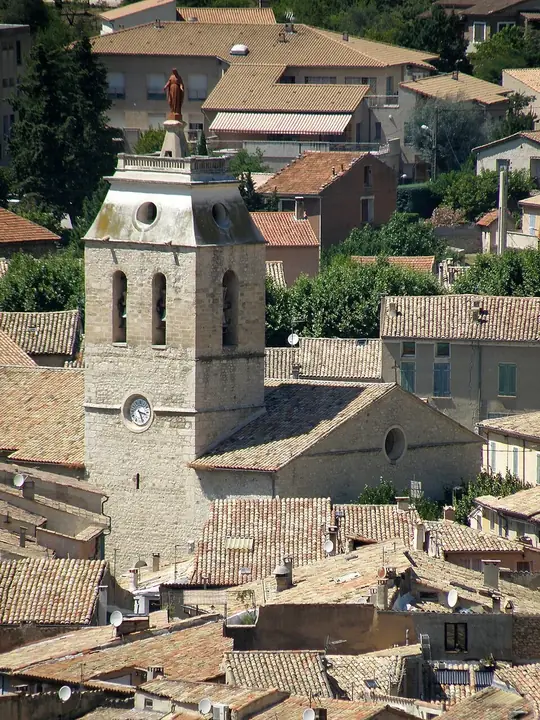
Context photograph of Notre-Dame de Nazareth church in Buis-les-Baronnies · Torsade de Pointes / Wikimedia Commons; resized · Resized for display Image source ↗
Buis-les-Baronnies, France
An eighteenth-century canvas depicting Saint Thomas Aquinas was stolen from the church in February 1982. The national inventory records the painting and its carved wooden frame together, and continues to flag the painting as stolen.
GO69 / Wikimedia Commons · Resized for display Image source ↗
Pessan, France
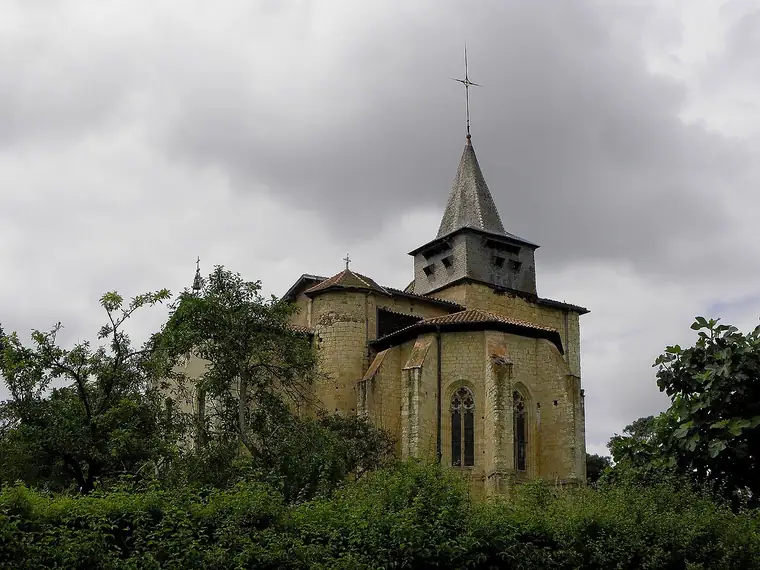
France’s protected-object registry records a February 1982 report of the theft of a Mary Magdalene painting from the parish church in Pessan. The eighteenth-century religious painting remains marked as stolen in the current Palissy notice.
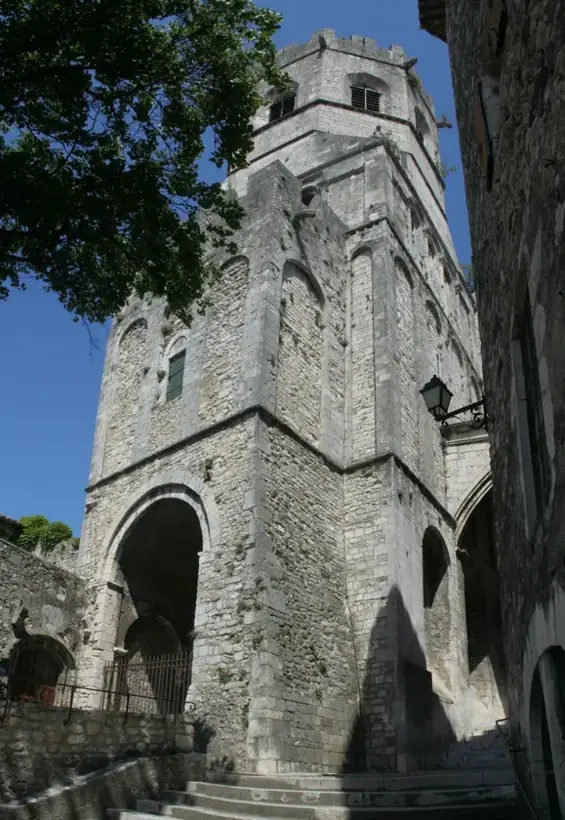
Cathédrale Saint-Vincent in Viviers, France. Site photograph. · Coyau
Image source ↗
Viviers, France
Two panels taken in 1974 were recovered and restored. The Last Supper remained listed as sought. The inventory tracks the objects individually in the entry for cathédrale Saint-Vincent (PM07000350).
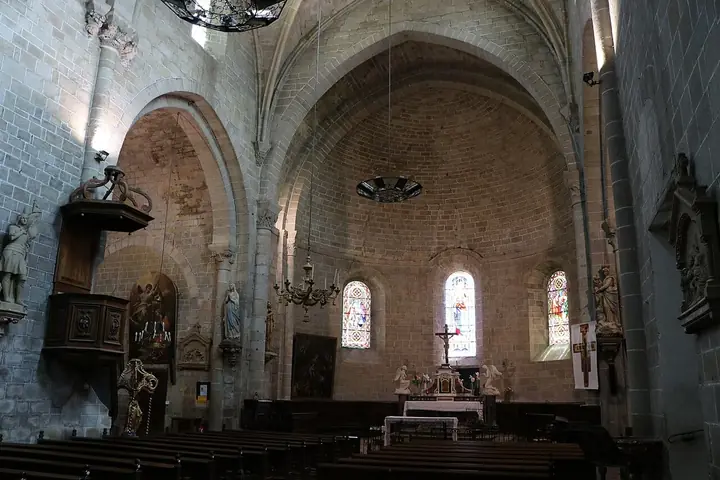
Context photograph of the church in Saint-Hilaire; the stolen artwork is not shown · Cantepien / Wikimedia Commons; resized · Resized for display Image source ↗
Saint-Hilaire, France
Four of a six-piece set of seventeenth-century bronze candlesticks were stolen in 1982. The 1983 inventory check documented the loss; the national heritage record continues to flag the ensemble as partially stolen.
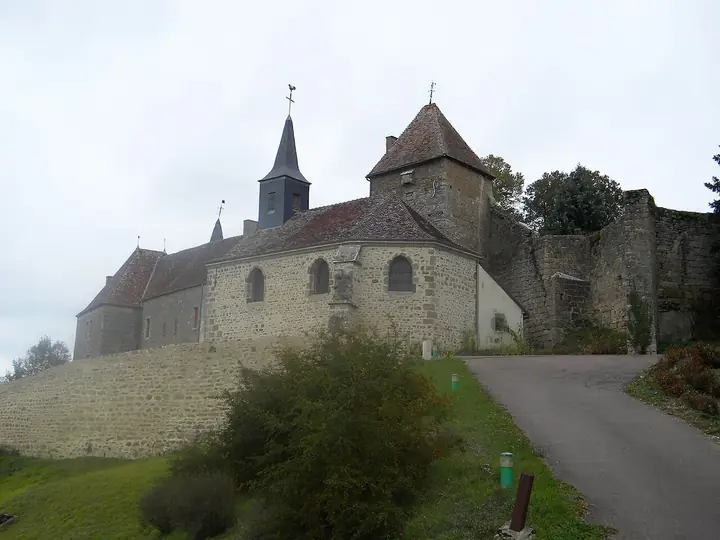
Context photograph of the church in Jours-en-Vaux (Val-Mont); the stolen artwork is not shown · Bildoj / Wikimedia Commons; resized · Resized for display Image source ↗
Jours-en-Vaux (Val-Mont), France
A painted wooden Saint Roch was stolen in 1982 from the church of the Assumption at Jours-en-Vaux, now part of Val-Mont. The inventory dates the protected figure to the sixteenth or seventeenth century and still lists it as stolen.
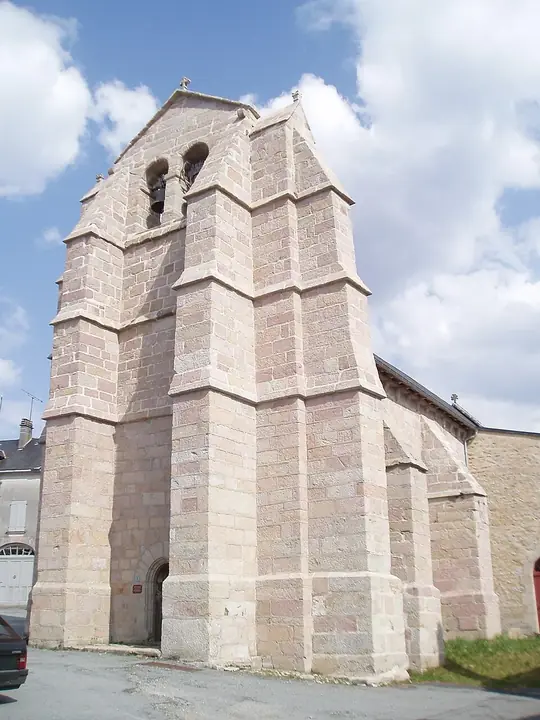
Context photograph of the church in Faux-la-Montagne; the stolen artwork is not shown · Aubussonais / Wikimedia Commons; resized · Resized for display Image source ↗
Faux-la-Montagne, France
A small carved Saint Roch disappeared between 1981 and 1982 from the seventeenth-century altar ensemble. This is the earlier theft identified in the inventory, distinct from the removal of other figures and altar ornaments in August 1992.
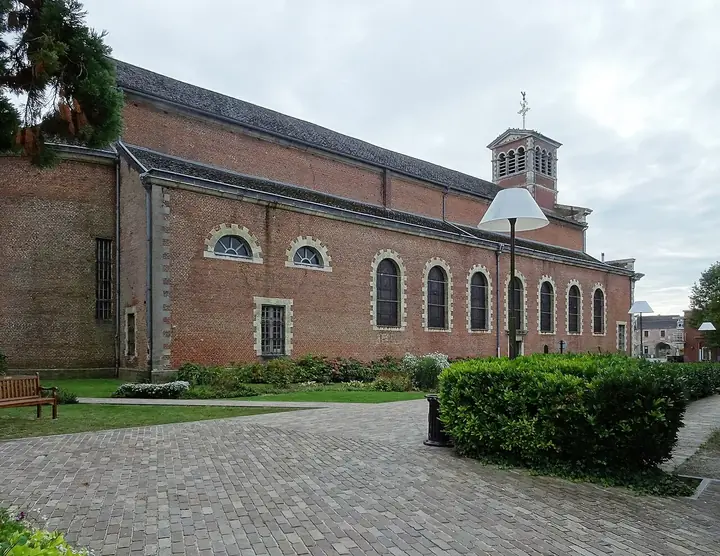
Context photograph of the church in Le Quesnoy; the stolen artwork is not shown · Pierre André Leclercq / Wikimedia Commons; resized · Resized for display Image source ↗
Le Quesnoy, France
A painted stone Christ in Bonds, dated to the transition from the fifteenth to sixteenth century, was stolen in 1982 from Notre-Dame church. The Ministry of Culture’s record continues to identify the protected sculpture as stolen.
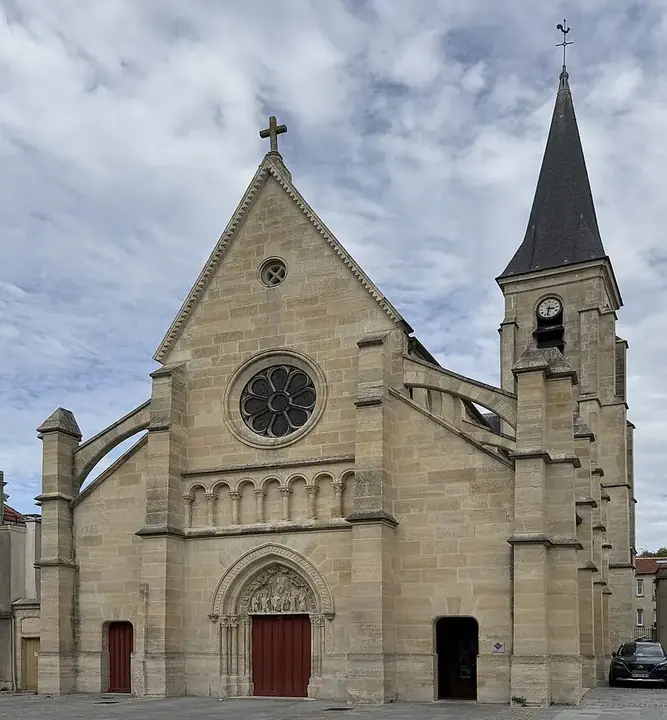
Saint-Hermeland church in Bagneux, Hauts-de-Seine · Chabe01 · Resized for display Image source ↗
Bagneux, France
The head of a seventeenth- or eighteenth-century stone Saint Barbara was stolen in 1982. The statue had formerly occupied a niche on the old farm of Notre-Dame de Paris’s chapter; the record flags the surviving work as partially stolen.
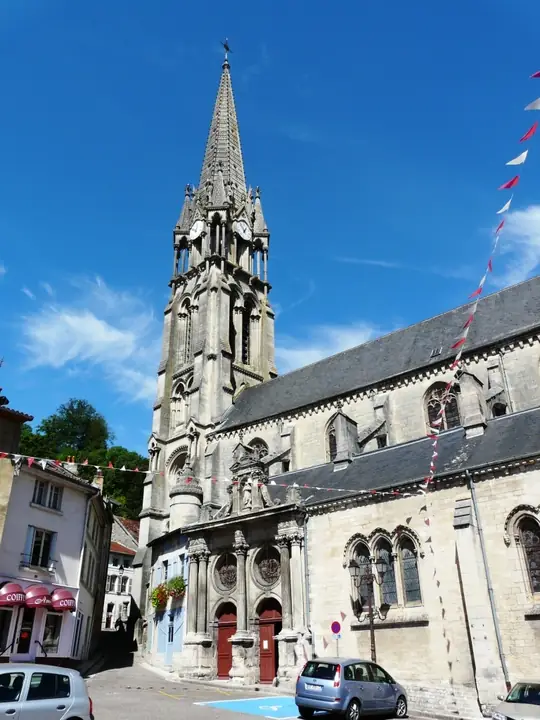
Context photograph of the historic site in Joinville associated with the theft report; the stolen object is not pictured. · Urbanisme.joinville / Wikimedia Commons · Resized for display Image source ↗
Joinville, France
The official French heritage inventory documents the 1981 theft of five fifteenth-century high reliefs depicting Christ’s Passion and Resurrection from the parish church in Joinville. Its current dossier continues to record the loss.
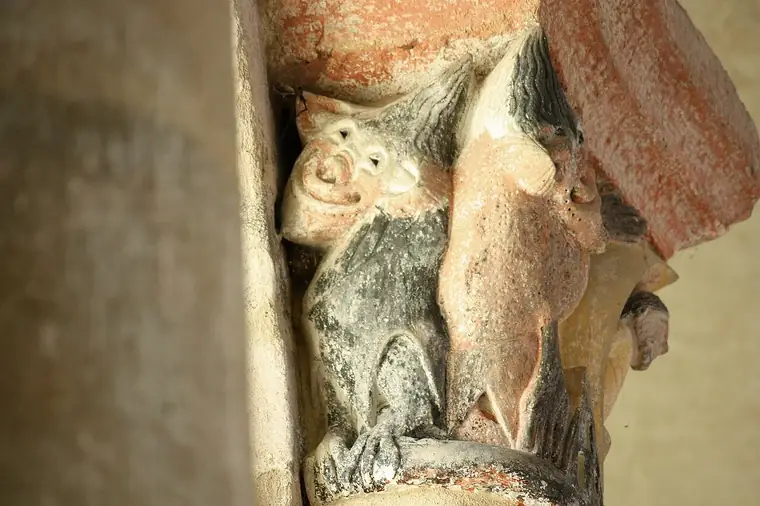
Antoine Garnier / Wikimedia Commons · Resized for display Image source ↗
Vigeois, France
France’s protected-object registry records the theft of a medieval reliquary from the parish church in Vigeois in 1981. The thirteenth-century object in Saint-Pierre-ès-Liens church remains marked as stolen in the current Palissy notice.
Pierre André Leclercq / Wikimedia Commons · Resized for display Image source ↗
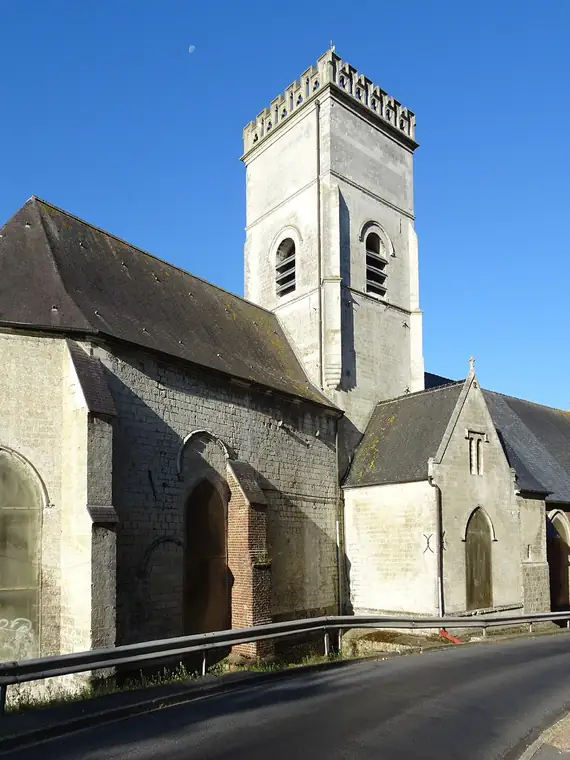
Houdain, France
France’s protected-object registry records the theft of a triptych depicting the Vision of Saint Hubert and two figures from the parish church in Houdain in 1981. The late seventeenth-century painted triptych remains marked as stolen in the current Palissy notice.
Context photograph of the historic site in Estrée-Wamin associated with the theft report; the stolen object is not pictured. · isamiga76 / Wikimedia Commons · Resized for display Image source ↗
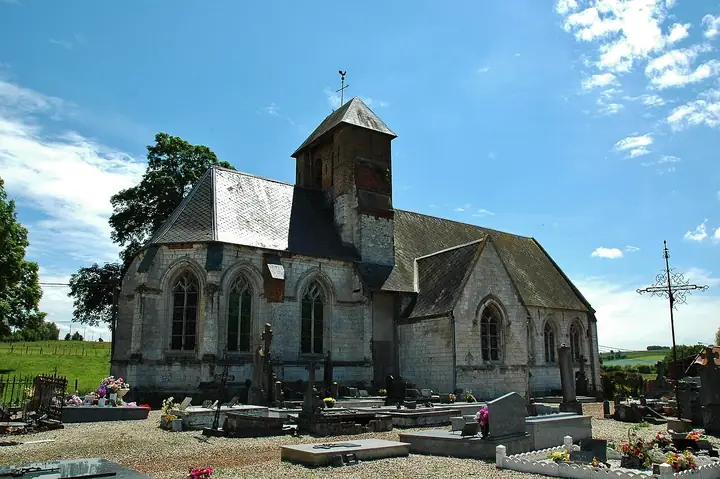
Estrée-Wamin, France
The official French heritage inventory documents the 1981 theft of a probably nineteenth-century sculpture of Saint Vaast with his bear from the parish church in Estrée-Wamin. Its current dossier continues to record the loss.
Église Saint-Ythier in Sully-sur-Loire, France. Site photograph. · François GOGLINS Image source ↗
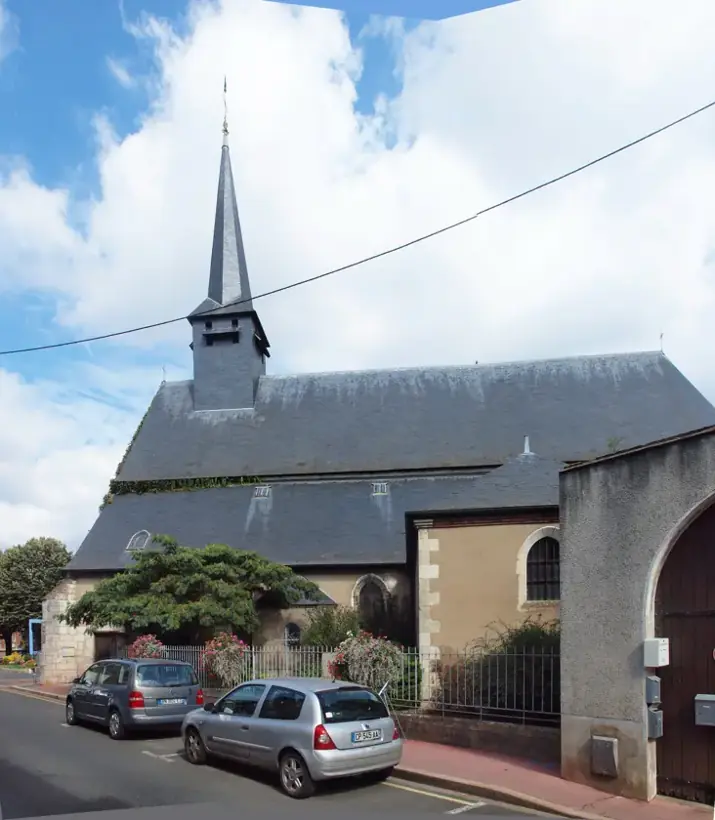
Sully-sur-Loire, France
The statuettes disappeared from Saint-Ythier in early June. The heritage register documents this theft in the entry for église Saint-Ythier (PM45000686). The cited entry gives no subsequent recovery.
Context photograph of the church in Lézignan-Corbières; the stolen artwork is not shown · Tylwyth Eldar / Wikimedia Commons; resized · Resized for display Image source ↗
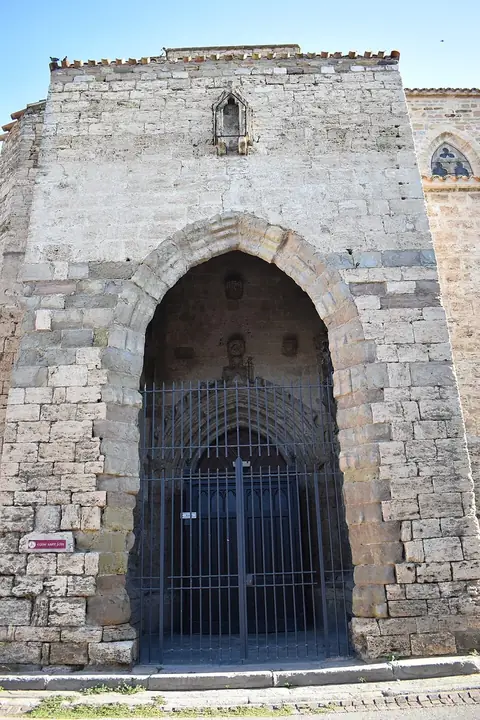
Lézignan-Corbières, France
A fifteenth-century Nativity panel was stolen on the night of 21–22 May 1981. The official record documents its recovery and return in 2025, followed by a five-year deposit at Narbonne’s Palais-Musée des Archevêques beginning on 4 September 2026.
Père Igor / Wikimedia Commons · Resized for display Image source ↗
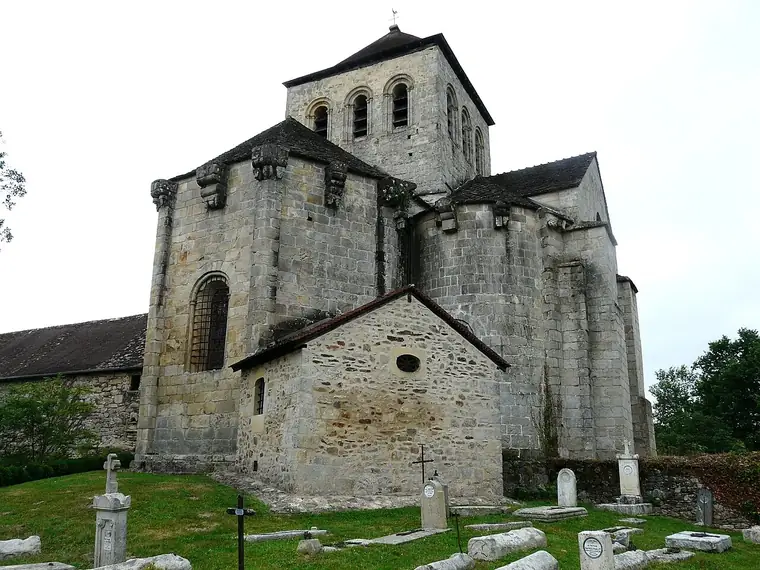
Chalard (Le), France
Saint Geoffroy’s thirteenth-century enamelled reliquary was stolen from Le Chalard in May 1981. Its wooden core was found in water; four of five stolen enamel plaques were recovered in 1984. The Palissy notice still records the Christ plaque as missing, distinguishing the partial recovery from full restitution.