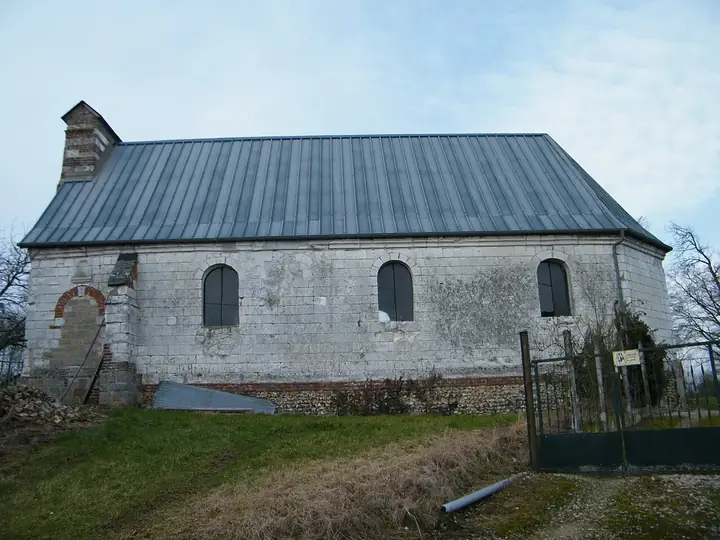
Sainte-Barbe chapel in Hanchy, Coulonvillers · APictche · Resized for display Image source ↗
Coulonvillers, France
The central Resurrection painting of a seventeenth-century altarpiece was stolen from the chapel at Hanchy, Coulonvillers, in 1987. The official inventory distinguishes this loss from the later theft of two accompanying statues in 1999. This record concerns only the canvas taken in 1987.
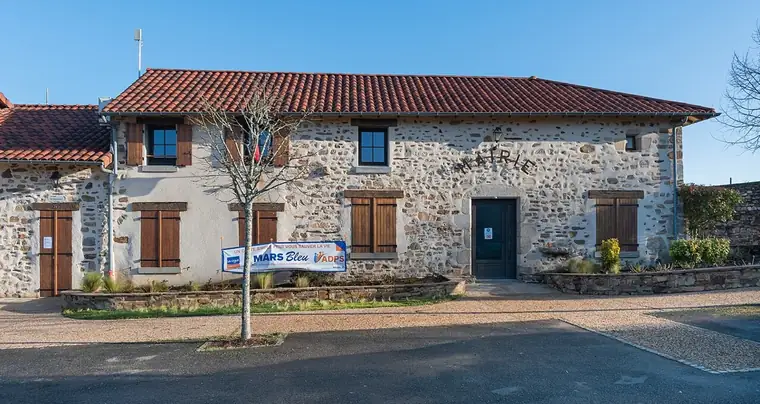
Krzysztof Golik · Resized for display Image source ↗
Jourgnac, France
The French Ministry of Culture records the loss of the Virgin and Child statuette at Jourgnac. The current protected-object record continues to flag the theft.
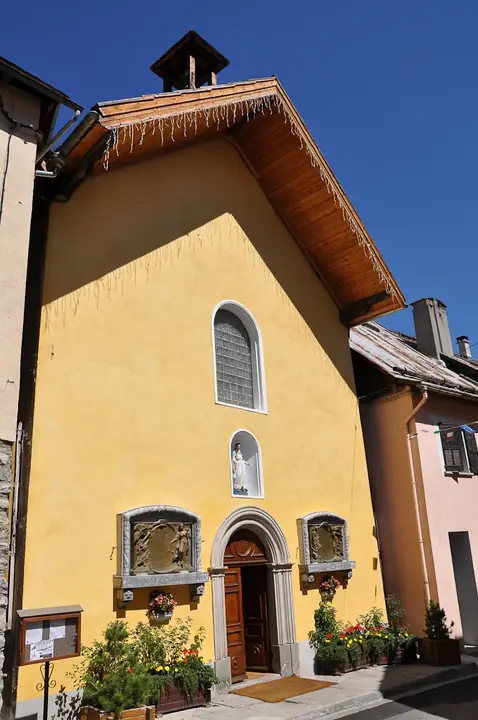
Context photograph of the historic site in Allos associated with the theft report; the stolen object is not pictured. · Alpes de Haute Provence / Wikimedia Commons · Resized for display Image source ↗
Allos, France
The official French heritage inventory documents the 1986 theft of statues of Saint Peter and Saint Paul from an early-seventeenth-century altarpiece from the parish church in Allos. Its current dossier continues to record the loss.
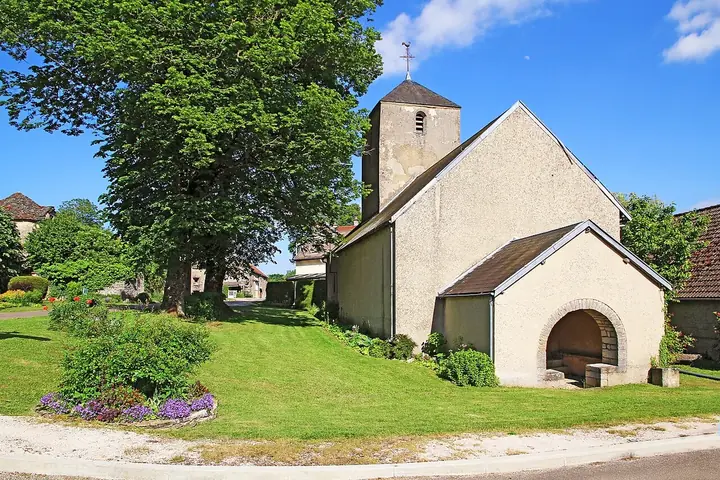
Context photograph of the church in Marcellois; the stolen artwork is not shown · Michel FOUCHER / Wikimedia Commons; resized · Resized for display Image source ↗
Marcellois, France
A fifteenth-century painted wooden Virgin and Child was stolen from the church in July 1986. The national heritage inventory identifies the seated group and continues to mark the protected work as stolen.
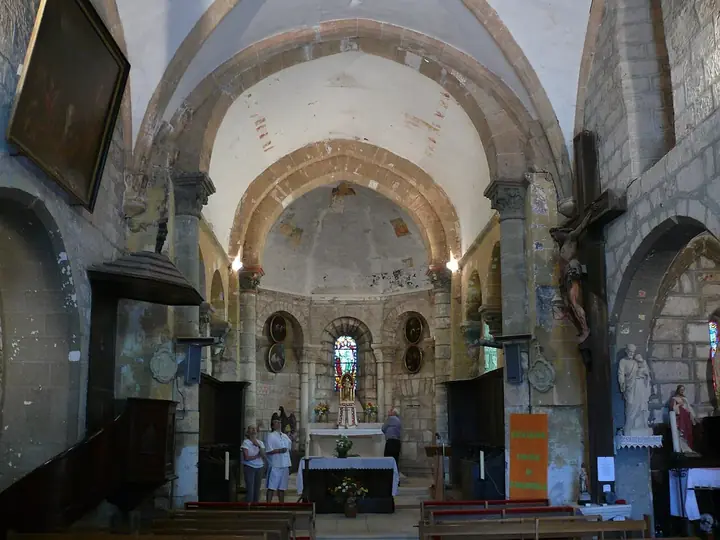
Context photograph of the church of the Assumption in Noailles, Corrèze · © Peter Potrowl / Wikimedia Commons, CC BY-SA 3.0; resized · Resized for display Image source ↗
Noailles, France
A thirteenth-century house-shaped reliquary disappeared in 1986 from Notre-Dame de l’Assomption. Made from gilded copper and champlevé enamel, it bears Christ, angels and apostles; the official inventory records its restitution on 29 November 1995.
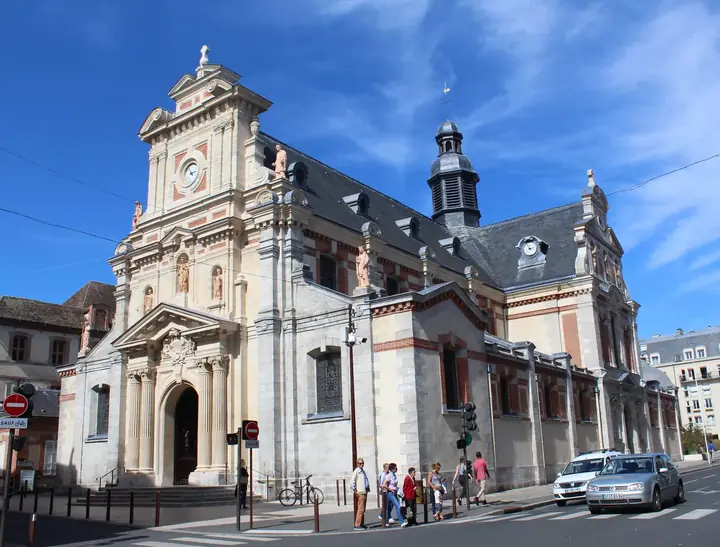
Context photograph of the church in Fontainebleau; the stolen artwork is not shown · Chabe01 / Wikimedia Commons; resized · Resized for display Image source ↗
Fontainebleau, France
Small figures representing Christ and the Evangelists were stolen in 1986 from the church’s altar ensemble. The national record distinguishes these missing statuettes from the remaining altar and retable, which were destroyed in the church fire of 10 January 2016.
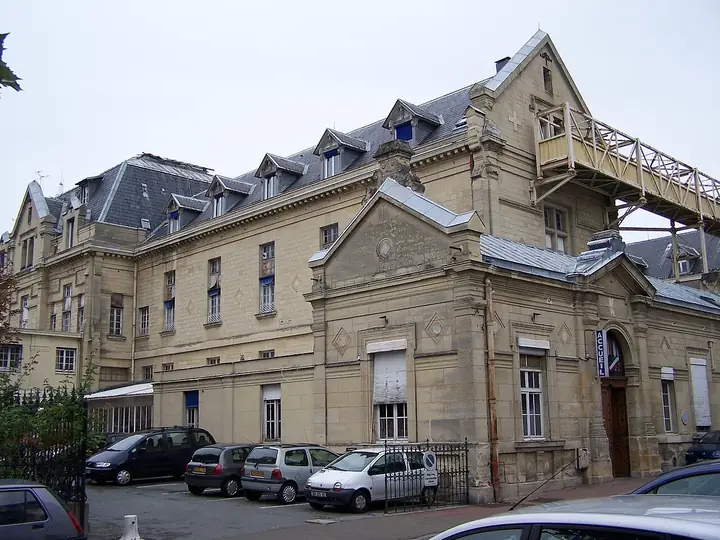
Context photograph of the historic site in Saint-Germain-en-Laye associated with the theft report; the stolen object is not pictured. · ℍenry Salomé / Wikimedia Commons · Resized for display Image source ↗
Saint-Germain-en-Laye, France
The official French heritage inventory documents the 1986 theft of a seventeenth-century painting of Christ in the Garden of Olives from the hospital in Saint-Germain-en-Laye. Its current dossier continues to record the loss.
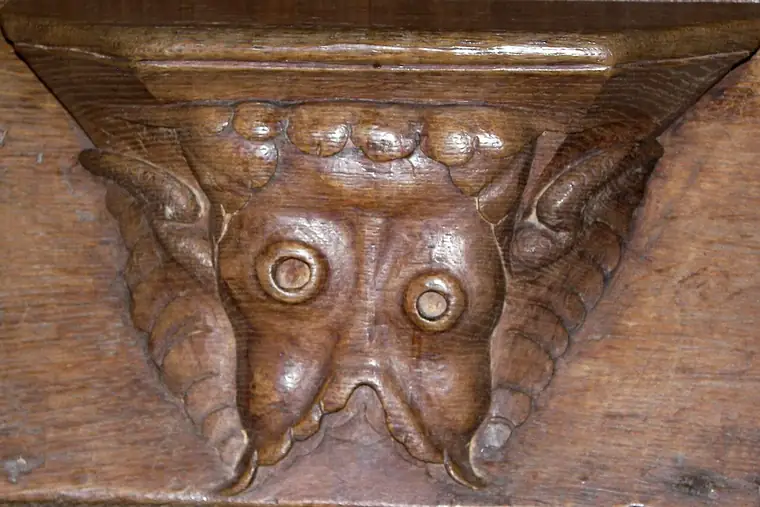
Jacques CHAZARD / Wikimedia Commons · Resized for display Image source ↗
Pont-Sainte-Marie, France
Three Renaissance panels were stolen from the church in Pont-Sainte-Marie during the night of 10–11 December 1985. The sixteenth-century paintings depict the Marriage of the Virgin, the Virgin’s funeral procession and Isaiah. Palissy records their recovery in Belgium on 24 December 1985.
Finoskov / Wikimedia Commons · Resized for display Image source ↗
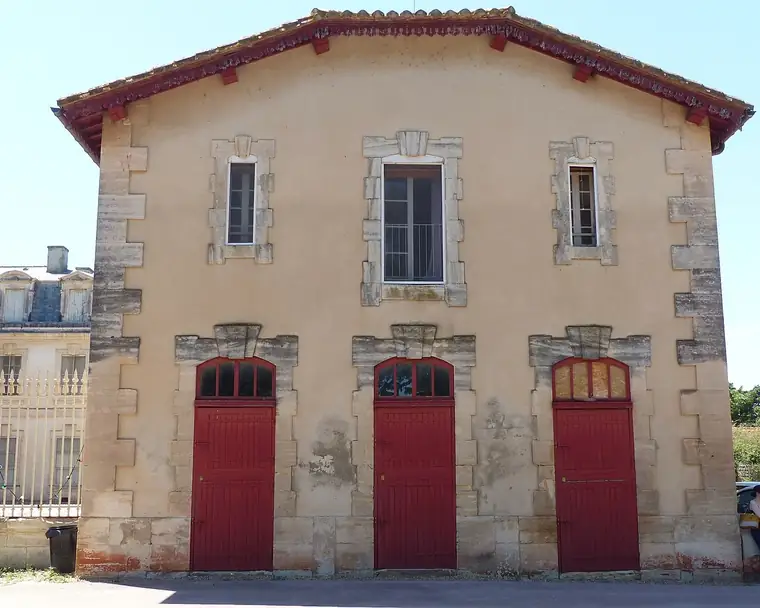
Saint-Gilles, France
France’s protected-object registry records the theft of a mirror with a carved gilded frame from the château in Saint-Gilles in 1985. The Rococo-style decorative furnishing in the château’s billiard room remains marked as stolen in the current Palissy notice.

Claude Monet, Impression, Sunrise, Musée Marmottan Monet. Public domain. Image source ↗
Paris, France
Monet’s Impression, Sunrise was among nine works stolen from the Musée Marmottan in 1985. The works were recovered in 1990.
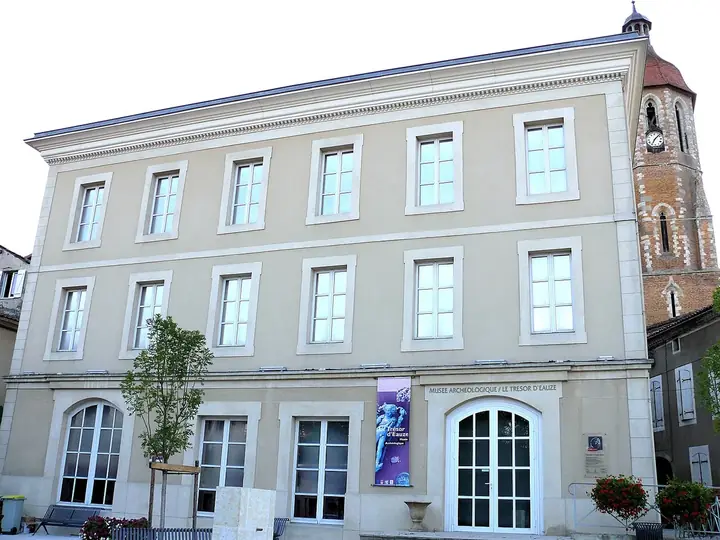
Context photograph of the archaeological museum housing the Eauze treasure · MOSSOT / Wikimedia Commons; resized · Resized for display Image source ↗
Eauze, Gers, France
A 1985 discovery near the former railway station brought to light more than 28,000 coins alongside gold necklaces, earrings, rings and other precious objects. The local archaeological museum preserves the assemblage together, making the jewellery an unusually complete record of third-century wealth and craftsmanship.
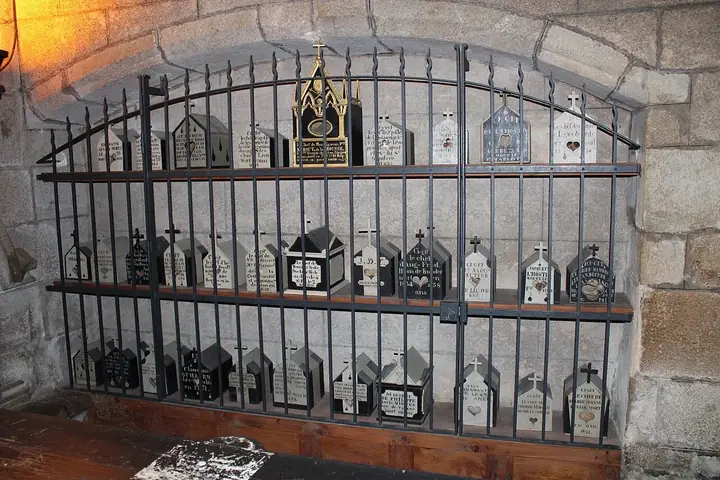
Surviving skull-reliquary boxes in Saint-Pol-de-Léon Cathedral, illustrating the historic ensemble from which a box was stolen in June 1985; the missing box is not identified in this photograph. · René Hourdry / Wikimedia Commons · Resized for display Image source ↗
Saint-Pol-de-Léon, France
A wooden skull-reliquary box was stolen from Saint-Pol-de-Léon’s former cathedral in June 1985. The Palissy inventory explicitly dates the box theft to that month and separately records a skull stolen in 1984. The protected ensemble comprises chapel-shaped boxes with crosses and openings through which their contents could be seen; it remains partly recorded as stolen.
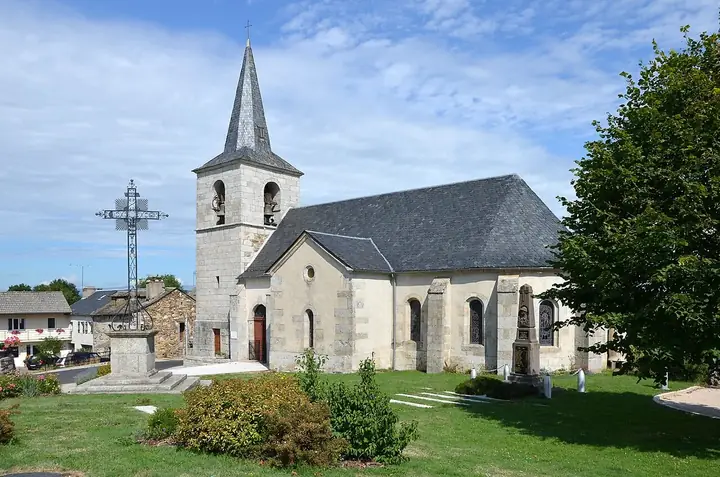
Context photograph of the church in Fridefont; the stolen artwork is not shown · Pline / Wikimedia Commons; resized · Resized for display Image source ↗
Fridefont, France
A fifteenth-century painted wooden group of Saint Michael defeating the dragon was stolen on 14 April 1985 from a side chapel. It had come from the former church of Mallet; the national heritage record continues to flag it as stolen.
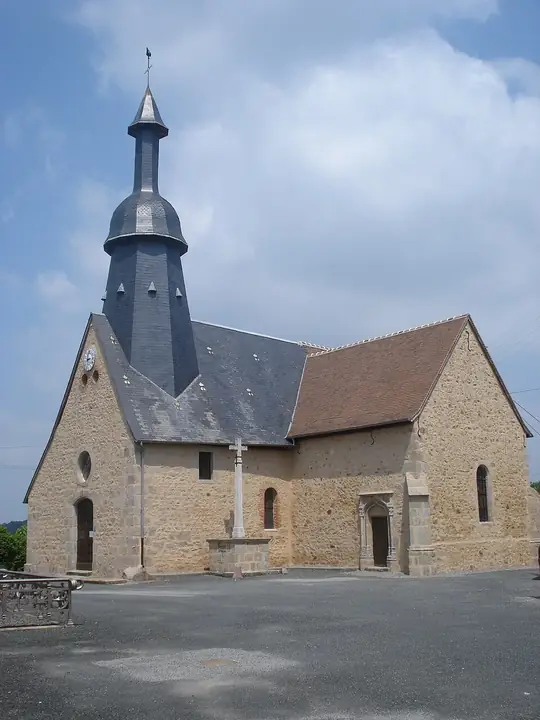
Context photograph: Saint-Germain church in Saint-Germain-Beaupré, the owning parish before the chalice and paten were lent to La Souterraine; the theft occurred in La Souterraine. · Havang(nl) / Wikimedia Commons · Resized for display Image source ↗
La Souterraine, France
A seventeenth-century chalice and paten belonging to the church at Saint-Germain-Beaupré were stolen in April 1985 from the sacristy of La Souterraine’s church. The silverwork had been exhibited in that church’s crypt in summer 1982 and then left in its sacristy. The national inventory documents the theft location separately from the owning parish. The inventory tentatively identifies the silversmith’s mark as that of Claude II Payen.
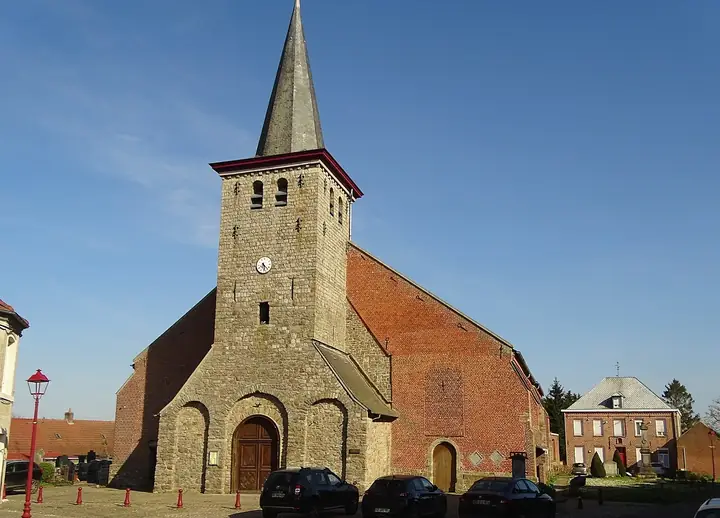
Context photograph of the historic site in Nomain associated with the theft report; the stolen object is not pictured. · Jérémy-Günther-Heinz Jähnick / Wikimedia Commons · Resized for display Image source ↗
Nomain, France
The official French heritage inventory documents the 1984 theft of two seventeenth-century paintings of Saint Gregory and Saint Augustine from the parish church in Nomain. Its current dossier continues to record the loss.

Une soirée. Batelier amarré à la rive by Jean-Baptiste-Camille Corot, Louvre inventory RF 1779 · Photograph by Sailko via Wikimedia Commons, cropped to artwork · Resized for display Image source ↗
Semur-en-Auxois, France
Five paintings by Jean-Baptiste-Camille Corot on loan from the Louvre were stolen from the municipal museum of Semur-en-Auxois overnight on 17–18 October 1984. Four were located in Japan by 1987. The Louvre records the return of Une soirée. Batelier amarré à la rive in April 1989, with help from the Murauchi Museum. The sources consulted do not establish what happened to the fifth painting.
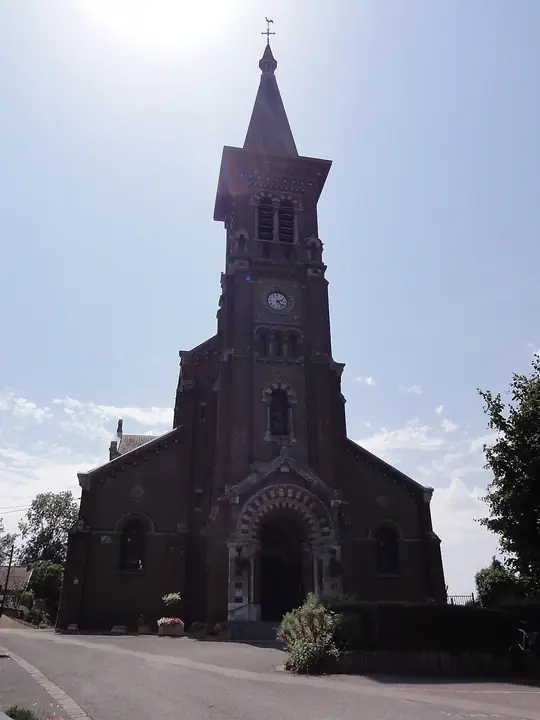
Context photograph of the church in Préseau; the stolen artwork is not shown · Havang(nl) / Wikimedia Commons; resized · Resized for display Image source ↗
Préseau, France
A seventeenth-century carved, painted and gilded wooden Saint Aldegund was stolen on 25 August 1984 from Sainte-Aldegonde church. The Ministry of Culture’s record continues to flag the municipal sculpture as stolen.
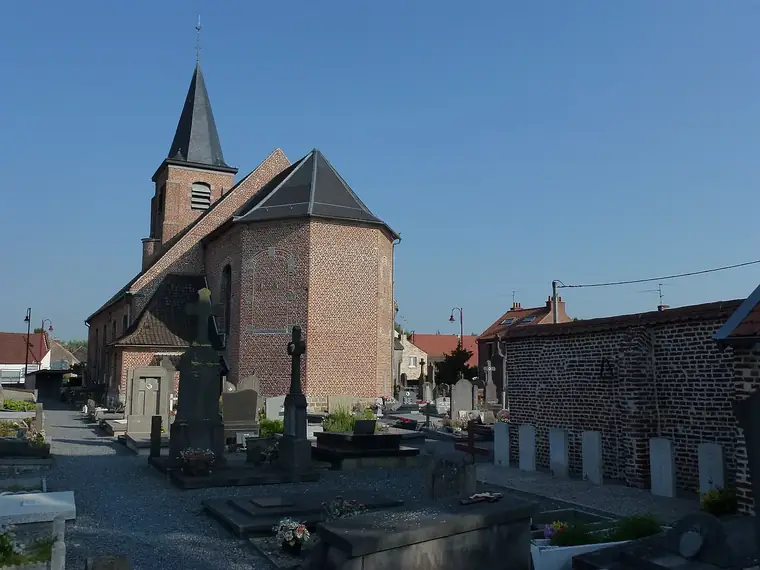
Havang(nl) / Wikimedia Commons · Resized for display Image source ↗
Saméon, France
France’s protected-object registry records the theft of the Virgin and Child known as Notre-Dame de Saméon from the parish church in Saméon in 1984. The German Rococo-style wooden sculpture decorated with paint, gold and silver remains marked as stolen in the current Palissy notice.
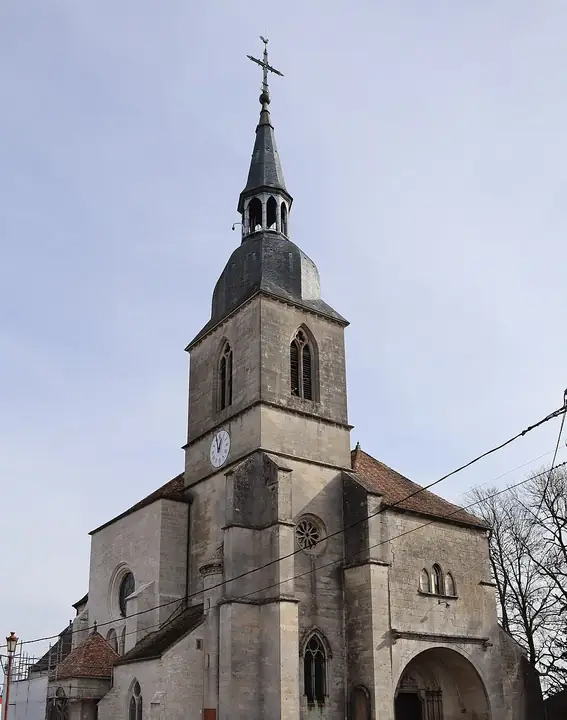
Context photograph of the historic site in Neufchâteau associated with the theft report; the stolen object is not pictured. · GO69 / Wikimedia Commons · Resized for display Image source ↗
Neufchâteau, France
The official French heritage inventory documents the 1984 theft of two early-eighteenth-century statues of martyr soldiers from the parish church in Neufchâteau. Its current dossier continues to record the loss.

Emmenngee / Wikimedia Commons · Resized for display Image source ↗
Coussac-Bonneval, France
Four heads were cut and stolen from a sixteenth-century gilded high relief in Coussac-Bonneval’s Saint-Saturnin church on 7 July 1984. The scene is interpreted in Palissy as the doge of Venice paying homage to Pope Julius II. The relief survives, but the current notice still identifies the four heads as stolen.
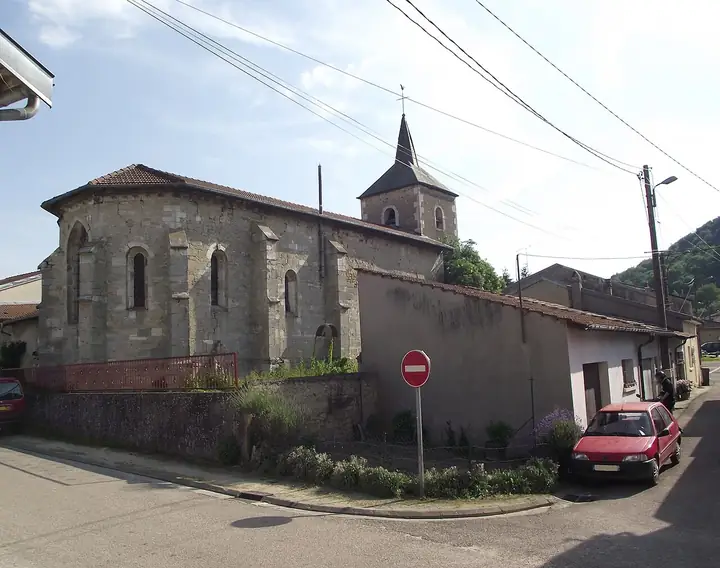
Context photograph of the historic site in Choloy-Ménillot associated with the theft report; the stolen object is not pictured. · Adidelot / Wikimedia Commons · Resized for display Image source ↗
Choloy-Ménillot, France
The official French heritage inventory documents the 1984 theft of a late-fifteenth- or early-sixteenth-century Saint Barbara statue from the parish church in Choloy-Ménillot. Its current dossier continues to record the loss.