Anton Romako · Resized for display Image source ↗
Vienna, Austria
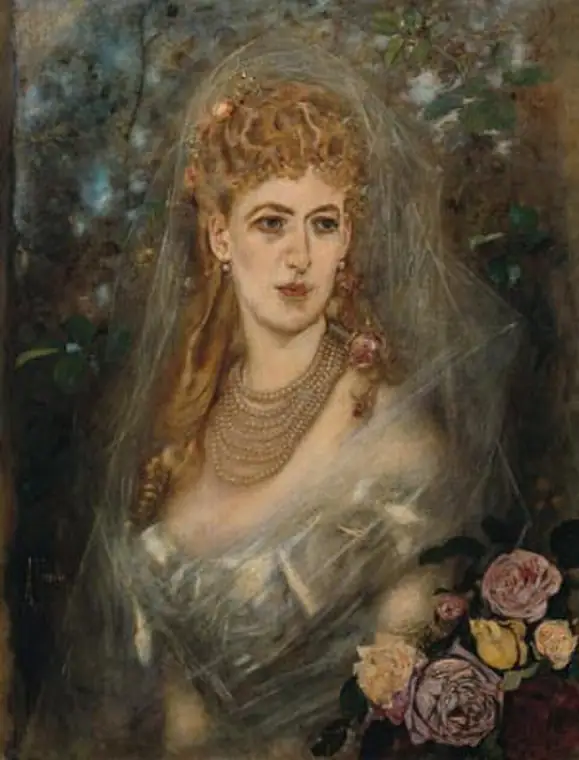
The board recommended returning Anton Romako’s portrait of Countess Maria Magda Kuefstein to Moriz and Otto Eisler’s heirs. The painting had entered the Austrian federal collection during the Nazi period.
Wolfgang Sauber · Resized for display Image source ↗
Vienna, Austria
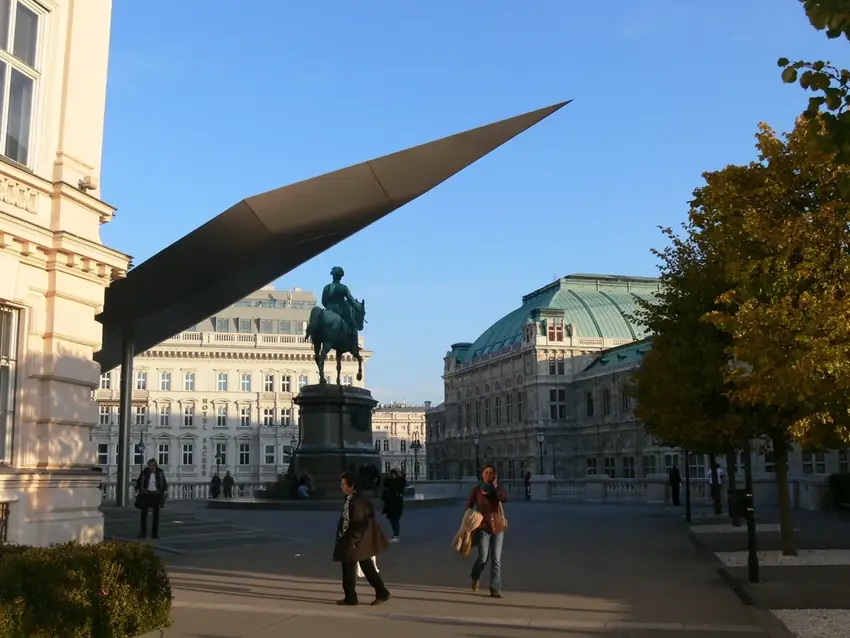
The advisory board recommended returning a group of Ferdinand Schmutzer etchings in the Albertina to Gertrude Schüller’s heirs. The listed works ranged from Dutch street scenes to portraits and rural subjects.
Wolfgang Sauber · Resized for display Image source ↗
Vienna, Austria
The board recommended restitution of works on paper held in the Albertina, including a group of studies by Friedrich von Amerling, to the heirs of Edith Oser-Braun.
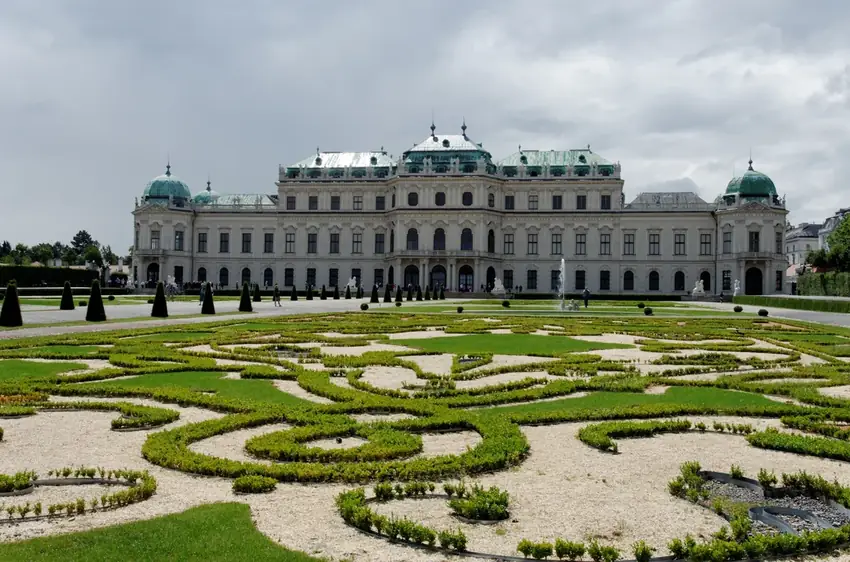
Photo: Yelkrokoyade. · Resized for display Image source ↗
Vienna, Austria
The board recommended restitution of an altarpiece wing showing the Martyrdom of Saint Vitus and Christ before Caiaphas. The panel had been sawn apart, separating its two painted sides.
Wolfgang Sauber · Resized for display Image source ↗
Vienna, Austria
The board recommended returning Käthe Kollwitz’s chalk drawing Storming Armed Peasants from the Albertina to Gustav and Claire Kirstein’s heirs.
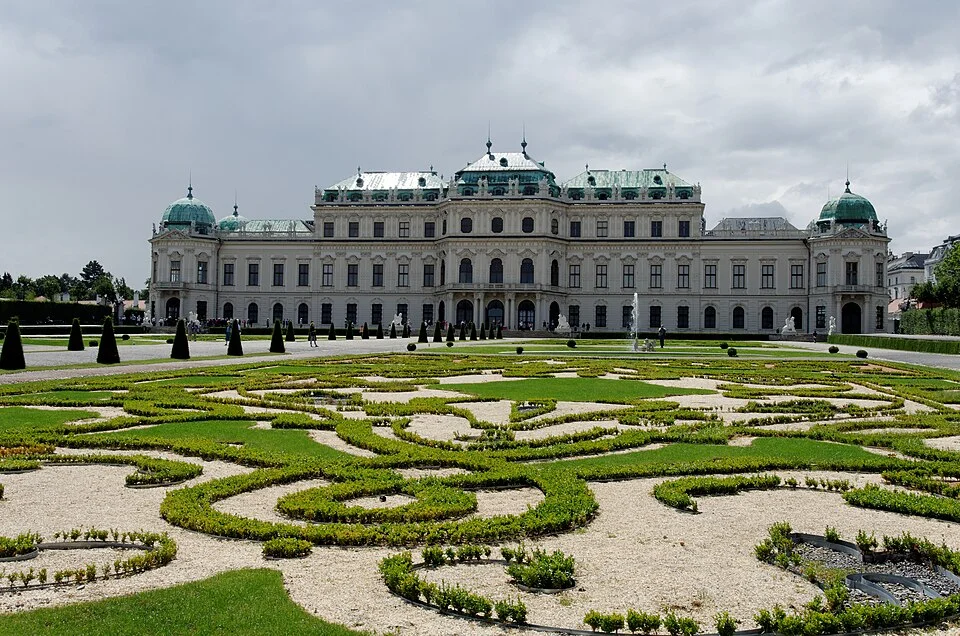
Photo: Yelkrokoyade. Image source ↗
Vienna, Austria
The Belvedere’s provenance records list the return of Gustav Klimt’s Country House on the Attersee to the heirs of Jenny Steiner in 2001.
Wolfgang Sauber · Resized for display Image source ↗
Vienna, Austria
The board recommended returning the Albertina’s watercolor of Vienna’s Graben by Rudolf von Alt to Josefine Winter’s heirs after reviewing the work’s Nazi-era history.
Wolfgang Sauber · Resized for display Image source ↗
Vienna, Austria
The board recommended returning an Albertina group including fan, clock and box designs and architectural views. The drawings had come from the persecuted art dealer Siegfried Laemmle’s collection.
Wolfgang Sauber · Resized for display Image source ↗
Vienna, Austria
Two miniatures by Moritz Daffinger and one by Robert Theer were identified in the Albertina and Austrian Gallery. The board recommended that the three portraits be returned to Rudolf Bittmann’s heirs.
Wolfgang Sauber · Resized for display Image source ↗
Vienna, Austria
The board recommended returning a Laurent Grünbaum ivory miniature showing a seated man in a blue coat. The portrait was held in the Albertina under inventory number 28325.
Wolfgang Sauber · Resized for display Image source ↗
Vienna, Austria
The advisory board recommended restitution of Johann Ziegler’s pencil view of Vienna’s Alservorstadt from the Albertina to Valerie Eisler’s heirs.
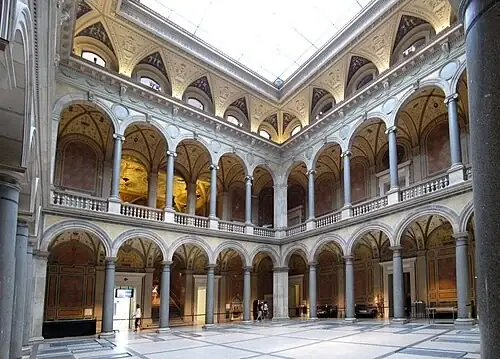
MAK_Vienna_4.JPG: Gryffindor MAK_Vienna_1.JPG: Gryffindor MAK_Vienna_2.JPG: Gryffindor MAK_Vienna_3.JPG: Gryffindor derivative work: Gothika (talk) · Resized for display Image source ↗
Vienna, Austria
A group of decorated porcelain from Vienna’s MAK was recommended for restitution. The list included a teapot, a tea caddy, bowls and figurative pieces from Anton Redlich’s collection.
MAK_Vienna_4.JPG: Gryffindor MAK_Vienna_1.JPG: Gryffindor MAK_Vienna_2.JPG: Gryffindor MAK_Vienna_3.JPG: Gryffindor derivative work: Gothika (talk) · Resized for display Image source ↗
Vienna, Austria
The board recommended returning a MAK group of porcelain and decorative objects from Heinrich Rothberger’s collection. The inventory included figurines, a white elephant, a tea caddy and decorated vessels.
Wolfgang Sauber · Resized for display Image source ↗
Vienna, Austria
The board recommended returning eight Albertina drawings to Livia and Otto Brill’s heirs. The group included self-portraits by Max Slevogt, Anton Faistauer and Anton Hanak and works by Schwind, Spitzweg and Rudolf von Alt.
MAK_Vienna_4.JPG: Gryffindor MAK_Vienna_1.JPG: Gryffindor MAK_Vienna_2.JPG: Gryffindor MAK_Vienna_3.JPG: Gryffindor derivative work: Gothika (talk) · Resized for display Image source ↗
Vienna, Austria
The board recommended returning a group of decorated faience jugs from the MAK, including Habaner, Slovak and Gmunden pieces, to the heirs of Ernst Pollack.
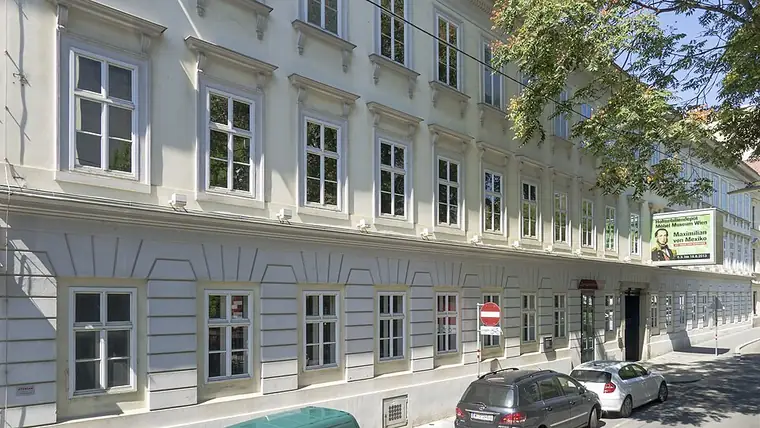
Gugerell · Resized for display Image source ↗
Vienna, Austria
Austria's advisory board recommended restitution of an inventoried group from the Federal Furniture Collection to the heirs of Hans and Hedwig Schwarz. The objects included decorative Biedermeier furniture and a mahogany corner cabinet with carved male figures. The decision addressed a distinct household collection seized under Nazi persecution.
Gugerell · Resized for display Image source ↗
Vienna, Austria
The board recommended transferring an extensive inventory from the Federal Furniture Collection to Emil Stiassny's heirs. The group included oil paintings, a pastel, a print, historic lighting and furniture. Its investigation traced the listed objects to the Nazi-era seizure of Stiassny's collection.
Gugerell · Resized for display Image source ↗
Vienna, Austria
The advisory board recommended returning four inventoried components from Austria's Federal Furniture Collection to Hugo Breitner's heirs. They included an inlaid cabinet with a marble top, a baroque-style tabernacle cabinet and an ornamental mirror with its frame. The decision traced them to the Gestapo's 1938 confiscation.
Gugerell · Resized for display Image source ↗
Vienna, Austria
The Austrian advisory board recommended returning a separately inventoried group from the Federal Furniture Collection to Wilhelm Goldenberg's heirs. It included landscapes, a portrait and decorated porcelain vases. The board traced the objects to the Gestapo's 1938 seizure of Goldenberg's property.
Gugerell · Resized for display Image source ↗
Vienna, Austria
Austria's board recommended returning paintings, prints and historic furniture from the Federal Furniture Collection to Moritz König's heirs. The inventory included a seventeenth-century fruit still life and landscapes. The recommendation addressed objects seized by the Gestapo in 1938 and later acquired by the Austrian state.
Gugerell · Resized for display Image source ↗
Vienna, Austria
The advisory board recommended restitution of an inventoried group from Austria's Federal Furniture Collection to Paul Weiss's heirs. Among the pictures were a cellist and a print of the Joachim Quartet. The decision documented their connection to the Gestapo's seizure of Weiss's property in 1938.