The bedroom title that became a murder theory
A shadowed room and an unsettling name are documented. Turning them into evidence against the painter is another matter.
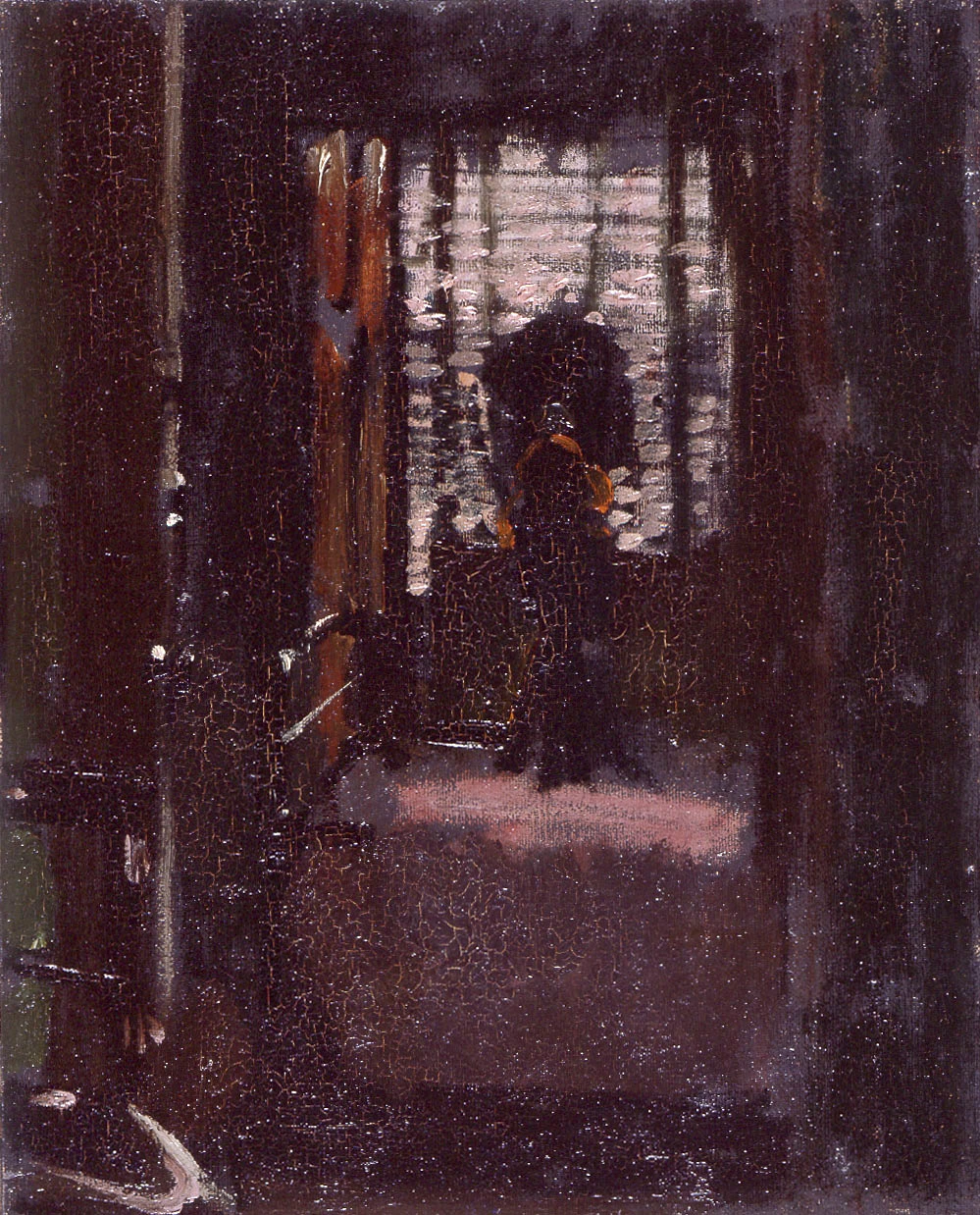
A room given a notorious name
Sickert’s Jack the Ripper’s Bedroom depicts a dark interior rather than a murder in progress. The National Galleries of Scotland describes it as a painting of his own room and dates it to 1907. The reproduced artwork is commonly dated 1906–07. Its title connects an ordinary domestic space with the notorious killer, producing unease without supplying a criminal identification. [1][3]
How the painter entered the accusation
Later writers proposed that Sickert himself was Jack the Ripper. A Smithsonian discussion distinguishes those claims from the scholarly response, noting that scholars tend to reject them. The painter’s interest in sinister subjects provides art-historical context; it does not establish that he committed the Whitechapel murders. A suggestive title, biography and atmosphere cannot replace independently corroborated evidence. [2]
The legend becomes another artwork
In 2006, Julie Roberts made prints responding to the theories surrounding Sickert. The Scottish collection explains this later artistic engagement while distinguishing Roberts’s work from Sickert’s original pictures. That separation is essential when illustrating the story: a contemporary response is not evidence from 1888. Here the enduring mystery belongs to the passage from a painting to a legend, rather than to a newly solved police case. [1]
Artwork documented; accusations against the artist unproven
The painting and its disturbing title are genuine. The cited museum accounts do not establish that Sickert was Jack the Ripper.
Artwork Details & DocumentationIdentification, ownership history and supporting records
Individual artwork identification details have not yet been documented in this record. Missing specifications are not inferred from the photograph or report headline.
Not documented in this record: object type · materials & technique · measurements · inscriptions & markings · distinguishing features · artwork title · maker / attribution · creation date / period · subject.
Record sources
Identification details follow the Object ID categories where documented. Ownership history is recorded separately; this documentation is not an authentication or a certificate of ownership.
Sources & documentation
- National Galleries of Scotland: Sickert’s room and Julie Roberts’s later response ↗
- Smithsonian National Museum of Asian Art: Sickert and disputed Ripper theories ↗
- Wikimedia Commons: reproduction and identification of Sickert’s painting ↗
An original ArtTraceX feature based on the cited sources, checked 9 November 2026. Legends and hypotheses are distinguished from established facts. Images are identified in their captions.
More mysteries
All stories →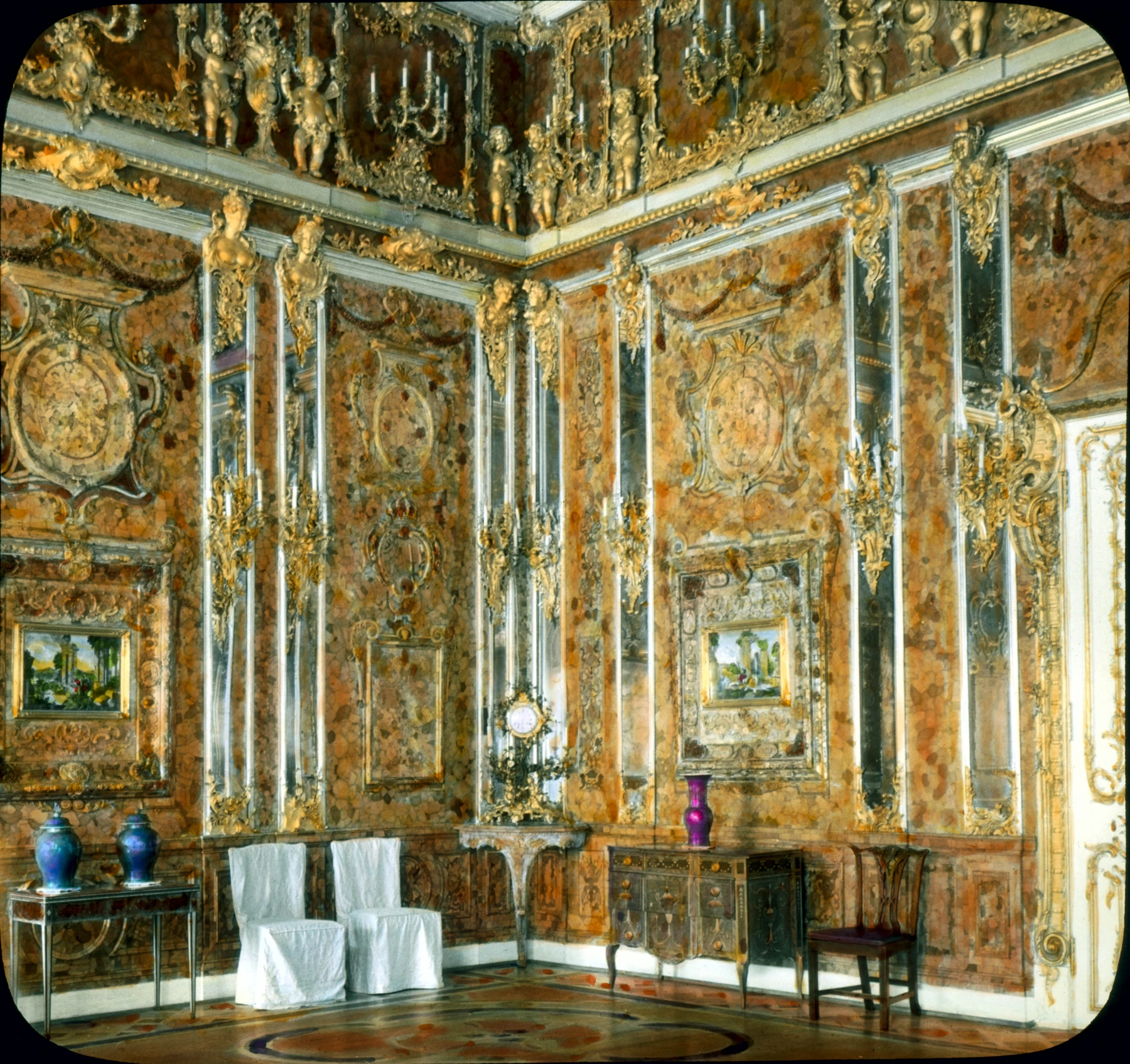
The room that vanished after it was taken apart
Original ensemble missing; some original elements returnedA palace interior disappeared in wartime. The room visitors see today is a reconstruction, not its rediscovery.
Follow the clues ↗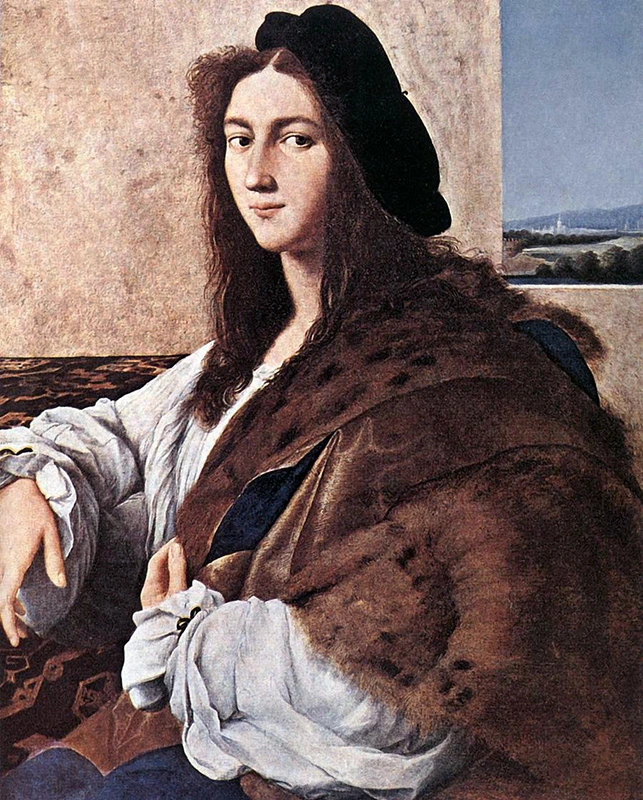
The portrait whose wartime trail ends in silence
Missing since 1945; survival unconfirmedRaphael’s young sitter survives in photographs and copies. The original has not been verifiably recovered.
Follow the clues ↗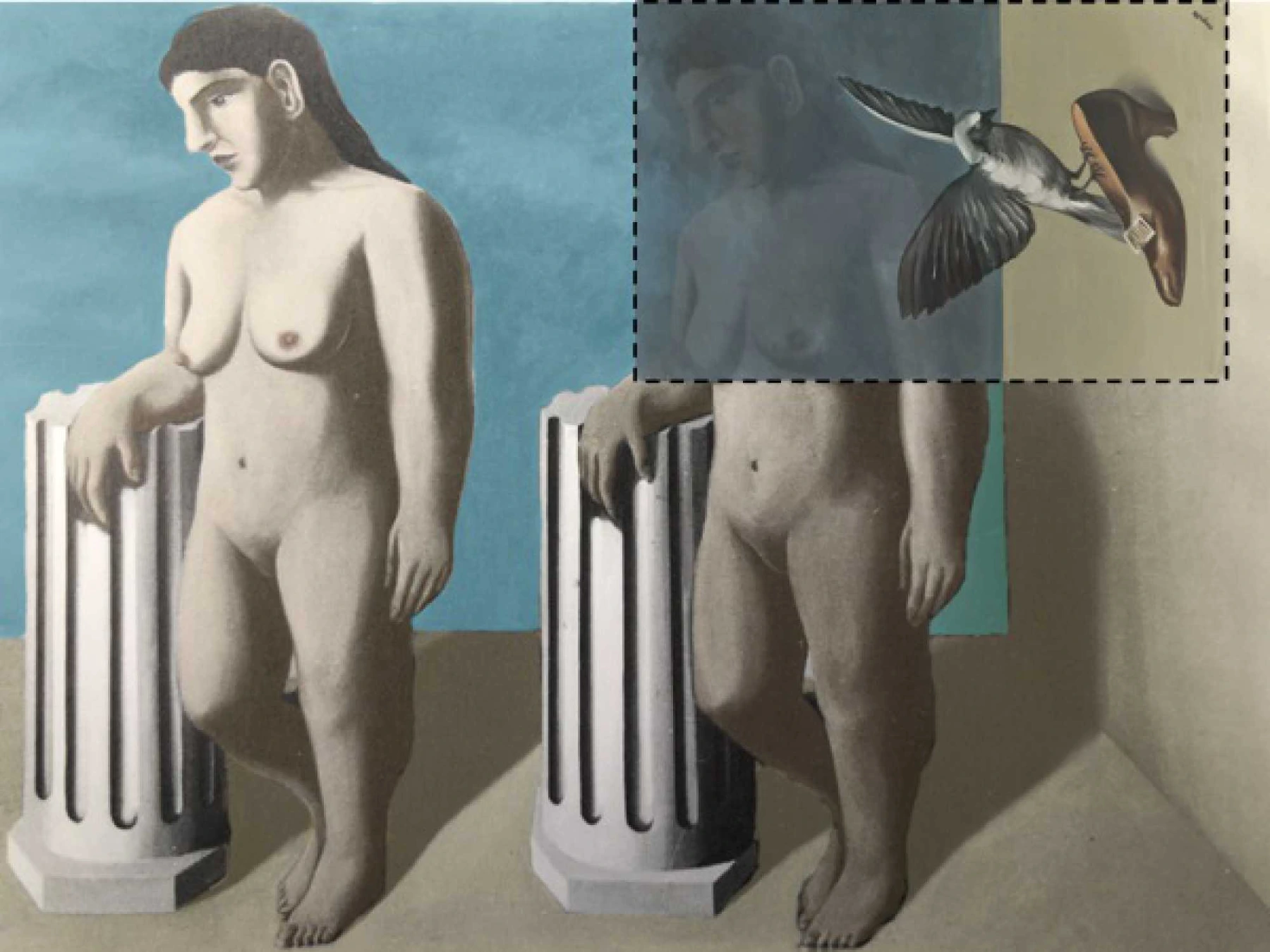
The missing Magritte hidden beneath four other Magrittes
Four quarters identified; composition virtually reconstructedAn X-ray turned a vanished composition into a puzzle spread across four museum collections.
Follow the clues ↗
Three heads rose from the canal. None was Modigliani’s.
Solved hoax; the three heads are not authentic Modigliani worksLivorno went looking for a legend and briefly found the masterpieces it expected to see.
Follow the clues ↗