The man who invented a Vermeer
A newly discovered masterpiece became a museum prize. Its maker was alive, and the discovery was a fraud.
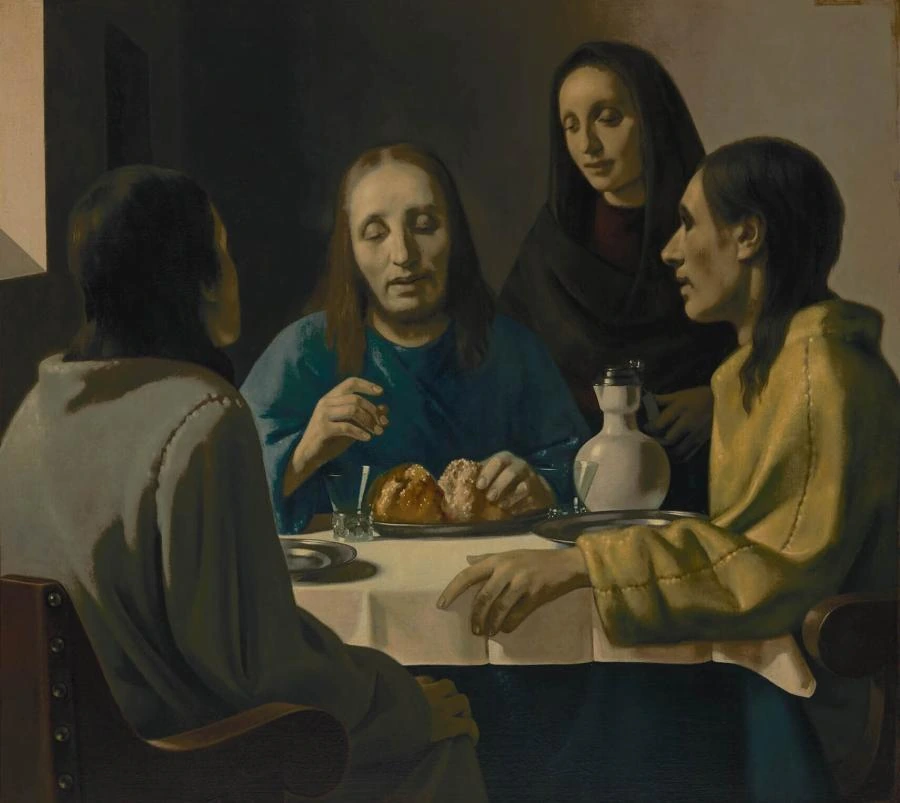
A masterpiece with a living author
In 1937 Museum Boijmans Van Beuningen acquired The Supper at Emmaus believing it to be an exceptional work by Johannes Vermeer. The painting had instead been made that year by Han van Meegeren. It was more than a copy of a familiar picture: he created a composition that could be presented as an unfamiliar part of an Old Master’s career. The museum now identifies the work openly as his forgery. Its presence in a collection records the deception, rather than continuing the original attribution. [1]
A confession that reversed the case
After the war, another supposed Vermeer, Christ and the Adulteress, was traced to Hermann Göring’s collection. Van Meegeren was arrested in 1945 on suspicion of collaborating with the Nazis by selling Dutch cultural heritage. He responded that the painting was his own fake. That claim did not itself settle authenticity. A committee led by Paul Coremans examined the pictures, using technical evidence including X-radiographs to test their materials and construction. The story’s extraordinary reversal still required an investigation. [2][3]
The surface and what lay beneath
The scientific inquiry compared apparent surface cracking with what appeared in X-rays. Such details could challenge the impression of age created for the viewer. Van Meegeren had also used a hardening material associated with Bakelite to defeat tests then used to distinguish fresh paint. He was ultimately convicted of forgery and fraud and received a one-year sentence; he died in 1947 before serving it. The case is resolved as a forgery, but it leaves a lasting question for the viewer: how much of a masterpiece’s authority comes from the image, and how much from the name attached to it? [2][3]
Forgery exposed; conviction for forgery and fraud
The Supper at Emmaus is a documented Van Meegeren forgery. The criminal conviction concerned forgery and fraud; the earlier suspicion of collaboration must not be presented as the final verdict.
Artwork Details & DocumentationIdentification, ownership history and supporting records
Individual artwork identification details have not yet been documented in this record. Missing specifications are not inferred from the photograph or report headline.
Not documented in this record: object type · materials & technique · measurements · inscriptions & markings · distinguishing features · artwork title · maker / attribution · creation date / period · subject.
Record sources
Identification details follow the Object ID categories where documented. Ownership history is recorded separately; this documentation is not an authentication or a certificate of ownership.
Sources & documentation
- Museum Boijmans Van Beuningen: The Supper at Emmaus ↗
- Winterthur Museum: Fooling the Experts ↗
- RKD: technical investigation of Van Meegeren’s forgeries ↗
An original ArtTraceX feature based on the cited sources, checked 9 November 2026. Legends and hypotheses are distinguished from established facts. Images are identified in their captions.
More mysteries
All stories →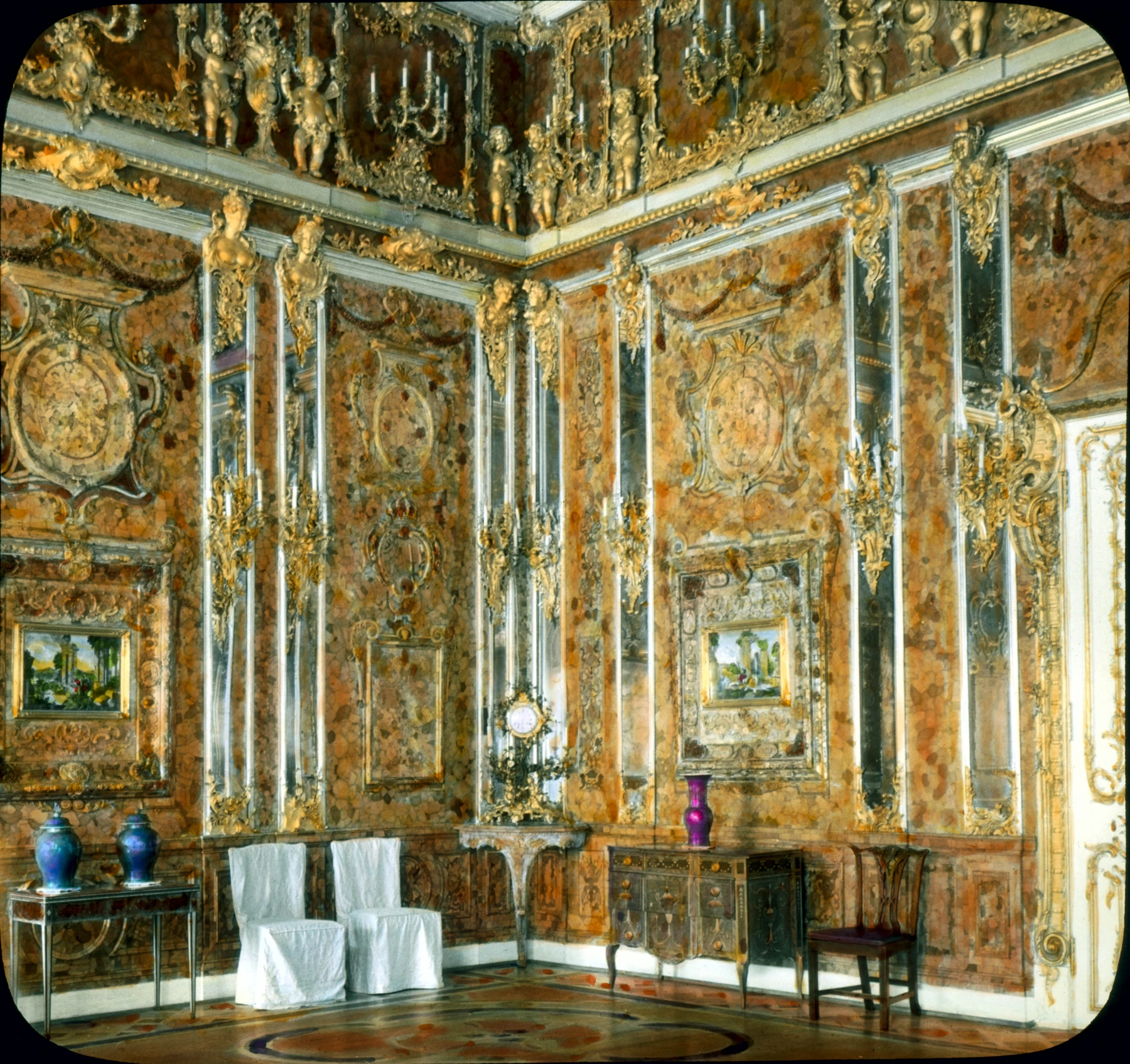
The room that vanished after it was taken apart
Original ensemble missing; some original elements returnedA palace interior disappeared in wartime. The room visitors see today is a reconstruction, not its rediscovery.
Follow the clues ↗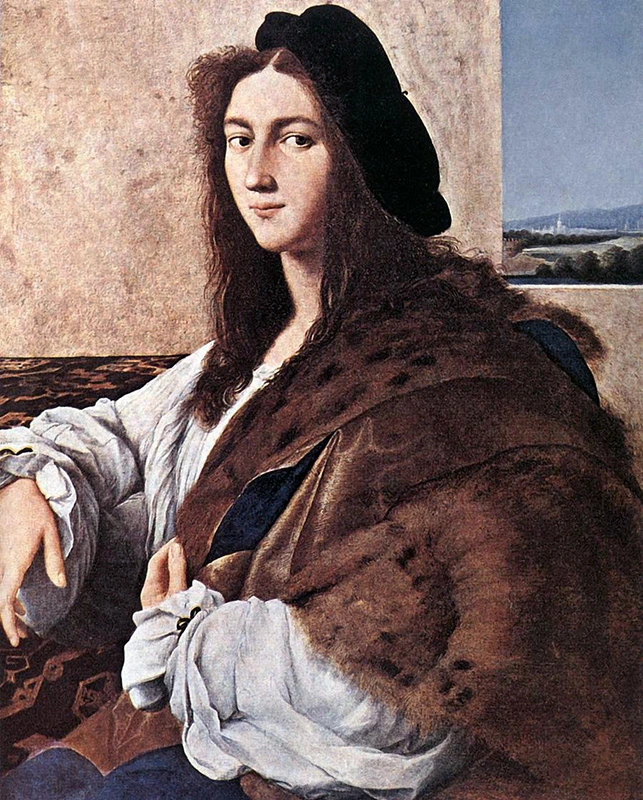
The portrait whose wartime trail ends in silence
Missing since 1945; survival unconfirmedRaphael’s young sitter survives in photographs and copies. The original has not been verifiably recovered.
Follow the clues ↗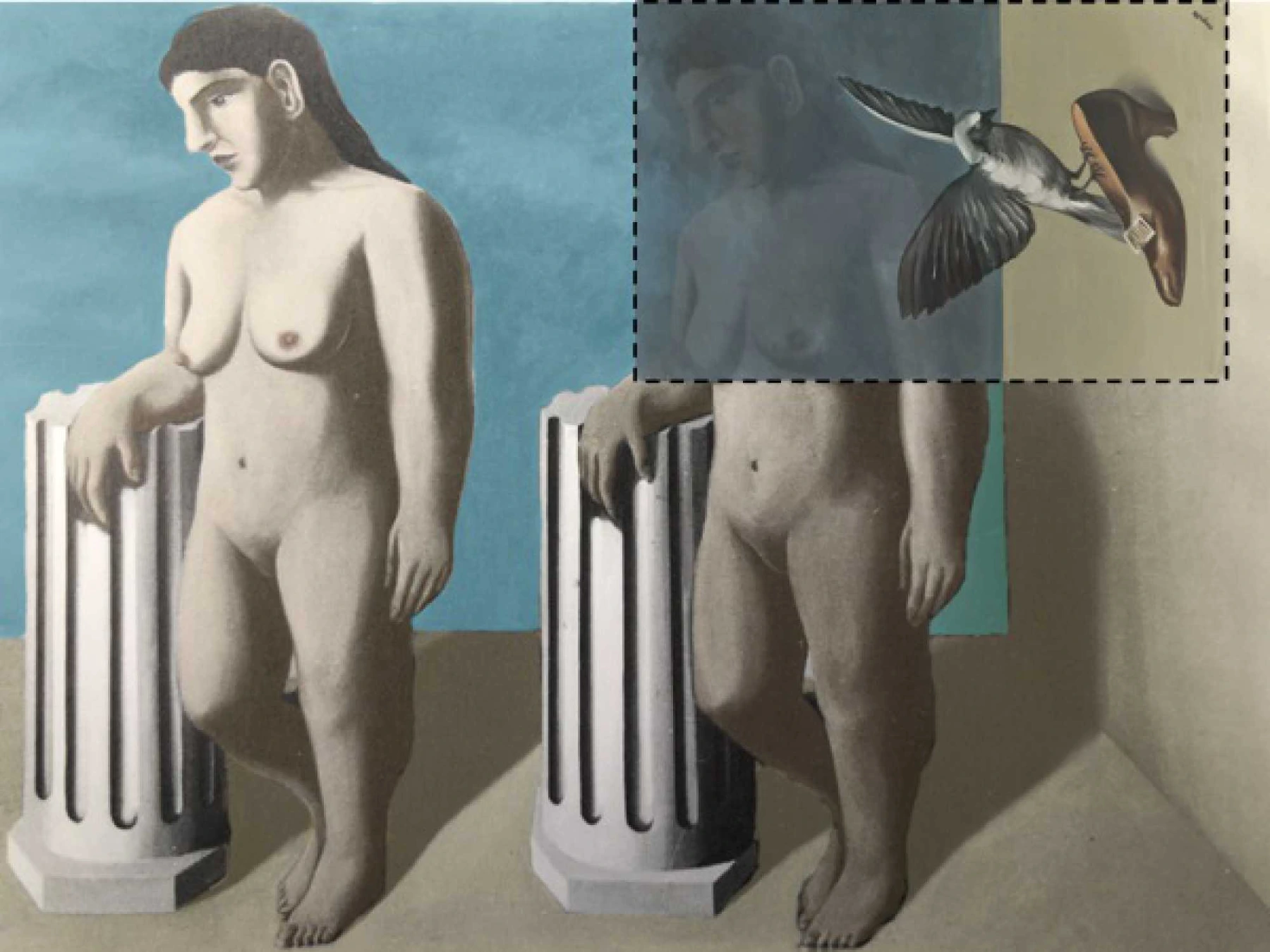
The missing Magritte hidden beneath four other Magrittes
Four quarters identified; composition virtually reconstructedAn X-ray turned a vanished composition into a puzzle spread across four museum collections.
Follow the clues ↗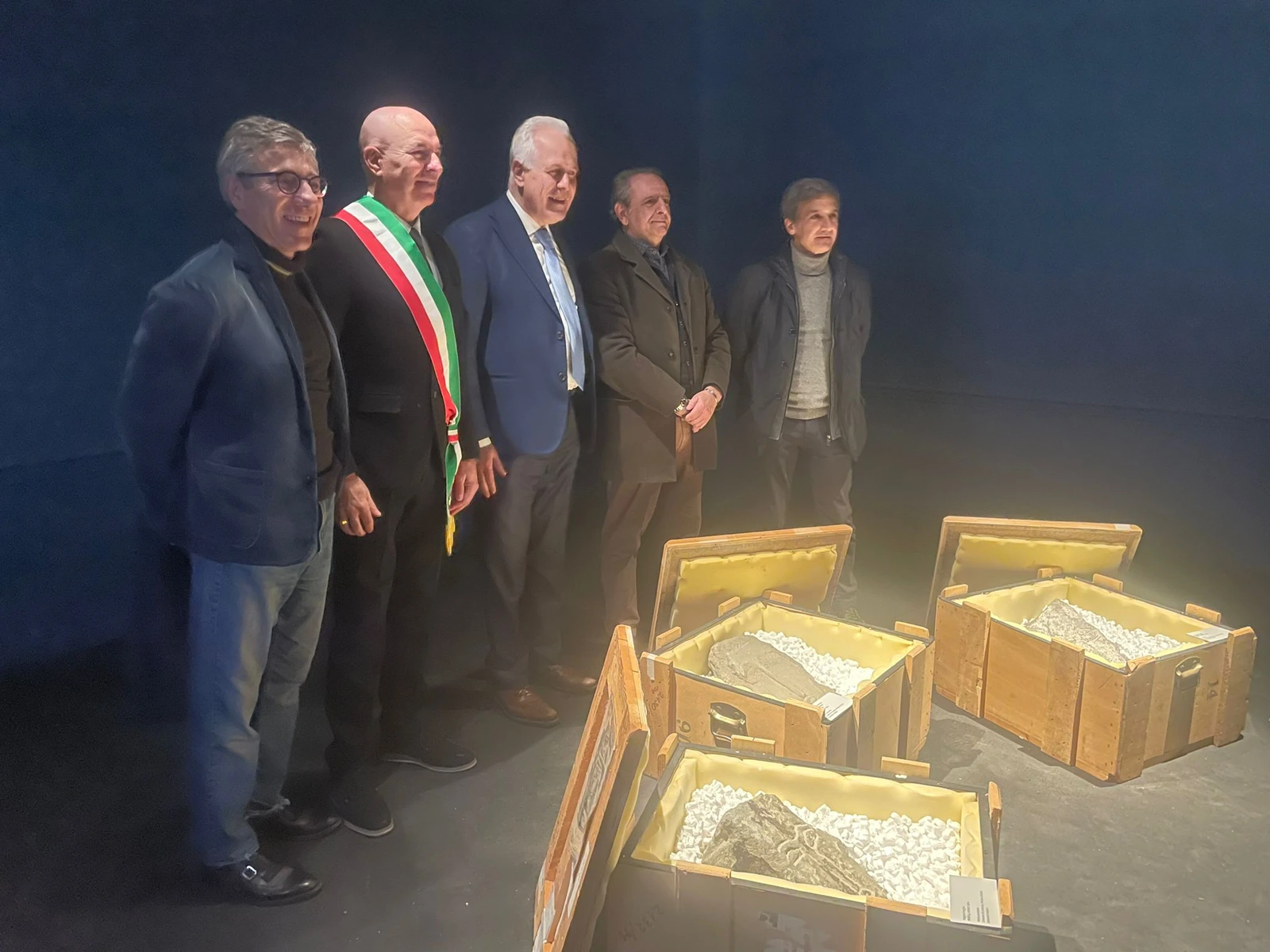
Three heads rose from the canal. None was Modigliani’s.
Solved hoax; the three heads are not authentic Modigliani worksLivorno went looking for a legend and briefly found the masterpieces it expected to see.
Follow the clues ↗