The aristocrat who invented himself
An invented pedigree, borrowed signatures and a second mystery: who was the man behind the fakes?
The collection that made the collector
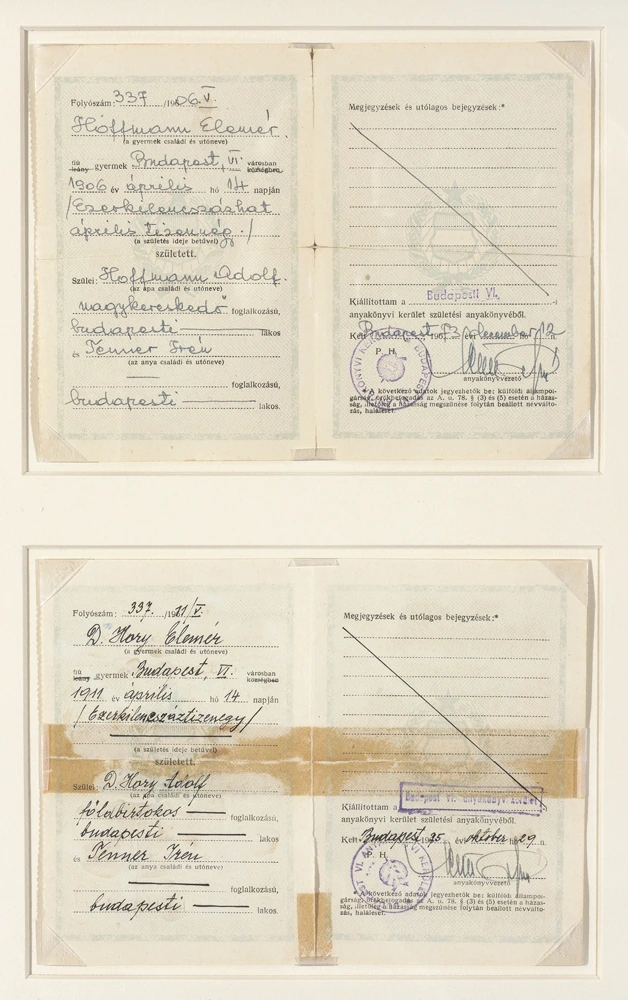
Elmyr de Hory presented himself as an aristocrat whose collection had survived war and dispossession. That account offered a reason for valuable pictures to appear far from their supposed origins. The seller’s biography became part of the merchandise: a story could make an unfamiliar painting feel like an overlooked inheritance. Later research, documented by Winterthur and revisited in the film Real Fake, had to separate the man’s records from the persona he sold. Winterthur’s account identifies his birth name as Elemér Hoffman, recovered through records in a Jewish archive in Budapest. [1][3]
A trail through other people’s names
His partnership with dealer Fernand Legros carried forged works into international collections. The scandal became public in 1967 when paintings bought by Algur Meadows were exposed. It was not simply a matter of copying familiar canvases. A convincing invented composition, a borrowed signature and an apparently respectable history could support one another. Girona’s exhibition places de Hory within this wider history of deception, where documentation and reputation help manufacture belief. [1][4]
When a forger is himself forged
The story acquires a further twist when paintings attributed to de Hory become collectable. Winterthur examined a purported example in Renoir’s style and found reasons to question even that attribution. Material analysis did not supply a simple verdict: a pigment absent from a surviving palette does not prove that the artist never used it. The question changes from “Is this a Renoir?” to “Is this really the work of the forger?” [2]
Reading the surviving evidence
Identity certificates, the surviving studio materials and paintings form different kinds of evidence. None should be replaced by the glamour of the legend. The documentary record establishes an extensive deception; estimates of its total scale remain estimates. The enduring mystery is how many objects still carry identities supplied by that network, and how confidently each can now be untangled. The pictured certificates concern the forger’s identity, rather than authenticating any individual canvas. [1][2][3]
Forgery exposed; identities researched
De Hory’s forgery practice is documented. The authorship of every painting associated with him is not thereby established; individual objects still require separate evidence.
Artwork Details & DocumentationIdentification, ownership history and supporting records
Individual artwork identification details have not yet been documented in this record. Missing specifications are not inferred from the photograph or report headline.
Not documented in this record: object type · materials & technique · measurements · inscriptions & markings · distinguishing features · artwork title · maker / attribution · creation date / period · subject.
Record sources
Identification details follow the Object ID categories where documented. Ownership history is recorded separately; this documentation is not an authentication or a certificate of ownership.
Sources & documentation
- Winterthur: De Hory, evidence and identity ↗
- Winterthur: a disputed de Hory attribution ↗
- PBS / ALL ARTS: Real Fake documentary ↗
- Museu d’Art de Girona: False Truths ↗
An original ArtTraceX feature based on the cited sources, checked 9 November 2026. Legends and hypotheses are distinguished from established facts. Images are identified in their captions.
More mysteries
All stories →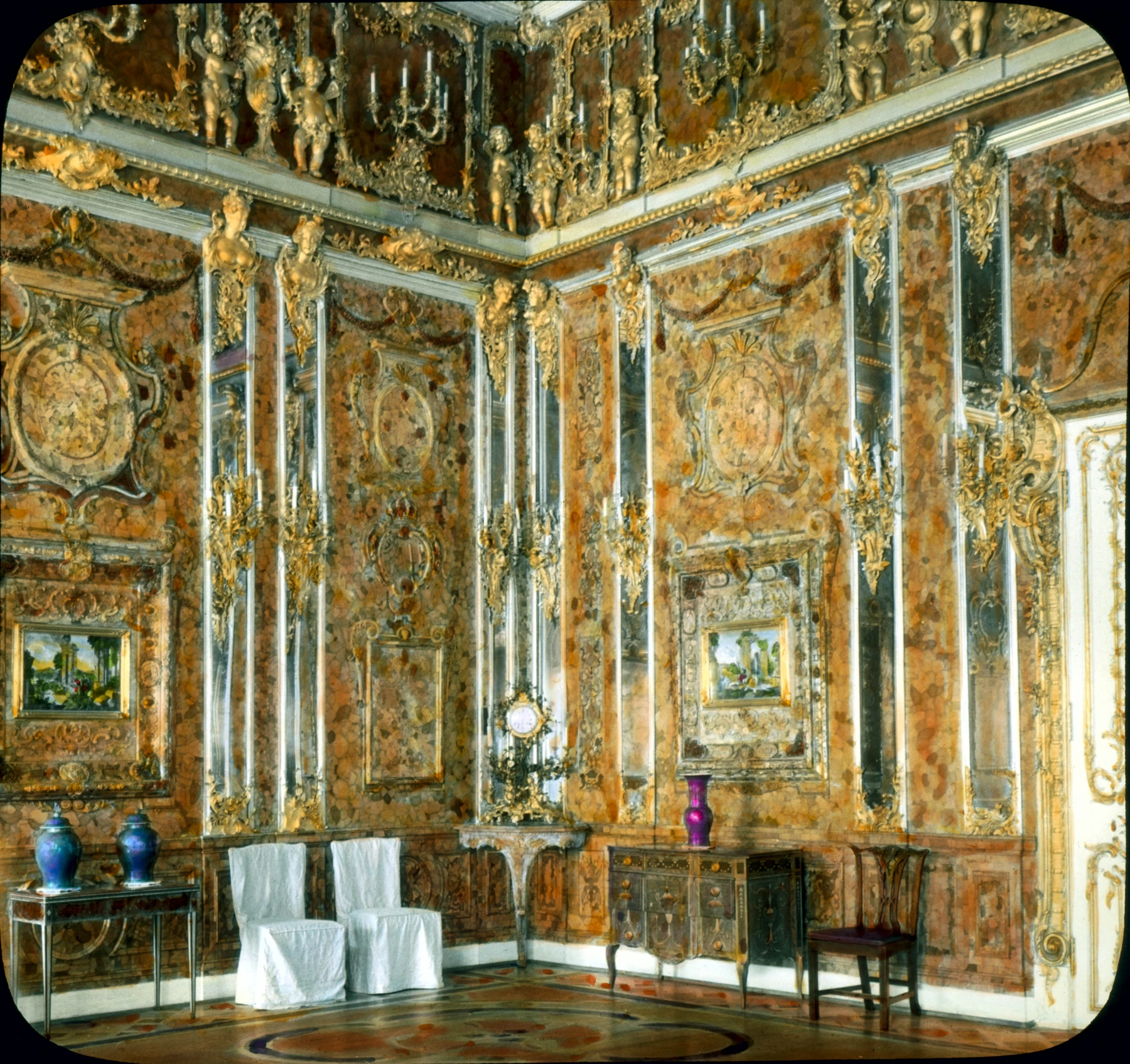
The room that vanished after it was taken apart
Original ensemble missing; some original elements returnedA palace interior disappeared in wartime. The room visitors see today is a reconstruction, not its rediscovery.
Follow the clues ↗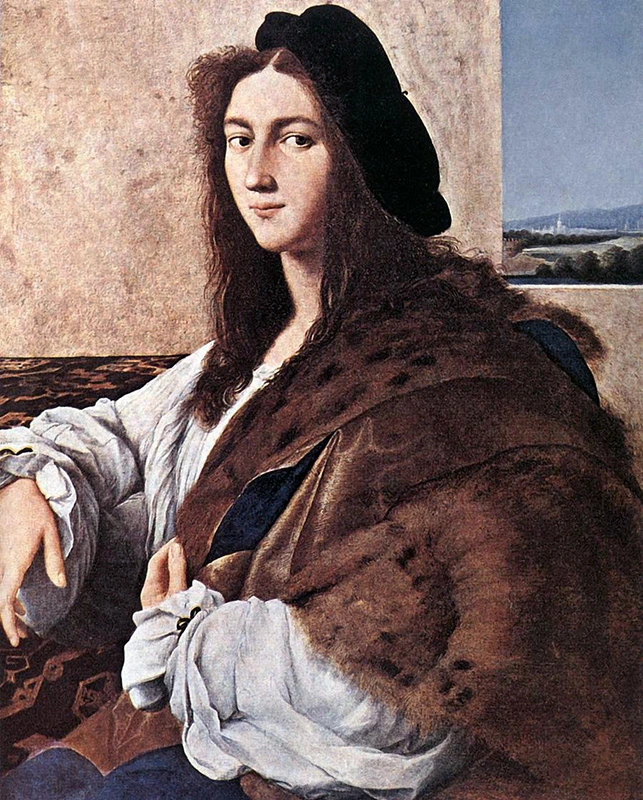
The portrait whose wartime trail ends in silence
Missing since 1945; survival unconfirmedRaphael’s young sitter survives in photographs and copies. The original has not been verifiably recovered.
Follow the clues ↗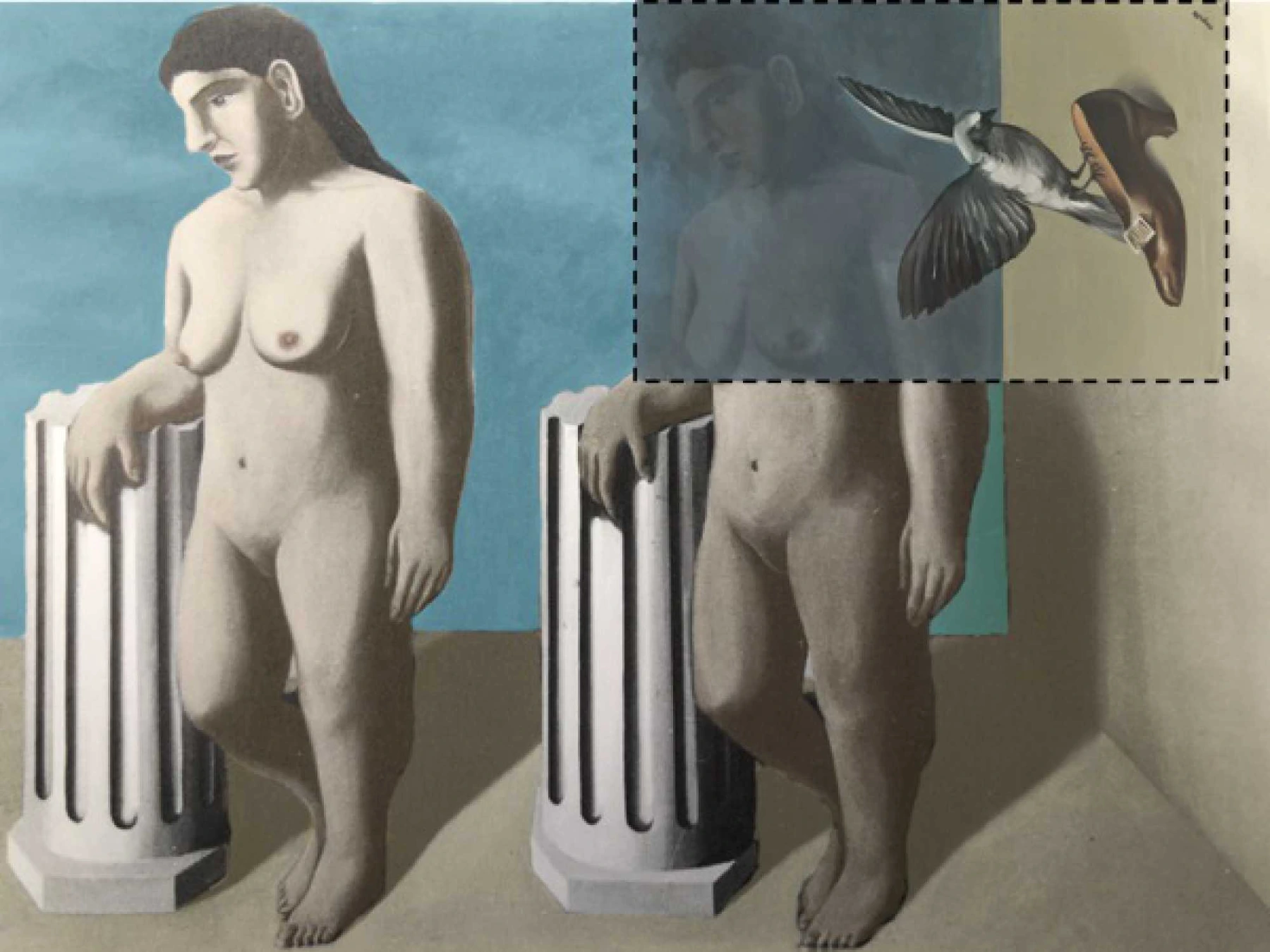
The missing Magritte hidden beneath four other Magrittes
Four quarters identified; composition virtually reconstructedAn X-ray turned a vanished composition into a puzzle spread across four museum collections.
Follow the clues ↗
Three heads rose from the canal. None was Modigliani’s.
Solved hoax; the three heads are not authentic Modigliani worksLivorno went looking for a legend and briefly found the masterpieces it expected to see.
Follow the clues ↗