He did not just fake paintings. He gave them a past.
The most persuasive evidence for a counterfeit can be the very archive consulted to check it.
The second work of fiction
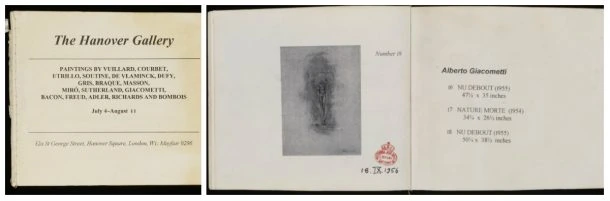
John Myatt made paintings in the styles of modern artists. John Drewe supplied something less conspicuous: histories that made those pictures look established. His interference reached records at the Tate Archive, the Institute of Contemporary Arts and the National Art Library. A catalogue reference could appear to confirm an object’s earlier existence, even though the relevant entry had been manipulated. The deception worked across objects and documents, making the second seem to stand independently behind the first. [1][2]
The duplicate that disagreed
The V&A later described a crucial weakness in the scheme. Its library held another copy of a historic catalogue, allowing staff to see that the doctored version did not match an original. What looked like the same publication preserved two different histories. The museum’s discussion of the forged catalogues treats them as evidence worth conserving in their own right. A false record can become an authentic historical object when it is correctly identified: not proof that the painting is genuine, but proof of how a fraud was constructed. [1]
A verdict, and an unfinished inventory
In February 1999 Drewe was sentenced to six years following convictions for offences including conspiracy to defraud, forgery and theft. Myatt, who admitted the conspiracy and became a prosecution witness, received one year. Contemporary reporting estimated that around two hundred fakes might have been involved; that was an investigative estimate, not a complete list of recovered works. The convictions resolved the central criminal proceedings without automatically identifying every picture that had passed through the scheme. Its unsettling legacy is the distance between establishing a fraud and locating all the objects and records it affected. [2][3]
Criminal convictions and prison sentences in 1999
This is a proven fraud case, not an unresolved allegation. Contemporary estimates of its scale should not be treated as a current count of unidentified fakes.
Artwork Details & DocumentationIdentification, ownership history and supporting records
Individual artwork identification details have not yet been documented in this record. Missing specifications are not inferred from the photograph or report headline.
Not documented in this record: object type · materials & technique · measurements · inscriptions & markings · distinguishing features · artwork title · maker / attribution · creation date / period · subject.
Record sources
Identification details follow the Object ID categories where documented. Ownership history is recorded separately; this documentation is not an authentication or a certificate of ownership.
Sources & documentation
- Victoria and Albert Museum: From Artifice to Artefact ↗
- The Art Newspaper: convictions and sentences, March 1999 ↗
- Rijksmuseum library record: Provenance ↗
An original ArtTraceX feature based on the cited sources, checked 9 November 2026. Legends and hypotheses are distinguished from established facts. Images are identified in their captions.
More mysteries
All stories →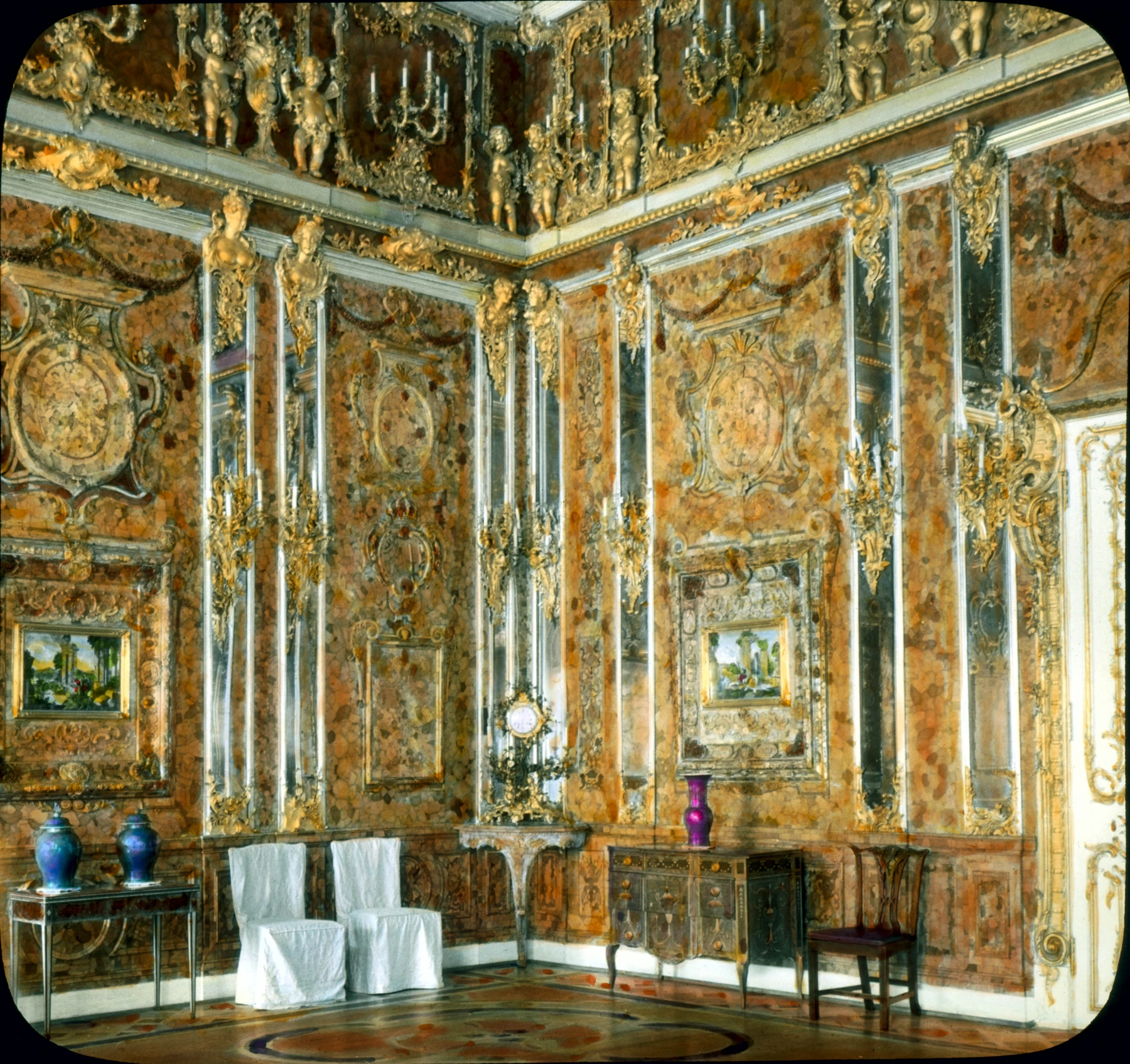
The room that vanished after it was taken apart
Original ensemble missing; some original elements returnedA palace interior disappeared in wartime. The room visitors see today is a reconstruction, not its rediscovery.
Follow the clues ↗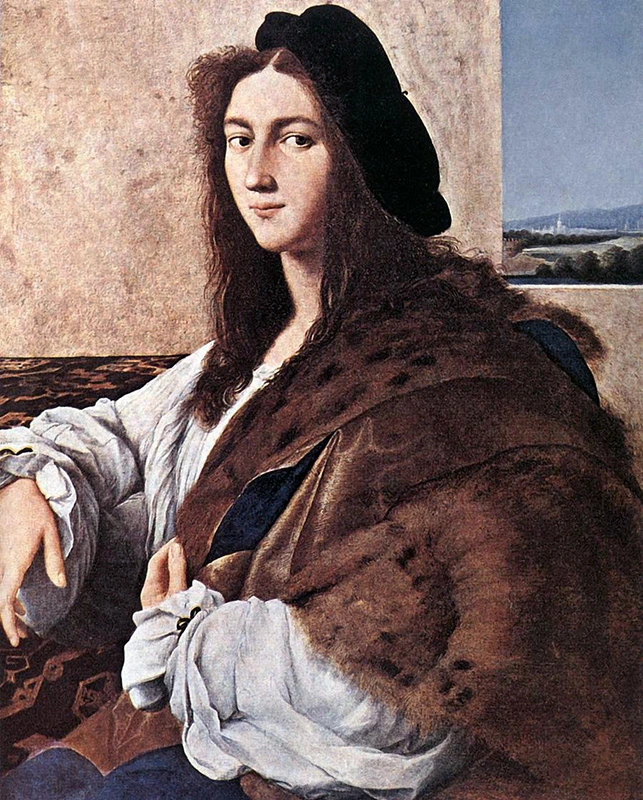
The portrait whose wartime trail ends in silence
Missing since 1945; survival unconfirmedRaphael’s young sitter survives in photographs and copies. The original has not been verifiably recovered.
Follow the clues ↗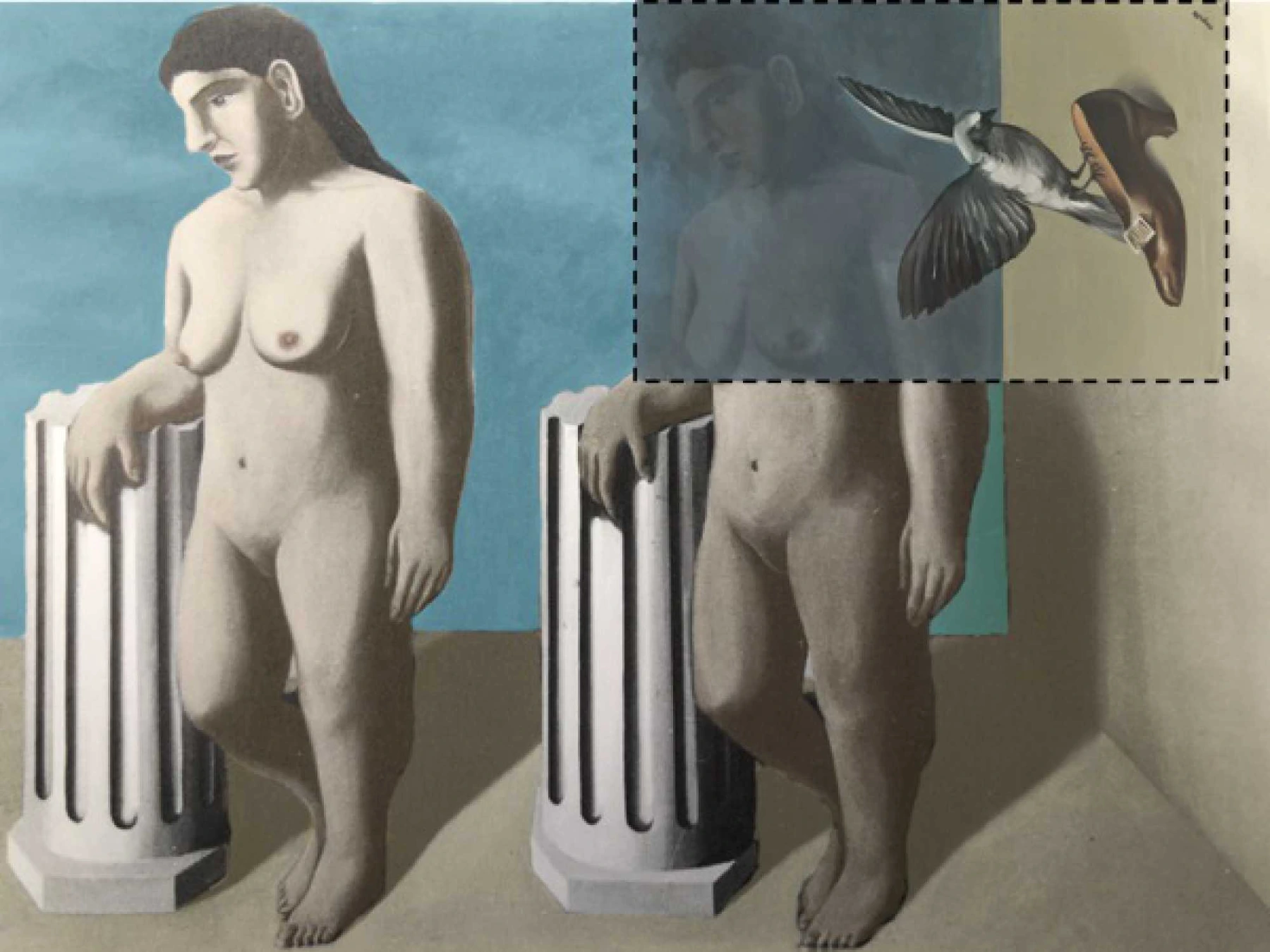
The missing Magritte hidden beneath four other Magrittes
Four quarters identified; composition virtually reconstructedAn X-ray turned a vanished composition into a puzzle spread across four museum collections.
Follow the clues ↗
Three heads rose from the canal. None was Modigliani’s.
Solved hoax; the three heads are not authentic Modigliani worksLivorno went looking for a legend and briefly found the masterpieces it expected to see.
Follow the clues ↗