A murder, a hospital and an elusive fairy kingdom
Richard Dadd’s miniature world belongs to a documented life of violence and confinement. Its meanings cannot be reduced to either.
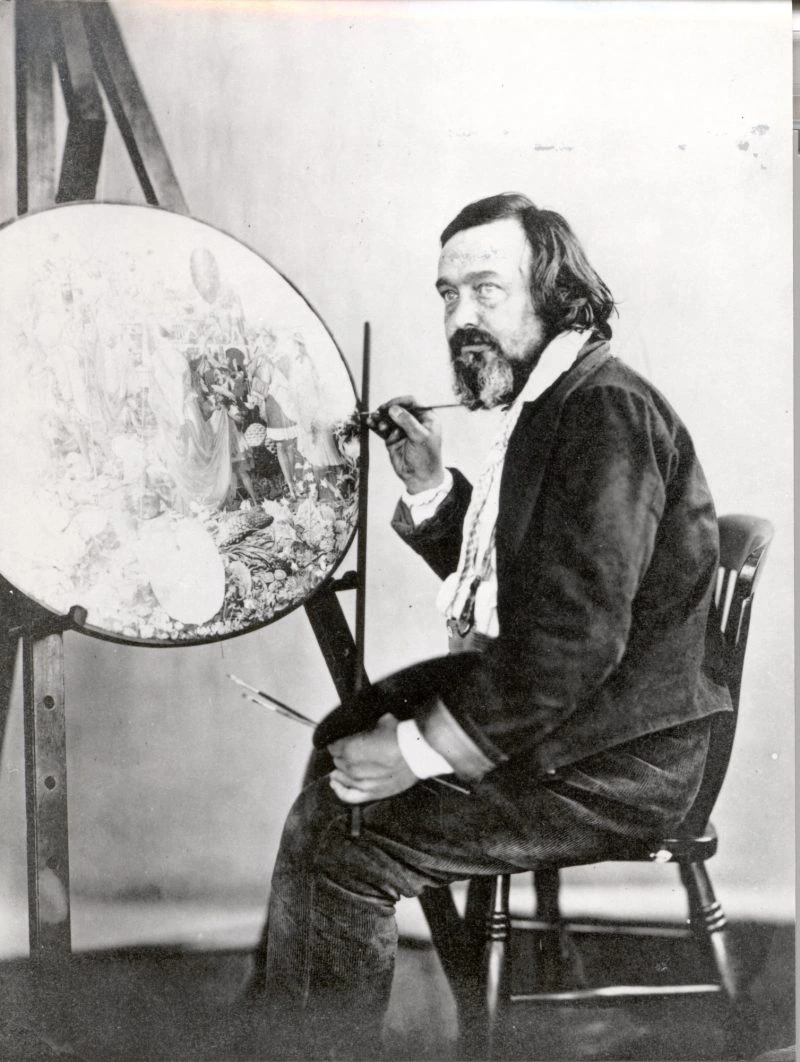
Before the hospital
Richard Dadd was an established young painter before the catastrophe that reshaped his life. After travelling through Europe and the Middle East, he returned to England experiencing severe delusions. On 28 August 1843 he killed his father in Kent. He fled to France, was arrested and later extradited. Bethlem’s museum records his admission in August 1844 and his eventual transfer to Broadmoor in 1864. These are biographical events, not an explanation of every image he subsequently painted. [1][4]
A world suspended before a stroke
In The Fairy Feller’s Master-Stroke, a figure raises an axe over a nut while a dense assembly of tiny characters watches. Tate describes an imaginary scene associated with Queen Mab’s fairy carriage. The small scale and extraordinary detail invite prolonged inspection, but looking closely does not produce a single, final key. Dadd’s scene can be approached as carefully made visual invention. Treating each character as a disguised confession would turn interpretation into an unsupported statement about the artist’s intentions. [2]
Words beside the image
Dadd also wrote a long explanation of the picture. Its surviving manuscript forms part of the patient papers catalogued by Bethlem Museum of the Mind. The existence of that text changes the mystery: the painter was not simply leaving a silent image for outsiders to diagnose. He supplied his own elaborate account, while correspondence and later historical research preserve other perspectives on his life. The archival portrait shows him working at his easel in the 1850s. It records an artist at work, rather than illustrating an imagined crime scene. The remaining uncertainty concerns meaning, not whether the painting exists or where it is held. [3][4]
Historical events documented; interpretation remains open
The painting is held by Tate. This is an interpretive and biographical mystery, not a missing-art case. The crime is documented; symbolic readings remain interpretations.
Artwork Details & DocumentationIdentification, ownership history and supporting records
Individual artwork identification details have not yet been documented in this record. Missing specifications are not inferred from the photograph or report headline.
Not documented in this record: object type · materials & technique · measurements · inscriptions & markings · distinguishing features · artwork title · maker / attribution · creation date / period · subject.
Record sources
Identification details follow the Object ID categories where documented. Ownership history is recorded separately; this documentation is not an authentication or a certificate of ownership.
Sources & documentation
- Bethlem Museum of the Mind: Richard Dadd biography ↗
- Tate collection account via Google Arts & Culture ↗
- Bethlem Museum of the Mind: Dadd’s surviving papers ↗
- Wellcome Collection: historical research and extradition documents ↗
An original ArtTraceX feature based on the cited sources, checked 9 November 2026. Legends and hypotheses are distinguished from established facts. Images are identified in their captions.
More mysteries
All stories →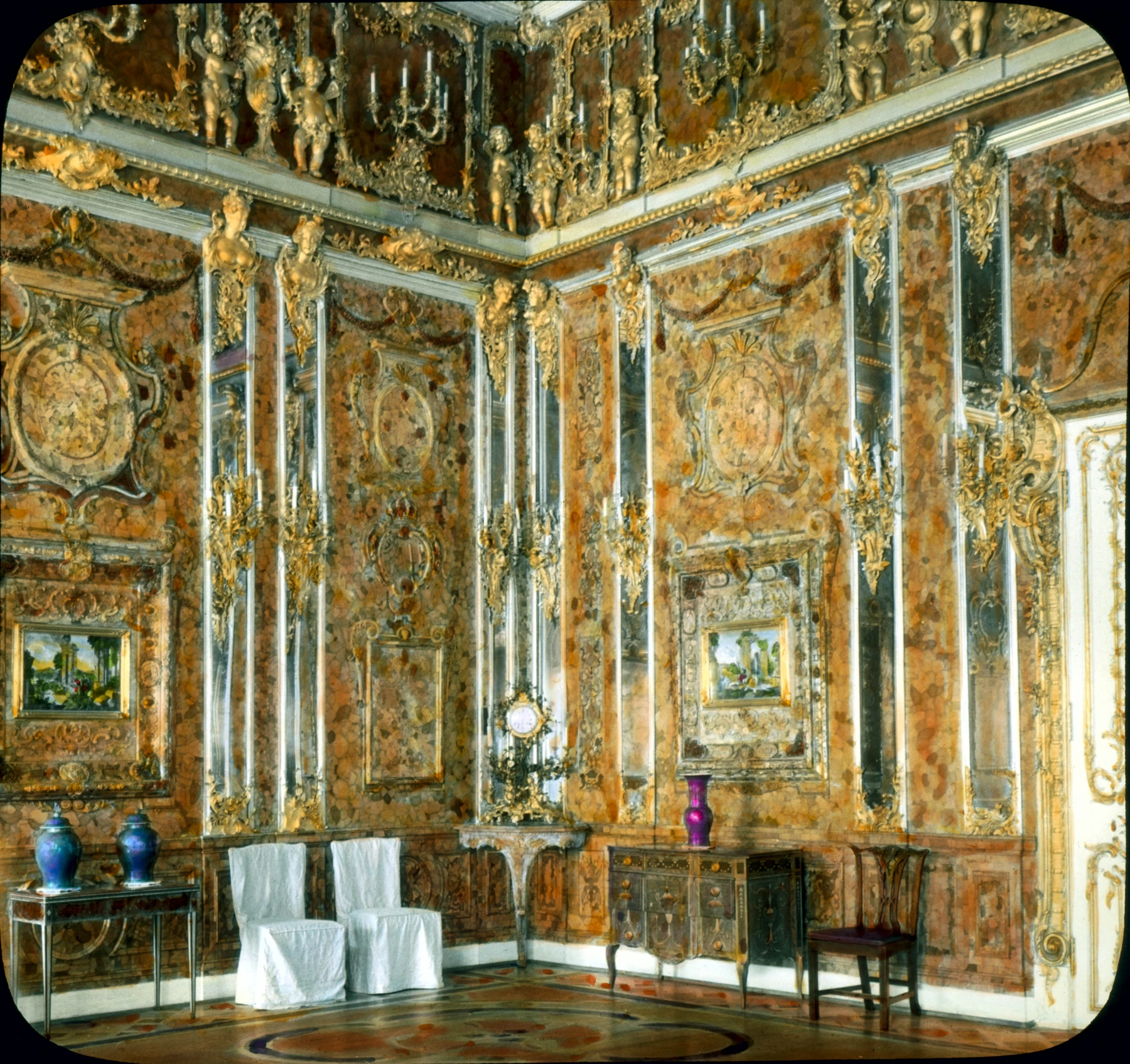
The room that vanished after it was taken apart
Original ensemble missing; some original elements returnedA palace interior disappeared in wartime. The room visitors see today is a reconstruction, not its rediscovery.
Follow the clues ↗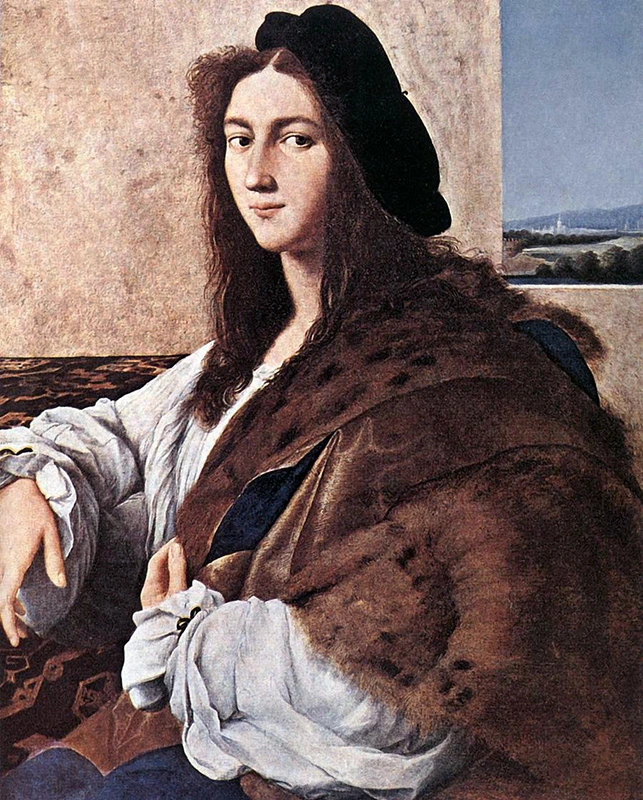
The portrait whose wartime trail ends in silence
Missing since 1945; survival unconfirmedRaphael’s young sitter survives in photographs and copies. The original has not been verifiably recovered.
Follow the clues ↗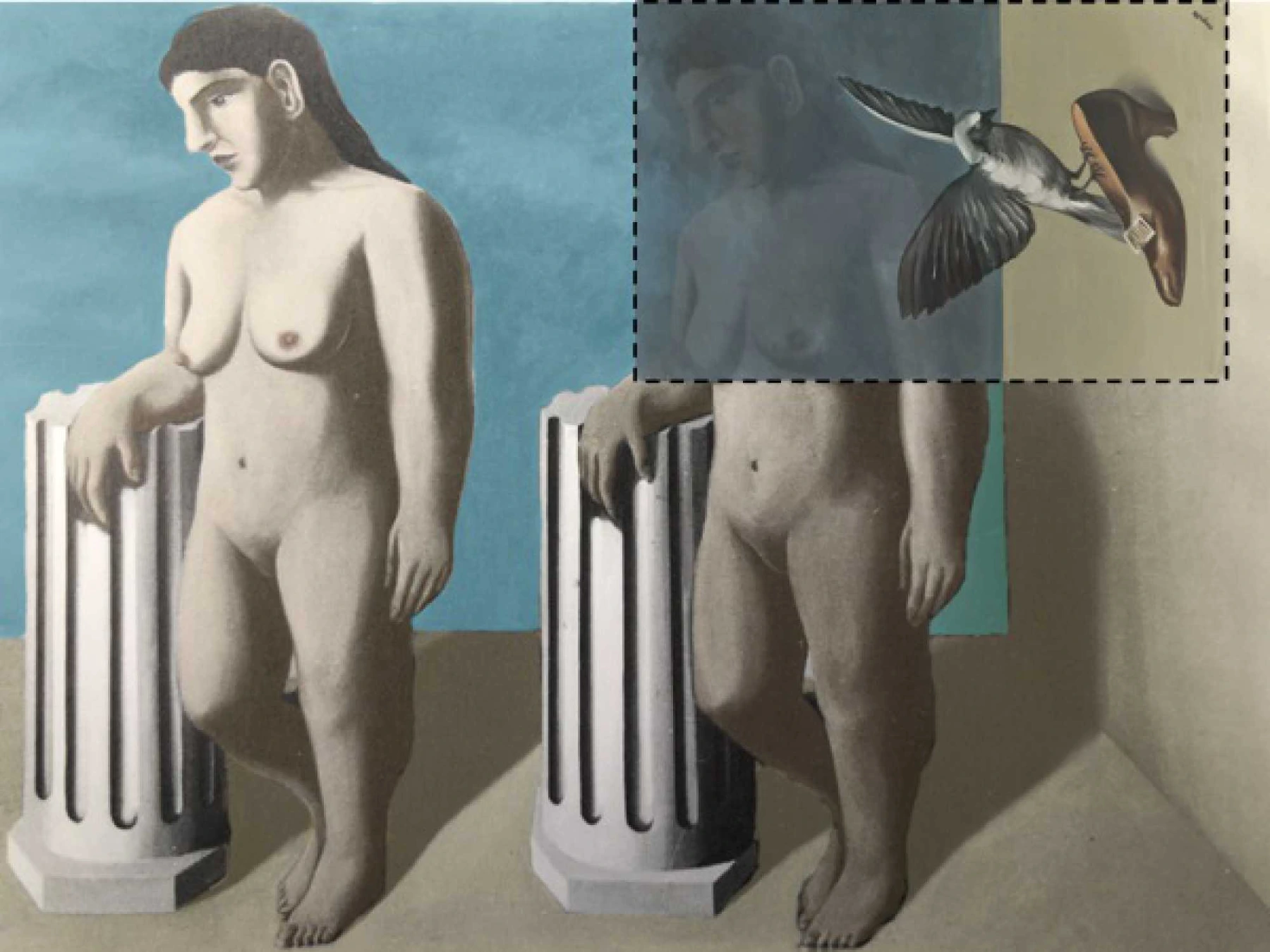
The missing Magritte hidden beneath four other Magrittes
Four quarters identified; composition virtually reconstructedAn X-ray turned a vanished composition into a puzzle spread across four museum collections.
Follow the clues ↗
Three heads rose from the canal. None was Modigliani’s.
Solved hoax; the three heads are not authentic Modigliani worksLivorno went looking for a legend and briefly found the masterpieces it expected to see.
Follow the clues ↗