The painting behind the painting
At the Lacans’ house, a painted panel stood between a famous Courbet and the eyes of its visitors.
An image with two surfaces
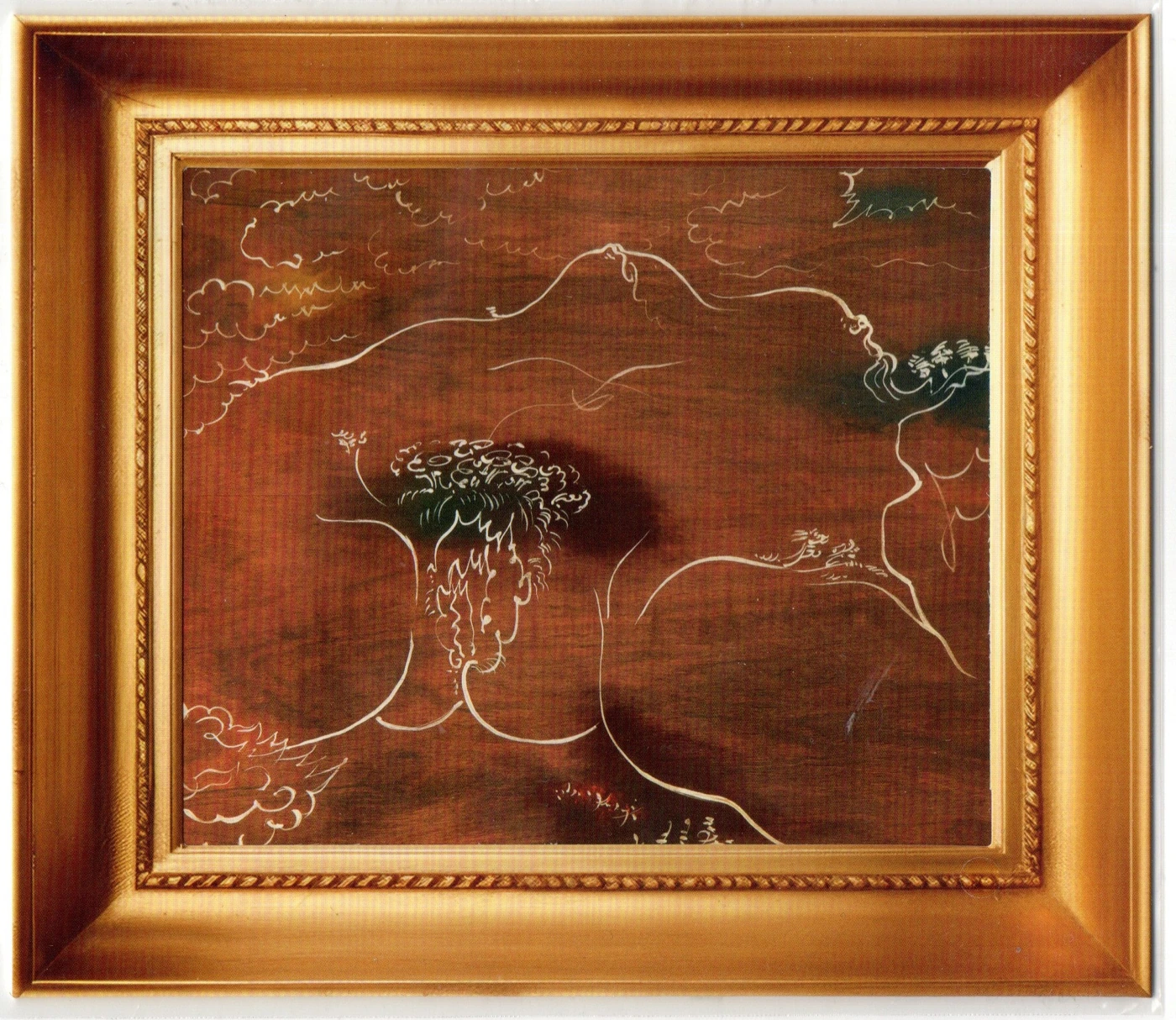
A painting can disappear without leaving a room. In the case of L’Origine du monde, the concealment was literal: a second painted surface could hide Courbet’s canvas. Jacques and Sylvia Lacan acquired the 1866 work in 1955. André Masson, their brother-in-law, made a wooden panel to cover it. The image presented to a visitor therefore depended on whether that cover remained in place. The arrangement turned an act of looking into an act of permission. [2][4]
A cover, not a replacement
This is not a story of a substitute passed off as the original. The Institut Gustave Courbet identifies Masson’s panel as a commissioned cover and even reproduced the mechanism in a sliding postcard. That small reproduction, shown here, records the idea rather than pretending to be the original object. It is useful precisely because the story depends on two different things: Courbet’s work and the screen created for it nearly a century later. [2]
The moment the two were shown together
The Institut’s account of its 1991 exhibition in Ornans recalls presenting the painting together with Masson’s sliding cover. The work had already been exhibited in Brooklyn in 1988. Those dates matter: its entry into the Musée d’Orsay in 1995 did not mark the first occasion on which any public had seen it. A secretive private history gradually became an exhibition history, with the concealment itself available for study rather than merely retold as an anecdote. [3]
What remains mysterious
Orsay records the canvas as an 1866 oil painting accepted by dation in 1995. The object is not missing. What remains intriguing is the long tension between notoriety and restricted visibility: an image could be famous while relatively few people encountered it. The surviving documents establish the cover and the owners who commissioned it. They do not provide access to every private conversation or visitor’s reaction. Those unrecorded scenes should remain unrecorded, rather than supplied by imagination. [1][4]
Concealment documented; artwork in a public collection
The concealed painting is identified and held by the Musée d’Orsay. This is a documented history of controlled visibility, not an unresolved theft.
Artwork Details & DocumentationIdentification, ownership history and supporting records
Individual artwork identification details have not yet been documented in this record. Missing specifications are not inferred from the photograph or report headline.
Not documented in this record: object type · materials & technique · measurements · inscriptions & markings · distinguishing features · artwork title · maker / attribution · creation date / period · subject.
Record sources
Identification details follow the Object ID categories where documented. Ownership history is recorded separately; this documentation is not an authentication or a certificate of ownership.
Sources & documentation
- Musée d’Orsay: L’Origine du monde ↗
- Institut Gustave Courbet: the sliding cover ↗
- Institut Gustave Courbet: the 1991 exhibition ↗
- Centre Pompidou-Metz: Courbet and Lacan ↗
- Institut Gustave Courbet: illustrated reissue of the sliding card ↗
An original ArtTraceX feature based on the cited sources, checked 9 November 2026. Legends and hypotheses are distinguished from established facts. Images are identified in their captions.
More mysteries
All stories →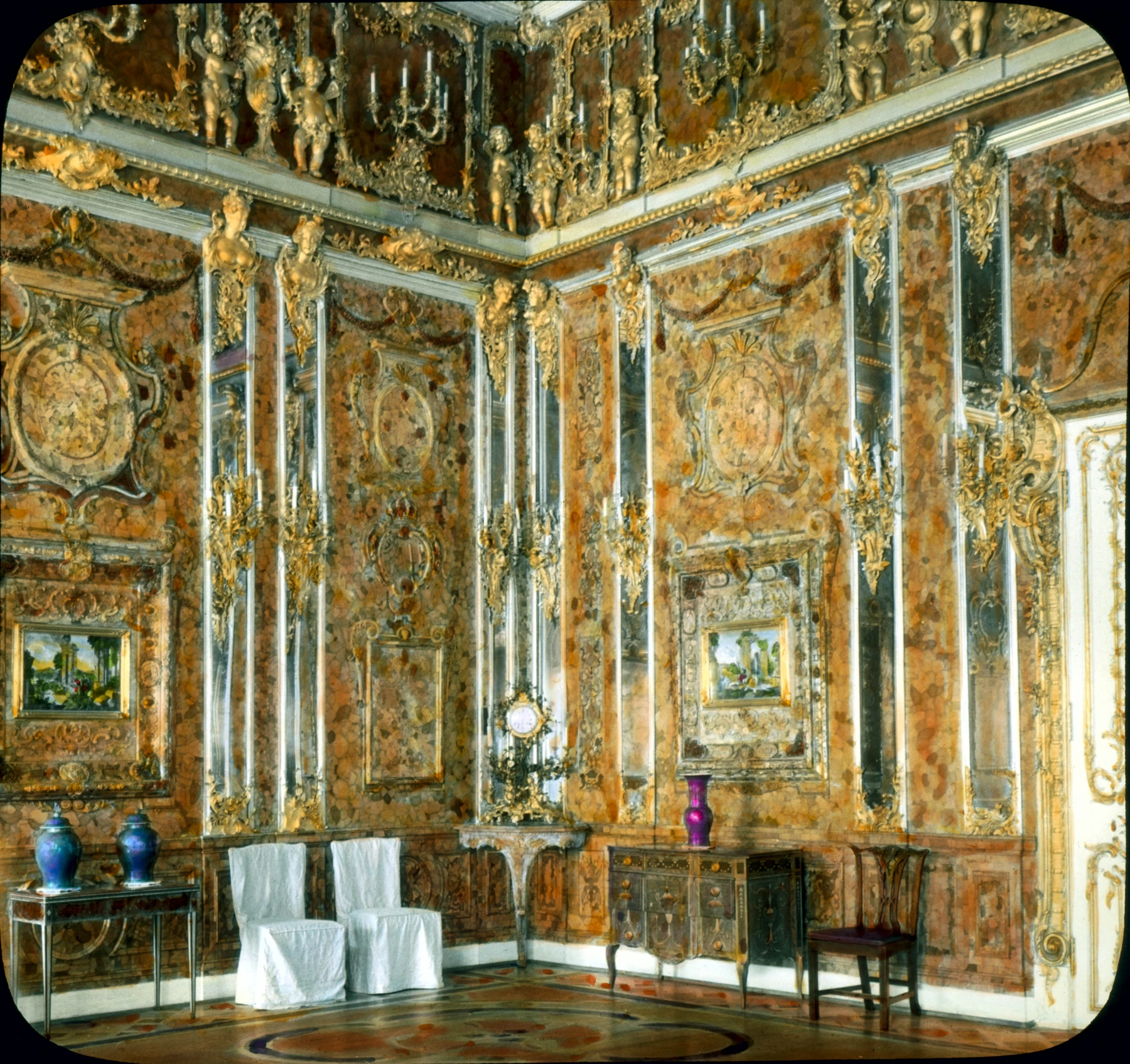
The room that vanished after it was taken apart
Original ensemble missing; some original elements returnedA palace interior disappeared in wartime. The room visitors see today is a reconstruction, not its rediscovery.
Follow the clues ↗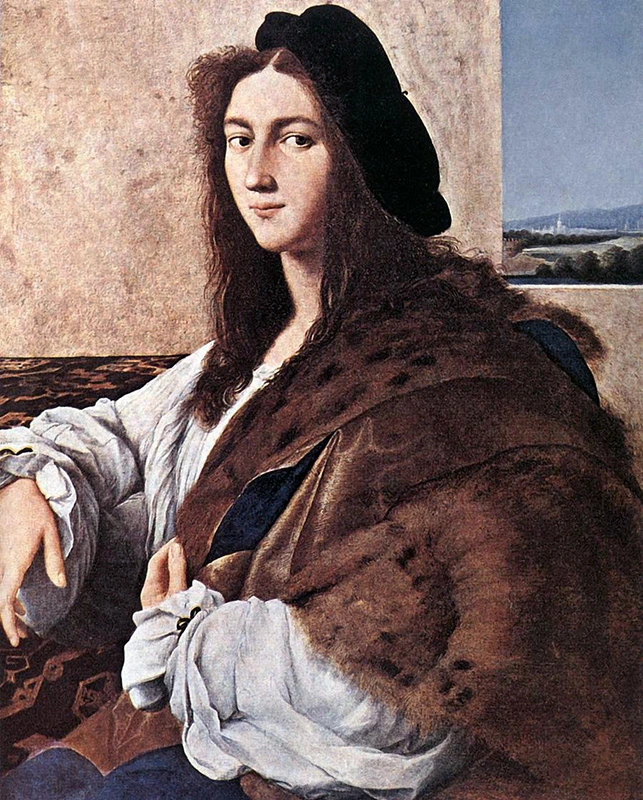
The portrait whose wartime trail ends in silence
Missing since 1945; survival unconfirmedRaphael’s young sitter survives in photographs and copies. The original has not been verifiably recovered.
Follow the clues ↗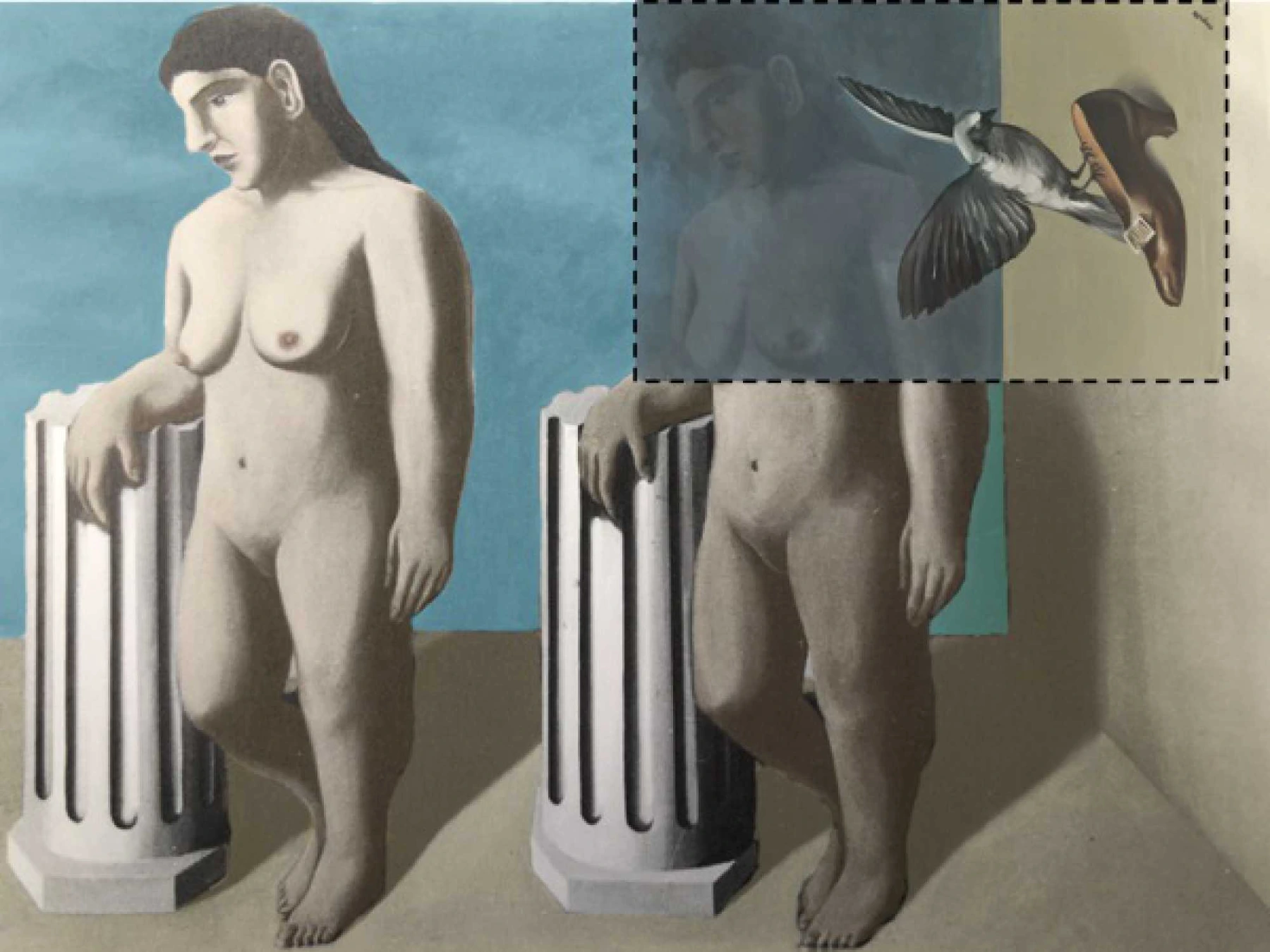
The missing Magritte hidden beneath four other Magrittes
Four quarters identified; composition virtually reconstructedAn X-ray turned a vanished composition into a puzzle spread across four museum collections.
Follow the clues ↗
Three heads rose from the canal. None was Modigliani’s.
Solved hoax; the three heads are not authentic Modigliani worksLivorno went looking for a legend and briefly found the masterpieces it expected to see.
Follow the clues ↗