The birthday gift that was destroyed
Parliament unveiled a portrait for Churchill’s eightieth birthday. The original survives only through records and reproductions.
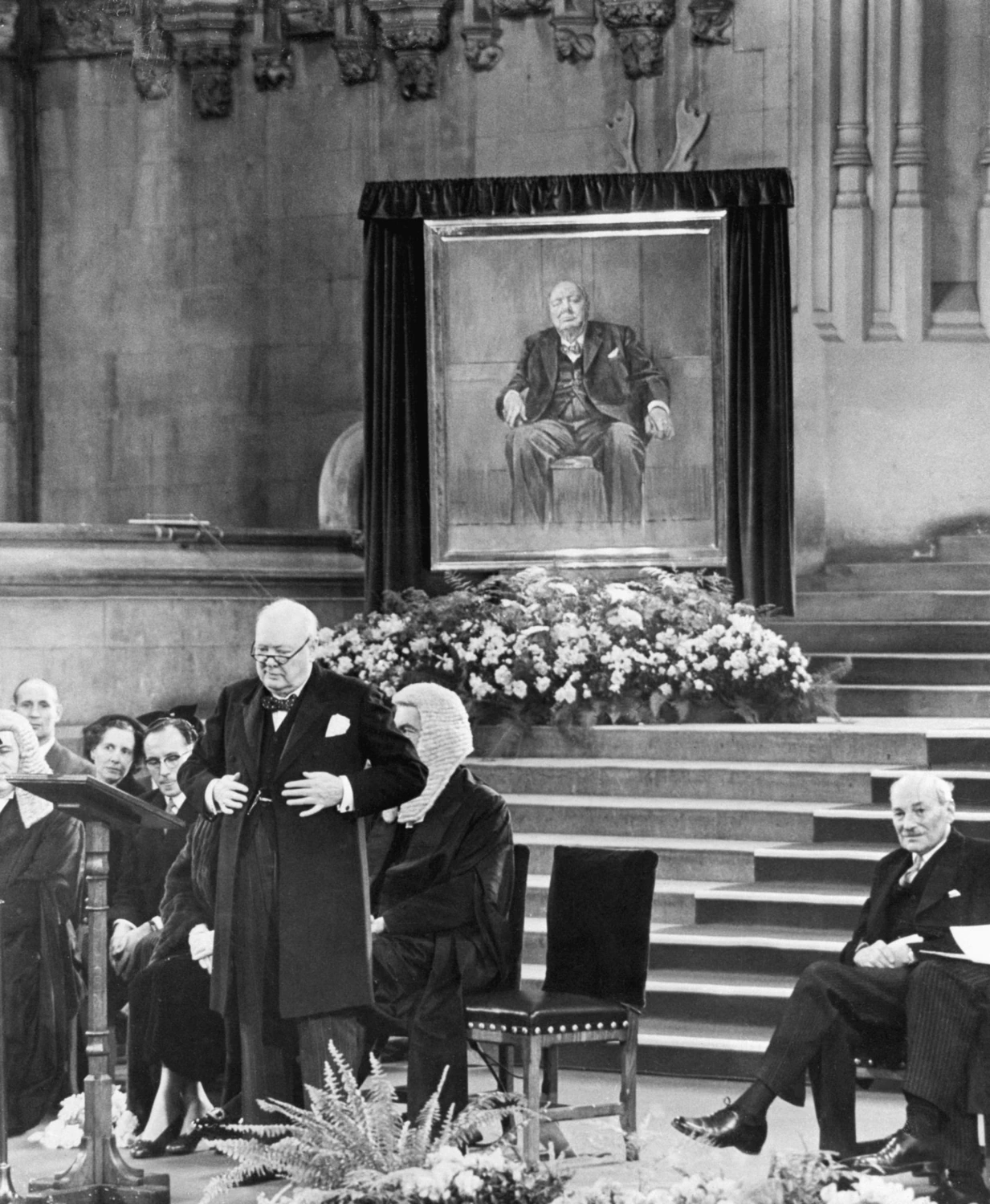
An unveiling with an ending no one could see
On 30 November 1954, Winston Churchill spoke in Westminster Hall with Graham Sutherland’s portrait behind him. The photograph preserves an unusual conjunction: the living subject, the public ceremony and a painting that would not survive. Members of both Houses of Parliament had commissioned the work to mark his eightieth birthday. Its presentation was meant to place the statesman in history. Instead, the portrait became famous for his rejection of it. [1][3]
The painter and the image of power
Sutherland was an established artist, not an anonymous provocateur. The National Portrait Gallery records his work as a war artist and the success of his earlier portrait of Somerset Maugham. Yet the Churchill commission exposed the distance between a painter’s observation and a subject’s preferred public image. Surviving studies document Sutherland’s search for form and expression. They are separate works, not fragments of the destroyed full-length portrait, and should be identified as such when reproduced. [2][4]
What the record says happened
Both the Gallery and the International Churchill Society record the original’s destruction at Clementine Churchill’s direction. Allison Leigh’s study examines the painting through photographic evidence and the preparatory work that remains. This is therefore not a missing canvas whose return has been announced or whose hiding place can be inferred from an auction of a study. An authentic Sutherland study may reappear on the market without overturning the documented fate of the completed commission. [1][2][3]
A picture reconstructed by its absence
The historical photograph shown here records the actual unveiling, rather than a modern reconstruction. It offers evidence of the original in its ceremonial setting but cannot restore the object’s surface, scale or material presence. That limitation is part of the story. The portrait’s public life was brief; its later cultural life has been sustained by reproductions, scholarship and arguments over what a powerful sitter is entitled to erase. The evidence supports destruction, not a secret recovery. [1][3]
Original destroyed; studies and photographs survive
The completed 1954 portrait was destroyed. Surviving studies and contemporary photographs are evidence of it, not recoveries of the original.
Artwork Details & DocumentationIdentification, ownership history and supporting records
Individual artwork identification details have not yet been documented in this record. Missing specifications are not inferred from the photograph or report headline.
Not documented in this record: object type · materials & technique · measurements · inscriptions & markings · distinguishing features · artwork title · maker / attribution · creation date / period · subject.
Record sources
Identification details follow the Object ID categories where documented. Ownership history is recorded separately; this documentation is not an authentication or a certificate of ownership.
Sources & documentation
- International Churchill Society: research by Allison Leigh ↗
- National Portrait Gallery: surviving study, NPG 5332 ↗
- International Churchill Society: the commission and destruction ↗
- National Portrait Gallery: Graham Sutherland ↗
An original ArtTraceX feature based on the cited sources, checked 9 November 2026. Legends and hypotheses are distinguished from established facts. Images are identified in their captions.
More mysteries
All stories →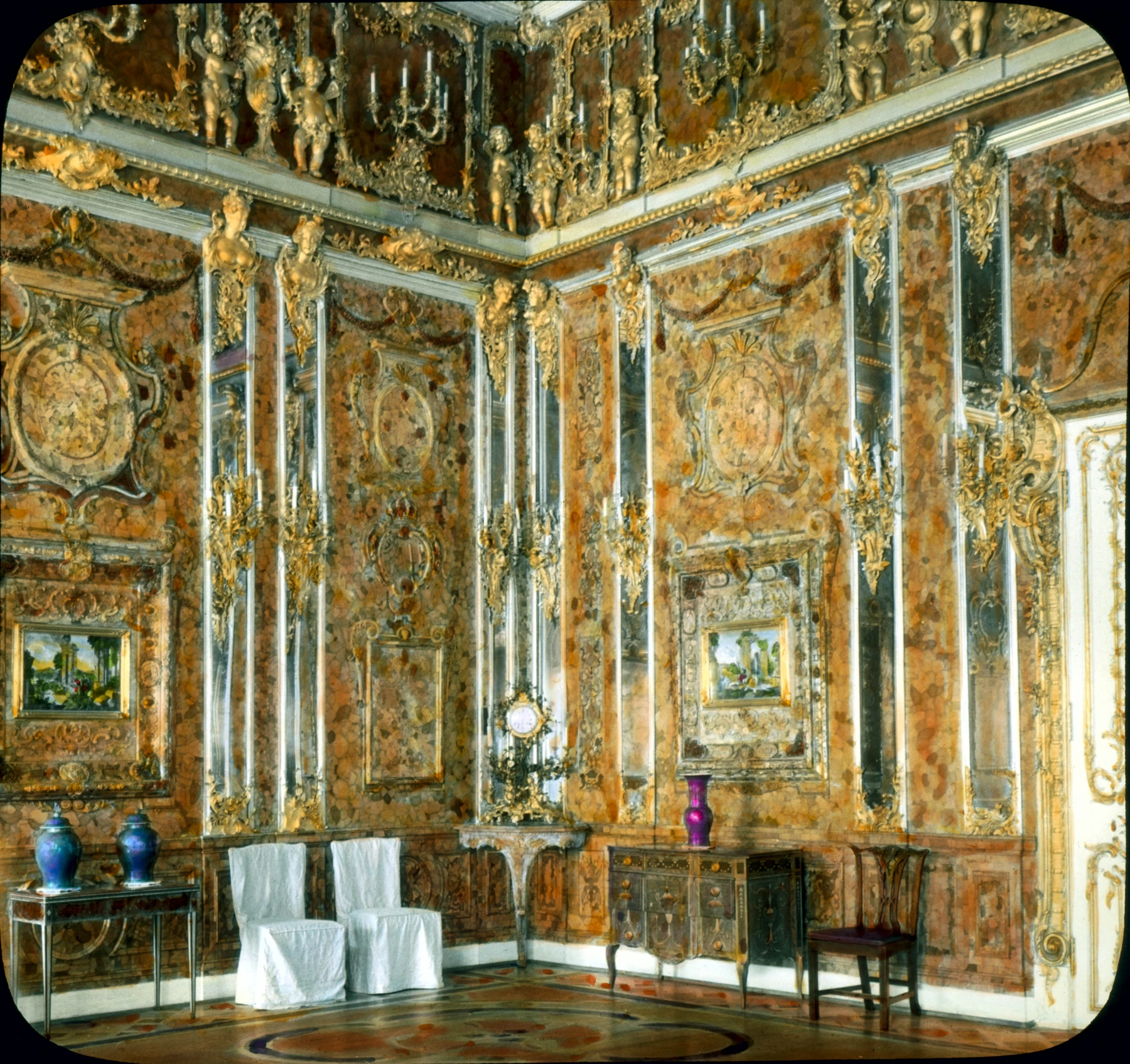
The room that vanished after it was taken apart
Original ensemble missing; some original elements returnedA palace interior disappeared in wartime. The room visitors see today is a reconstruction, not its rediscovery.
Follow the clues ↗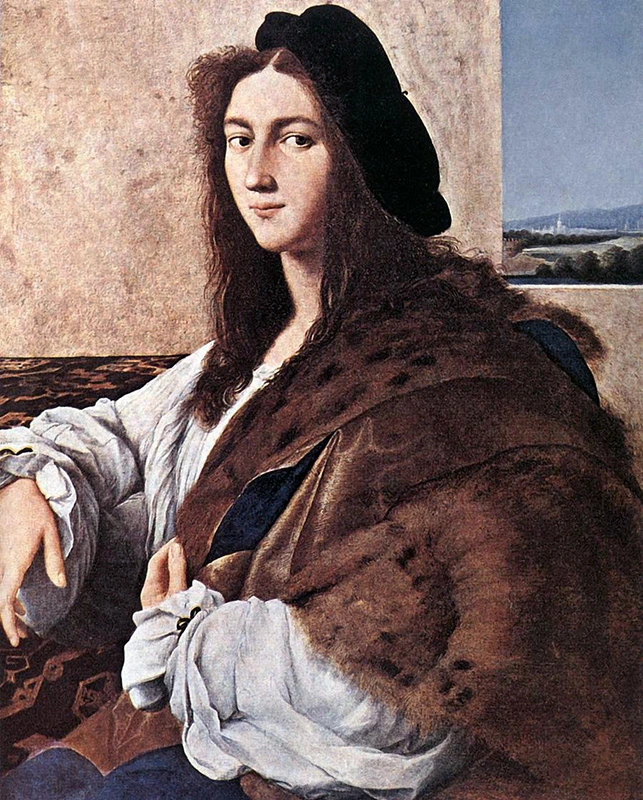
The portrait whose wartime trail ends in silence
Missing since 1945; survival unconfirmedRaphael’s young sitter survives in photographs and copies. The original has not been verifiably recovered.
Follow the clues ↗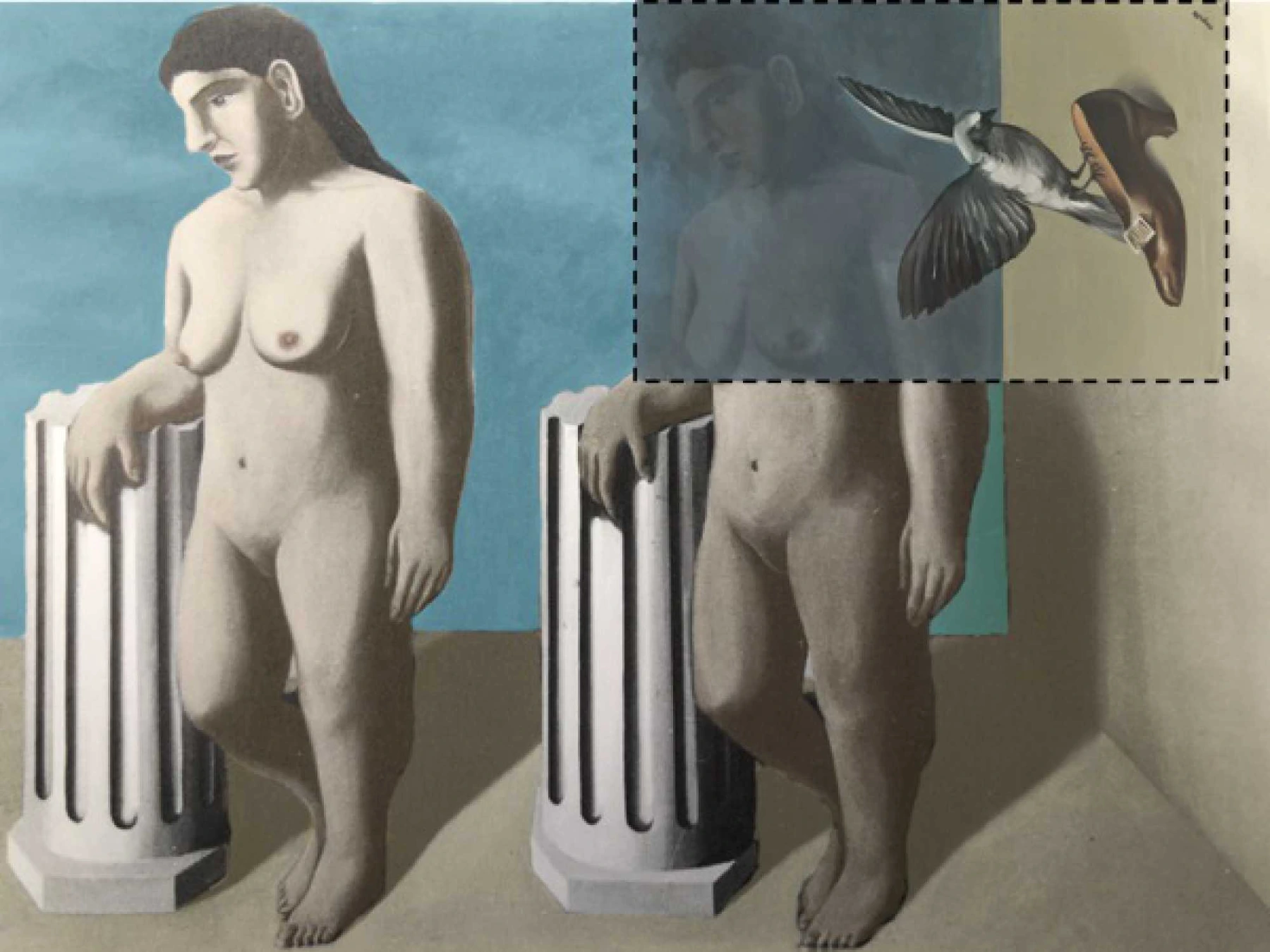
The missing Magritte hidden beneath four other Magrittes
Four quarters identified; composition virtually reconstructedAn X-ray turned a vanished composition into a puzzle spread across four museum collections.
Follow the clues ↗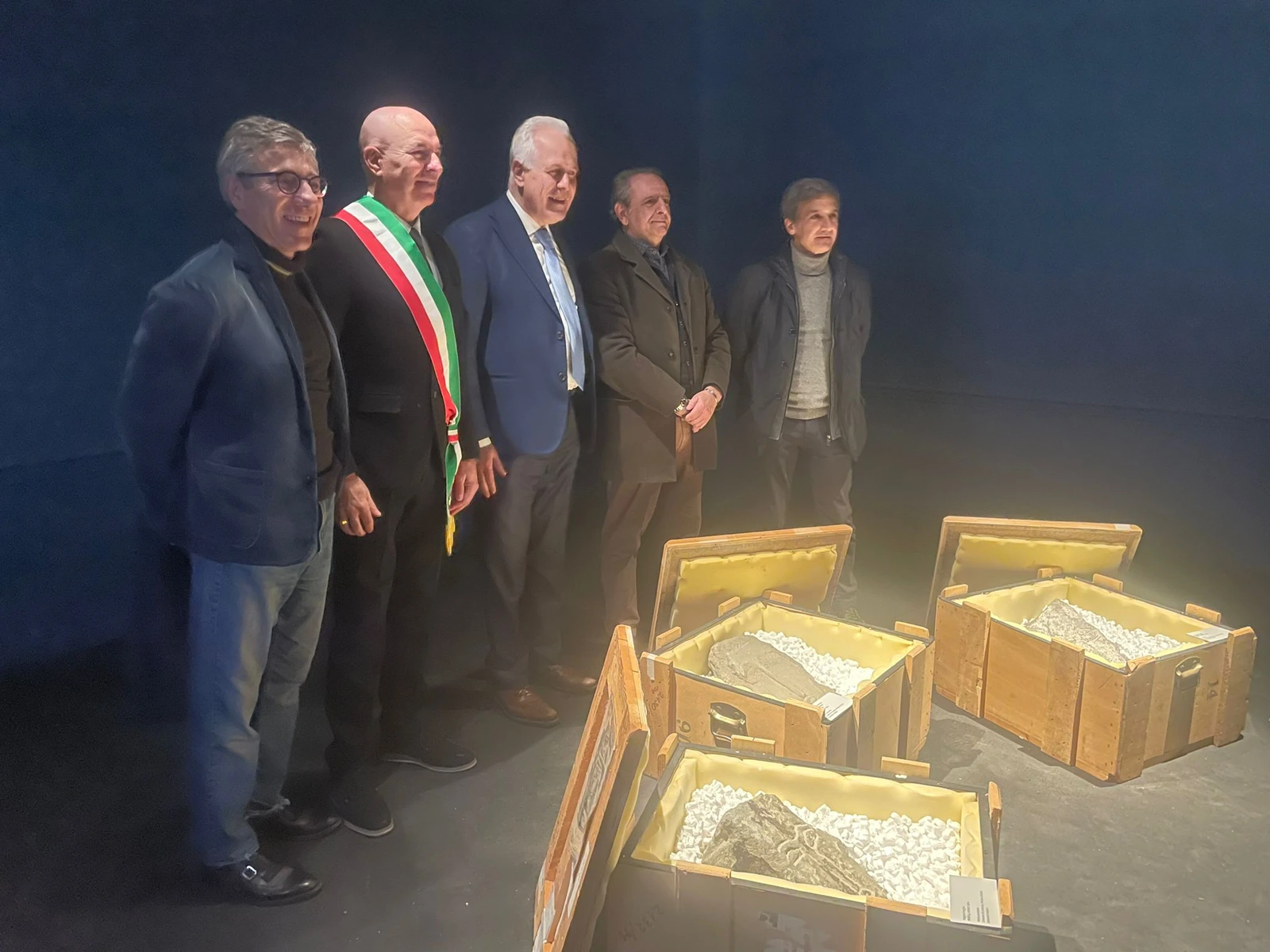
Three heads rose from the canal. None was Modigliani’s.
Solved hoax; the three heads are not authentic Modigliani worksLivorno went looking for a legend and briefly found the masterpieces it expected to see.
Follow the clues ↗